
Apr 16, 2026
12.14 / 2025
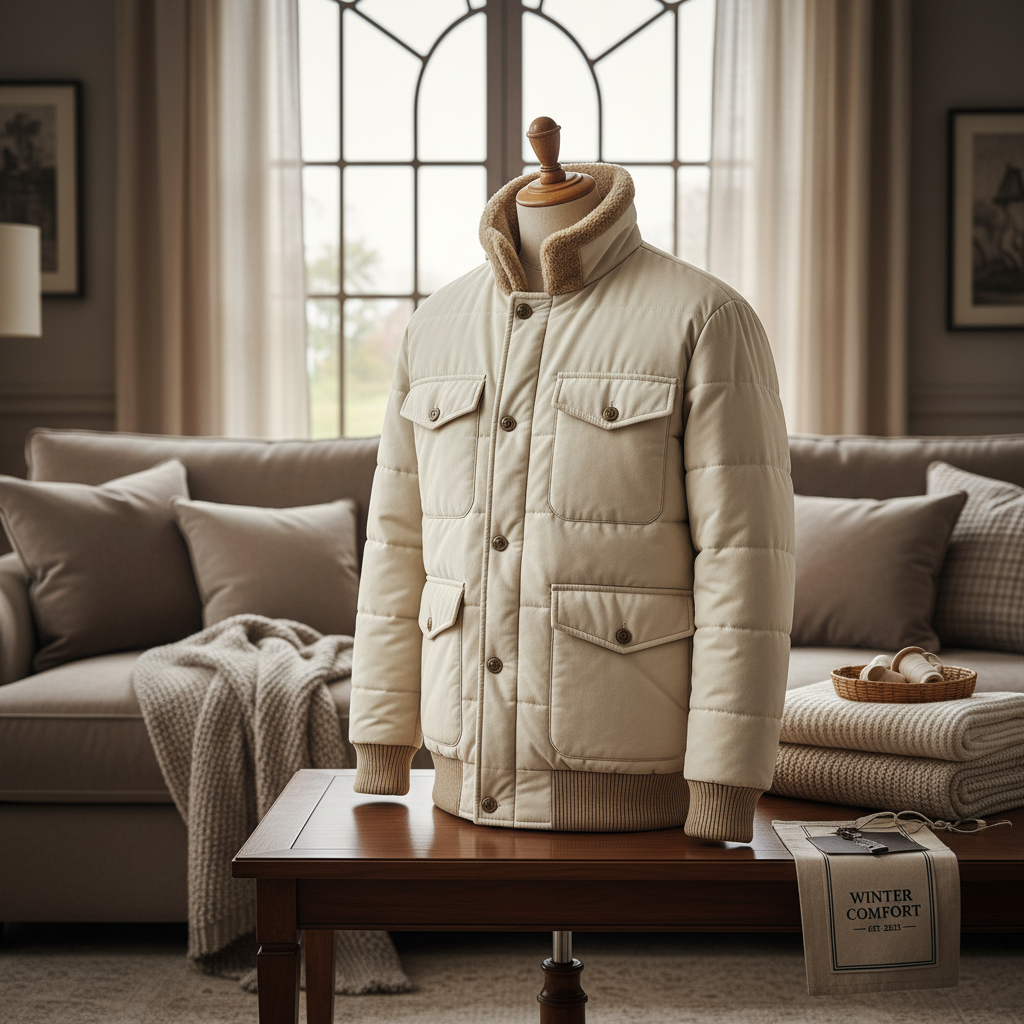
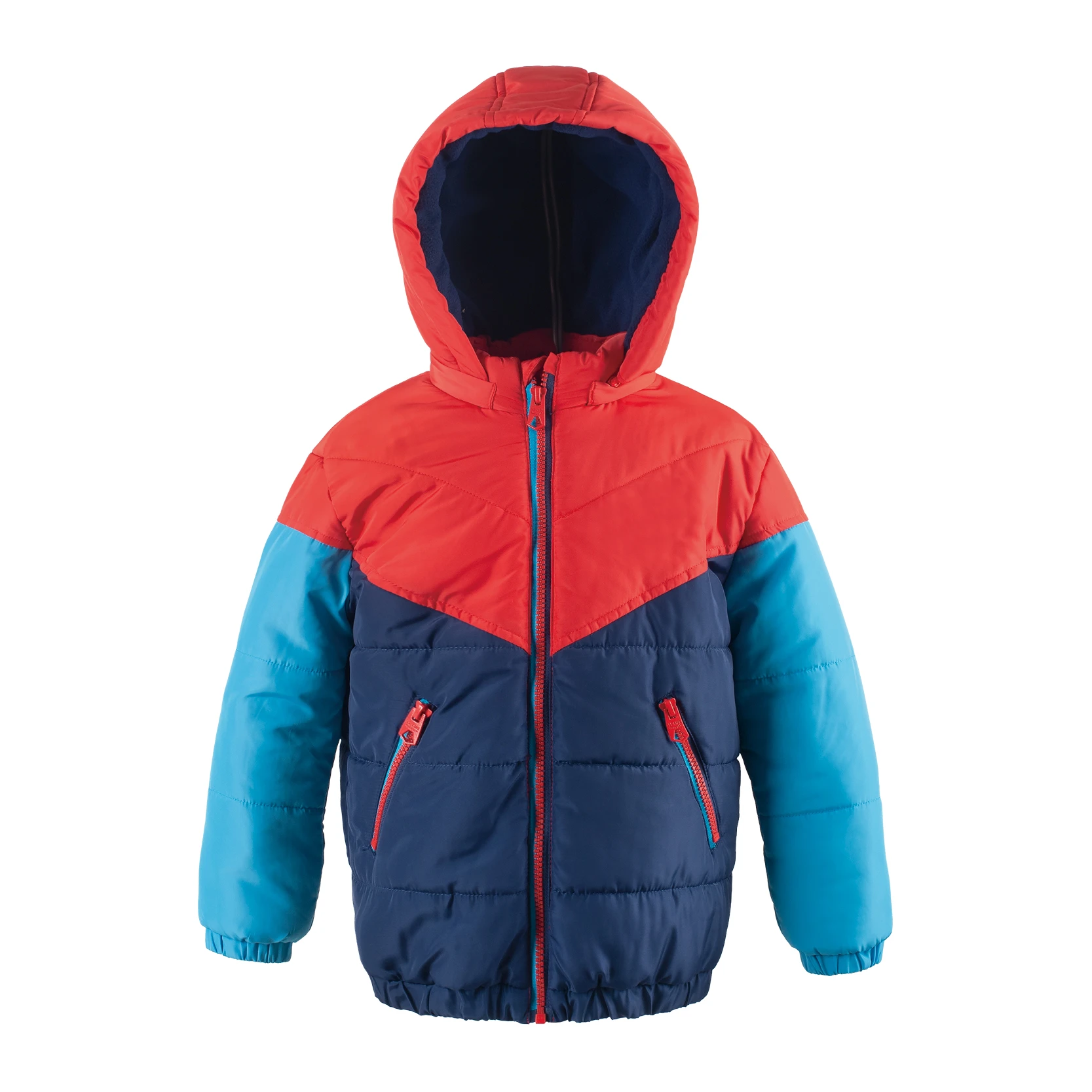
Waterproof Thermal Work Jacket – Ultimate Guide for Durable and Warm Workwear
Why the Waterproof Thermal Work Jacket is a Global Game-Changer
When you think about working in tough weather — rain pelting down, temperatures dropping below freezing — your outerwear isn’t just a fashion choice; it’s survival gear. The waterproof thermal work jacket plays a surprisingly vital role in industries worldwide, from construction crews out in the rain to emergency responders operating in freezing conditions. As climate change nudges more extreme weather patterns, there’s a growing global need for reliable, protective gear that keeps workers safe and comfortable.
Understanding the benefits and technology behind these jackets isn’t just for outdoor enthusiasts or labor supervisors. It’s a small but crucial piece in the puzzle of workplace safety, productivity, and even humanitarian aid. Believe it or not, wearing the right jacket can mean fewer accidents, lower health risks, and even greater longevity of the workforce, especially in physically demanding sectors.
The Global Context: Why This Jacket Matters Now More Than Ever
Recent reports from the United Nations highlight that more than 100 million outdoor workers worldwide face hazardous weather annually. In colder zones — from northern Europe to the Canadian Arctic — outdoor laborers routinely battle freezing rain, icy winds, and wet snow, often without adequate protection. And it’s not just weather: waterproof thermal clothing contributes significantly to worker safety per ISO standards on protective clothing.
On the flip side, companies lose billions every year from weather-related work stoppages and health-related absences. The World Bank estimates that investment in proper workwear can reduce lost workdays by up to 25%. So clearly, the waterproof thermal work jacket isn’t just another item in PPE kits — it’s a strategic asset.
What Exactly Is a Waterproof Thermal Work Jacket?
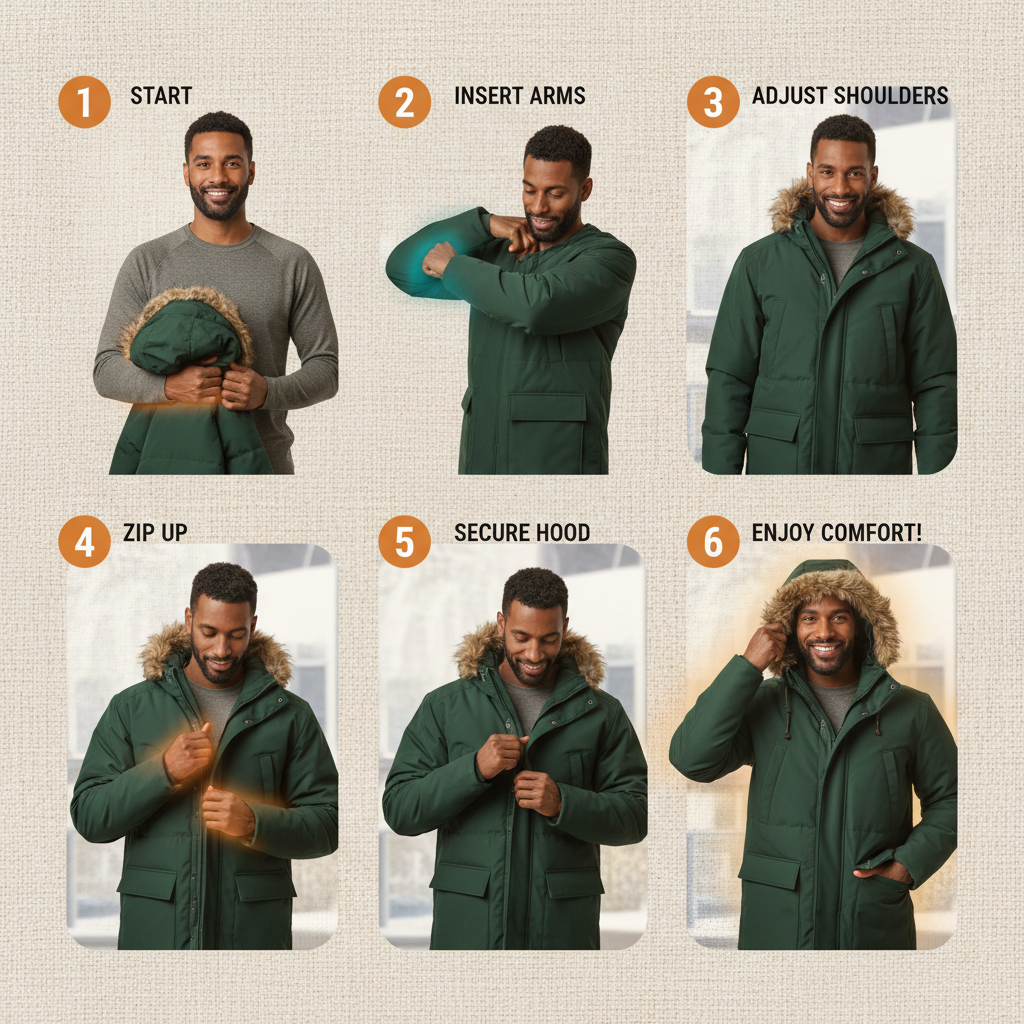
The term might sound straightforward but unpacking it reveals a fusion of technology and design. Simply put, a waterproof thermal work jacket is a professional-grade outerwear garment engineered to keep the wearer dry and warm, even under inclement weather. “Waterproof” signals that the jacket's fabric or membrane prevents water penetration — typically using materials like Gore-Tex, polyurethane coatings, or polyester blends with sealed seams.
“Thermal” means it provides insulation — often through synthetic fibers like Thinsulate or down alternatives — that trap body heat without bulk. These jackets usually feature hardwearing outer shells tested against abrasions and tearing, reflecting their common usage on construction sites, oil rigs, and in rescue missions.
In humanitarian terms, think of aid workers showing up in post-disaster zones. They need protection from cold rain and muddy conditions to operate efficiently and safely — and that’s where the waterproof thermal work jacket comes in.
Core Components That Define Effective Jackets
1. Durability
Durability is king in any work environment. The jacket must resist rips, tears, and abrasions, especially where mechanical hazards or rough surfaces abound. Many manufacturers use reinforced stitching and advanced textiles like ripstop nylon or Kevlar blends.
2. Breathability
Oddly enough, being waterproof doesn’t mean the wearer wants to stew inside. Breathability lets moisture and sweat escape without letting rain in, maintaining thermal comfort during intense labor.
3. Thermal Insulation
Well-designed inner layers trap heat efficiently but are lightweight. Options range from natural down to synthetic fills, often integrated with moisture management layers to prevent dampness from sweat.
4. Comfort and Fit
Workers often wear these jackets for hours. A poorly fitting jacket can chafe or restrict movement, affecting performance. Adjustable cuffs, ergonomic cuts, and flexible materials matter more than you’d think.
5. Additional Features
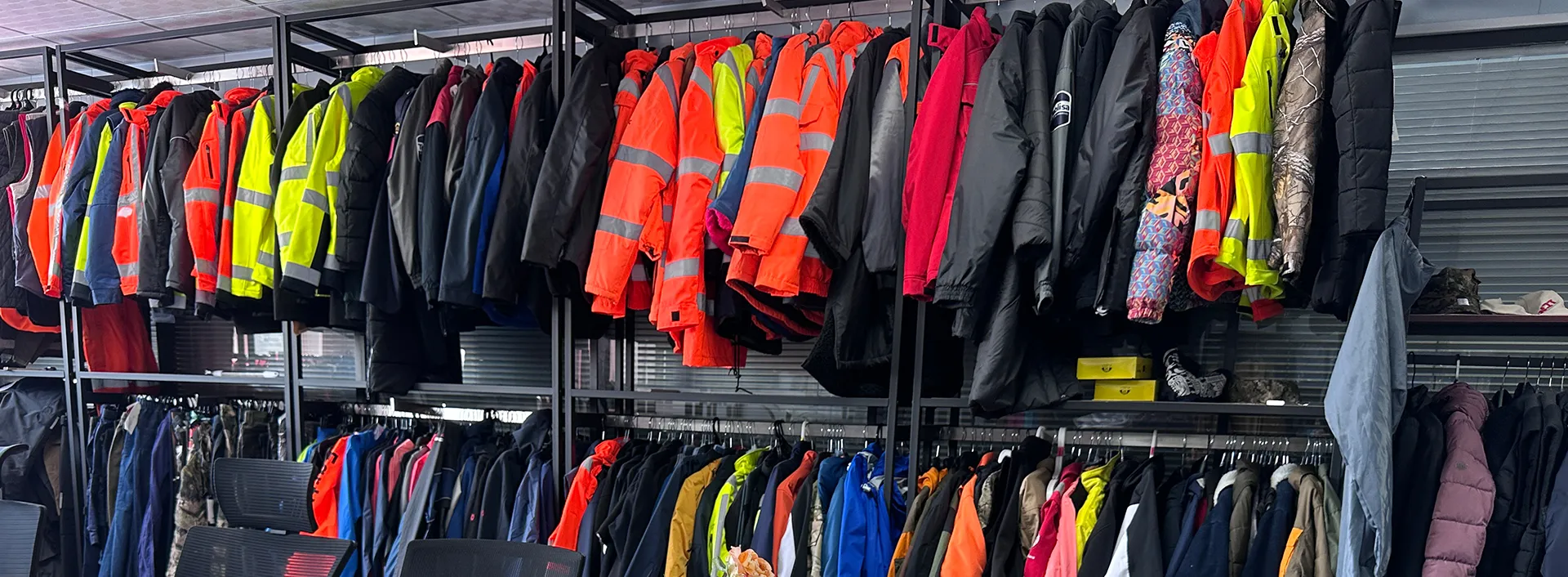
Many jackets come with reflective strips for night visibility, multiple utility pockets, and storm hoods, turning simple protection into multi-functional gear.
How These Jackets Work Around the World
In real terms, waterproof thermal jackets seal the deal across industries on every continent. In the frigid Canadian oil sands, extraction crews battle temperatures well below freezing while exposed to constant mist from equipment. Similarly, in northeastern Europe, forestry workers rely on breathable, waterproof coats to cut through snow and sleet.
In the humanitarian space, organizations like Médecins Sans Frontières equip their teams with these jackets when operating in remote, wet, and cold zones — ensuring volunteers stay effective and safe. Industrial warehousing firms in rainy southeast Asia also depend on these jackets to reduce work downtime caused by weather-related slowdowns.
Product Specification Table
| Feature | Description |
|---|---|
| Waterproof Rating | 20,000 mm (Equivalent to a heavy downpour for over 6 hours) |
| Thermal Insulation | Thinsulate 160g/m² synthetic fiber |
| Material | Ripstop polyester outer shell, PU-coated |
| Weight | 850 grams (size M) |
| Special Features | Adjustable hood, reinforced elbows, reflective strips, zip storm flap |
| Sizes Available | S - 3XL |
Why Invest in a Waterproof Thermal Work Jacket?
From a financial perspective, these jackets reduce risk and boost efficiency — fewer sick days, easier compliance with workplace safety regulations, and less downtime from weather. Sustainability-wise, many brands now use recycled materials, responding to the growing calls for greener manufacturing practices.
Emotionally speaking, anything that keeps workers warm and dry is a big deal. It signals respect for their hard work and personal dignity, which can improve morale. Trust builds when employers invest in quality gear, and frankly, there’s also peace of mind — outdoor workers won’t have to worry about hypothermia or illness during their shifts.
What’s Next? Future Trends in Waterproof Thermal Jackets
You might be surprised to learn that smart textiles are entering this space — jackets with integrated sensors tracking temperature, humidity, and even worker vitals. Materials research now targets better insulation with less bulk, plus even more durable fabrics produced with eco-friendly processes.
Plus, circular economy principles are influencing manufacturers. Repairability and recyclability are becoming standard, with some vendors offering take-back programs or interchangeable insulation layers. Digital retail, custom-fit scanning, and automation also mean workers may soon order perfectly tailored jackets online with precise performance specs.
Common Challenges and Expert Fixes
Despite advances, perfectly balancing waterproofing and breathability remains tricky. Many jackets either trap sweat or leak under pressure. The solution? Multi-layer membrane structures combined with ventilation zips to manage airflow as conditions change.
Another issue is cost — high-performance jackets are often expensive upfront. But many companies opt for leasing plans or bulk purchase deals that spread costs and ensure regular replacement cycles, fostering better hygiene and performance standards.
Waterproof Thermal Work Jacket: FAQ
- Q1: How do I know if a jacket is truly waterproof versus just water-resistant?
- A:
- Waterproof jackets have membranes or coatings blocking water penetration and sealed seams, formally tested to withstand heavy rain levels — a 10,000 mm or higher hydrostatic rating generally qualifies as waterproof. Water-resistant jackets only repel light moisture but aren’t suitable for heavy downpours.
- Q2: Can a waterproof thermal jacket be worn year-round?
- A:
- It depends on the insulation thickness. Some models have removable liners, making them versatile for varying climates. For hot seasons, a lightweight waterproof shell can be worn alone, while insulated versions shine in cold months.
- Q3: Are there eco-friendly waterproof thermal jacket options?
- A:
- Yes! Several manufacturers now use recycled polyester, plant-based dyes, and PFC-free waterproof coatings, respecting environmental standards like bluesign® certification. Look for product descriptions noting sustainable materials and manufacturing.
- Q4: How should I care for my waterproof thermal jacket to maintain performance?
- A:
- Regular cleaning with specialized detergents and reapplying waterproof coatings helps retain breathability and water repellency. Avoid bleach or fabric softeners, which damage membranes.
- Q5: Are there industry standards or certifications I should look for?
- A:
- ISO 20471 for high-visibility, ISO 13688 for protective clothing requirements, and ASTM standards for water resistance are common benchmarks. Certifications often indicate a garment’s reliability for professional use.
Choosing the Right Vendor: A Side-by-Side Look
| Vendor | Waterproof Rating | Material | Price (USD) | Sustainability Features |
|---|---|---|---|---|
| AlphaGear | 25,000 mm | Ripstop Nylon, PU coating | $180 | Bluesign® fabrics, recycled fill |
| TerraWear | 20,000 mm | Polyester/Membrane | $220 | PFC-free DWR, take-back program |
| WorkShield | 18,000 mm | Polyester blend | $150 | Recycled shell only |
Wrapping Up: Why It’s Time to Upgrade Your Workwear Gear
All things considered, investing in a waterproof thermal work jacket isn’t just about staying dry or cozy — it’s about empowering workers to do their best, no matter the weather. The long-term benefits ripple through workplace safety, operational efficiency, and environmental responsibility. If you haven’t already, exploring the latest jacket technologies frankly might be the smartest business (and personal) move this season.
Are you ready to upgrade your team’s gear or just curious what the newest models can do? Check out our comprehensive catalog and expert advice at PullyTrade.com for tailored solutions.