
Apr 16, 2026
12.14 / 2025
Essential Guide to Waterproof Work Jackets: Protection, Comfort & Innovation
Understanding the Waterproof Work Jacket: Why It Matters Worldwide
At first glance, a waterproof work jacket might seem like just another piece of gear in the vast arsenal of industrial clothing. But dig a little deeper, and you realize it plays a pivotal role in worker safety, productivity, and even environmental responsibility – all over the globe. Whether you’re braving torrential rains on a construction site in Southeast Asia or shoveling snow in a Canadian mine, the right waterproof jacket isn’t simply a convenience; it’s a necessity. Given ongoing climate changes and evolving industrial safety standards, navigating the nuances of waterproof work jackets can lead to better equipment choices, cost savings, and improved wellbeing for millions.
The Worldwide Context: Why Waterproof Work Jackets Are Essential Today
Roughly 2.3 billion people work in the agriculture and construction sectors worldwide—industries heavily impacted by extreme weather. According to the International Labour Organization (ILO), exposure to harsh conditions causes thousands of work-related illnesses and a staggering number of accidents annually. So when you consider waterproof work jackets, you’re not just talking about comfort; you’re addressing critical occupational health and safety challenges.
Let’s also remember UN reports emphasizing how increasingly unpredictable weather patterns disrupt projects and endanger workers in vulnerable regions. A waterproof work jacket helps mitigate this risk —by protecting workers from hypothermia, musculoskeletal stress, and downtime due to illness.
What Exactly Is a Waterproof Work Jacket?
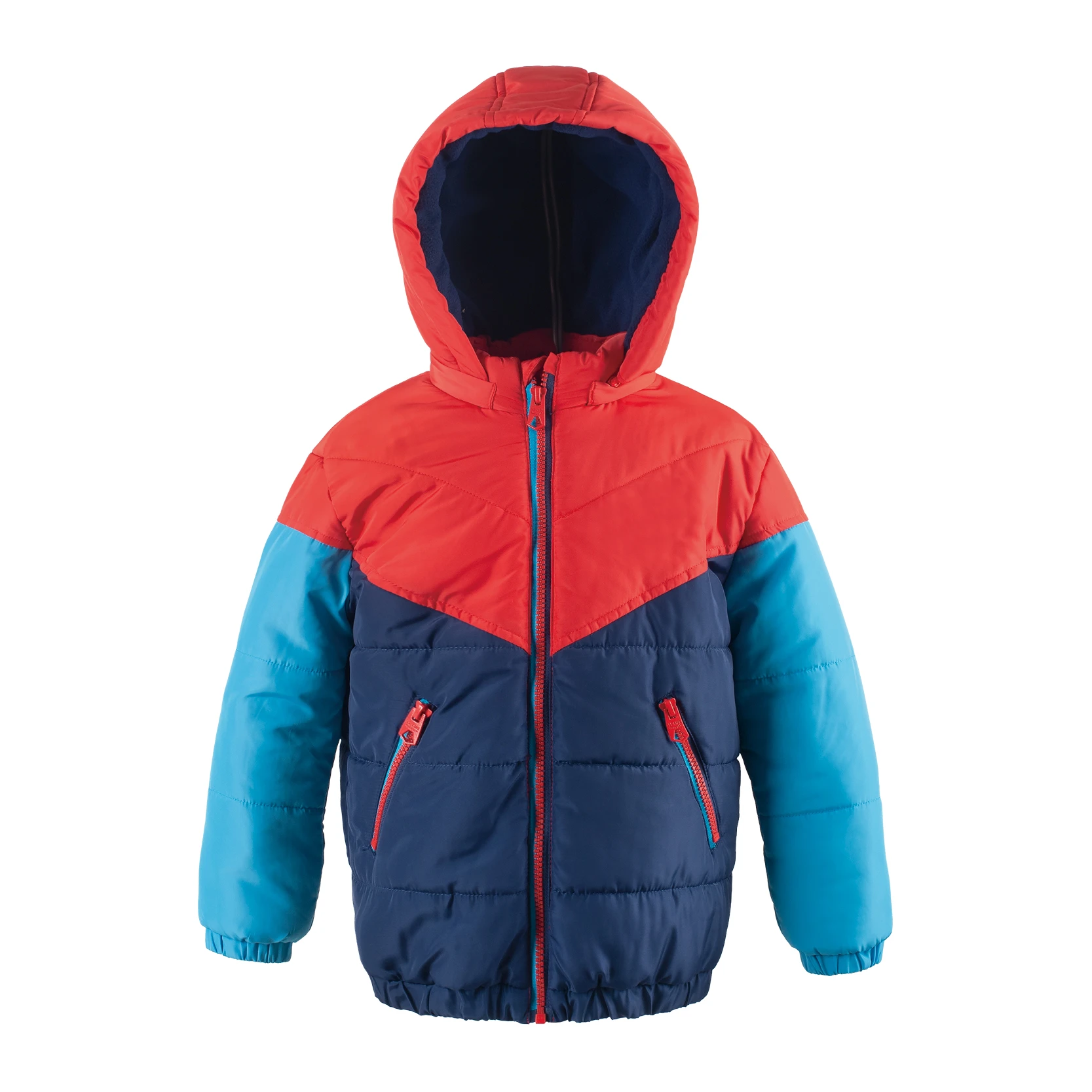
Simply put, it’s a rugged outer garment designed to shield workers from rain, wind, and snow, while maintaining breathability and mobility. These jackets often combine tough synthetic fabrics with specialized membranes or coatings—think Gore-Tex or polyurethane—that block water but allow sweat to escape. This means workers stay dry without overheating, which is key for safety and comfort during long shifts.
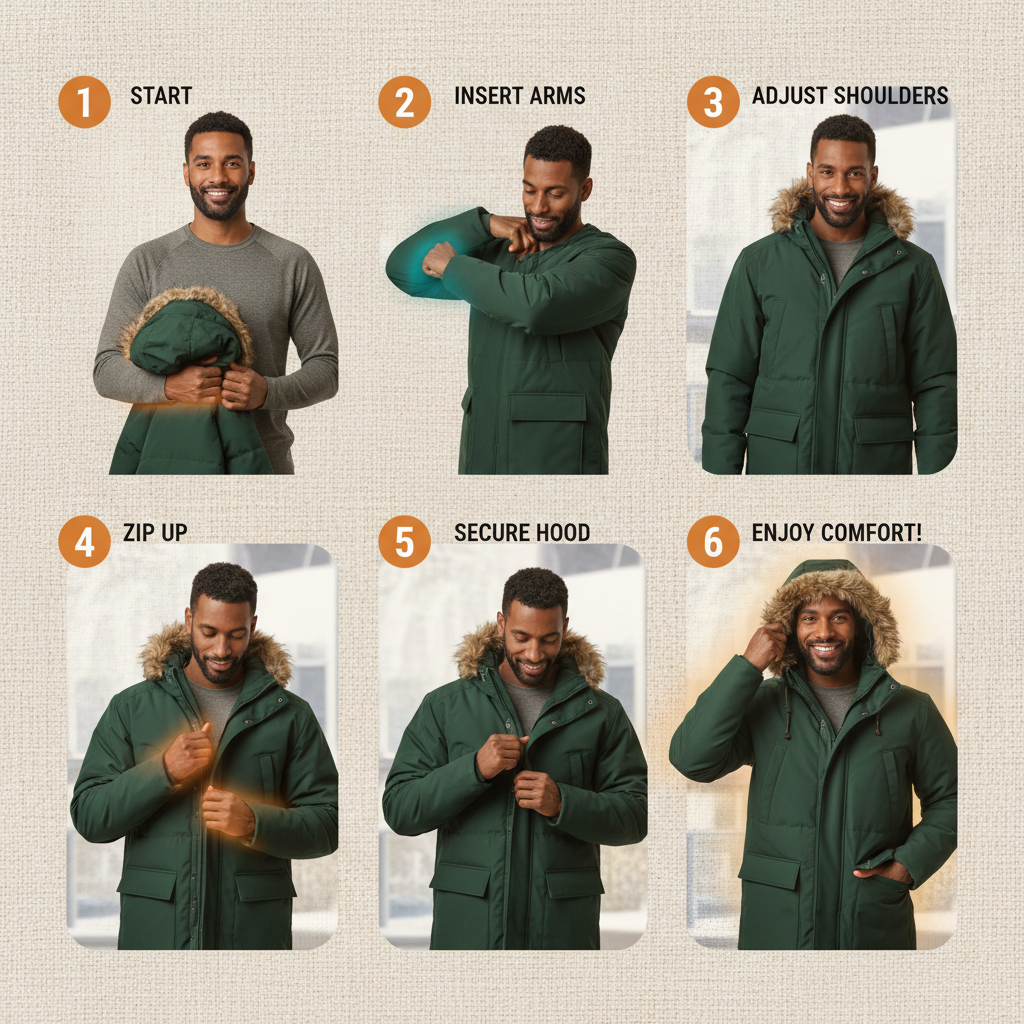
Beyond basic weather protection, waterproof work jackets reflect modern priorities: durability for tough environments, compatibility with safety gear (helmets, harnesses), and environmentally conscious materials. It's exactly the kind of gear that industrial outfits, humanitarian missions, and emergency responders rely on worldwide.
Key Characteristics of Effective Waterproof Work Jackets
1. Durability and Material Quality
Perhaps the most critical factor. These jackets endure abrasion, tearing, and chemical exposure, so fabrics like Cordura® or ripstop nylon are popular. Many also have reinforced stitching and protective panels in high-wear zones.
2. Waterproofing Technology
From PU coatings to advanced laminates, the waterproof layer must resist water penetration even under heavy rainfall. Sealed seams—often via heat-taping—stop leaks where droplets would otherwise sneak in.
3. Breathability
Without breathability, workers quickly become soaked from sweat, negating the waterproof benefit. Functional membranes and vents help maintain airflow, so the jacket "breathes" while keeping liquid out.
4. Comfort & Mobility
Good waterproof jackets balance protection with freedom of movement. Elastic cuffs, articulated sleeves, and adjustable collars allow a snug fit without restricting tasks on site.
5. Visibility and Safety Features
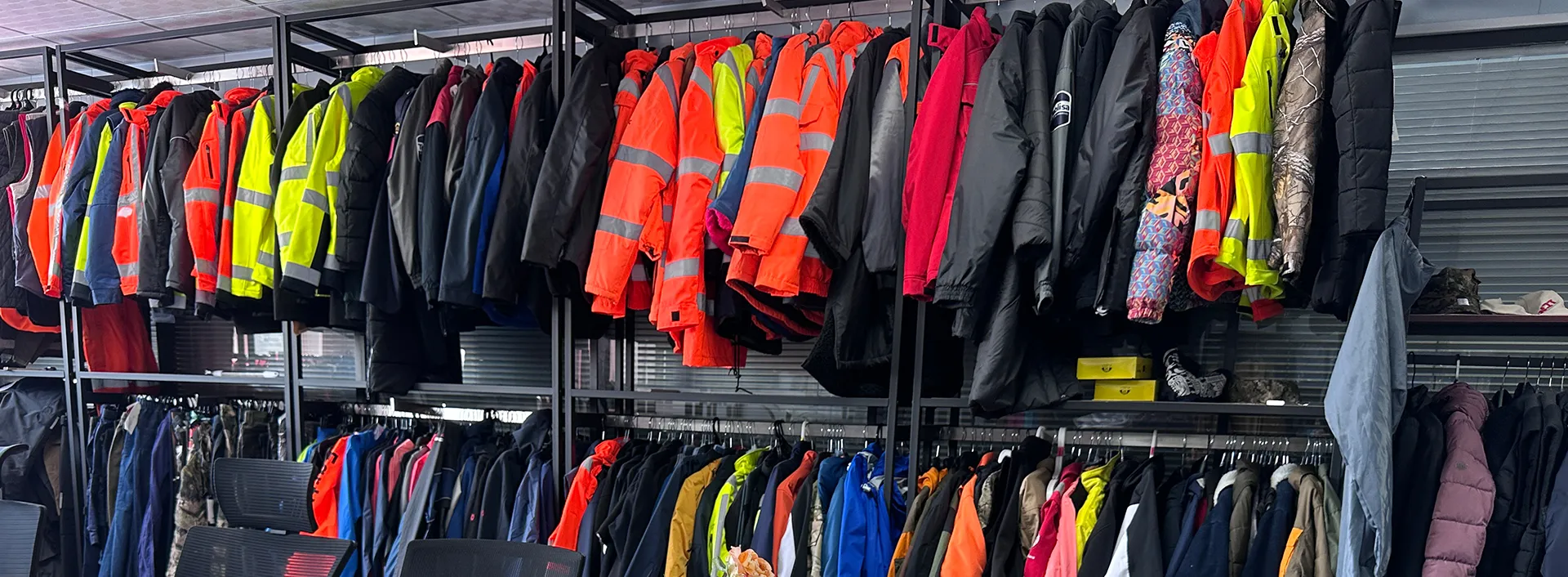
High-visibility colors, reflective strips, and pockets for radios or tools are standard for work environments demanding both protection and quick visual identification.
6. Sustainability
Recently an emerging factor as brands explore recycled materials and eco-friendly manufacturing processes—an important nod to global climate commitments.
Mini takeaway: A waterproof work jacket is far more than a raincoat. It’s a sophisticated blend of technology and design that helps workers stay dry, safe, and comfortable under demanding conditions.
Where and How Waterproof Work Jackets Are Used Around the World
The utility of these jackets spans continents and sectors.
- Construction sites in rainy climates like the UK or Brazil depend heavily on durable waterproof jackets to maintain workflow during wet seasons.
- Oil and gas extractionin harsh northern climates>—think Alaska or Siberia—requires jackets with extreme cold resistance plus waterproofing.
- Emergency responders and humanitarian aid workers rely on waterproof gear to operate safely in flood zones or disaster-stricken areas.
- Agricultural workers in monsoon-affected regions of Southeast Asia benefit from jackets that are lightweight yet impervious to heavy rain.
Many organizations also equip volunteers and teams with waterproof jackets during harsh weather, proving their value beyond traditional industries.
Waterproof Work Jacket Specifications: What to Look for
| Feature | Typical Range | Why It Matters |
|---|---|---|
| Waterproof Rating (mm) | 10,000 - 20,000 mm | Higher values indicate better resistance against rainfall pressure. |
| Breathability (g/m²/24h) | 5,000 - 15,000 g/m²/24h | Measures moisture vapor permeability—key for comfort. |
| Material Type | Cordura®, Nylon, Polyester, Recycled fabrics | Determines durability, weight, and sustainability profile. |
| Seam Construction | Heat-taped or welded seams | Prevents leakage at vulnerable stitch points. |
| Safety Features | Reflective strips, hi-vis colors | Enhances worker detection in low light or bad weather. |
Comparing Top Vendors of Waterproof Work Jackets
| Vendor | Price Range | Material Focus | Sustainability | Best For |
|---|---|---|---|---|
| AlphaGear | $150 - $300 | Cordura® and recycled polyester | 50% recycled content | Construction, outdoor workers |
| StormTech | $180 - $350 | Nylon with proprietary PU coating | Limited (non-recycled) | Oil & gas, heavy industry |
| EcoWear Co. | $200 - $400 | 100% recycled polyester | High (certified eco-standard) | Environmentally conscious outfits |
Why Investing in a Waterproof Work Jacket Pays Dividends
Buyers often focus on sticker price but overlook the ripple effects over time. A high-quality waterproof work jacket:
- Reduces sick days by preventing exposure-related illnesses.
- Boosts worker morale and efficiency—nothing like staying dry and comfortable when trudging through a downpour.
- May comply with or exceed rigorous industry safety standards (like ISO 20471 for hi-vis wear).
- Supports sustainability goals by utilizing recycled or sustainably sourced materials, which is increasingly important for global brands.
- Can last for years when well-maintained, unlike cheap alternatives that quickly fail under stress.
Personally, I’ve noticed that teams outfitted with better gear tend to trust their employers more — something hard to quantify but crucial for retention and safety culture.
What’s on the Horizon for Waterproof Work Jackets?
Tech advancements keep arriving at a good clip. I’m particularly looking forward to:
- Bio-based waterproof membranes as a replacement for traditional fluoropolymers to reduce environmental impact.
- Integration of smart textiles that offer temperature regulation or even health monitoring.
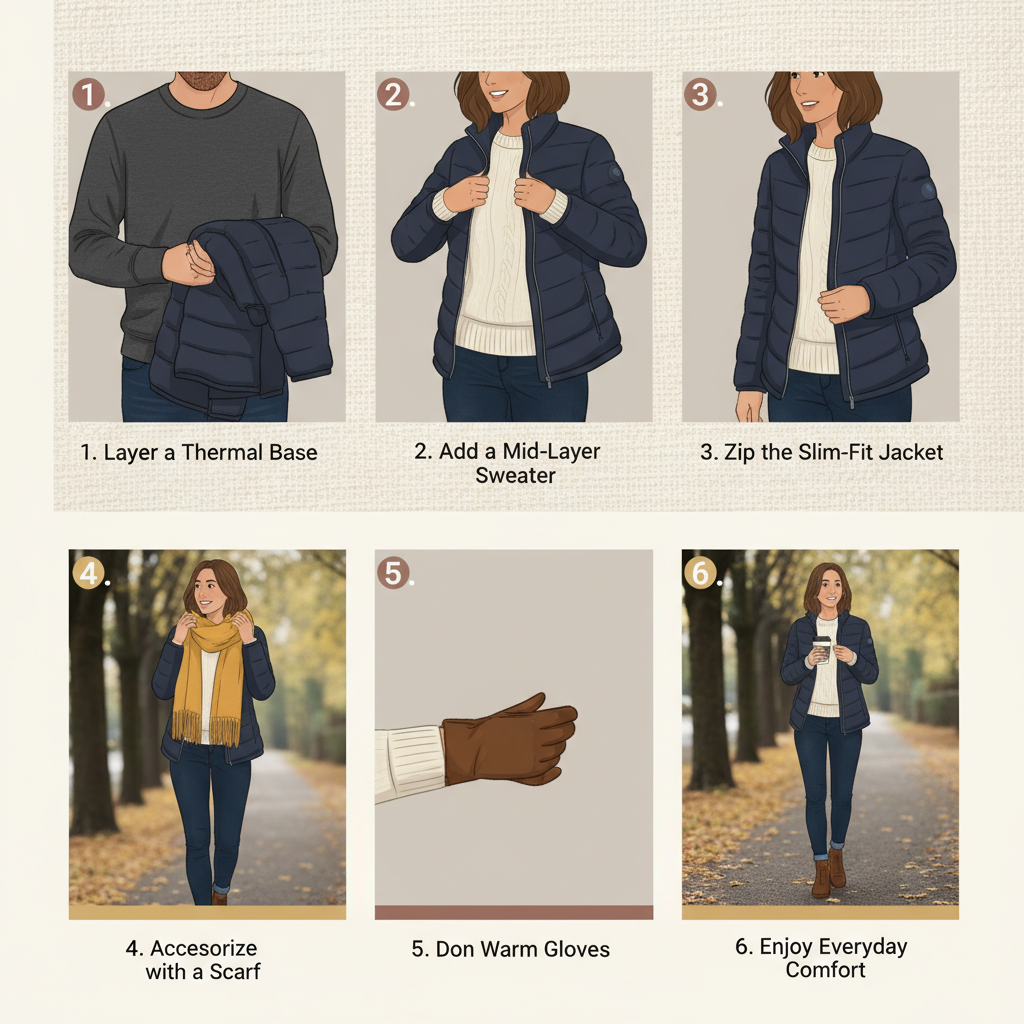
- More modular designs, allowing workers to adapt layers as weather changes during shifts.
- Wider adoption of circular economy principles, where jackets can be returned, refurbished, and recycled.
The industry is by no means standing still — the next-gen waterproof work jacket might be lighter, smarter, and greener.
Common Challenges and How the Industry Tackles Them
It’s not all rainbows. Waterproof jackets can sometimes feel heavy or lack breathability, which ironically leads to discomfort from sweat accumulation. To combat this, manufacturers employ advanced membranes and ventilation zippers.
Another issue is cost — often a barrier for smaller contractors or emergency responders. Solutions include scaling production, using blended fabrics for durability and reduced price, and even rental or leasing programs.
Ironically, in some extreme industrial settings, finding gear that fits all body shapes comfortably is also tough. Custom sizing or adjustable fits help remedy that.
Frequently Asked Questions About Waterproof Work Jackets
Q1: How do I choose the best waterproof rating for my work jacket?
A: Consider your typical weather. For light rain, a 5,000-10,000 mm waterproof rating suffices. But for heavy rain or immersion risks, look for jackets rated 15,000 mm or higher. Remember, the rating corresponds to water column pressure the fabric withstands before leaking.
Q2: Can waterproof jackets be machine washed without losing protection?
A: Yes, but follow manufacturer instructions carefully. Use gentle detergents designed for waterproof garments, avoid fabric softeners, and reapply durable water repellent (DWR) coatings periodically to restore water-shedding capacity.
Q3: Are recycled materials as effective as traditional fabrics in waterproof jackets?
A: Modern recycled fabrics can perform comparably, especially when combined with high-tech waterproof membranes. Brands like EcoWear Co. demonstrate that sustainability doesn’t mean sacrificing durability or function.
Q4: How important are seam-sealed jackets?
A: Absolutely critical if you expect prolonged exposure to heavy rain. Seams are weak points, and sealed seams prevent water seepage, enhancing overall waterproofing.
Q5: Where can I find reliable waterproof work jackets online?
A: Many vendors specialize in quality industrial gear; check vendors like AlphaGear or StormTech. For customized options, consult direct manufacturers or distributors. Also, explore waterproof work jacket options from trusted retailers.
Wrapping It Up: Staying Dry, Safe, and Ahead of the Weather
The long-term benefits of selecting the right waterproof work jacket can’t be overstated. It’s not just about staying dry – it’s about sustaining productivity, protecting health, and reinforcing trust between workers and employers. As climate challenges mount and industrial demands evolve, these jackets become frontline essentials, deserving your attention and investment.
Interested? Take a look at the latest waterproof work jackets on offer at Pullytrade — the perfect place to start your search for reliable, durable, and sustainable workwear.