
Apr 16, 2026
12.14 / 2025
Durable and Reliable Waterproof Jacket Workwear for Every Industry | PullyTrade
Why Waterproof Jacket Workwear Matters in Today's Global Landscape
It’s easy to overlook something as seemingly simple as a waterproof jacket — until you find yourself drenched in an unexpected downpour, holding tools in a construction zone or navigating rough terrain during a relief mission. That’s precisely where waterproof jacket workwear comes into play. This specialized clothing isn’t just for comfort. Across industries, from humanitarian aid to heavy manufacturing, having reliable, durable waterproof gear can mean the difference between safety and serious risk — protecting workers from hypothermia, dirt, and damage to expensive equipment.
Globally, the demand for reliable outdoor workwear is growing sharply, driven by climate unpredictability and expanding infrastructure projects in harsh environments. According to ISO standards on personal protective equipment (PPE), garments like waterproof jackets form a cornerstone of occupational safety worldwide. Understanding this kind of workwear goes beyond buying a jacket — it’s about delivering real value to workers’ safety, productivity, and ultimately global health outcomes.
Mini Takeaway: Waterproof jacket workwear is essential not just for comfort, but for safety and efficiency in industries facing wet, cold, or hazardous conditions worldwide.
What's the Deal with Waterproof Jacket Workwear?
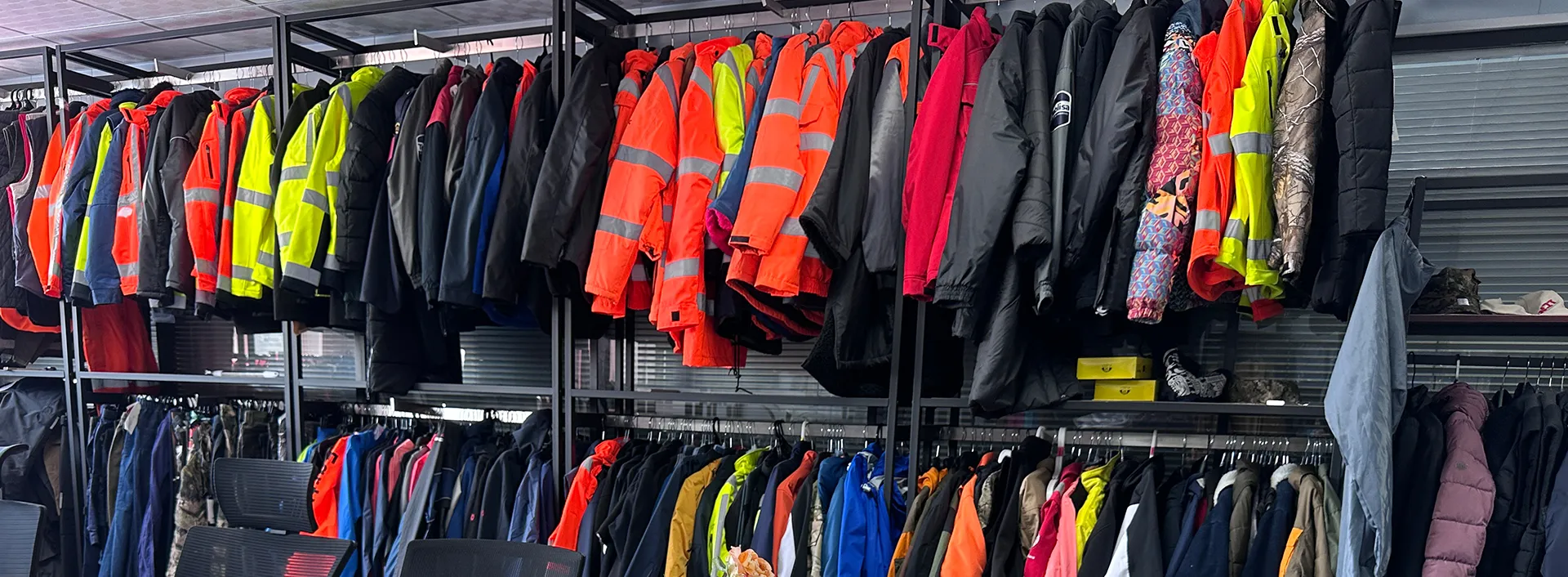
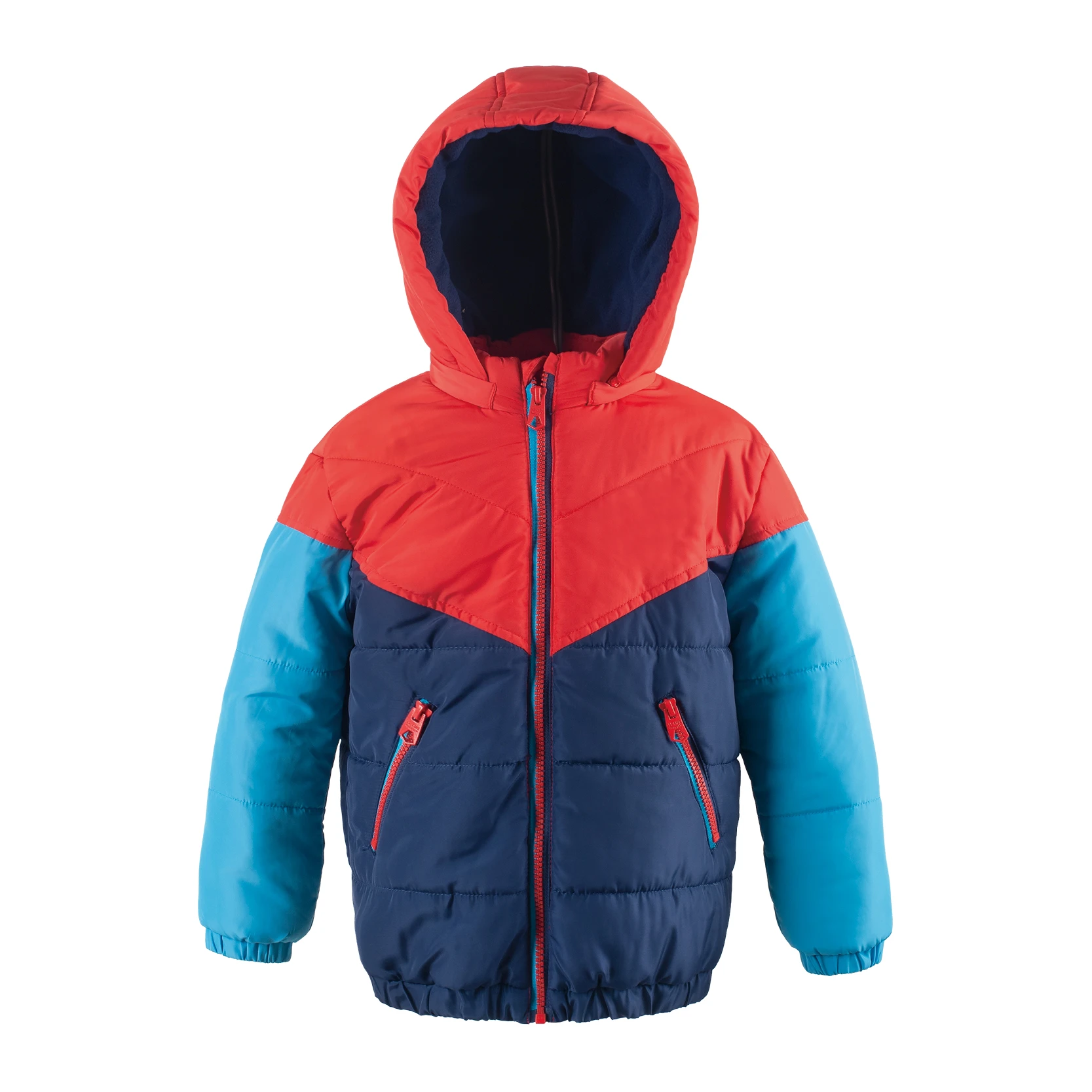
In simple terms, waterproof jacket workwear refers to rugged outerwear designed specifically to keep wearers dry while they perform physical tasks outdoors or in wet, hazardous conditions. But it’s not just about staying dry — these jackets often integrate features like reinforced seams, breathable fabrics, high-visibility colors, and pockets for tools.
Industries from construction to emergency response rely on this gear to ensure workers stay protected against environmental elements. For example, NGOs deploying teams in flood zones need gear that won’t weigh down rescuers, yet can withstand hours of torrential rain — often in remote settings without change facilities.
Core Features That Make Waterproof Work Jackets Tick
Durability
These jackets face a lot: abrasions against heavy equipment, chemical exposures, and constant flexing. Fabrics like ripstop nylon with PU coatings are common, marrying toughness with flexibility.
Waterproofing Technology
Today’s jackets use membrane technologies like Gore-Tex or proprietary laminates to create an impermeable barrier while letting moisture vapor escape — no sweaty discomfort, but zero leaks.
Breathability and Comfort
It’s not enough to seal out rain. Workers move, sweat, and need to stay cool. Designs with venting zippers and moisture-wicking layers answer this.
Visibility & Safety
High-vis reflective strips and bright colors tether safety with design — particularly on busy sites or poor-light conditions.
Functionality
Multiple pockets, adjustable hoods, reinforced cuffs, and compatibility with gloves make these jackets practical day-to-day.
Cost Efficiency
While top-tier jackets can seem pricey upfront, many companies find the long-lasting nature and reducing illness/injury downtime saves money.
Mini Takeaway: Waterproof jacket workwear isn’t just one feature; it's the perfect storm of durability, waterproofing, comfort, safety, and cost-sense.
Where Waterproof Jacket Workwear Really Comes to Life
From the Arctic oil fields to tropical logging camps, the applications vary — but the need is universal.
- Construction and Infrastructure: In cold, wet climates, these jackets allow workers to keep building without downtime caused by weather.
- Disaster Relief: NGOs and armed forces use waterproof jacket workwear to maintain mobility and safety in flood, hurricane, or tsunami aftermaths — often where changing or cleaning clothes isn’t an option.
- Mining and Heavy Industry: Harsh underground environments, chemical exposures, and wet surfaces demand super-reliable wear.
- Logistics & Delivery: Urban couriers braving winter rainstorms count on lightweight but tough waterproof workwear.
For instance, during the 2022 Southeast Asia floods, local NGOs supplied volunteers with waterproof jackets featuring breathable membranes and reflective tape — a detail that helped keep operations safe through weeks of relentless rain.
Product Specification Highlights
| Feature | Typical Specification |
|---|---|
| Material | Ripstop Nylon with PU coating or Gore-Tex membrane |
| Waterproof Rating | 10,000 mm H₂O or higher |
| Breathability | 5,000-10,000 g/m²/24hr |
| Safety Features | Reflective strips, high-vis coloring |
| Weight | 600-900 grams |
| Sizes | S to 3XL, custom tailoring available |
How Leading Vendors Stack Up
| Vendor | Waterproof Tech | Price Range | Ideal Use |
|---|---|---|---|
| PullyTrade | Proprietary PU laminated fabric | $$ | Construction, Logistics, Relief |
| StormForge | Gore-Tex Active membrane | $$$ | Extreme Weather & Industrial |
| EcoGuard | Recycled polyester with TPU coating | $ - $$ | Light Industry & Green Building |
Why Investing in Quality Waterproof Jacket Workwear Pays Off
In the short run, a waterproof jacket feels like a "nice-to-have." But ask any engineer or field operator who’s spent hours in the rain, and they’ll testify this kind of gear is a productivity booster and health safeguard. It reduces absenteeism by preventing cold-related illnesses, and it makes workers feel valued — a crucial emotional ingredient for morale on tough job sites.
Plus, with sustainability becoming a pressing concern, many brands innovate by using recycled fabrics and non-toxic waterproofing methods, balancing duty to workers and planet.
Peeking Ahead: What’s Next for Waterproof Jacket Workwear?
Some intriguing trends include:
- Eco-friendly Materials: Biodegradable PU coatings and recycled fibers getting better and more affordable.
- Smart Textiles: Embedded sensors to monitor temperature, humidity, and worker location.
- Modular Design: Jackets that adapt by adding layers or switching out shells depending on conditions.
- Digital Supply Chain: More customization via online platforms for enterprises ordering in volume.
It's a creative space where tech meets tradition — a bit like watching raincoat evolution in realtime.
Common Hurdles & How the Industry Tackles Them
Waterproof jackets sometimes face tricky issues — like balancing breathability with sealing out water, or fitting diverse body types without driving up cost. Quality control can be another bottleneck; a few faulty seams and you lose trust fast.
Innovations in seam taping, new laminates, and stricter ISO certifications are helping. Vendor partnerships with workplace safety agencies make compliance less painful, too.
FAQ: Waterproof Jacket Workwear Essentials
- How do I choose the right waterproof jacket for intense outdoor labor?
- Look for high waterproof ratings (10,000 mm or more), breathable membranes, reinforced stress areas, and practical features like adjustable hoods and pockets. Also, check for industry certifications like EN 343 (ISO 15384).
- Are waterproof jacket workwear options eco-friendly?
- Increasingly yes. Many brands are using recycled fabrics and PFC-free waterproofing treatments. These reduce environmental impact without compromising protection.
- How do I maintain and clean waterproof work jackets?
- Follow manufacturer instructions carefully. Usually, use mild detergents, avoid fabric softeners, and reapply waterproofing spray after several washes to restore effectiveness.
- Can waterproof jackets be tailored for different industries?
- Absolutely. From added chemical resistance for labs to extra padding for mining, customization is common and can be coordinated with manufacturers or suppliers.
Wrapping It Up: Stay Dry, Stay Safe, Keep Working
Ultimately, waterproof jacket workwear isn’t just about battling rain. It’s a key tool in the arsenal to keep workers globally safe, comfortable, and productive in the unpredictable. Manufacturers have come a long way merging technology, human factors, and sustainability into their products. If you’re sourcing for your team or organization, checking out specialized suppliers like PullyTrade waterproof jacket workwear might be your first smart move. Why settle for soggy, slow days?
After all, the right jacket doesn’t just block water. It supports a global workforce that builds, saves, and powers the world — rain or shine.
Mini Takeaway: Waterproof workwear is a vital blend of safety, comfort, and innovation — invest wisely to keep your workforce thriving, whatever the weather throws at them.