
Apr 16, 2026
11.26 / 2025
The Essential Guide to Choosing a Coat for Construction Workers – Safety, Comfort & Durability
Why a Quality Coat for Construction Workers Matters Globally
When you think about a coat for construction workers, it’s easy to overlook how crucial this simple garment actually is in the grand scheme of global work safety and efficiency. Around the world, construction workers face unpredictable weather, hazardous environments, and long hours outdoors. The right coat not only protects them from the elements but also contributes to their safety and overall productivity on site.
Considering that construction employs over 7% of the global workforce — according to the International Labour Organization — the widespread adoption and understanding of proper protective jackets are key to reducing accidents, improving health outcomes, and supporting millions of laborers worldwide. Plus, as climates become more extreme in many regions, the demand for durable, weatherproof workwear just keeps going up.
Takeaway: A sturdy, well-designed construction coat is far more than a piece of clothing—it’s a vital piece of global labor infrastructure that impacts safety, comfort, and efficiency.
Understanding the Construction Worker’s Coat: What Is It Exactly?
Simply put, a coat for construction workers is a specialized outerwear designed to shield workers from cold, wind, rain, and sometimes hazardous materials encountered on site. Think of it as the frontline armor in harsh, outdoor labor scenarios. Modern coats integrate materials that combine warmth, breathability, durability, and often high-visibility features to meet strict occupational safety standards.
Beyond mere protection, these coats represent a bridge between industrial demands and humanitarian needs—helping workers endure sometimes unforgiving conditions while maintaining dignity and promoting safety.
Key Features of Construction Worker Coats
1. Durability
These coats aren’t your average off-the-rack jackets. They must hold up against rough surfaces, chemicals, and frequent wear and tear. Fabrics like ripstop nylon or heavy-duty polyester blends often get the nod here. Reinforced stitching and abrasion-resistant panels add to longevity, ensuring the coat lasts through long projects without falling apart.
2. Weather Resistance
Most construction work happens outside, rain or shine — and often snow or ice. So, waterproof and windproof treatments, combined with breathable membranes like Gore-Tex, keep workers dry and comfortable. Insulation layers, sometimes using lightweight synthetics or down alternatives, provide warmth without bulkiness.
3. Safety & Visibility
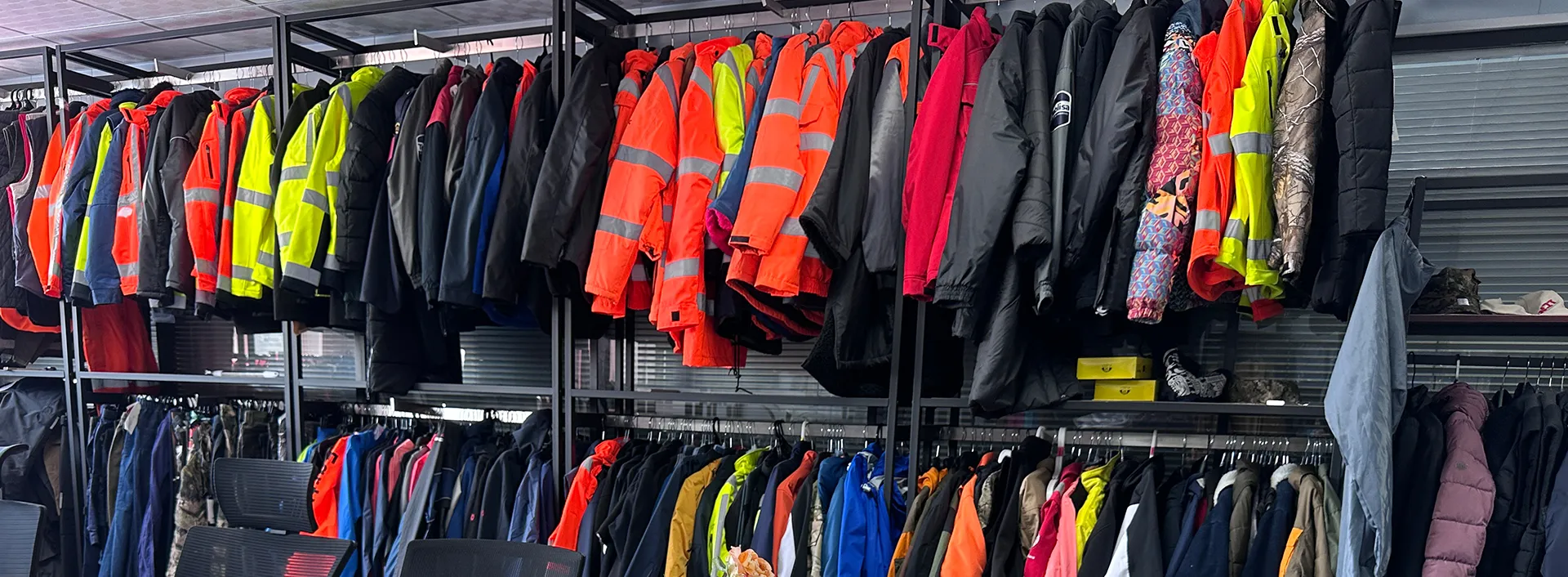
High-visibility colors (orange, neon yellow) and reflective strips are non-negotiable on many sites for accident prevention — particularly near heavy machinery or during low-light hours. Coat designers carefully balance visibility without compromising breathability or mobility.
4. Comfort & Mobility
No one wants to feel trapped in stiff apparel all day. Soft linings, adjustable cuffs, and ergonomic cuts mean workers can move freely, lift tools, and climb scaffolding without hassle.
5. Additional Features
- Multiple pockets for tools and personal items
- Detachable hoods for versatility
- Reinforced elbows and shoulders
- Compatibility with harnesses and other safety gear
Quick Summary: The perfect coat is a cocktail of durable fabric, weather protection, safety features, and wearer comfort, all tailored to the gritty demands of construction life.
Global Use Cases: Who’s Wearing These Coats and Why?
From the skyscraper sites in Shanghai to infrastructure projects across Sub-Saharan Africa, coats for construction workers show up in varied forms, adapted for local climates and risks. For example, in Nordic countries, insulated coats with thermal linings are essential during brutal winters, often paired with flame-retardant layers for steelworkers.
Humanitarian efforts, especially post-disaster reconstruction, also rely heavily on protective outerwear. After earthquakes or floods, rapid deployment of essential gear—including coats—ensures worker safety amid unstable conditions. NGOs like the International Federation of Red Cross use such coats extensively in their rebuilding projects.
And in more temperate zones, lightweight yet weather-resistant coats help workers stay dry during frequent rainstorms and chilly mornings, keeping projects on schedule and workers healthier.
Specifications at a Glance: Typical Features of a Construction Worker’s Coat
| Feature | Description |
|---|---|
| Material | Ripstop nylon, polyester blends, Gore-Tex membranes |
| Waterproof Rating | 10,000 mm or higher |
| Insulation | Synthetic or down alternatives, 150-250 g/m² fill weight |
| Visibility | ANSI/ISO-compliant reflective tape and bright colors |
| Weight | 1.2–2.0 kg depending on insulation |
| Additional Features | Multiple tool pockets, adjustable cuffs, detachable hood |
A Look at Leading Vendors of Construction Worker Coats
| Vendor | Price Range | Warranty | Innovative Features |
|---|---|---|---|
| ProGear Workwear | $120 - $220 | 2 years | Thermal reflective lining, water repellent finish |
| BuildSafe Jackets | $150 - $280 | 3 years | Nano-fiber fabric, reinforced elbows |
| WorkerPro Gear | $100 - $200 | 1 year | Breathable mesh panels, detachable hoods |
The Tangible Advantages and Long-Term Value of Quality Work Coats
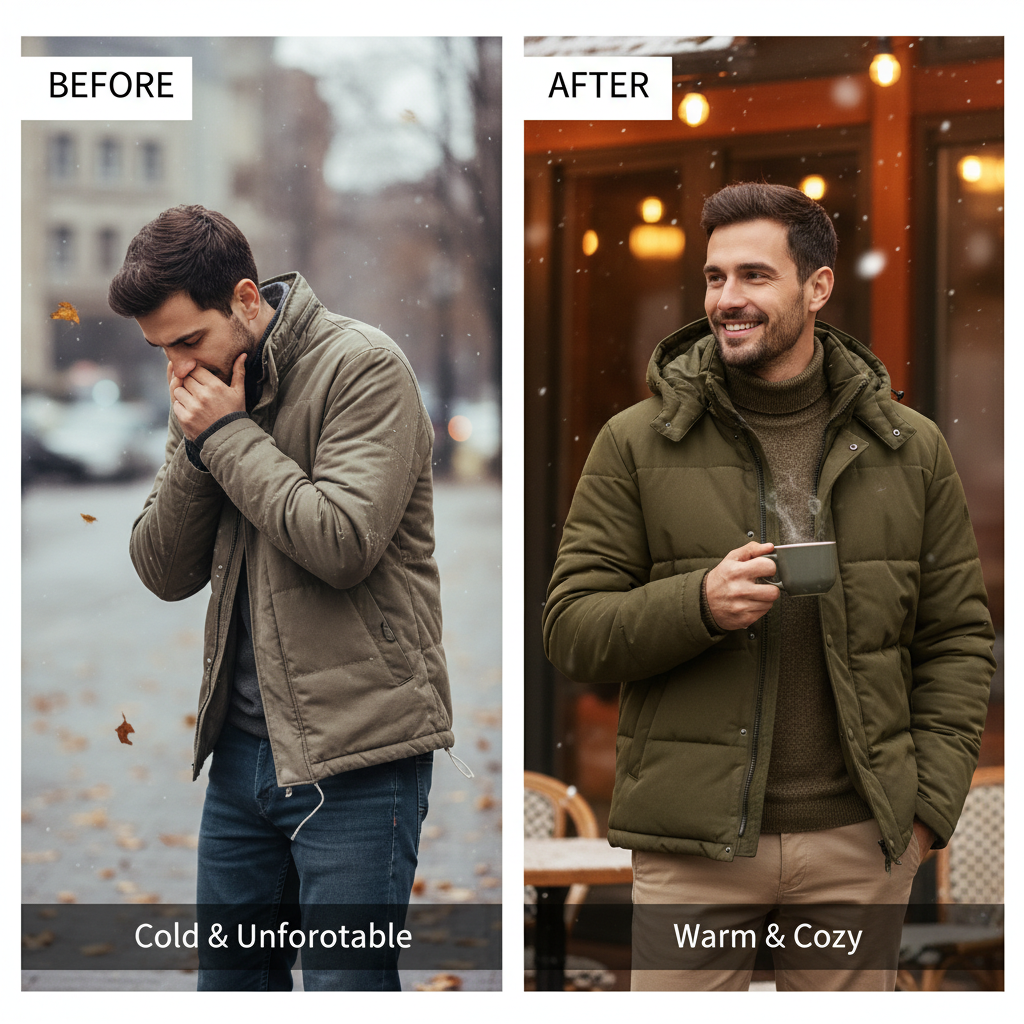
Choices matter. Investing in a robust coat for construction workers isn’t just about immediate warmth or dryness. It translates into lower health risks — fewer colds, less exposure to harmful elements — and fewer work stoppages due to illness. Plus, it boosts worker morale; there’s something deeply reassuring about a dependable coat on a long, bleak winter morning.
From a sustainability perspective, durable clothing reduces waste and replacement costs. Socially, these garments embody respect and recognition for workers’ hard, often dangerous labor. In the end, it’s about safety, trust, and the dignity of the workforce.
Where Next? Trends and Innovations on the Horizon
Interestingly, the workwear industry is becoming more tech-savvy by the day. Smart textiles embedded with sensors can now monitor worker vitals or environmental hazards. Fabrics made from recycled ocean plastics are gaining traction, combining sustainability with performance. Even AR-ready coats — think embedded QR codes or pockets designed for smart devices — are entering conversations.
Policy-wise, several governments and ISO committees push for higher standards in PPE (personal protective equipment), ensuring that coats aren’t just comfortable but meet strict safety and environmental rules.
Common Challenges & How Experts Solve Them
Despite advances, challenges remain. For example, balancing waterproofing with breathability is a classic headache. Some coats can leave workers sweaty and uncomfortable, ironically reducing their effectiveness. Emerging membrane fabrics and ventilation designs appear promising to tackle this.
Cost is another sticking point, especially in developing economies where expensive gear isn’t always feasible. NGO programs and government subsidies often support distribution, but affordable, quality options remain an ongoing need.
Fit and sizing are surprisingly complex too. Poorly fitted coats can restrict movement or leave gaps — leading to exposure and accidents. Vendors increasingly use adjustable designs and user feedback to refine sizing standards.
Frequently Asked Questions About Coats for Construction Workers
- What features should I prioritize when buying a coat for construction workers?
- Look for durability, waterproofing, breathability, visibility, and comfortable mobility. Pockets and adjustable features add practical value too.
- How long does a typical construction coat last under heavy use?
- Generally, a quality coat can last 2–3 years, depending on frequency of use and conditions. Reinforced fabrics help extend lifespan.
- Are high-visibility coats really necessary on all construction sites?
- Yes, especially where machinery operates or during low-light hours. Visibility gear significantly reduces workplace accidents.
- Can these coats be customized for different climates?
- Absolutely. Vendors offer varying insulation options for warm or cold climates, and modular layers allow users to adapt as needed.
- Where can I find affordable, quality coats for large workforces?
- Consider buying in bulk from trusted vendors or exploring NGO-led procurement programs that support safety gear distribution.
Wrapping Up: The Enduring Importance of the Construction Worker’s Coat
When you zoom out, it’s clear that the humble coat for construction workers is a cornerstone of safety, productivity, and dignity worldwide. Its impact ripples through industry sectors, climates, and economies. For anyone invested in worker welfare or construction efficiency, investing thought, research, and resources into these coats is just smart—and humane.
Ready to explore our curated selection of durable, tested coats designed with workers in mind? Visit us at https://www.pullytrade.com to find your perfect fit.
References: