
Apr 16, 2026
11.26 / 2025
Durable, Safe, and Comfortable Construction Work Jackets | PullyTrade
Understanding Construction Work Jackets: Why They Matter Worldwide
Construction work jackets might sound like a niche apparel choice, but their global significance stretches far beyond just looking sharp onsite. Whether it’s the blistering cold of Scandinavian winters or the sweltering heat amid Middle Eastern deserts, these jackets act as frontline gear for worker protection, comfort, and sometimes even identity.
In a world increasingly focused on safety standards and sustainability, knowing the ins and outs of construction work jackets helps companies, workers, and distributors alike to select gear that not only protects but also lasts, reduces waste, and adapts to ever-changing global job site demands. So, why should we care? Simply put, quality jackets reduce injuries, boost productivity, and contribute to an industry still striving for better working conditions everywhere.
The Global Context of Construction Work Jackets
Construction is one of the largest employment sectors globally, with the International Labour Organization estimating over 7% of the world's workforce engaged in construction or related jobs. These workers are exposed to elements—rain, cold, wind, sun—and hazards that demand specialized gear. Safety equipment standards, such as ISO 20471 for high-visibility clothing, underline the importance of protective outerwear on sites.
Yet challenges remain. Construction sites in developing countries often lack access to reliable, affordable workwear, causing safety risks and inefficiency. As urbanization accelerates—according to the UN, 68% of the world’s population will live in cities by 2050—the demand for durable construction clothing like work jackets will rise exponentially.
Mini Takeaway:
Construction work jackets aren't just about comfort—they’re essential worldwide, tied closely to worker safety, evolving regulations, and increasing urban workforces.
What Exactly Are Construction Work Jackets?
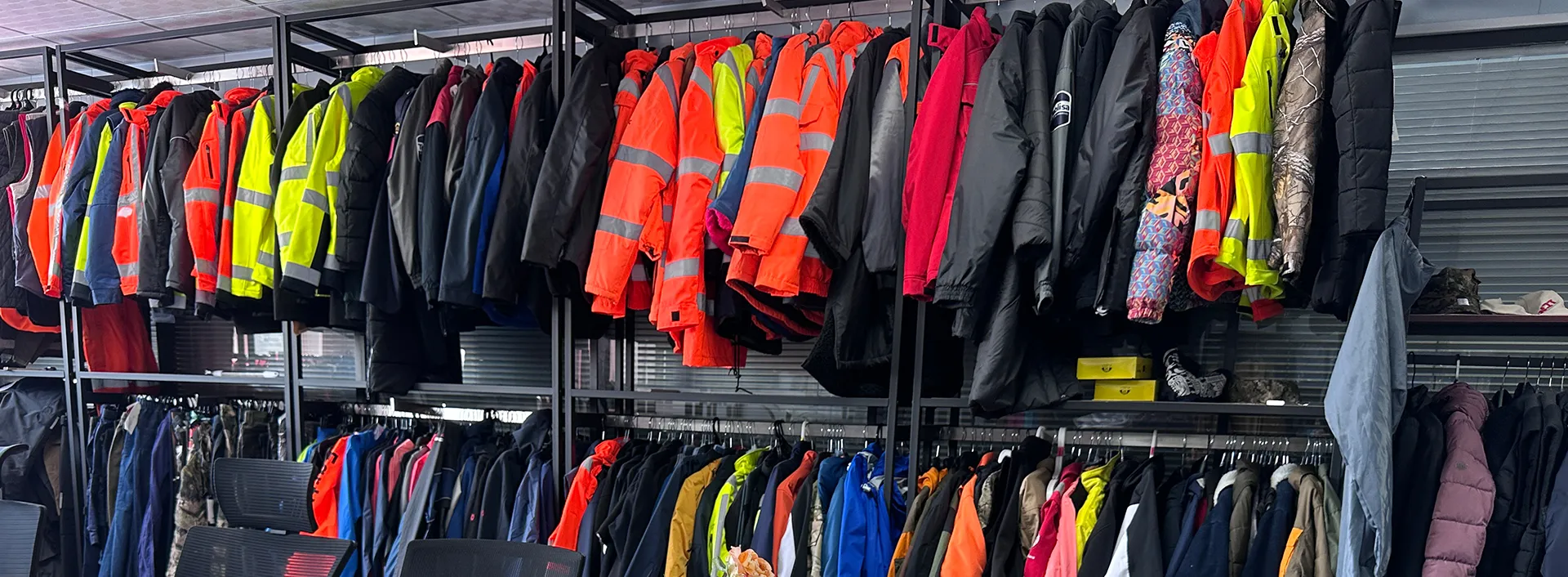
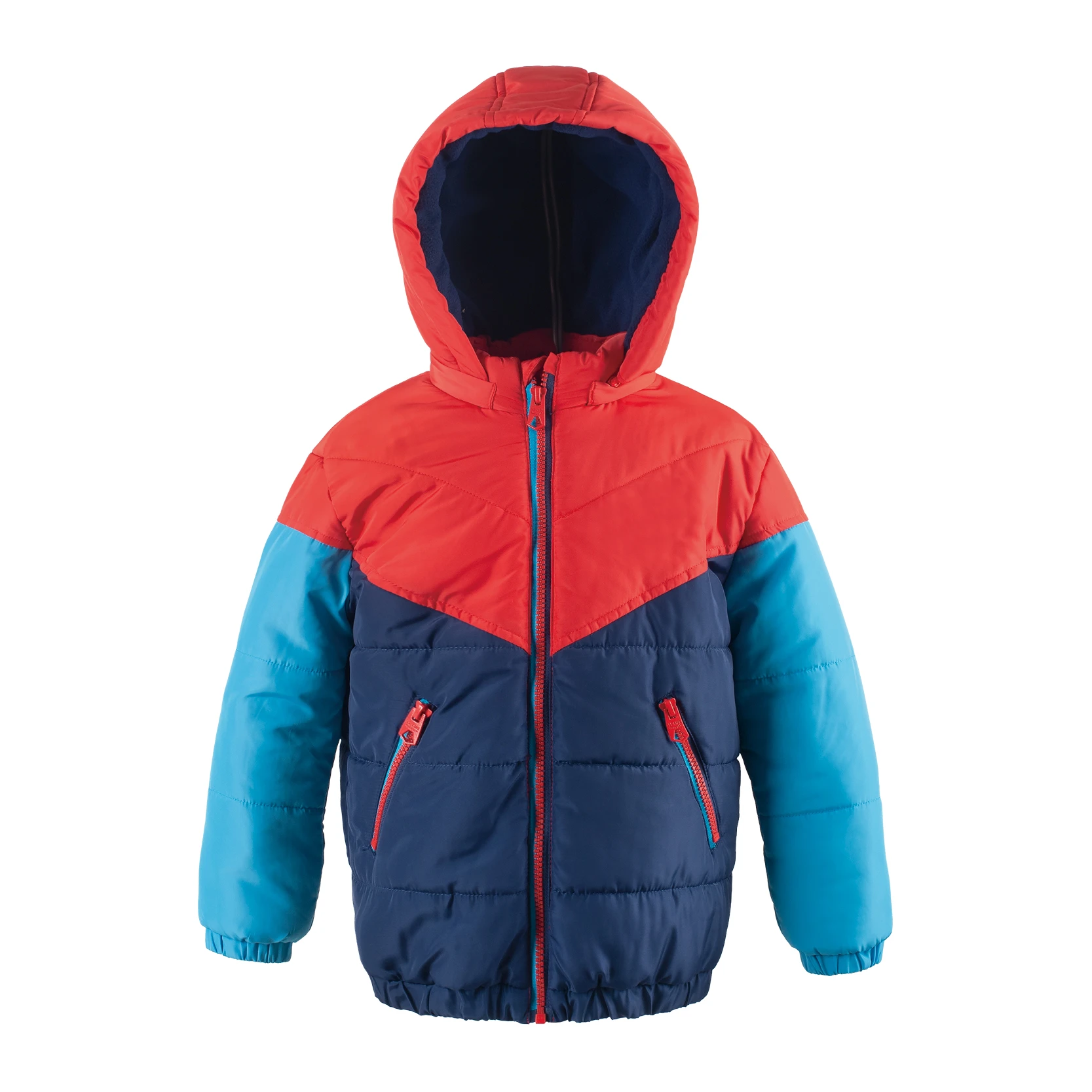
Simply put, a construction work jacket is a heavy-duty garment designed to protect laborers from environmental and occupational hazards on construction sites. These jackets blend rugged fabrics with smart design elements such as reflective strips, insulation, and waterproofing. Their existence is intertwined with the modern imperative to minimize workplace injuries and maintain productivity despite harsh external conditions.
In humanitarian contexts too, such jackets are crucial, as relief workers often function in unpredictable climates. From cold shelters to disaster rebuilding sites, the right construction work jacket ensures not just warmth but also visibility and sometimes, even morale.
Core Components of Construction Work Jackets
Durability
Materials such as heavy-duty polyester blends, Cordura, or reinforced canvas ensure that jackets survive abrasion, snagging, and general wear-and-tear. After all, you’re not going to replace a jacket every couple of weeks if you’re on a months-long project.
Visibility
Many jackets incorporate bold neon colors and reflective stripes — essential for those working near heavy machinery or low-light conditions, improving safety drastically.
Weather Protection
Waterproof and windproof membranes combined with breathable inner linings keep workers dry and comfortable. Advances like Gore-Tex have been game-changers alongside more affordable tech fabrics.
Comfort and Fit
Flexible cuts, adjustable cuffs, and multi-pocket designs allow for mobility and tool access, connecting practical workflow needs with wearer satisfaction.
Insulation
Depending on climate, insulation ranges from synthetic fibers for cold-weather sites to lighter layers for mild conditions.
Spec Sheet: Popular Construction Work Jacket Features
| Feature | Typical Materials | Purpose/Benefit |
|---|---|---|
| Outer Shell | Polyester, Nylon, Cordura | Abrasion resistant, water repellent |
| Insulation | Polyfill, Fleece, Thinsulate | Warmth without weight |
| Visibility Elements | Reflective Tape, Fluorescent Fabrics | Improved worker visibility in low light |
| Lining | Mesh, Polyester | Comfort, moisture wicking |
| Waterproofing | Laminates, PU coatings | Protection from rain, snow |
Mini Takeaway:
The best construction jackets balance protection, comfort, and durability — something both field managers and workers appreciate.
Global Use Cases for Construction Work Jackets
From the frigid mountains of Canada to the humid monsoon regions of Southeast Asia, construction work jackets are adapted to suit various climates and construction modes. In Europe’s infrastructure boom, high-visibility materials are legally mandated, while in Africa’s rapid urban development zones, lightweight and affordable options are preferred.
NGOs engaged in disaster relief often supply durable construction jackets to their teams to allow them to work safely in unpredictable environments. Likewise, remote industrial operations — think mining or oil drilling — rely heavily on these jackets due to the extreme weather and logistics challenges.
On the commercial side, large construction firms incorporate these jackets into uniform programs to promote brand identity while underscoring safety compliance.
Vendor Comparison: Leading Construction Jacket Brands
| Brand | Durability Rating | Price Range | Key Features |
|---|---|---|---|
| PullyTrade Pro | 9/10 | $$$ | Waterproof, insulated, reflective striping |
| BuildSafe Classic | 8/10 | $$ | Breathable, lightweight, abrasion resistant |
| WorkMax Extreme | 10/10 | $$$$ | Heavy-duty waterproof, thermal insulation, custom sizing |
Advantages and Long-Term Benefits of Quality Construction Work Jackets
The value of a good construction jacket isn’t just in the initial protection. Over time, investing in high-quality jackets pays dividends in reduced injury rates, less downtime due to weather, and even enhanced worker morale. Workers feel safer and respected when given gear that meets real demands.
Sustainability is also an emerging benefit. Jackets made with recyclable fabrics or refillable insulation reduce landfill waste, a crucial consideration as construction industries globally work toward greener practices. And, let's be honest, a good jacket just makes the workday a bit easier—whether standing in the rain or battling snow, it helps maintain focus and productivity.
Looking Ahead: Innovations in Construction Work Jackets
The future’s pretty exciting here: embedded sensor tech to monitor worker vitals, solar-charging jackets powering communication devices, and advanced bio-based waterproof coatings that reduce reliance on plastics. Companies are experimenting with fabrics that self-heal minor tears or adjust insulation based on temperature, which could revolutionize comfort levels on sites.
Digital inventory management and customization ensure correct sizes and styles get to workers faster, minimizing waste and delays—crucial in fast-moving projects.
Challenges and Solutions in Construction Work Jacket Deployment
Of course, it’s not a perfect world. Cost remains a barrier for many smaller contractors and NGO projects — the trade-off between budget and quality is a real headache. Also, sizing can be inconsistent internationally, sometimes leaving workers with ill-fitting jackets that defeat the purpose.
Innovative leasing models, bulk procurement, and partnerships between manufacturers and relief agencies help mitigate this, alongside better international standards harmonization.
FAQ: Frequently Asked Questions About Construction Work Jackets
Q1: What should I look for when buying construction work jackets for cold climates?
A: Prioritize insulation type (synthetic wools like Thinsulate are great), waterproofing, and breathability. Adjustable features for layering and highly visible reflective elements are also key to safe working conditions.
Q2: Are construction work jackets customizable with logos or safety features?
A: Yes, many suppliers including construction work jackets vendors offer customization for branding, additional padding, or enhanced reflective tapes to meet client needs.
Q3: How long can quality construction jackets last under typical heavy use?
A: With good care, jackets can last several seasons (2-4 years), but actual longevity depends on material quality and frequency of use.
Q4: Can these jackets contribute to worker safety certification compliance?
A: Absolutely. Jackets designed to meet standards like ISO 20471 ensure high visibility and enhance overall site safety certifications.
Q5: Are there eco-friendly options available?
A: Yes, more manufacturers are incorporating recycled fabrics and sustainable treatments now, making greener choices accessible.
Wrapping Up: Why Investing in Construction Work Jackets Matters
At the end of the day, a smart purchase of construction work jackets feels a bit like investing in peace of mind. These jackets offer more than warmth — they embody progress in safety, sustainability, and worker dignity. For anyone managing construction projects or outfitting teams, the right jackets can change the game, site by site.
If you want to explore premium options that balance durability, comfort, and safety—you know where to go:
Visit our website to browse a range of top-tier construction work jackets designed for today’s demanding environments.