
Apr 16, 2026
11.26 / 2025
Durable & High-Quality Construction Rain Coats | Stay Dry & Safe On Site
Understanding the Construction Rain Coat: More Than Just a Waterproof Layer
If you’ve ever been caught on a building site during a downpour, you likely know the importance of a good construction rain coat. But beyond just keeping the rain off, these specialized coats are pivotal in ensuring safety, productivity, and durability on a global scale. Oddly enough, such a simple piece of gear intertwines technology, materials science, and industry standards in ways you might not expect. Knowing about construction rain coats isn’t just for workers or suppliers—it’s crucial for planners, safety officers, and even humanitarian agencies worldwide.
At its core, the construction rain coat serves as a shield, but understanding its global impact and evolving design benefits everyone involved in industrial sectors. So why does it matter? Consider that the construction industry roughly accounts for 6% of global GDP, according to World Bank figures, and that weather disruptions cause billions in delays annually. A reliable rain coat isn’t just equipment—it’s insurance against inefficiency.
Why Construction Rain Coats Matter Globally
The global construction industry is vast and varied, stretching from frigid northern climates to tropical monsoon regions. The United Nations notes that climate change has increased unpredictable weather patterns, directly impacting outdoor workers’ safety and output. Thus, the humble construction rain coat becomes a frontline defense.
Every year, thousands face health risks due to exposure to wet, cold conditions, leading to illness or premature job stoppage. Construction rain coats must not only be waterproof, but also durable, breathable, and compatible with the daily rigors of physically demanding work. The stakes are high—lost work days cost money, and poorly designed gear can mean injuries.
In short, understanding construction rain coats is vital because it touches on occupational health, environmental resistance, and economic resilience—especially as projects move into harsher climates or remote locations.
What Exactly Is a Construction Rain Coat?
A construction rain coat is a specialized garment crafted to protect construction workers from rain, wind, and sometimes hazardous materials encountered on site. Unlike typical rain jackets, these coats are rigorously tested to meet industry standards for durability, visibility, and comfort under extreme conditions.
Typically made from waterproof yet breathable fabrics like PVC-coated polyester or advanced polyurethane membranes, the rain coat keeps moisture out while allowing sweat vapor to escape. This detail is more important than many realize—trapping sweat can chill workers faster than rain does.
The connection to modern industry is direct: these coats enable continuous work regardless of weather, reduce potential downtime, and contribute to safer working environments. Meeting ISO safety certifications—or local equivalents—means these coats are more than rainwear; they are protective gear tailored for demanding industrial roles.
Core Features that Define a Great Construction Rain Coat
Durability
Construction rain coats have to survive abrasion against rough surfaces, chemical splashes, and repeated bending or kneeling. Many use reinforcements at stress points and toughened fabrics that don’t tear easily.
Waterproof & Breathability Balance
Simply being waterproof isn’t enough. The best coats balance keeping rain out with allowing sweat to evaporate—keeping workers comfortable and reducing the risk of hypothermia or heat stress.
Visibility & Safety Compliance
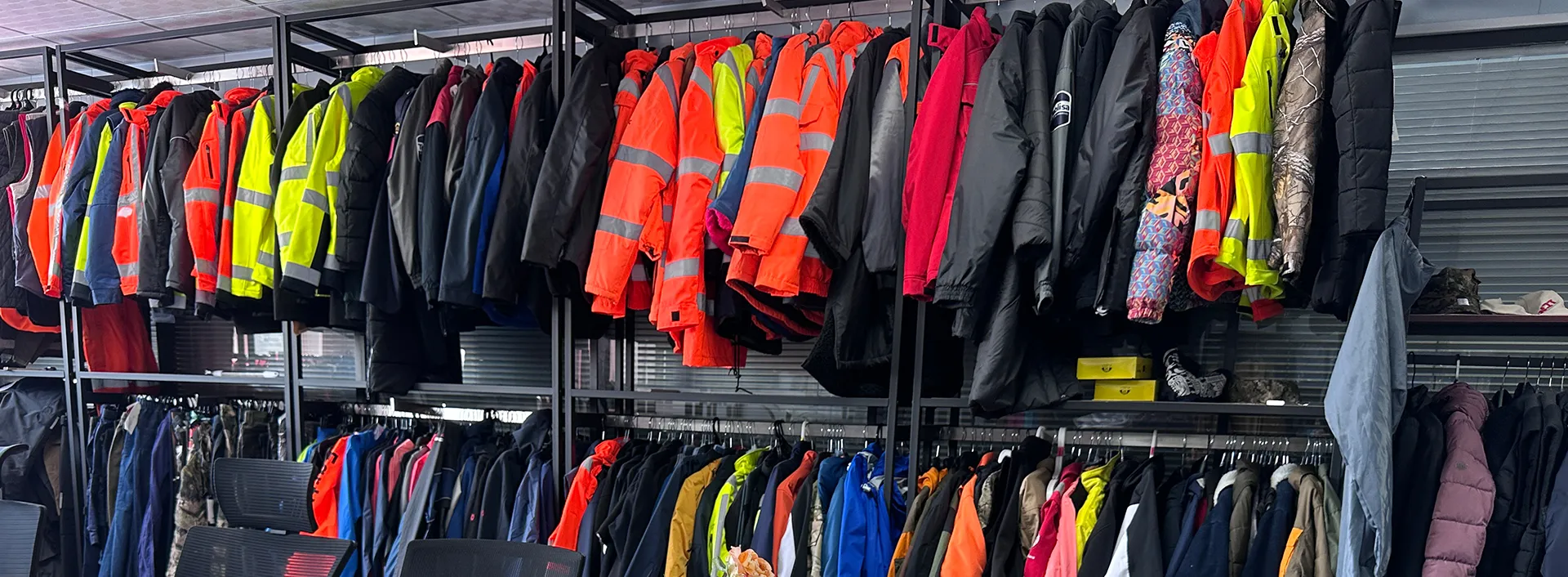
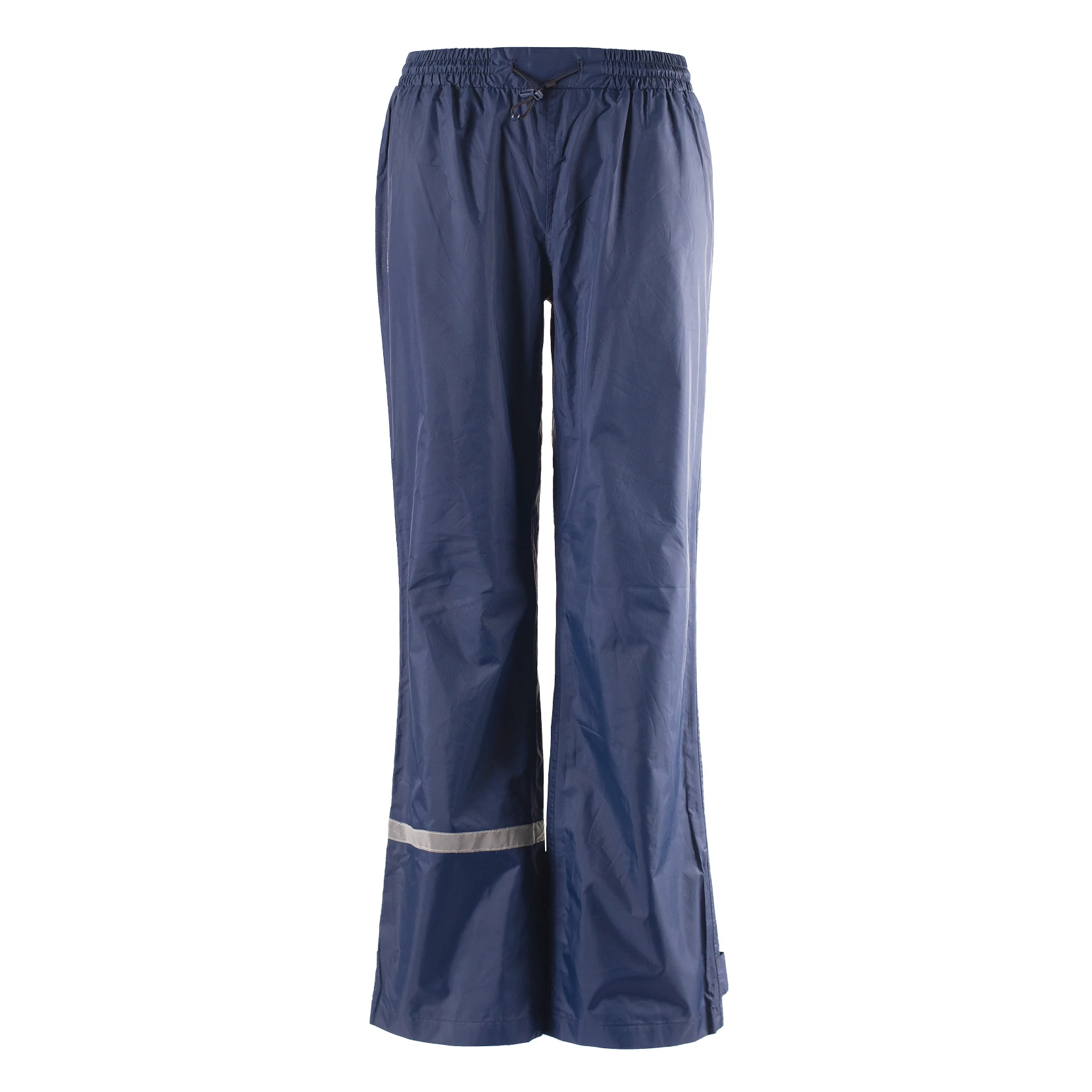
High-visibility colors and reflective strips help reduce accidents by making workers visible in low-light or foggy conditions.
Ergonomic Design
Adjustable cuffs, ventilation flaps, and roomy pockets ensure practical usability. After all, it has to fit over other gear and allow the freedom of movement.
Cost Efficiency
Buying large quantities means balancing upfront cost against lifespan and performance. The right coat minimizes replacements and associated downtime costs.
Mini Takeaway:
- A construction rain coat combines technical materials with design elements geared for safety, practicality, and comfort.
- Its value lies in durability, protection, and ergonomic features that support long shifts in challenging environments.
Where Are Construction Rain Coats Used Around The World?
From the cold steel mills of northern Europe to the booming infrastructure projects in Southeast Asia, construction rain coats are indispensable. In places like Canada and Scandinavia, they are engineered to withstand icy rain and reinforced winds. Meanwhile, monsoon-prone India and Bangladesh use lightweight but highly waterproof models that dry quickly in humid climates.
Humanitarian organizations, such as those responding to post-disaster rebuilding—think typhoon aftermaths or flood zones—equip workers with these coats to maintain workflow amid adverse weather. Mining companies in Australia and South America also rely on specialized variants featuring chemical-resistant coatings to protect against hazardous spills.
| Specification | Typical Value | Notes |
|---|---|---|
| Material | PVC-coated polyester or PU membrane | Waterproof & breathable |
| Water Resistance | Minimum 10,000 mm hydrostatic pressure | Meets EN 343 standards |
| Weight | 400–600 g/m² | Heavy duty but flexible |
| Visibility | Hi-Vis orange or yellow with reflective strips | ANSI/ISEA 107 compliant |
| Sizes | S to 5XL | Adjustable for layering |
Mini Takeaway:
The versatility of construction rain coats means they fit a broad spectrum of global climates and industrial demands, from cold northern construction sites to hot and wet tropical regions.
Advantages & Long-Term Value of Construction Rain Coats
Buying good quality construction rain coats pays off in multiple ways. Firstly, keeping workers dry and comfortable reduces absenteeism and improves morale—it’s a subtle but critical point. Secondly, durable coats reduce frequent replacements, which means less cost over time and less environmental waste.
From a social perspective, these coats uphold the dignity of workers. Nobody wants to show up soaked and shivering, and supply chain managers know that safety gear directly correlates with fewer accidents. Trust develops when workers feel protected—which oddly enough, increases productivity.
Looking Ahead: Trends and Innovations
The future of construction rain coats is bright—and maybe even a little high-tech. Recently, manufacturers have been experimenting with graphene-infused fabrics that are ultra-strong, lightweight, and super breathable. There’s also a push towards sustainable production, with recycled polyester and low-impact coatings replacing PVCs that have environmental drawbacks.
Digital transformation is trickling in too, with some companies prototyping coats embedded with sensors that track worker location, environmental hazards, or coat wear and tear. Automation in manufacturing allows for more customization at scale, tailoring fits to individuals or specific job roles.
Challenges & How Experts Address Them
One of the persistent challenges is balancing waterproofing with breathability. Too often, cheaper coats trap sweat, leading to discomfort or rash. Experts advocate layered solutions—combining a breathable base layer with a waterproof outer shell. Advanced membranes do exist, but costs are higher, and mass adoption takes time.
Another issue is fitting diverse worker sizes comfortably without compromising protection. Companies now offer modular sizing or adjustable features that address this, but it’s not perfect yet. There’s also the question of cost: high-end coats can strain budgets for smaller contractors.
Vendor Comparison: Leading Construction Rain Coats Providers
| Vendor | Price Range | Material & Features | Compliance | Customer Feedback |
|---|---|---|---|---|
| Techwear Industries | $45-$70 | Polyester-PVC, reflective, adjustable hoods | EN 343, ANSI/ISEA 107 | Very positive, praised for durability |
| SafeGear Solutions | $55-$90 | PU membranes, eco-friendly, ergonomic | ISO 20471, EN 343 | Highly rated for comfort and design |
| WorkSafe Apparel | $40-$65 | Cost-effective, basic reflective strips | Meets minimal EN standards | Mixed reviews on durability |
FAQs About Construction Rain Coats
Q: How often should a construction rain coat be replaced?
A: Typically, high-quality coats last 2 to 3 years with regular use, but signs like leaking seams, lost water resistance, or material wear mean it's time for replacement.
Q: Are construction rain coats breathable enough for high-intensity work?
A: Top-tier coats use membranes that allow sweat vapor to escape while blocking rain. Layering also helps manage moisture during heavy exertion.
Q: Can construction rain coats be customized for different industries?
A: Absolutely. Features like chemical resistance for mining or enhanced visibility for roadwork can be added based on specific requirements.
Q: What certifications should I look for when buying a construction rain coat?
Look for EN 343 (European standard for weather protection) or ANSI/ISEA 107 (US high-visibility standard). ISO 20471 is another relevant mark.
Conclusion: Staying Dry, Safe, and Productive With The Right Construction Rain Coat
The right construction rain coat is an unsung hero on job sites worldwide. It blends technology, safety, and comfort to keep workers productive and protected—rain or shine. As climate patterns shift and industry demands grow tougher, investing in quality rain gear is more than a convenience; it’s a strategic move.
If you want to explore reliable and innovative construction rain coat options that cater to worldwide conditions, visit our website. Stay dry, stay safe.