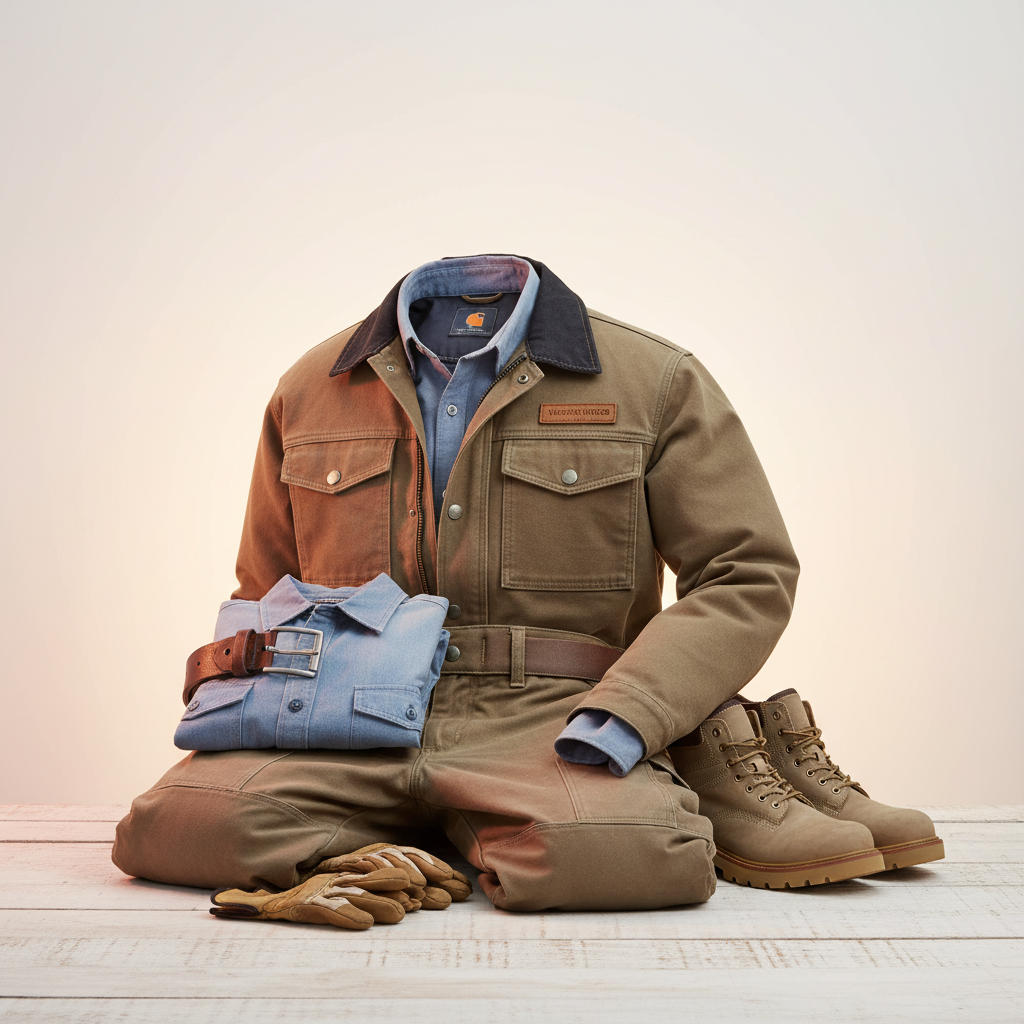
Finding a balance between affordability and durability is the primary challenge for procurement managers and independent contractors searching for cheap mens work jackets. In an industrial environment, a jacket is not merely clothing but a piece of personal protective equipment that must withstand abrasion, weather fluctuations, and repetitive physical stress.
The market is often saturated with low-cost options that fail within a single season, leading to a higher total cost of ownership. True value in workwear is found where cost-effective manufacturing meets strategic material selection, ensuring that "cheap" refers to the purchase price rather than the quality of the garment.
This guide examines the technical specifications, material trade-offs, and procurement strategies necessary to secure high-utility work jackets without exceeding budget constraints, drawing on textile manufacturing standards to define what constitutes a reliable budget-friendly option.

Defining Value in Budget-Friendly Industrial Outerwear

When professionals search for affordable workwear, the intent is rarely to find the absolute lowest price, but rather the lowest price that maintains functional integrity. In the textile industry, value is measured by the ratio of durability to cost, often determined by the GSM (grams per square meter) of the fabric and the reinforcement of stress points.
A truly cost-effective jacket utilizes optimized blends—such as polyester for abrasion resistance and spandex for mobility—to reduce material waste while maintaining performance. This approach allows manufacturers to offer competitive pricing without compromising the garment's ability to protect the wearer in harsh conditions.
Understanding the distinction between "disposable" clothing and "value-engineered" workwear is critical. The latter focuses on essential features like reinforced stitching and water-resistant coatings, stripping away unnecessary aesthetic flourishes to keep costs down while ensuring the jacket survives the demands of a construction site or warehouse.
Core Technical Requirements for Durable Work Jackets
Technical durability in work jackets is achieved through a combination of fabric composition and construction methods. High-polyester blends are favored in budget lines because they offer inherent wrinkle resistance and quick-drying properties, which are essential for workers exposed to moisture and dust.
Beyond the fabric, the architecture of the jacket must include strategic reinforcements. Double-needle stitching at the shoulders and cuffs prevents premature tearing, while the inclusion of spandex allows for a dynamic fit that reduces fabric tension during heavy lifting, thereby extending the overall lifespan of the garment.
Functionality must also be integrated efficiently. The placement of cargo pockets should be designed for weight distribution to prevent the jacket from sagging, and adjustable waistbands or cuffs ensure a secure fit that prevents debris from entering the garment, a critical safety consideration in industrial settings.
Application Scenarios for Various Work Jacket Styles
Different industrial roles require different specifications in their outer layers. For warehouse personnel, light-duty jackets with high breathability and ample pocket space for handheld scanners are priority. These users benefit from polyester-rich blends that offer comfort during long shifts in climate-controlled environments.
Outdoor construction and field engineering demand a more robust approach. In these scenarios, jackets must provide thermal insulation and windproofing. Heavy-duty cotton-polyester blends or specialized winter jackets are required to maintain core body temperature while allowing enough flexibility for manual labor.
For logistics and delivery services, versatility is key. A mid-weight jacket that can transition from a vehicle cabin to an outdoor loading dock is ideal. The focus here is on quick-drying materials and a professional appearance that balances utility with a semi-formal corporate image.
Analyzing Material Performance and Lifespan Metrics
To evaluate the effectiveness of budget-friendly jackets, one must look at comparative performance data. Traditional low-cost garments often fail in abrasion resistance and flexibility, whereas value-engineered options utilizing modern synthetic blends show a marked improvement in operational lifespan.
The following data illustrates the performance gap between standard entry-level jackets and those designed with industrial-grade polyester-spandex blends, focusing on critical utility metrics such as tear strength and moisture wicking.
cheap mens work jackets Performance Metrics
As indicated, the integration of specific synthetic fibers significantly boosts durability and comfort without substantially increasing the cost. This allows enterprises to outfit their workforce with gear that meets safety standards while remaining within strict budgetary limits.
Strategic Procurement and Supplier Evaluation Criteria
Procuring workwear at scale requires a shift in focus from unit price to lifecycle cost. A jacket that costs 20% less but lasts half as long is effectively twice as expensive. Procurement officers should evaluate suppliers based on their ability to provide certified quality without unnecessary premiums.
Verification of certifications—such as BSCI or OEKO-TEX—is a critical step. These ensure that the low cost is not a result of substandard labor or toxic materials, which can pose significant compliance risks for international firms. A supplier with integrated production facilities typically offers better cost control and quality consistency.
Furthermore, the ability to provide OEM/ODM services allows companies to customize the garment to their specific needs, such as adding corporate branding or adjusting pocket configurations. This prevents the waste associated with buying generic jackets that do not fully meet the operational requirements of the staff.
Emerging Trends in Cost-Effective Functional Fabrics
The textile industry is moving toward "sustainable durability," where recycled polyester is used to maintain strength while reducing environmental impact. This trend is particularly relevant for budget-friendly lines, as the cost of recycled synthetics is becoming more competitive with virgin materials.
We are also seeing the rise of hybrid construction, where high-wear areas (like elbows and shoulders) use heavy-duty fabrics while the rest of the jacket uses lighter, breathable materials. This targeted approach optimizes cost and weight without sacrificing the garment's primary protective functions.
Future developments in nano-coatings may allow even cheap work jackets to achieve high levels of water and oil repellency. As these technologies scale, the gap between "premium" and "budget" functional outerwear is expected to narrow, providing more options for cost-conscious enterprises.
Comparative Selection Guide for Industrial Outerwear
Choosing the right jacket requires matching the fabric and feature set to the specific environmental stressors of the job. Whether the primary threat is abrasion, cold, or moisture, the selection must be based on technical specifications rather than aesthetic preference.
The table below provides a decision matrix for selecting work jackets based on common industrial use cases and the required technical attributes to ensure longevity.
| Application Case | Recommended Material | Key Feature Requirement | Primary Wear Risk |
|---|---|---|---|
| Warehouse Logistics | Polyester/Spandex Blend | High Breathability / Utility Pockets | Low-impact Abrasion |
| Outdoor Construction | Heavy Duty Cotton/Poly | Windproofing / Thermal Lining | Tearing / Weather Exposure |
| Field Engineering | Ripstop Synthetic | Water Repellency / Flexibility | Snagging / Moisture |
| Industrial Cleaning | High-Density Polyester | Chemical Resistance / Quick Dry | Liquid Penetration |
| Automotive Repair | Reinforced Canvas Blend | Oil Resistance / Reinforced Cuffs | Grease / Heavy Friction |
| Light Manufacturing | Mid-weight Softshell | Ergonomic Fit / Stretch Panels | Repetitive Motion Stress |
By aligning the garment specification with the actual risk profile of the work environment, companies can maximize the utility of their investment in affordable workwear, ensuring both worker safety and budgetary efficiency.
Frequently Asked Questions
Conclusion
Securing high-quality yet affordable outerwear requires a technical approach to procurement. By prioritizing material science—specifically the use of durable polyester blends and reinforced construction—businesses can outfit their teams with gear that withstands industrial rigor without inflating operational budgets.
The key to sustainable savings lies in selecting partners who control the production process and adhere to international quality standards. For those evaluating industrial outerwear solutions, detailed product specifications and company capabilities available through www.pullytrade.com can provide the necessary context for making an informed decision.