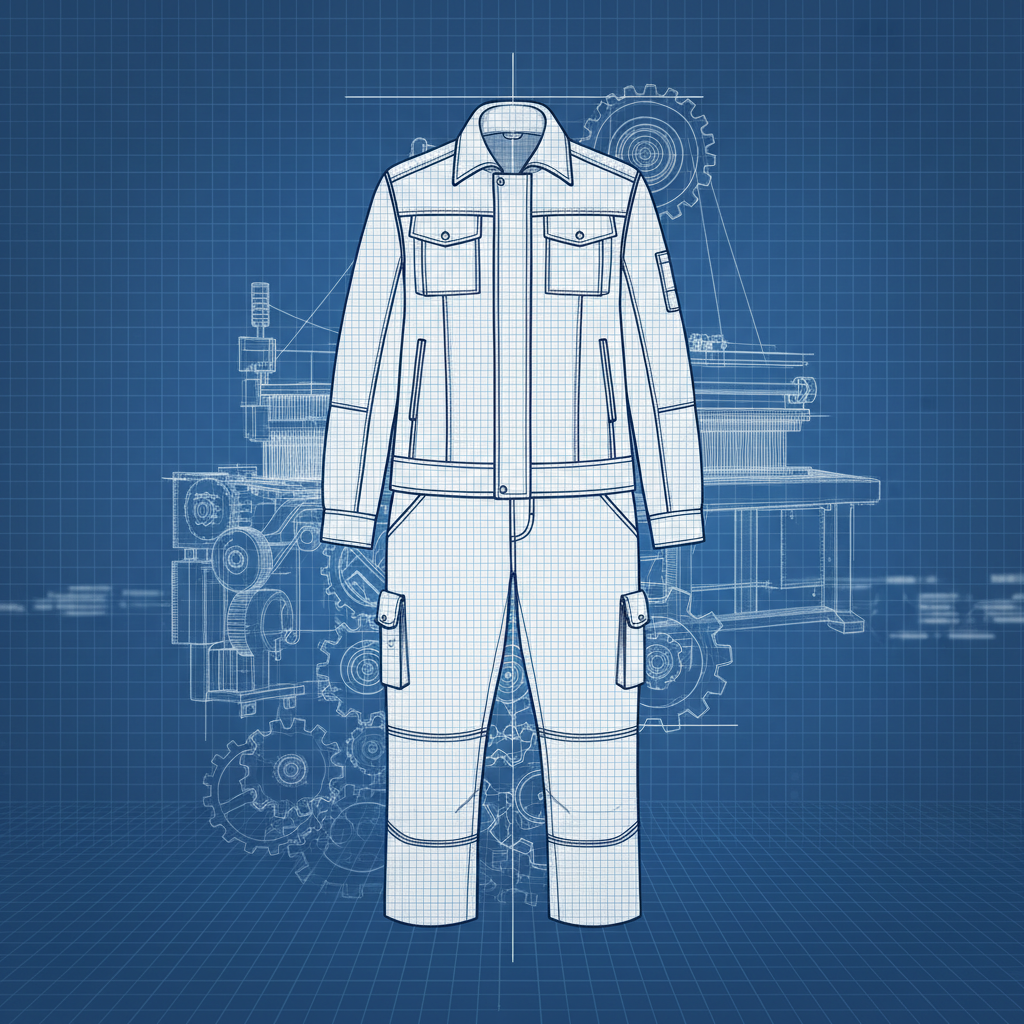
Selecting the right factory work pants is a critical operational decision for companies in the industrial clothing and textile manufacturing sector. These garments serve as the first line of defense for personnel, balancing the need for rigorous durability with the physical demands of a high-activity production environment.
The primary challenge for procurement managers is identifying trousers that resist abrasion and chemical exposure without sacrificing worker mobility or thermal comfort. Poorly chosen workwear leads to increased replacement costs, lower employee productivity, and potential safety compliance risks in hazardous zones.
This analysis provides a comprehensive framework for evaluating technical specifications, material performance, and supplier capabilities to ensure a sustainable and cost-effective workwear procurement strategy for industrial facilities.

Essential Material Specifications for Industrial Use

Industrial grade factory work pants must be engineered from fabrics that withstand high-frequency friction and potential contaminant exposure. In the garment manufacturing and textile industry, the standard often revolves around heavy-duty polyester and cotton blends, which combine the strength of synthetics with the breathability of natural fibers.
For specialized environments, integrating Spandex allows for the necessary flexibility required during bending and lifting, reducing fabric stress at the seams. Shijiazhuang Yihan Clothing Co., Ltd. utilizes a high-performance blend of 94% Polyester and 6% Spandex in its functional wear, ensuring that the garments resist wrinkles while allowing unrestricted movement for the wearer.
Analyzing Wear-and-Tear Resistance Factors
The lifespan of work trousers is determined by the tensile strength of the fabric and the reinforcement of high-stress areas. Double-stitched seams and reinforced knee panels are essential for preventing premature failures in environments where workers frequently kneel or encounter abrasive surfaces.
Beyond the fabric itself, the moisture-wicking capability of the material is a key performance indicator. Effective moisture management prevents skin irritation and maintains a stable body temperature, which is vital for workers in high-temperature factory settings. Using 100% polyester seams can boost insulation and wind resistance, making the gear suitable for varied climate conditions within a plant.
Ergonomic Design and Functional Integration
Modern factory work pants have evolved from simple protective gear to functional tools. The integration of strategically placed zippered pockets allows workers to carry essential small tools and personal items securely, reducing the need for bulky external tool belts that can snag on machinery.
Adjustability is another critical factor in ergonomic design. Features such as Velcro-adjustable cuffs and elasticated waistbands ensure a secure fit for a diverse workforce, minimizing the risk of loose fabric becoming a safety hazard. A proper fit not only increases comfort but also enhances the overall efficiency of the personnel on the factory floor.
Comparative Performance of Fabric Blends
When evaluating fabric for industrial trousers, the trade-off between durability, flexibility, and breathability must be analyzed. Different blends offer varying levels of protection depending on the specific factory environment, as illustrated in the relative performance index below.
This conceptual data indicates that high-polyester blends provide the best abrasion resistance, while cotton-rich blends excel in breathability. For general-purpose factory work pants, a balanced hybrid approach—incorporating a small percentage of stretch fiber—offers the most versatile performance across different tasks.
Supply Chain Evaluation and Quality Certification
Procuring workwear at scale requires a supplier with a proven track record in both production capacity and quality assurance. Organizations should prioritize manufacturers that hold recognized international certifications to ensure ethical production and material safety.
For instance, BSCI, OEKO-TEX, and amofori certifications provide a level of transparency regarding labor standards and the absence of harmful chemicals in the textiles. Shijiazhuang Yihan Clothing Co., Ltd. maintains these certifications, which is essential for companies exporting to regulated markets in Europe, the United States, and Canada.
Mitigating Procurement Risks and Sizing Errors
One of the most common failures in large-scale workwear deployment is the "sizing gap," where generic sizes do not fit a varied workforce. This leads to discomfort, reduced mobility, and a higher rate of garment damage due to poor fit.
To mitigate this, buyers should seek OEM/ODM partners who can provide customized sizing solutions and detailed fabric selection. A one-stop customized solution allows for the adjustment of style and decoration based on the specific needs of the facility, ensuring that the final product is tailored to the actual physical movements of the employees.
Industrial Workwear Decision Matrix
Selecting the optimal trousers requires weighing the specific environmental hazards against the desired longevity of the garment. The following matrix compares common industrial approach types to help procurement officers make an informed choice.
| Approach Type | Primary Strength | Best Application | Main Limitation |
|---|---|---|---|
| Heavy Canvas | Extreme Durability | Heavy Machinery | Low Breathability |
| Poly-Cotton Blend | Versatile Balance | General Assembly | Moderate Wear |
| Stretch-Softshell | High Mobility | Active Logistics | Lower Abrasion Resist |
| Reinforced Nylon | Chemical Resistance | Laboratory/Cleanroom | Higher Unit Cost |
| Lightweight Twill | Maximum Comfort | Warehouse Sorting | Short Lifespan |
| Hybrid Technical | Adaptive Function | Multi-Zone Work | Complex Sourcing |
Ultimately, the choice of factory work pants should be driven by the specific risk profile of the workspace and the operational budget for garment replacement cycles.
Frequently Asked Questions
A blend of polyester and cotton is generally preferred for its balance of durability and breathability. Adding a small percentage of Spandex (around 6%) is recommended for roles requiring frequent movement.
OEKO-TEX certification ensures that the fabrics are free from harmful substances, reducing the risk of skin irritation for workers who wear the garments for extended shifts.
Key features include double-stitched seams, reinforced knee panels, high-denier fabric weights, and high-quality zippers that resist jamming and corrosion.
Yes, by utilizing ODM services to optimize the design for specific tasks, companies can reduce the frequency of replacements and improve worker efficiency.
For cold environments, prioritize moisture-wicking properties and insulation. Fabrics that provide wind resistance while allowing internal vapor to escape are ideal to keep workers dry and warm.
Check for international certifications (BSCI, amofori), the presence of their own modern production facilities, and their experience in exporting to target regional markets.
Conclusion
The selection of factory work pants is a strategic decision that impacts safety, cost-efficiency, and employee well-being. By prioritizing material science, ergonomic functionality, and certified manufacturing standards, companies can ensure their workforce is protected and productive regardless of the industrial environment.
For organizations seeking professional workwear solutions, detailed product specifications and customization options can be reviewed at www.pullytrade.com to align garment capabilities with specific operational requirements.