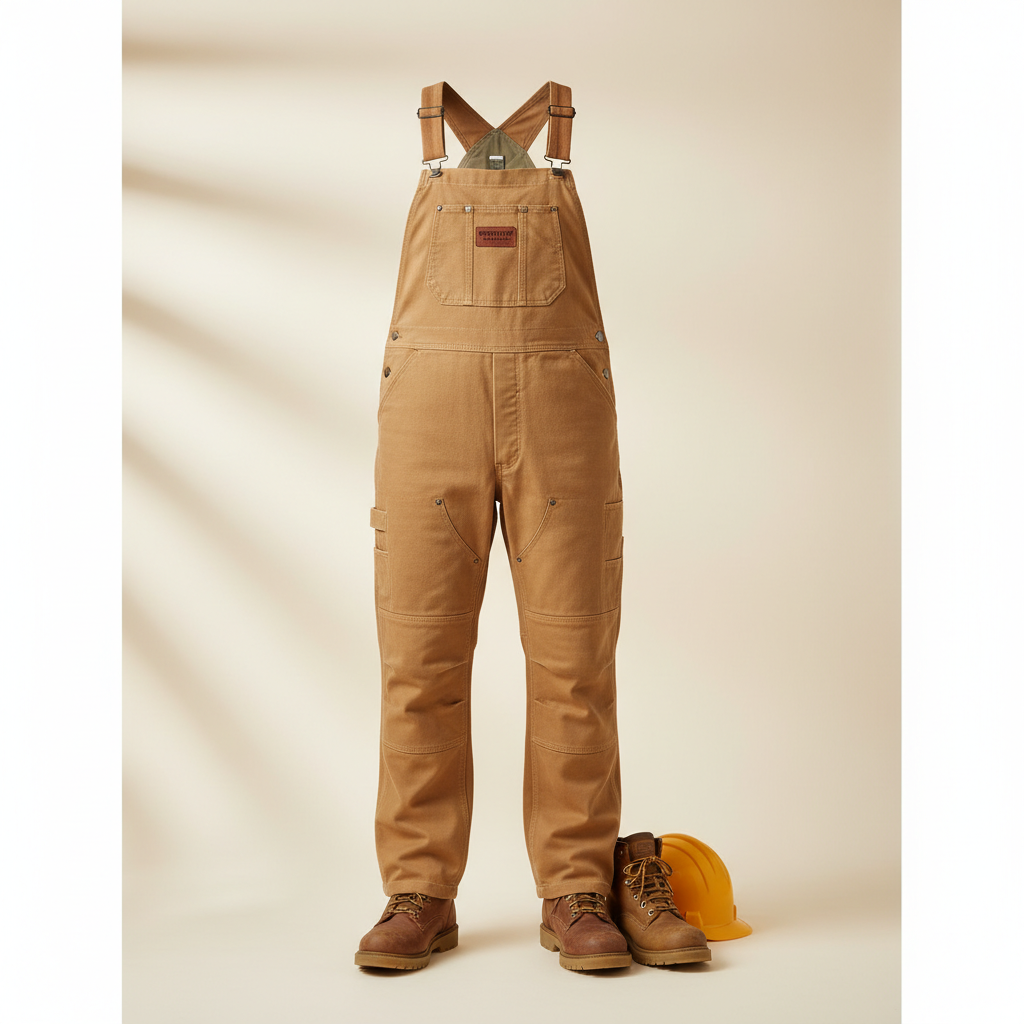
Cheap workwear trousers refer to specialized industrial clothing designed for professional use that balances affordability with the necessary durability and safety standards required for manual labor. Unlike standard casual pants, these garments are engineered to withstand abrasion, chemical exposure, and repetitive mechanical stress while remaining cost-effective for large-scale corporate procurement.
For many businesses in the garment manufacturing and industrial sectors, the challenge lies in reducing operational overhead without compromising worker safety or comfort. Low-cost procurement often risks poor fabric quality, leading to frequent replacements and increased long-term costs, creating a critical need for high-value, budget-friendly alternatives.
This guide provides a comprehensive analysis of how to select affordable workwear that maintains professional standards. We will explore material science, procurement strategies, and performance benchmarks to help you optimize your employee apparel budget effectively.

1Understanding the Value of Budget Workwear

When searching for cheap workwear trousers, the goal is not merely to find the lowest price but to achieve the best cost-per-wear ratio. In the textile and garment manufacturing industry, "cheap" should be viewed as "optimized cost." High-quality budget options utilize efficient production chains and standardized designs to lower prices without sacrificing the structural integrity of the garment.
The economic impact of choosing a reliable yet affordable supplier is significant for companies with large workforces. By streamlining the fabric selection—such as using high-density polyester blends—manufacturers can offer products that are wrinkle-resistant and durable while keeping the unit price low.
Understanding the balance between cost and quality allows procurement managers to avoid the "cheapness trap," where low-initial-cost items fail prematurely, leading to higher annual expenditure due to frequent replacement cycles.
2Core Features of Affordable Durable Trousers
The efficacy of cheap workwear trousers depends on specific design elements that provide utility without adding unnecessary cost. Reinforced stitching at the inseam and double-layered knees are standard features that extend the lifespan of the garment, ensuring that budget constraints do not lead to safety hazards.
Material choice is paramount. Modern budget workwear often employs 100% polyester or poly-cotton blends. These fabrics offer a unique combination of breathability and toughness, making them suitable for diverse environments ranging from warehouse logistics to outdoor maintenance.
Furthermore, ergonomic designs—such as adjustable waistbands and optimized pocket placements—ensure that the wearer remains productive. When a garment fits well, it reduces the risk of snagging and improves overall workplace safety, regardless of the price point.
3Industry Applications and User Scenarios
Cheap workwear trousers are utilized across a broad spectrum of industries. In garment manufacturing, workers require clothing that is lint-resistant and comfortable for long shifts. In logistics and delivery, the focus shifts to abrasion resistance and flexibility for frequent bending and lifting.
For those in the construction or facility management sectors, these trousers provide a necessary barrier against dust and light debris. The versatility of a standardized budget design allows companies to maintain a uniform corporate image while providing essential protection to their staff.
Integrating these garments into a comprehensive PPE (Personal Protective Equipment) strategy ensures that employees are equipped for their specific tasks. Whether it is a simple cotton-blend pant for a warehouse or a reinforced polyester trouser for a technician, the focus remains on task-specific utility.
4Performance Metrics and Material Comparison
Analyzing the performance of affordable workwear requires looking at quantitative metrics. Durability is measured by the Martindale abrasion test, while comfort is often linked to the fabric's moisture-wicking capabilities and weight. Cheap workwear trousers today often rival mid-range products due to advancements in synthetic fiber technology.
The trade-off in budget clothing usually occurs in the finishing details rather than the core fabric strength. For instance, basic buttons may be used instead of premium zippers, but the fabric's ability to resist tearing remains consistent with industry standards.
cheap workwear trousers Performance Metrics
As shown in the performance metrics, optimized budget trousers often exceed industry averages in cost-efficiency and durability because they are designed for high-volume, standardized use, eliminating the cost of unnecessary aesthetic flourishes found in luxury workwear.
5Procurement Strategies for Bulk Ordering
To secure the best prices for cheap workwear trousers, procurement officers should leverage OEM (Original Equipment Manufacturer) services. By working directly with manufacturers who have integrated production plants, companies can eliminate middleman markups and customize basic features to fit their specific needs.
Evaluating supplier certifications, such as BSCI or OEKO-TEX, is crucial. Even when purchasing budget options, ensuring that the factory adheres to ethical labor and environmental standards prevents corporate risk and ensures consistent product quality across large shipments.
A strategic approach involves forecasting annual needs and placing larger, less frequent orders. This reduces shipping costs and allows the factory to optimize fabric sourcing, passing those savings directly to the client.
6Sustainability and Future Trends in Workwear
The future of cheap workwear trousers is increasingly tied to "green" manufacturing. There is a growing trend toward using recycled polyester (rPET) and organic cotton blends. These materials can often be sourced affordably at scale, allowing companies to meet sustainability goals without increasing their apparel budget.
Technological innovation in fabric finishing is also reducing costs. New water-repellent coatings that are PFC-free provide better protection while being cheaper to apply during the mass production process, merging functional utility with environmental responsibility.
As the industry moves toward a circular economy, the ability to recycle old workwear back into new fibers will further drive down the cost of raw materials, making high-quality, affordable workwear more accessible to small and medium enterprises.
7Selection Framework for Different Labor Roles
Not all roles require the same specifications. A warehouse clerk needs different features than a technician. By segmenting the workforce, companies can allocate their budget more effectively, purchasing highly durable trousers for high-stress roles and simpler versions for light-duty tasks.
This targeted procurement prevents over-spending on unnecessary features while ensuring that those in the most hazardous environments are not compromised by excessive cost-cutting.
| User Role | Priority Feature | Recommended Fabric | Replacement Cycle |
|---|---|---|---|
| Warehouse Staff | Flexibility | Poly-Cotton Blend | 6-12 Months |
| Field Technician | Abrasion Resistance | Heavy-duty Polyester | 4-8 Months |
| Factory Operator | Breathability | Lightweight Twill | 6-12 Months |
| Delivery Driver | Comfort/Fit | Stretch Poly-Blend | 8-14 Months |
| Maintenance Crew | Tear Strength | Reinforced Canvas | 3-6 Months |
| Office/Support | Professional Look | Standard Cotton Blend | 12-24 Months |
By applying this selection framework, businesses can optimize their inventory, reduce waste, and ensure that every employee has the appropriate level of protection and comfort based on their daily operational requirements.
Frequently Asked Questions
Conclusion
Finding the right balance between cost and performance is essential for any organization managing a workforce. Cheap workwear trousers, when sourced strategically, provide a sustainable way to protect employees while maintaining a lean operational budget. The key is to move beyond the lowest price and focus on the cost-per-wear, material suitability, and supplier reliability.
By implementing a segmented selection framework and leveraging OEM partnerships, companies can ensure their teams are well-equipped for every challenge. For those seeking professional-grade, cost-effective apparel solutions, further product specifications and procurement options are available at www.pullytrade.com.