
Apr 16, 2026
11.26 / 2025
Construction Safety Coats – Essential Protective Gear for Global Projects
Why Construction Safety Coats Matter in Today’s World
When we think about safety in the construction industry, helmets and harnesses often come to mind first. But there’s another unsung hero quietly doing its bit behind the scenes: construction safety coats. These specialized garments are more than just outerwear; they are vital protective gear designed to shield workers from environmental hazards, chemical exposure, and other risks on site. Globally, as construction booms in emerging markets and safety regulations tighten everywhere, understanding and using construction safety coats isn’t just wise—it’s crucial for saving lives and maintaining productivity.
According to the International Labour Organization (ILO), approximately 2.3 million people worldwide succumb to work-related accidents or illnesses every year, many in construction sectors. Enforcing protective gear standards, especially high-quality safety coats, can drastically reduce such numbers. So whether you’re on an urban skyscraper project or a rural infrastructure build, having the right protective coat makes a difference.
The Growing Global Demand for Construction Safety Coats
Construction activities worldwide continue to grow — the World Bank reports a 3% annual increase in infrastructure projects globally. With that comes an increased risk of accidents due to dangerous materials like cement dust, solvents, or electric arcs. OSHA and ISO standards have been updated repeatedly to emphasize protective clothing as a frontline defense. Yet, there remain challenges: many regions suffer from poor access to certified gear, or workers find coats cumbersome, limiting adoption. Construction safety coats are stepping up to fix these gaps by innovating in material technology and design ergonomics.
What Exactly Are Construction Safety Coats?
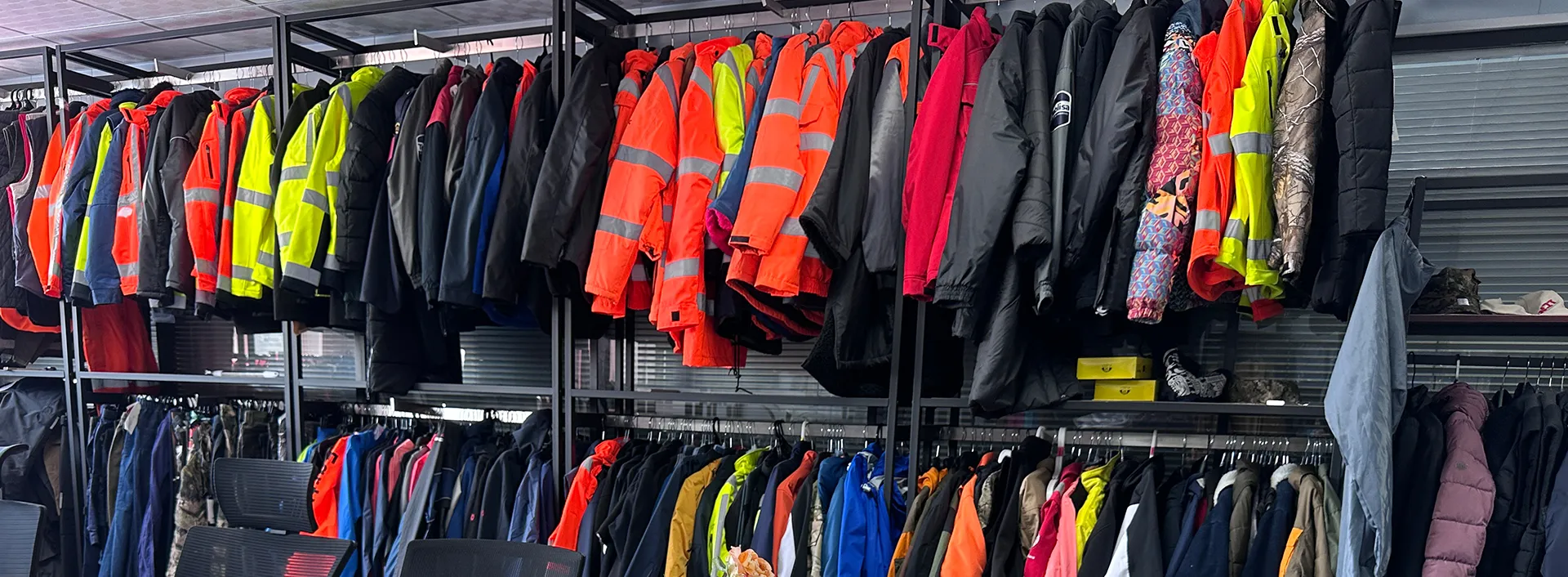
In simple terms, construction safety coats are protective outer garments designed for workers on construction sites. Unlike ordinary coats, they feature materials resistant to fire, chemicals, cuts, and abrasions, while also often including high-visibility fabrics and reflective strips for low-light conditions. Modern versions combine safety with comfort, offering breathability and waterproofing to meet the environmental demands construction workers face.
Beyond just covering the torso and arms, these coats are an integral part of personal protective equipment (PPE) frameworks recommended by many health and safety organizations. They fulfill both practical and regulatory roles — keeping workers safe and helping companies comply with occupational safety laws.
Core Features of Construction Safety Coats
Durability
These coats are built tough. They withstand harsh chemicals, rough mechanical handling, and frequent washing without losing protective qualities. Many incorporate materials like Kevlar or Nomex for flame resistance and tear strength.
Visibility
Incorporating neon colors with reflective strips isn’t just style — it’s critical for preventing accidents, especially in low-light or heavy machinery zones. Some coats also have LED lights for enhanced visibility.
Comfort and Mobility
Nobody enjoys being weighed down by heavy gear. Therefore, modern safety coats use breathable membranes and ergonomic cuts to allow ease of movement, so workers don’t sacrifice comfort for protection.
Water and Weather Resistance
Worksites don’t pause for rain or snow. Water-resistant coatings and windproof fabrics ensure that workers can remain protected without discomfort from the elements.
Cost Efficiency
While initial costs might look high, durable and reusable safety coats reduce replacement frequency. They also lower injury-related downtime costs—a win-win.
Mini Takeaway: Durable, comfortable, and visibly safe construction safety coats protect workers effectively and keep operations running smoothly.
Real-World Applications Around the Globe
The use of these coats stretches from the busy urban construction sites of Chicago to remote mining locations in Australia, and large-scale infrastructure rebuilding in post-disaster zones like parts of Southeast Asia.
For example, after the 2015 Nepal earthquake, relief construction workers wore specialized safety coats to shield themselves from dust and potential chemical contaminants in debris. Meanwhile, energy sector projects in northern Canada utilize insulated versions to protect workers from severe cold while maintaining visibility during dark winter months.
Organizations like the UN and various NGOs supply these coats for humanitarian construction efforts, knowing that protecting their workers enhances both safety and morale.
Product Specification Table for Typical Construction Safety Coats
| Feature | Specification | Benefit |
|---|---|---|
| Material | Nomex/Polyester blend | Fire resistant and durable |
| Visibility | Hi-Vis fluorescent yellow with reflective stripes | Improves safety in low light |
| Weather Resistance | Waterproof membrane, windproof | All-weather use |
| Comfort | Breathable fabric with adjustable cuffs | Extended wearability |
| Closure System | Zipper with storm flap | Prevents water ingress |
Comparing Leading Construction Safety Coat Vendors
| Vendor | Material Quality | Price Range | Innovation Features | Global Reach |
|---|---|---|---|---|
| SafeGear Inc. | Premium Nomex with reflective tech | $$$ (higher-end) | Integrated LED visibility strips | Worldwide |
| BuildSafe Apparel | Polyester blends with fire retardants | $$ | Waterproof and breathable fabrics | North America, Europe |
| SafeWear Global | Mid-level materials, ISO certified | $ (budget-friendly) | Standard hi-vis and water resistance | Asia, Africa |
Why Construction Safety Coats Offer Lasting Value
Investing in quality construction safety coats isn’t a line item expense—it’s a down payment on worker safety and company reputation. There’s something reassuring about knowing the people on your team are protected against unexpected hazards. That reliability fosters trust and pride, leading to higher morale and better job performance.
On the sustainability front, many new coat models incorporate recycled fabrics and are designed for long-term durability, cutting waste. In a world increasingly focused on “doing good,” choosing eco-friendly protective gear resonates both inside and outside the industry.
What’s Next? Trends Shaping the Future of Safety Coats
The future is smart! Think coats embedded with sensors tracking temperature, chemical exposure, and even worker vitals—relaying data in real-time to safety managers. Innovations in nanomaterials promise tougher, lighter, and more breathable fabrics. There’s also a push towards biodegradable components to reduce landfill waste once coats are retired.
Digital transformation means smarter inventory and asset management for PPE, cutting waste and ensuring timely replacements. Governments and standards bodies are synergizing these technologies with policy updates to encourage adoption, especially in high-risk zones.
Facing Challenges Head-On
Of course, no solution is perfect. Common problems include cost barriers in developing countries, inconsistent quality controls, and user discomfort that can cause workers to skip wearing coats. Yet many experts suggest ongoing training, subsidies for safety gear, and involving workers during design processes can help dramatically.
Oddly enough, the integration of user feedback in product design often gets overlooked but plays a huge role in improvements. Comfort might seem less critical than protection, but it’s crucial for compliance.
FAQ: Fast Answers on Construction Safety Coats
- What materials are best for fire-resistant construction safety coats?
- Nomex and Kevlar blends are widely preferred due to flame resistance and durability. Polyester blends with fire retardant treatments offer budget-friendly options but often trade some longevity.
- How important is visibility in construction safety coats?
- Extremely important. High visibility fabrics and reflective stripes reduce accident risks, especially in low-light or night shifts, by making workers easy to spot around heavy machinery.
- Can safety coats be customized according to climate?
- Yes, manufacturers often tailor coats with insulation layers for cold climates or lightweight breathable fabrics for hot environments, ensuring maximum comfort and protection.
- Are construction safety coats reusable or disposable?
- Most are designed for repeated use and multiple wash cycles, aiming for durability and long-term cost savings. Disposable types do exist but are generally less protective.
- How can companies ensure their safety coats comply with international standards?
- Look for ISO certifications and compliance with OSHA or regional regulations. Trusted vendors usually provide documentation and testing reports on request.
Conclusion
Construction safety coats may seem like a small detail in massive building projects, but they’re a vital link in the chain of worker protection and operational success. As the construction industry evolves globally—with more automation, tougher regulations, and higher stakes—the demand for innovative, effective safety coats will only grow.
Whether you’re outfitting a handful of workers or thousands, investing in trusted, high-quality coats means fewer accidents, happier teams, and a sustainable future. For more on reliable construction safety coats and how they can help your operation, visit our website today.