
Apr 16, 2026
12.02 / 2025
Custom Hi Vis Clothing: Essential Safety Gear Tailored for Your Industry
Why Custom Hi Vis Clothing Matters More Than Ever
At first glance, custom hi vis clothing might seem niche — just another uniform piece, right? But in reality, these items carry monumental importance globally. In industries from construction to emergency response, and even in humanitarian aid, the ability to customize high-visibility apparel means safety, identity, and efficiency. Understanding what makes custom hi vis clothing tick offers practical benefits for businesses, workers, and communities worldwide. Plus, there’s a surprising environmental and social edge to it all.
Custom Hi Vis Clothing: A Global Perspective
Across the globe, workplace visibility is a frontline defense against injury — especially where heavy machinery or hazardous environments collide with human presence. The International Labour Organization notes that about 2.3 million people die annually due to occupational accidents and diseases, underscoring why prevention is critical (ILO Safety at Work).
Enter custom hi vis clothing. Tailored to specific jobs, regions, and regulations, it’s no longer “one-size-fits-all.” For example, the ISO 20471 standard sets global benchmarks for fluorescent materials and retroreflectivity, but customization ensures these garments suit unique needs — think insulation for cold climates or ventilation for tropical areas.
Globally, as urbanization drives infrastructure projects and natural disasters push relief efforts, the demand for reliable, adaptable hi vis gear grows sharply. Yet many organizations struggle with universal gear that doesn’t quite fit or fails to meet local challenges. This gap is where custom hi vis clothing steps in.
Mini Takeaway:
Custom hi vis clothing addresses a critical global safety issue by aligning high-visibility standards with practical, localized needs.
Defining Custom Hi Vis Clothing
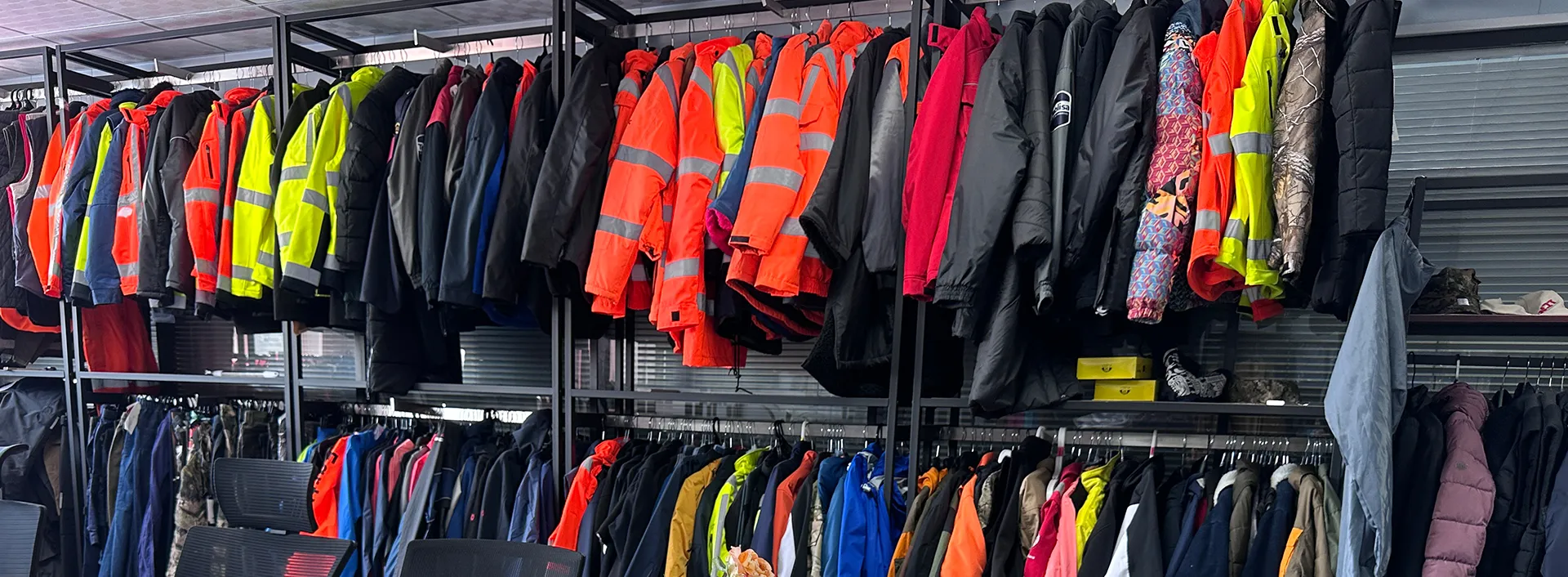
Put simply, custom hi vis clothing refers to high-visibility garments designed or adapted specifically for an organization’s requirements rather than off-the-shelf standard pieces. This customization can include:
- Specific colors or reflective patterns aligned with branding or regulatory mandates
- Material choices for durability or weather conditions
- Unique sizing or ergonomic adjustments
- Additional features like pockets, ventilation, or logo placement
Its roots lie in safety gear evolution. While originally just fluorescent vests, today’s hi vis garments are engineered for function, compliance, and visibility. Organizations from road construction crews to humanitarian NGOs rely on these specialized garments for safe and effective operations.
Mini Takeaway:
Custom hi vis clothing means tailored safety gear designed to meet specific environmental, functional, and branding needs.
Key Elements of Custom Hi Vis Clothing
Durability
Hi visibility is useless if the garment deteriorates quickly. Custom fabrics often include reinforced stitching, tear-resistant weaves, and weatherproof coatings to last through harsh workplace conditions.
Comfort & Ergonomics
Bodies in motion need well-fitted gear. Adjustable seams and breathable materials are part of customization to reduce fatigue and improve worker compliance with safety practices.
Visibility Compliance
Meeting standards (like ISO 20471 or ANSI/ISEA 107 in the U.S.) is a baseline; customization ensures those are met or exceeded while factoring in local lighting, climate, and work scenarios.
Branding & Identification
Custom logos, color accents, or numbering help organizations not only keep teams safe but also easily identify personnel — crucial in sprawling industrial sites or disaster zones.
Cost Efficiency
While custom gear may have a higher upfront cost, improved durability and worker productivity often lead to better long-term savings. Moreover, bulk custom orders unlock savings.
| Feature | Benefit | Example |
|---|---|---|
| Durability | Long-lasting protection in tough environments | Reinforced polycotton blends with water-resistant coatings |
| Comfort & Fit | Enhanced worker compliance, less fatigue | Mesh panels for ventilation, adjustable hems |
| Visibility | Meets or exceeds safety standards | High retroreflective tape per ISO 20471 |
| Branding | Clear organizational identity and role clarity | Custom logos & text on back panels |
Mini Takeaway:
Customization addresses core aspects — durability, compliance, comfort, identity — all crucial for real-world effectiveness.
Global Applications & Use Cases
Industries and organizations worldwide benefit tremendously from custom hi vis clothing. Oddly enough, it’s everywhere from Canada’s frigid oil fields to Southeast Asia’s bustling construction sites. Here are some standout examples:
- Emergency Services & Disaster Relief: Custom uniforms speed identification and improve safety in chaotic environments — think post-earthquake recovery teams in Nepal or wildfire firefighters in Australia.
- Industrial & Mining Enterprises: In remote mining sites in Africa or South America, hi vis gear saves lives by ensuring workers are visible in dimly lit tunnels or around heavy machinery.
- Urban Infrastructure Projects: European highway construction crews use bright, reflective clothing adapted to regional weather and daylight variations.
- Logistics & Warehousing: Custom hi vis apparel aids in preventing accidents in massive distribution hubs globally, including Amazon facilities worldwide.
Mini Takeaway:
Across disaster relief to logistics, custom hi vis clothing plays a vital role safeguarding workforce visibility and effectiveness worldwide.
Advantages & Long-Term Value
The benefits are multifaceted. From a hard-dollar perspective, reducing workplace injuries directly cuts medical and legal costs. But there’s an emotional and social layer, too: workers feel safer and valued in gear tailored for their needs. That trust can increase morale and productivity.
Environmentally, many suppliers now offer sustainable fabrics — recycled polyester or organic cotton blends — reducing ecological footprints. Even the customization process tends to reduce wastage compared to mass production.
Finally, for organizations, custom high visibility garments reinforce brand integrity and regulatory compliance, fostering leadership reputation.
Future Trends & Innovations in Custom Hi Vis Clothing
Tough to ignore: sustainability is steering new materials and processes. Biodegradable reflective tapes and moisture-wicking eco-fabrics are emerging fast. We also see digital printing enabling more precise, variable designs without big dye lots — reducing water and chemical use.
Technology-wise, embedded LED strips or smart sensors (think wearable tech) hint at the future — garments that not just reflect light but actively alert supervisors to worker location or hazards.
Challenges & Solutions
Customization isn’t without hurdles. Costs can be higher upfront, and turnaround time longer. Also, ensuring compliance across diverse regulations remains complex.
However, many manufacturers now offer modular design platforms that speed production and balance cost. Moreover, international certifications and template-based compliance checks simplify global deployment.
Frequently Asked Questions About Custom Hi Vis Clothing
- What are the key benefits of customizing hi vis clothing versus buying standard gear?
- Customization ensures garments perfectly fit the work environment, climate, and organizational needs — improving safety, comfort, and compliance. Standard gear may miss those nuances, reducing effectiveness.
- How quickly can custom hi vis clothing be produced for large teams?
- Lead times vary by supplier and complexity but modern modular approaches can deliver orders within 3-6 weeks, sometimes faster with simplified custom options.
- Are sustainable materials available for hi vis clothing?
- Yes. Many manufacturers now incorporate recycled polyester and organic cotton. Reflective tapes made from eco-friendly materials are also gaining traction.
- Can custom hi vis clothing include smart technology?
- Increasingly so. Integrated LED lighting and wearable sensors are being tested, especially in high-risk sectors, enhancing worker safety and monitoring.
- What standards should I look for when ordering custom hi vis gear?
- ISO 20471 (International) and ANSI/ISEA 107 (U.S.) are primary. Confirm your supplier’s compliance certifications and ensure the customization meets or exceeds those standards.
Conclusion — Why Investing in Custom Hi Vis Clothing Is a Win
In real terms, custom hi vis clothing is an investment in worker safety, organizational credibility, and long-term sustainability. The tailored blend of function, comfort, and compliance beats generic gear hands down. Whether for sprawling industrial sites or emergency response teams, these garments build trust — a small but critical factor in saving lives.
If you want to explore top-tier custom hi vis clothing solutions designed to fit your specific needs, head to our website for expert advice and bespoke service.
| Vendor | Customization Options | Sustainability Focus | Lead Time | Price Range |
|---|---|---|---|---|
| PullyTrade | Full branding & sizing, ergonomic tailoring | High: recycled fabrics & eco-packaging | 3-4 weeks | $$$ |
| SafeWear Inc. | Standard cuts with logo options | Medium: partial recycled content | 4-6 weeks | $$ |
| BrightGuard | Custom prints, but limited sizing options | Low: mostly synthetic fabrics | 2-3 weeks | $ |
In sum, custom hi vis clothing isn’t just a uniform upgrade — it’s a tangible leap forward for workplace safety and identity around the globe. I suppose that’s a quietly powerful thing.