
Apr 16, 2026
12.02 / 2025
Personalized Hi Vis: Enhancing Safety and Identity in Modern Work Environments
Understanding Personalized Hi Vis: Key to Safety and Identity in Modern Workspaces
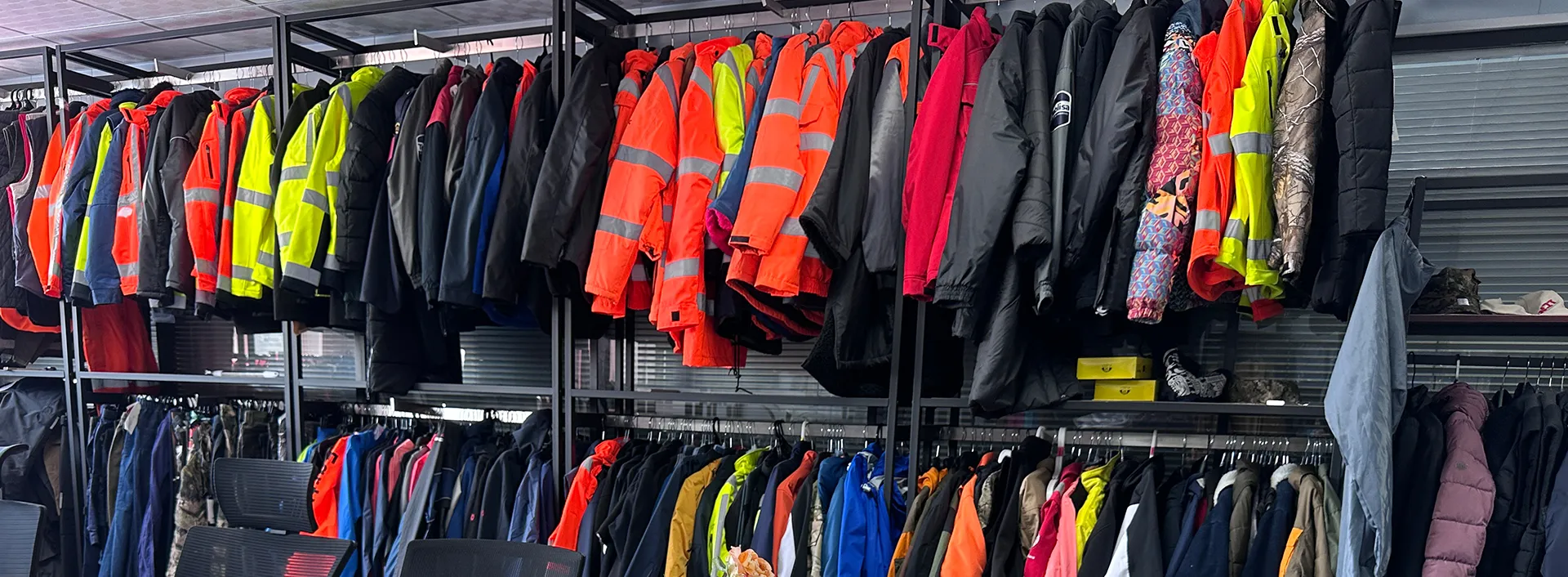
If you’ve ever worked on a construction site, managed logistics at a busy port, or even coordinated emergency relief efforts, you know how vital high-visibility clothing is. But then add the word “personalized” to that, and suddenly we’re talking about much more than just bright yellow vests. Personalized hi vis is transforming safety gear into functional, identity-driven tools — tailored to meet both global safety standards and individual worker needs.
Globally, safety regulations continue to tighten (ISO 20471 is a good example), and the demand for gear that can perform, protect, and communicate simultaneously is surging. It ties deeply into worker safety, efficiency, and — frankly — dignity. So why should you care about personalized hi vis? Understanding this niche can improve compliance, reduce accidents, and promote brand identity in industrial sectors worldwide.
Introduction: The Global Context and Importance of Personalized Hi Vis
High-visibility clothing is mandated by safety regulations in countries ranging from the UK to Australia, the US, and increasingly in developing markets. According to the International Organization for Standardization (ISO), personal protective equipment (PPE) featuring hi vis elements can reduce workplace accidents by up to 30%. This is huge when you consider that the International Labour Organization estimates over 2.3 million people die each year from workplace hazards.
Yet, plain hi vis gear is often ‘one-size-fits-all’, and that’s where the challenge lies. Different roles require unique identifiers, worker comforts vary, and one company’s brand voice might want to shine through in emergency situations or large-scale operations.
That’s why the rise of personalized hi vis garments — with custom logos, names, colors, and reflective patterns — is striking a chord across industries globally. It helps meet compliance, fosters a sense of ownership, and can even improve on-site communication.
Defining Personalized Hi Vis
Simply put, personalized hi vis refers to traditional high-visibility apparel that has been customized to meet specific user requirements. This could be through adding company logos, worker names, job roles, QR codes, or color schemes that denote safety zones or hierarchy.
On a humanitarian front, these garments might carry information critical to disaster response teams, helping quickly identify specialized personnel or vulnerable groups. Within industries like construction, transportation, and oil & gas, this personalization blends safety with operational clarity.
Key Components of Personalized Hi Vis
1. Durability
Hi vis gear faces tough environments — from rubble in disaster zones to oily factory floors. The materials used (often polyester blends with reflective tapes) must resist tearing, fading, and weather extremes. Personalized elements like printed logos or embroidery should not degrade visibility or fabric integrity.
2. Visibility Standards Compliance
Fabrics and reflective tapes must comply with standards such as ANSI/ISEA 107 (USA) or EN ISO 20471 (Europe). Personalizing these items means modifying without compromising this certification — a balance that's tricky but crucial.
3. Scalability & Customization
Businesses from small contractors to multinational firms need variants aligned with roles or locations. This might involve a base hi vis design with modular patches or digital tags. Scalability is as much about supply chain efficiency as it is about variety.
4. Comfort & Fit
Oddly enough, the most visible gear won’t do much good if people avoid wearing it due to discomfort. Personalized hi vis often includes options for breathable fabrics, adjustable sizes, and ergonomic cuts to improve adoption.
5. Integration of Technology
Advances increasingly incorporate RFID tags, GPS trackers, or QR codes embedded on personalized hi vis, especially in large-scale or hazardous zones. This elevates safety from passive to active, allowing real-time monitoring.
6. Cost Efficiency
While customization adds costs upfront, the reduction in lost time due to accidents, improved morale, and better brand presence often outweigh the investment.
Product Specification Table
| Feature | Specification | Benefit |
|---|---|---|
| Material | Polyester with 3M reflective tape | High durability and visibility |
| Customization | Embroidery, heat transfer logos, QR codes | Enhanced identification and traceability |
| Certifications | EN ISO 20471, ANSI/ISEA 107 | Meets global safety standards |
| Sizes | XS to 5XL | Inclusive fit for all body types |
| Technology Add-ons | RFID tags, GPS integration | Real-time personnel tracking |
Global Applications & Use Cases of Personalized Hi Vis
From bustling urban construction sites in Dubai to isolated mining operations in Australia, the concept of personalized hi vis is everywhere. Oddly enough, it's just as critical in humanitarian efforts — NGOs working in disaster zones or refugee camps use hi vis to differentiate medical teams, logistics personnel, and security details.
- Construction & Infrastructure: Customized logos and roles displayed on vests help managers quickly identify specialists amidst noisy, chaotic sites where communication is tough.
- Emergency & Disaster Relief: Poorly lit or high-risk areas benefit from personalized options; clearly identifying teams minimizes confusion and speeds aid delivery.
- Transportation & Logistics: Warehouses and ports employ hi vis gear that’s both standardized for safety and personalized for operational efficiency.
- Manufacturing & Heavy Industry: Personalized garments mark access privileges and responsibilities, crucial for regulatory audits and safety compliance.
This adaptability means personalized hi vis garments are not only protection gear but vital communication tools in complex environments.
Advantages and Long-Term Value
The tangible benefits of personalized hi vis gear stand out:
- Safety First: Enhanced visibility compounds with clear personal ID, cutting response times in emergencies.
- Worker Dignity and Morale: People love to feel recognized — wearing their name or brand boosts morale and encourages compliance.
- Operational Efficiency: Quick identification means streamlined communication and quicker task delegation.
- Sustainability: Many fabrics now use recycled or organic fibers without sacrificing visibility or durability.
- Cost Balancing: Though costlier upfront, the prevention of workplace injuries and downtime saves money long-term.
Ultimately, the right hi vis gear protects lives and sustains business continuity — a kind of win-win.
Vendor Comparison Table: Popular Personalized Hi Vis Suppliers
| Vendor | Customization Options | Certifications | Lead Time | Price Range |
|---|---|---|---|---|
| SafeWear Co. | Logos, Names, RFID Tags | EN ISO 20471, ANSI/ISEA 107 | 2-3 weeks | $$ |
| VisiGuard | Embroidery, QR Codes | EN ISO 20471 | 3-4 weeks | $$$ |
| BrightPath Safety | Patch Systems, GPS Trackers | ANSI/ISEA 107 | 1-2 weeks | $ |
Future Trends and Innovations in Personalized Hi Vis
Looking ahead, several exciting things are brewing in the hi vis world:
- Eco-friendly fabrics: Bio-based polymers and recycled materials are becoming mainstream, reducing environmental footprints.
- Smart textiles: Integration of sensors to monitor worker vitals or environmental hazards in real-time.
- Digital ID and Traceability: QR codes linked to worker certifications or training records improve compliance and accountability.
- Customization via AI: Automated design tools streamline bulk personalization while optimizing safety patterns.
These innovations hint at gear that’s not just visible, but interactively smart.
Challenges and Practical Solutions
Of course, personalization comes with some hurdles:
- Cost Barriers: Customized hi vis is pricier upfront. However, bulk ordering and modular options can help manage expenses.
- Maintaining Standards: Sometimes personalization can obscure reflective elements; choosing experienced vendors is key.
- Supply Chain Complexities: Lead times can stretch, so early planning is essential.
- User Acceptance: New designs or fits may encounter resistance. Including workers in selection improves buy-in.
Overall, expert consultation and clear communication solve most snags.
FAQ: Personalized Hi Vis
- What kinds of personalization options are most effective on hi vis gear?
- Logos, names, and job roles via embroidery or heat transfer are common. Technology additions like RFID or QR codes are increasingly popular for tracking and communication.
- Can personalized hi vis garments still meet international safety standards?
- Absolutely. Reputable manufacturers ensure that customizations don’t cover or reduce reflective materials, maintaining compliance with EN ISO 20471 or ANSI/ISEA 107.
- How long do customized hi vis vests typically last?
- Lifespan depends on use and washing, but quality garments generally last 1-3 years, with reflective tape rating for many washes. Personalization should be durable enough to last the garment’s lifetime.
- Are there sustainability options for personalized hi vis?
- Yes, several vendors now offer garments made from recycled polyester or organic materials. Always ask about environmental certifications when ordering.
- How quickly can I get personalized hi vis delivered?
- Lead times range from 1 to 4 weeks depending on complexity and volume. Early planning helps avoid delays.
Conclusion: Why Personalized Hi Vis Matters
To sum up, personalized hi vis gear stands at the intersection of safety, identity, and efficiency — a trifecta that’s critical in today’s fast-paced, hazard-prone workplaces. By combining protection with personalization, these garments empower workers, uphold standards, and give companies a clear edge on compliance and brand visibility.
If you want to explore more about this fascinating niche or source your own personalized hi vis gear, head over to our website. There’s a world of options waiting for you.
Final takeaway: good visibility saves lives, but personalized visibility saves jobs, brands, and communities.
- ISO 20471:2013 — International Standard for High-Visibility Clothing
- International Labour Organization Safety Data
- Wikipedia: High-Visibility Clothing