
Apr 16, 2026
12.02 / 2025
Comprehensive Guide to Quality Hi Vis Workwear: Global Safety and Innovation
Understanding Quality Hi Vis Workwear: Safety Meets Innovation Globally
Quality hi vis workwear might sound like just another piece of industrial apparel, but honestly, it’s a keystone in workplace safety worldwide. From construction sites in bustling cities to remote humanitarian operations in disaster zones, it plays an essential role in protecting workers. With global industrial accidents still alarmingly high — the International Labour Organization estimates about 2.3 million fatalities annually related to workplace incidents — understanding the benefits and features of top-notch hi vis clothing is more than just good practice. It’s vital.
Why does it matter? Because quality hi vis workwear boosts visibility in challenging environments, reducing accidents, and fostering worker confidence. In a noisy, chaotic world, it’s a clear signal that safety is priority #1.
Global Context: Why Quality Hi Vis Workwear is More Relevant Than Ever
Take it from ISO standards and the UN’s occupational health reports — safety at work is a global challenge, with industries pushed to meet tougher regulations and increasing public safety awareness. According to the World Bank, emerging economies are ramping up infrastructure projects, and construction or mining jobs are multiplying. Oddly enough, these are environments where visibility literally saves lives.
Yet many workplaces are still stuck with subpar gear: dull colors, flimsy fabrics, or ill-fitting designs that do more harm than good. The gap between “just enough” and “quality” hi vis workwear is vast. And frankly, the difference can mean the difference between life and death.
Defining Quality Hi Vis Workwear
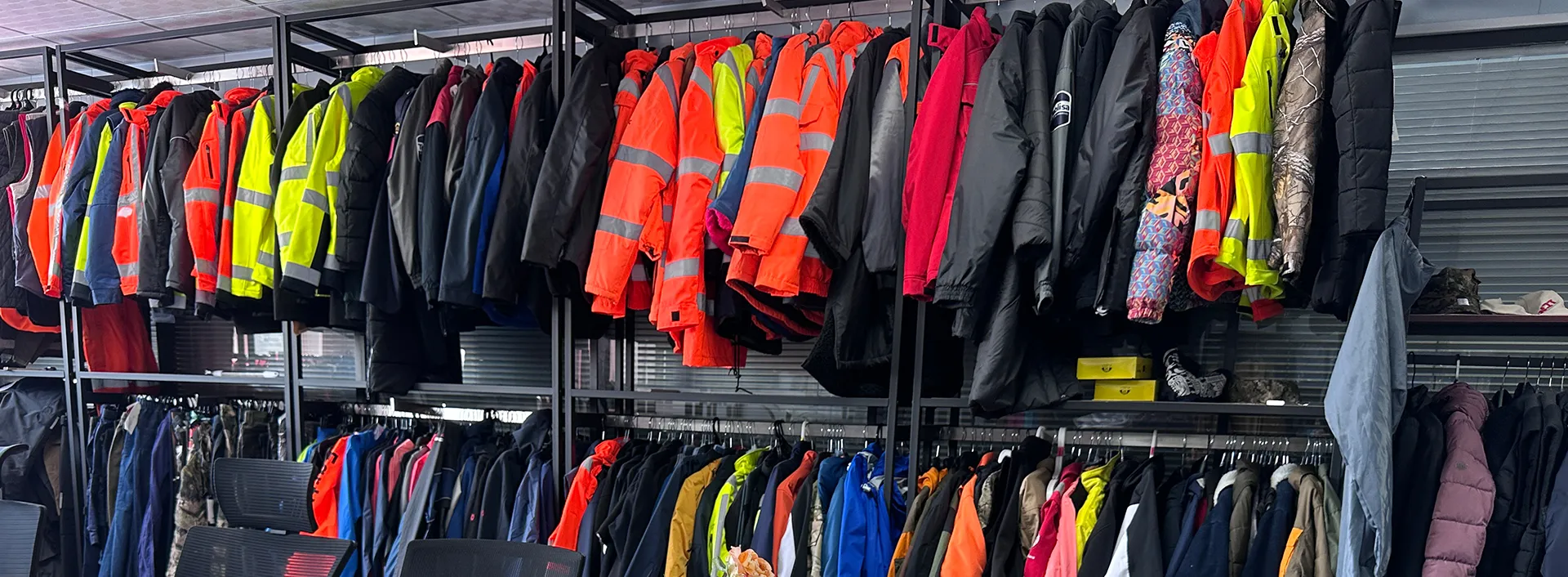
So, what exactly is quality hi vis workwear? In simple terms, it’s protective clothing designed with high-visibility colors — often bright yellow, orange, or lime green — combined with reflective strips that catch light even in low conditions. But quality isn’t just about color; it’s about the fabric's durability, comfort, the garment’s design for real use, and compliance with international standards like ANSI/ISEA 107 or EN ISO 20471.
Think of it as a smart, thoughtful blend of material science and ergonomics, crafted to keep workers visible and comfortable amid dust, rain, or even night shifts. In humanitarian contexts, like disaster relief or emergency response, such workwear is indispensable, signaling authority, safety, and trust.
Core Components of Quality Hi Vis Workwear
1. Visibility
First and foremost, the garment must stand out distinctly in various lighting conditions. Fluorescent colors paired with retroreflective strips that bounce light back to its source — even headlights — enhance this. Subtle differences make a big practical impact.
2. Durability
Work environments are rough — abrasions, chemicals, and frequent washing can degrade cheap materials quickly. Quality garments use high-grade polyester blends or cordura-type fabrics resistant to wear and tear.
3. Comfort and Fit
Comfort boosts compliance. If workers feel constrained or overheated, they might ditch their gear, risking injury. Breathable fabrics, adjustable fits, and ergonomic tailoring help enormously here.
4. Compliance & Certification
Meeting recognized standards isn’t just bureaucratic red tape; it ensures tested performance. Certifications from ANSI, ISO, or CE reassure employers and workers alike.
5. Additional Features
Extras like waterproofing, flame resistance, or integrated pockets for tools can tailor workwear to specific industries like oil & gas, railways, or emergency services.
Mini Takeaway:
Quality hi vis workwear is much more than a safety precaution — it is engineered gear balancing visibility, robustness, and comfort to meet specific job demands under global standards.
Product Specification Table: Typical Features of Quality Hi Vis Workwear
| Feature | Specification | Benefit |
|---|---|---|
| Fabric | Polyester-Cotton Blend, 300-350 gsm | Durable yet breathable for comfort and longevity |
| Color | Fluorescent Yellow or Orange | High visibility in daylight and low-light |
| Reflective Tape | 7 cm wide silver retroreflective strips as per EN ISO 20471 | Enhanced visibility at night or in poor lighting |
| Certification | ANSI/ISEA 107, EN ISO 20471 | Guaranteed compliance with international safety norms |
| Additional Features | Water-resistant coating, flame retardant options | Industry-specific hazard protection and versatility |
Global Applications & Use Cases
It’s fascinating how quality hi vis workwear has woven itself into diverse sectors around the world. In Europe’s thriving construction industry, adherence to EN ISO 20471 is mandatory, making such garments a daily staple for hundreds of thousands. In the USA, road maintenance crews depend on ANSI-certified vests to alert speeding drivers from yards away.
Oddly enough, humanitarian agencies rely on hi vis gear during post-disaster relief, when chaos and poor visibility can exacerbate dangers. For example, in floods or earthquake zones in parts of Asia and Africa, responders wear hi vis jackets not just for safety but as a symbol of organized help among distraught locals.
In remote industrial zones like Canadian mines or Australian outback, workwear also integrates dust-proof and flame-resistant features, responding to very specific environmental risks.
Vendor Comparison Table: Popular Quality Hi Vis Workwear Suppliers
| Supplier | Product Range | Certification | Pricing | Customization |
|---|---|---|---|---|
| PullyTrade | Full range: jackets, vests, trousers | ANSI/ISEA, EN ISO certified | Mid-range, volume discounts | Logo printing & specialized sizing |
| SafeWear Co. | Focus on vests and rain gear | EN certified only | Competitive on bulk orders | Limited |
| Global Safety Ltd. | Comprehensive safety gear & hi vis | ANSI, EN ISO certified | Premium pricing | Highly customizable |
Advantages & Long-Term Value
Investing in quality hi vis workwear pays off. You get fewer workplace accidents, happier employees who feel cared for, and a solid reputation for compliance. The cost efficiency also shows up over time — durable garments don’t need replacing every few months, saving money and reducing landfill waste.
What’s more, it contributes to corporate social responsibility goals by promoting workplace dignity and safety. There’s an emotional payoff too: workers often express greater pride and confidence wearing gear that looks and feels professional. And frankly, isn’t that part of innovation — not just technology, but human respect?
Future Trends & Innovations
The future is bright — and reflective. Expect smart textiles embedded with sensors to monitor wearer health or location, dynamic visibility materials adapting to ambient light, and fabrics made from recycled plastics to boost sustainability. Digital transformation is nudging hi vis workwear into connected PPE (personal protective equipment), which could revolutionize emergency response or remote site management.
Policies worldwide are tightening. The EU, for instance, is considering updating EN standards to include enhanced biohazard protection and smarter reflectives. Energy-efficient production methods and eco-friendly dyes also keep rising in priority.
Challenges & Solutions in Implementing Quality Hi Vis Workwear
Not all is perfect, though. Common challenges include balancing cost with certification, especially for small firms or NGOs operating in resource-constrained regions. There’s also the issue of climate: hi vis gear can be hot and uncomfortable in tropical zones.
Innovative solutions like moisture-wicking fabrics and modular workwear designs help address comfort. Partnerships between governments, manufacturers, and NGOs also bring subsidized access to certified gear. Training users on proper maintenance and inspection extends garment life and safety.
FAQ: Frequently Asked Questions About Quality Hi Vis Workwear
- Q: How can I ensure the hi vis workwear I buy is truly high quality?
A: Look for certifications such as ANSI/ISEA 107 or EN ISO 20471, check fabric specs, and verify suppliers’ reputations. Quality gear has clearly marked standards and often comes with product testing documentation. - Q: Is quality hi vis gear suitable for both day and night use?
A: Absolutely. Bright fluorescent colors improve daytime visibility, while reflective strips significantly enhance night or low-light safety. - Q: Can hi vis workwear be customized for branding or special requirements?
A: Yes, many suppliers offer options like logo printing, color variations, and added features such as pockets or flame retardance to meet specific needs. - Q: How often should quality hi vis workwear be replaced?
A: Depending on usage and washing, typically 6–12 months, but damaged or faded gear should be replaced immediately to maintain safety compliance.
Conclusion: Invest in Quality Hi Vis Workwear Today
To wrap it up, quality hi vis workwear is a proven, adaptable, and essential safety investment worldwide. It protects lives, reduces costs, supports sustainability goals, and boosts workplace morale. Whether you manage a construction team in Europe or coordinate emergency relief in Southeast Asia, the right hi vis gear can change how safely and efficiently your team operates.
Explore more about quality hi vis workwear and how to select the perfect gear for your needs — because safety, after all, is no accident.
Takeaway: Safety gear that works is more than bright colors—it’s smart design, certified quality, and a long-term safeguard for workers and organizations alike.
- International Labour Organization (ILO) Safety Reports
- ISO 20471 Standard — High Visibility Clothing
- ANSI Standards for Occupational Safety