
Apr 16, 2026
11.27 / 2025
Construction Site Safety Jackets | High-Visibility Workwear for Global Safety
Construction Site Safety Jackets: Why They Matter Around the World
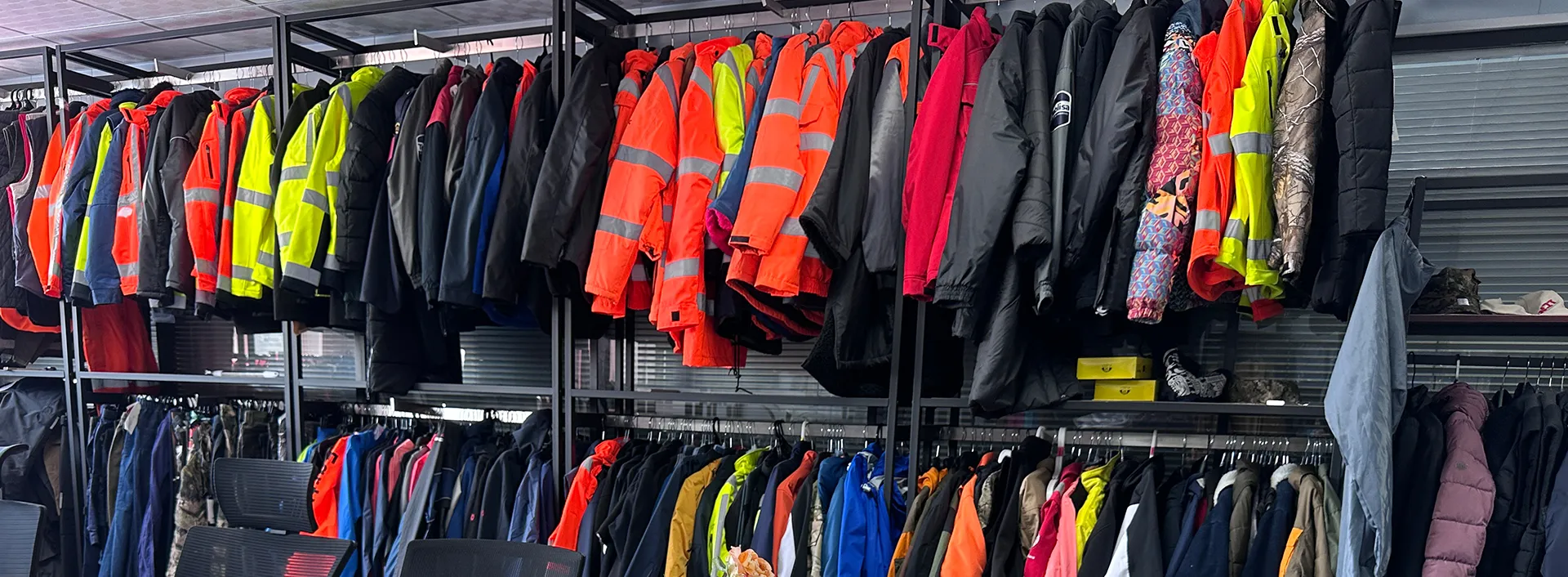
If you’ve ever walked around a construction site, you’ll probably notice the bright fluorescent vests almost everyone is wearing. These construction site safety jackets aren’t just fashion statements—they’re an essential part of keeping workers visible and protected, and their importance echoes globally. Given that construction accounts for roughly 7% of global employment according to the International Labour Organization, and that OSHA reports thousands of injuries every year from site accidents, understanding how these safety jackets work and why they are so widely adopted is crucial. These jackets help reduce workplace accidents, improve on-site communication, and sometimes even save lives.
Simply put, these jackets are a first line of defense on sites where heavy machinery and hazardous conditions abound. They help ensure not only compliance with international safety standards like ISO 20471 but also support the growing focus on worker dignity and environmental responsibility. It’s a seemingly small garment with a surprisingly big impact.
Mini Takeaway: Construction site safety jackets blend global work safety with compliance and human dignity, protecting millions from harm daily.
What Exactly Are Construction Site Safety Jackets?
At their core, construction site safety jackets are high-visibility garments typically made from polyester or other durable fabrics. Their purpose? To boost workers’ visibility in all kinds of weather and lighting conditions. They usually sport reflective strips that catch headlights or working lights—making every movement on a busy site easier to see.
In the modern construction industry, these jackets fit into a bigger story of occupational health and safety (OH&S). But their relevance goes beyond: humanitarian aid workers, disaster relief teams, and even traffic control personnel depend on variants of this garment to stay safe in chaotic, high-risk environments.
Core Components That Make Safety Jackets Work
1. Visibility
It might sound obvious, but visibility is the heart of a construction safety jacket. The fabric’s fluorescent colors (think neon yellow, orange, or green) combined with retroreflective tape bounce light back to its source, allowing for 24/7 protection.
2. Durability
Construction sites are tough places — dust, rain, chemicals, snags from equipment. The jackets must be tear-resistant and retain their bright colors even after long use and repeated washes.
3. Comfort and Fit
Workers can’t be productive if their gear restricts movement. Many safety jackets incorporate breathable mesh panels or have adjustable closures to adapt to the conditions and personal preferences.
4. Compliance With Safety Standards
Different countries and industries have strict regulations (like ANSI/ISEA 107 in the US or EN ISO 20471 in Europe). Jackets must meet these to ensure they're effective and legally acceptable.
5. Additional Features
Some models come with handy pockets, radio clips, or built-in hydration compatibility. Innovation isn’t just in the materials but in the functionality too.
Mini Takeaway: Safety jackets combine science and practical design to keep construction workers visible, comfortable, and compliant with industry standards.
How Construction Site Safety Jackets Serve Global Industries
These jackets aren't just for a handful of sites in one country. You’ll find them in bustling urban zones in Asia, rural infrastructure projects in Africa, and even icy wind farms in northern Europe.
For example, in the wake of natural disasters, relief workers wear them so they’re safely visible amidst debris and heavy machinery. In mining operations across Australia and South America, visibility gear is mandatory to coordinate shifting equipment. Even offshore oil rigs in harsh weather rely on these jackets to prevent accidents during low-light conditions.
Construction companies committed to worker welfare worldwide have adopted them not only as a safety tool but as a symbol of respect for their teams. Industrial giants and NGOs alike recognize their value and procure large quantities every year.
Mini Takeaway: From disaster zones to remote mines, construction site safety jackets are vital gear worn around the globe to safeguard workers in diverse environments.
The Many Advantages and Long-Term Value of Safety Jackets
- Cost Efficiency: Investing in good safety jackets reduces costly accidents and downtime.
- Sustainability: Manufacturers increasingly use recycled materials, aligning with growing environmental demands.
- Safety and Trust: Workers feel cared for, boosting morale and site culture.
- Regulatory Compliance: Avoid legal troubles and fines by meeting global standards.
It’s often said innovation in construction gear is boring, but these jackets prove otherwise. Advances in smart fabrics are now helping jackets adapt to temperature or alert nearby personnel with embedded sensor tech—taking the humble jacket from mere clothing to critical equipment.
Typical Product Specification Table
| Feature | Specification |
|---|---|
| Material | 100% Polyester mesh with PVC reflective tape |
| Visibility Colors | Neon Yellow, Neon Orange, Lime Green |
| Compliance Standard | ANSI/ISEA 107 Type R Class 2 |
| Weight | Approx. 150 grams |
| Additional Features | Multiple pockets, adjustable straps, radio holder |
Vendor Comparison: Choosing the Right Supplier
| Vendor | Price Range (USD) | Customization Options | Lead Time | Global Shipping |
|---|---|---|---|---|
| SafeWear Co. | $12 - $18 | Logo printing, color options | 2 weeks | Yes |
| Global Safety Gear | $10 - $15 | Standard colors only | 1 week | No |
| EcoGuard Apparel | $14 - $22 | Recycled fabrics, branding | 3-4 weeks | Yes |
Looking Ahead: Innovations in Construction Site Safety Jackets
The future of construction site safety jackets is more than just brighter colors. Imagine jackets embedded with tiny sensors that can monitor a worker’s heart rate, detect hazardous gas exposure, or even GPS tracking for emergency response. Some companies are experimenting with phase-change materials to help regulate body temperature, which could be a game changer for those harsh outdoor conditions.
Sustainability is another hot topic. New fabric blends incorporate recycled plastic bottles, minimizing environmental footprints. And as digital transformation accelerates, integrating these garments into IoT safety systems is becoming more common. It feels like the humble safety jacket is set for a high-tech makeover.
Challenges and How the Industry is Meeting Them
- Cost vs Quality: Balancing affordable jackets without compromising safety is tricky. Bulk purchasing and innovation in materials help close this gap.
- Compliance Divergence: Regional regulations vary widely; manufacturers are expanding modular designs to meet multiple standards.
- User Comfort in Extreme Conditions: Layering jackets and incorporating climate-specific designs address discomfort complaints.
Ultimately, keeping workers safe without sacrificing comfort or breaking the bank requires constant iteration—and the industry is definitely up for the challenge.
FAQ: Common Questions About Construction Site Safety Jackets
- Q1: How often should construction site safety jackets be replaced?
- A: Most manufacturers recommend replacing jackets every 6 to 12 months depending on frequency of use and wear. Faded colors and torn reflective strips mean less effective protection.
- Q2: Are all safety jackets waterproof?
- A: Not necessarily. Some are water-resistant, others fully waterproof with sealed seams. Choosing depends on your site’s weather conditions and required comfort level.
- Q3: Can construction site safety jackets be customized with company logos?
- A: Yes, many vendors offer logo printing or embroidery. It’s great for team identity while maintaining visibility standards.
- Q4: What standards should I look for when buying safety jackets?
- A: Check for ANSI/ISEA 107 (US) or EN ISO 20471 (Europe) certifications to ensure compliance with high visibility and reflective requirements.
- Q5: Do safety jackets provide protection against electrical hazards?
- A: Standard high-visibility jackets do not provide electrical insulation. For electrical hazards, look for jackets certified as flame-resistant or arc-rated.
Final Thoughts: Safety Jackets Are More Than Just Bright Colors
In the grand scheme of construction site safety, these jackets quietly do their job—save lives, reduce accidents, and boost productivity. Whether you’re outfitting a sprawling mining operation or a small site downtown, the right safety jackets represent smart investment, ethical responsibility, and a step toward a safer work environment.
If you’re interested in discovering top-quality construction site safety jackets, check out our website for a wide range of options catering to diverse needs and budgets. Helping keep your workforce visible—and safe—is what we do best.