
Apr 16, 2026
12.01 / 2025
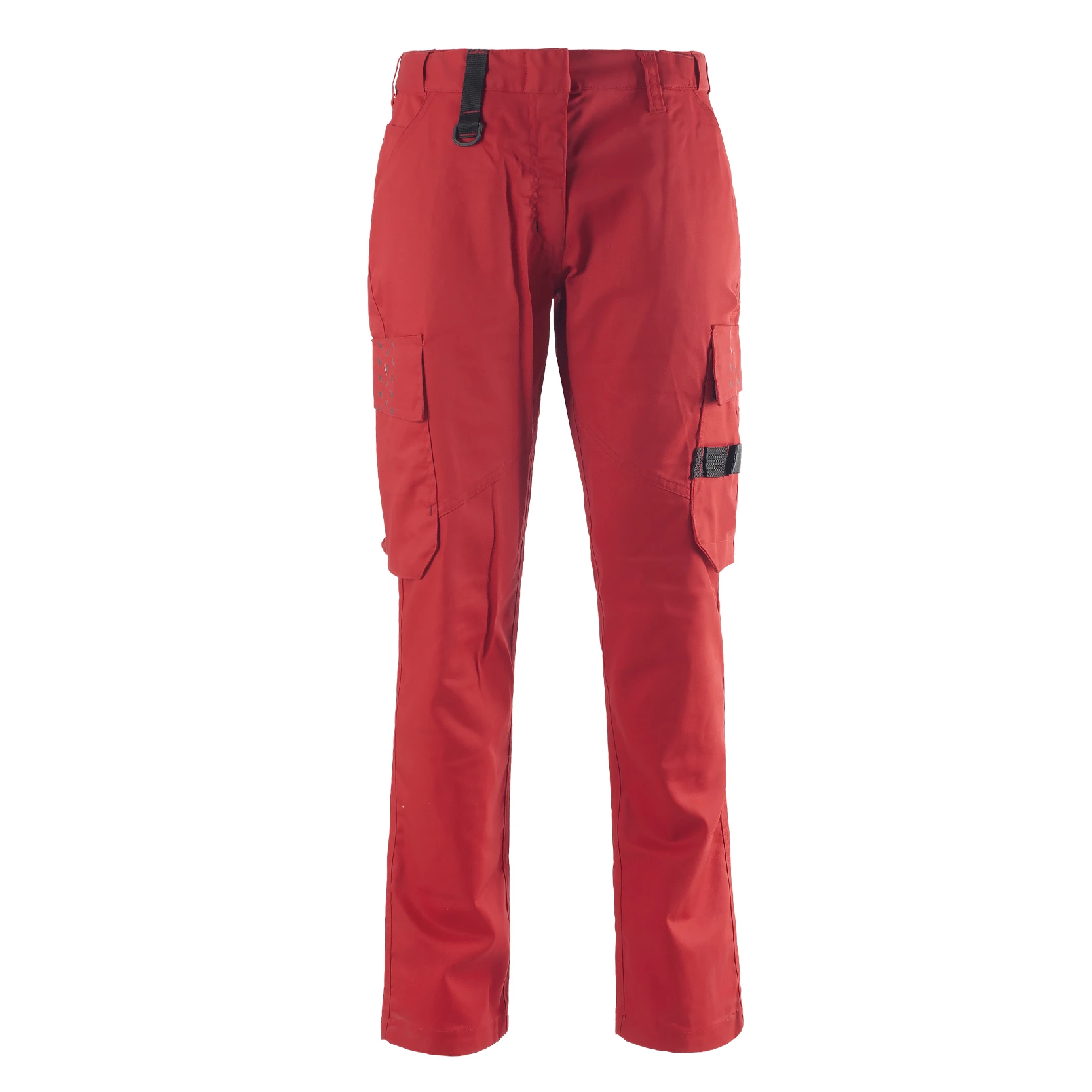
Workwear Reflective Pants: Enhance Safety & Comfort on Every Job Site
Why Workwear Reflective Pants Matter Worldwide
If you pause for a second and think about the busy construction site, the dimly lit roadwork at night, or even emergency responders rushing through chaotic situations—what ties them together? Safety, for one. And more specifically, workwear reflective pants. These garments, designed with high-visibility and reflective materials, serve as lifesavers. Globally, accidents involving low visibility cost thousands of lives each year, so understanding the role and benefits of reflective workwear isn’t just an industry topic—it’s a global safety imperative.
Better visibility on-site reduces accidents, improves productivity, and fosters confidence among workers. Implementing reflective trousers has become a standard in occupational safety protocols, and rightly so. Plus, with increasing global construction, transportation, and humanitarian projects, their relevance is rapidly expanding.
Global Landscape: The Growing Demand for Visibility in Workwear
According to the International Labour Organization (ILO), over 2.3 million people die yearly due to workplace accidents or diseases, many related directly to unsafe conditions such as poor visibility. While some might see reflective clothing as a luxury or a minor protective gear, it’s actually a crucial tool.
The World Bank estimates that infrastructure and construction industries are the fastest-growing sectors globally, especially in developing nations. Naturally, these areas suffer from higher risks due to less stringent safety enforcement, limited gear supply, and night-shift work. Reflective pants become the frontline armor here.
However, challenges persist: Which fabric provides the best comfort in humid climates? How do different designs accommodate work tasks without hindering movement? These questions underscore the importance of innovating in the field of workwear reflective pants.
What Exactly Are Workwear Reflective Pants?
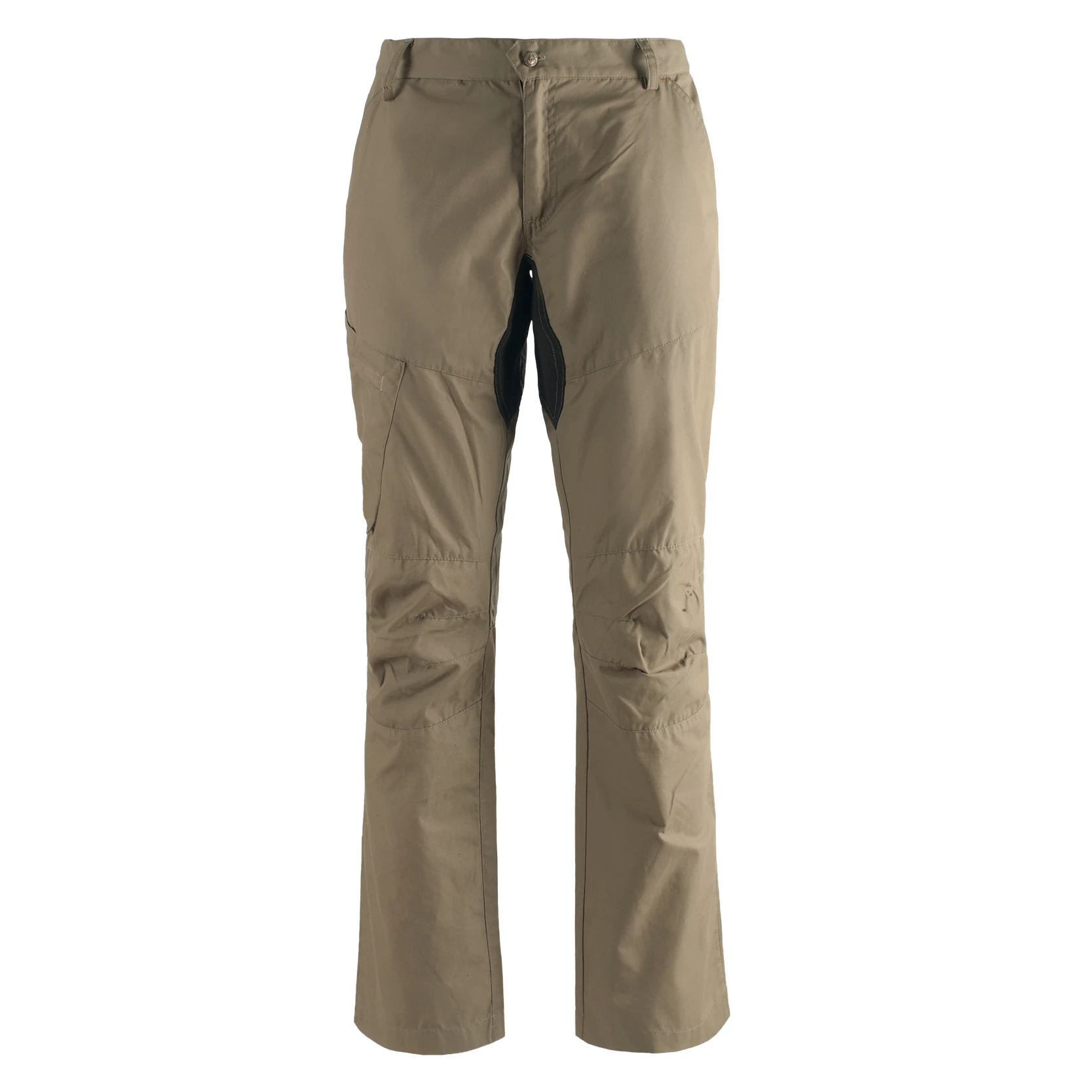
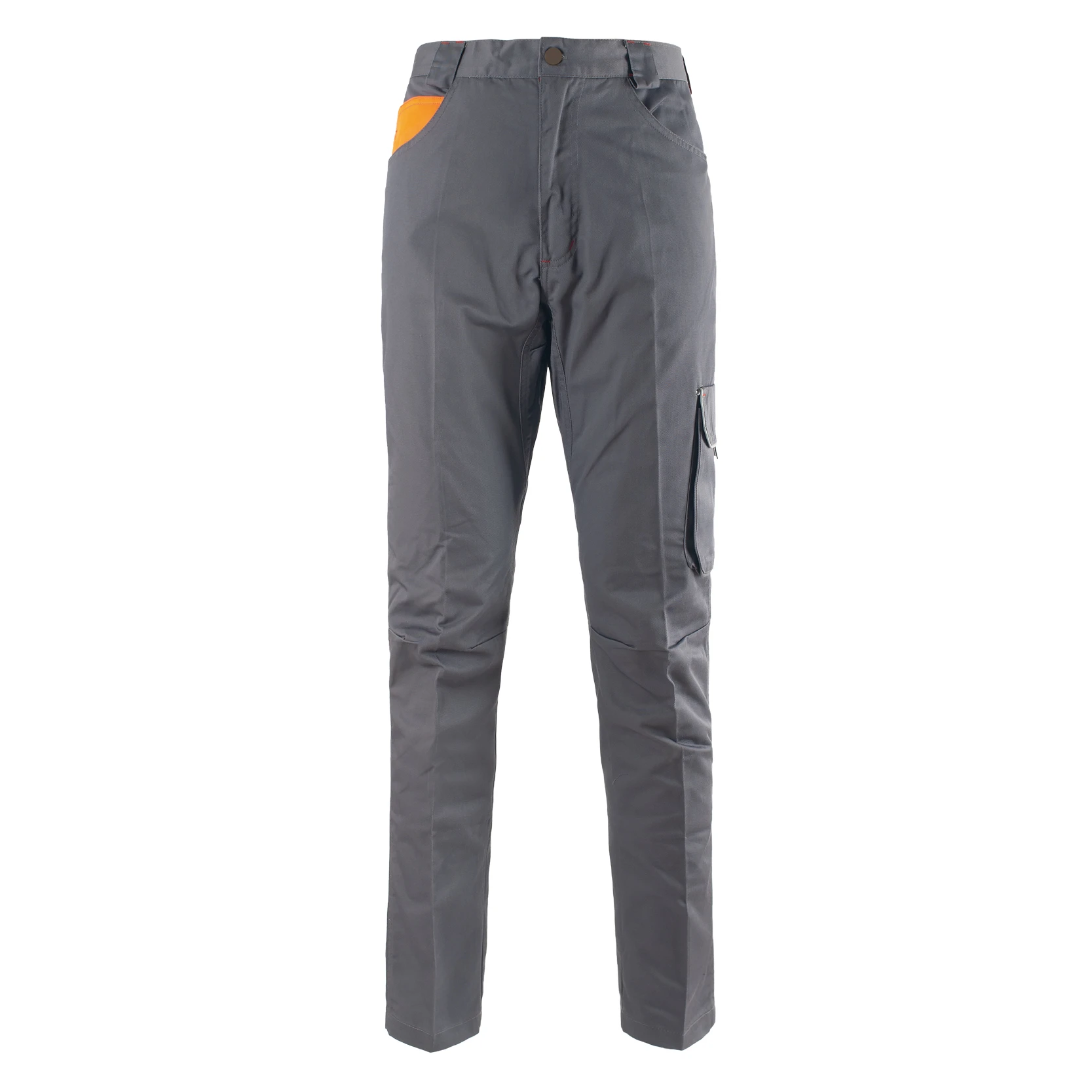
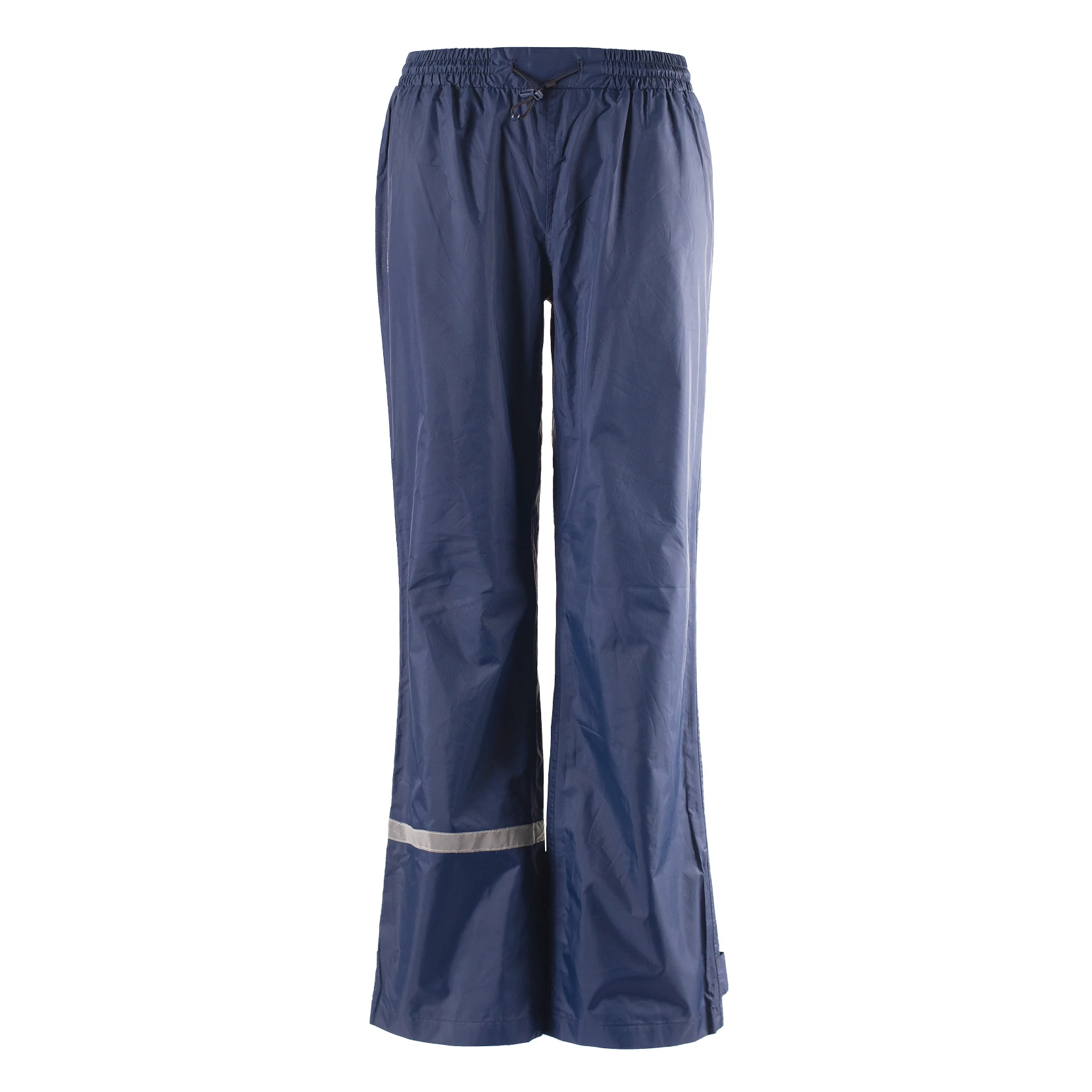
In simple terms, workwear reflective pants are heavy-duty trousers integrated with retroreflective strips and made of durable, often flame-resistant, fabrics. These pants boost visibility under low light, alerting drivers, machinery operators, and coworkers to the wearer’s presence.
From a technical standpoint, the reflective strips use microprismatic or glass bead technology to bounce back light, while the fabric can be polyester, cotton, or blends treated to repel dirt and moisture.
Such workwear serves both industrial needs and humanitarian responses. Think emergency relief workers in flood zones or infrastructure teams restoring power at night—these pants offer both protection and practical durability.
Key Factors Driving the Choice of Reflective Workwear Pants
Durability
Workwear reflective pants must withstand tough environments—from abrasive construction sites in Canada’s winter to tropical maintenance in Southeast Asia. They’re usually reinforced at knees and seams and subjected to performance testing under ISO standards 20471 for high-visibility clothing.
Comfort & Fit
Oddly enough, many workers hate stiff or overly tight pants. Breathable fabrics combined with ergonomic tailoring ensure workers aren't distracted by discomfort. Flexible stretch zones, adjustable waists, and moisture-wicking liners are game-changers.
Visibility & Certification
At the heart of it all is visibility. Pants with reflective bands must meet visibility standards like ANSI/ISEA 107 in the US or EN ISO 20471 in Europe. These certifications guarantee the pants can reflect light efficiently under diverse conditions.
Weather Resistance
Whether it’s resisting rain, mud, or extreme heat, weatherproof treatments allow pants to last longer and stay more functional. Waterproof membranes or water-repellent coatings with breathability help keep workers dry without overheating.
Cost Efficiency
Especially for companies outfitting dozens or hundreds of workers, cost-per-pair matters. Balancing upfront price with longevity and performance is key to avoid frequent replacements.
Mini Takeaway: Choosing the right workwear reflective pants is not just about slapping on some stripes—it involves balancing durability, comfort, certified visibility, weather readiness, and price point.
Worldwide Uses of Reflective Workwear Pants
From bustling European highways to disaster-struck regions like Southeast Asia or remote mining operations in Australia, reflective pants serve a surprisingly broad clientele.
- Construction and road work: High-visibility pants are regulatory requirements for traffic control and highway construction crews worldwide.
- Emergency response: Flood relief workers, firefighters, and police use them for quick identification and safety in low-light conditions.
- Utilities and telecommunications: Night shift crews repairing electrical grids or fiber-optic lines use reflective trousers for a safer workspace.
- Rail and airport ground staff: Intense vehicle traffic necessitates high-visibility gear even in broad daylight.
In global NGO projects—particularly those coordinated with UN guidelines on safety—reflective garments become vital for frontline workers where even a moment’s invisible presence could mean catastrophe.
Advantages & Long-Term Value of Using Reflective Workwear Pants
The benefits are many but worth highlighting not only from the obvious safety perspective but emotional and economic sides. For example:
- Reduced accidents and fatalities: When workers are seen, incidents drop dramatically.
- Improved worker morale: Feeling safe and cared for enhances motivation and reduces absenteeism.
- Cost savings: Durable pants reduce the frequency of replacements, plus avoiding accidents cuts insurance and compensation costs.
- Supports sustainability goals: Choosing pants made with recycled materials or sustainable production methods ties into broader green efforts.
Product Specifications: A Snapshot
| Feature | Specification |
|---|---|
| Material | 65% polyester / 35% cotton blend |
| Reflective Tape | Silver microprismatic strips, 3M certified |
| Certification | EN ISO 20471 Class 2 |
| Water Resistance | Water-repellent coating, breathable |
| Weight | 300 g/m² medium weight suitable for year-round use |
| Sizes Available | 28–54 Waist, Regular and Tall lengths |
Comparing the Leading Vendors of Reflective Workwear Pants
| Vendor | Price Range (per pair) | Certifications | Sustainability | Customization Options |
|---|---|---|---|---|
| PullyTrade Co. | $45–$65 | EN ISO 20471, ANSI/ISEA 107 | Recycled fibers, eco-friendly dyeing | Logo embroidery, color variations |
| SafeWear Inc. | $40–$58 | EN ISO 20471 only | Standard polyester blends | Limited custom sizes |
| ReflectPro Gear | $50–$70 | ANSI/ISEA 107 only | Incorporated recycled polyester | High degree of color and pattern options |
Innovations & What’s Next for Reflective Workwear Pants
Here’s something cool — recent developments include reflective fabrics woven directly into the textile rather than stitched on. This cuts down bulk and failure risk. Nanotechnology coatings and moisture management layers promise lighter, more breathable options. Basically, no one wants to sweat in reflective pants while working a 12-hour shift.
Sustainability is another huge wave. Companies now experiment with biodegradable reflective strips or yarns from recycled plastics, marrying safety with environmental ethics. There's also talk of integrating sensors to monitor body temperature or fatigue levels, which could transform these pants into smart safety gear.
Common Challenges and How To Address Them
Let’s not sugarcoat it: Not every reflective pant out there delivers. Some are too stiff, others cheap out on reflective quality. Low compliance with certification leads to risks and legal headaches.
The solution? Investing in trusted brands, insisting on certifications, and involving workers to test gear for ergonomics first. Regular maintenance — washing according to instructions and replacing worn reflective tape — is often overlooked but can literally save lives.
FAQs About Workwear Reflective Pants
- What makes reflective pants better than standard high-visibility vests?
- Unlike vests, reflective pants provide visibility from lower angles and protect the worker’s legs from abrasions, weather, and dirt. They complement vests by covering more body parts, critical in environments with vehicle traffic or machinery.
- How long do workwear reflective pants typically last?
- With proper care, good-quality pants last 12 to 24 months even in harsh conditions. Factors such as frequency of use, washing practices, and exposure to chemicals impact lifespan.
- Are reflective pants suitable for all weather conditions?
- Many pants are designed with breathable, water-repellent fabrics that handle rain and heat well. For extreme cold, insulated reflective pants exist, and layering is always an option.
- Can customization include company logos or additional gear pockets?
- Absolutely. Most vendors, including PullyTrade, offer logo embroidery, color options, and practical features like extra pockets or reinforced knees.
Wrapping Up
At the end of the day, workwear reflective pants are more than just compliance or mere uniforms—they are essential safety gear that protects livelihoods and lives. The right choice in material, comfort, durability, and visibility dramatically improves not just safety statistics but also worker confidence worldwide.
Whether you’re a procurement officer, safety manager, or frontline worker, investing time to understand these pants’ functional and future-forward aspects pays off in spades. For a reliable selection, visit our website and explore tailored options that fit your workforce perfectly.
Reflection: Safety is often invisible until it’s missing. And then, it’s painfully obvious. Better reflective workwear is one small step for factories and construction, one giant leap for worker wellbeing.