
Apr 16, 2026
12.01 / 2025
Essential Guide to Workwear High Vis: Global Safety, Innovations, and Buying Tips
What is Workwear High Vis and Why It Matters Globally
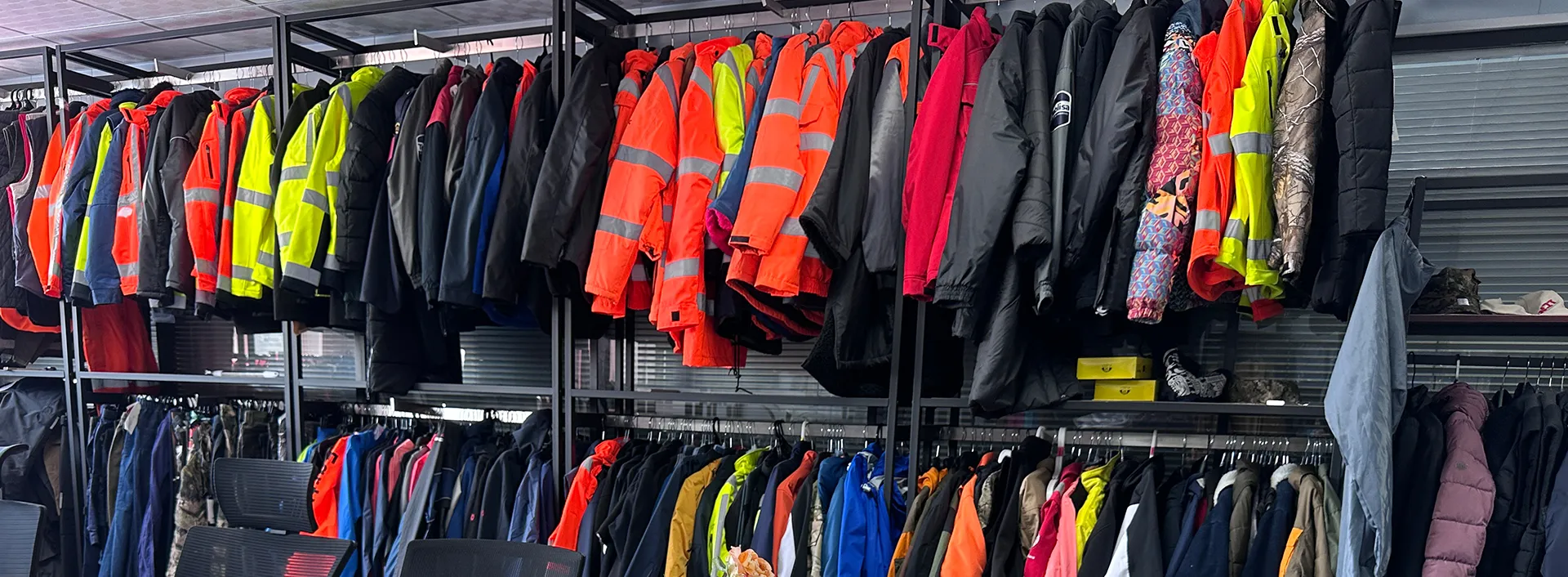
Workwear high vis—short for high visibility workwear—is the bright, reflective clothing designed to keep workers visible and safe in risky environments. It’s one of those simple but incredibly effective safety tools worn by millions worldwide. Whether you work on a highway, in construction, or in disaster zones, high vis gear plays a critical role in preventing accidents and saving lives.
Globally, with over 270 million workplace injuries per year (ILO estimates), safety equipment like high visibility workwear is crucial. The industries that rely on this apparel—construction, manufacturing, emergency response—are foundational in economic rebuilding and humanitarian efforts. So it isn’t just about being seen, it’s about sustaining health, productivity, and dignity in challenging work. Oddly enough, something as 'basic' as neon yellow or orange clothing turns out to be a linchpin in global safety management.
Mini Takeaway: High visibility workwear isn’t just protective clothing — it’s a global safety lifeline across hazardous industries and crisis zones alike.
The Global Context: Why Workwear High Vis is More Relevant Than Ever
According to the International Labour Organization (ILO) and ISO safety standards, workplace visibility drastically reduces the likelihood of accidents by making workers conspicuous across all light conditions. The World Bank reported in 2022 that as infrastructure projects expand in emerging economies, worker safety protocols including workwear high vis adoption have become legislation in more than 70 countries.
The challenge? In many regions—especially where informal or seasonal labor is common—ensuring access to durable and standards-compliant high visibility gear is tough. Without it, worker morbidity rates climb, and insurance costs skyrocket. It’s a complex puzzle connecting economics, regulation, and social responsibility, but one with tangible solutions.
Defining Workwear High Vis: More Than Just Bright Colors
Put simply, “workwear high vis” refers to apparel designed with fluorescent fabrics and reflective strips that catch and bounce back light, making wearers visible from a distance under daylight or night conditions.
It’s not just neon vests anymore. Today’s high visibility gear includes full jackets, trousers, gloves, and even helmets embedded with reflective elements. This product category evolved as industry risks grew and compliance standards tightened — think ISO 20471, the cornerstone standard detailing minimum visibility levels.
Mini Takeaway: High vis workwear is an engineered safety solution blending fabric technology with regulatory demands for optimum worker visibility.
Key Components of Effective Workwear High Vis
1. Durability
Workwear has to endure tough conditions: dirt, weather, abrasion, you name it. High vis gear today uses polyester blends and ripstop fabrics, often treated to resist UV fading and stains. Durability isn't a “nice-to-have” — it directly impacts how long safety is ensured and how often replacements are needed.
2. Regulatory Compliance
Many industries require adherence to ISO 20471 or ANSI/ISEA 107 in North America, dictating brightness, reflective strip width, and garment coverage. Compliance isn’t just bureaucratic hassle — it certifies that the workwear will perform under specified visibility conditions.
3. Comfort and Fit
High vis clothing is often bulky, but innovations in fabric stretch and breathability help keep workers comfortable. This aspect is crucial because uncomfortable gear often gets pushed aside, defeating its purpose.
4. Scalability and Customization
Large operations need scalable solutions — fleets of uniformed crews need consistent gear fast. Manufacturers also offer custom branding, from logos to color coding, to streamline identity and compliance.
5. Cost Efficiency
Obviously, budgets matter. Selecting gear that balances upfront cost with longevity and visibility leads to better long-term savings. Many companies invest more initially for durable, high-standard apparel to avoid frequent replacements.
| Specification | Details |
|---|---|
| Material | Polyester 300D Ripstop with reflective 3M Scotchlite tape |
| Visibility Standard | ISO 20471 Class 3 |
| Color Options | Fluorescent Yellow, Orange, Lime Green |
| Weight | Approx. 360 g/m² |
| Water Resistance | PU Coated, Light Rain Protection |
| Sizes | S - 5XL |
Real-World Applications of Workwear High Vis
Let’s be honest, you usually see high vis in construction zones or along busy roads. But its reach is far broader. In post-disaster relief operations—like after hurricanes or earthquakes—emergency responders rely on high visibility gear to stay visible amid chaos and debris.
Remote industrial zones in harsh climates, like mining sites in Australia or oil rigs in the North Sea, also use this technology extensively. Even airport ground crews and warehouse workers benefit daily. Each environment molds the specific requirements for comfort, environmental resistance, and durability.
Mini Takeaway: Whether rebuilding communities or moving cargo at night, high vis gear adapts to save lives wherever worker visibility is mission critical.
The Many Advantages and Lasting Benefits of High Visibility Workwear
- Safety First: The most obvious benefit—reducing accidents and fatalities.
- Sustainability: Durable materials mean less frequent replacements, reducing waste.
- Social Impact: Upholding worker dignity by providing protective gear signals respect and value.
- Reliability: Consistent performance under varying environmental conditions builds trust.
- Cost Savings: Lower insurance claims and fewer lost workdays.
All that sums up how inclusive safety gear can improve both lives and bottom lines. And frankly, when workers feel valued, they perform better—that’s human nature.
Innovations and Future Trends Shaping Workwear High Vis
The industry is buzzing with advances in materials science. Imagine high visibility fabrics made from recycled plastics while maintaining superior brightness and durability. Digital textile printing now allows more complex sociotechnical integration—like embedding LEDs or sensors that track worker location or exposure to hazardous gases.
New regulations push companies toward greener production and circular economy models, perhaps ending with workwear being recyclable or biodegradable. Automation and AI could personalize safety gear to individual worker needs and real-time environmental risks.
While many of these ideas feel futuristic, prototypes are already in trials in Europe and North America, promising a future where workwear is both smart and sustainable.
Challenges and Practical Solutions in Deploying Workwear High Vis
It’s not all smooth sailing. In some developing areas, cost barriers limit access to certified gear. Field conditions also sometimes make reflective tapes peel or fade earlier than expected, reducing effectiveness.
Manufacturers are combating these by innovating stronger bonding methods and offering modular gear systems — think detachable liners for easy cleaning, or hybrid fabrics that combine comfort with ruggedness.
Plus, training workers to wear gear properly is essential. No amount of tech compensates for non-use or improper maintenance.
| Vendor | Price Range | Compliance | Customization | Lead Time |
|---|---|---|---|---|
| BrightWork Gear | $$ | ISO 20471 Class 3 | Logos, Colors | 2–3 weeks |
| SafeSpot Apparel | $$$ | ANSI/ISEA 107 & ISO | Full Custom Program | 4–6 weeks |
| EcoVis Solutions | $$ | ISO 20471 & Recycled Fabrics | Limited | 3–4 weeks |
FAQ: Common Questions on Workwear High Vis
Q1: How do I choose the right high visibility workwear for my industry?
Focus on compliance with local safety regulations and the specific hazards your workers face. For example, highway crews need Class 3 visibility, while warehouse staff might be fine with Class 2. Also, consider climate and comfort to maximize wearability.
Q2: Can high vis clothing withstand repeated washing without losing effectiveness?
Most quality high vis gear is designed for industrial washing and retains reflective qualities for at least 25 washing cycles. Look for gear with bonded or sewn-on reflective materials rather than glued ones to ensure durability.
Q3: Is it necessary to replace workwear high vis gear regularly?
Yes, safety standards recommend periodic replacement depending on wear, fading, and damage. Typically every 6-12 months for daily use, or sooner if physical damage is visible. Routine inspection is key.
Q4: Can NGOs or small companies access cost-effective workwear high vis?
Definitely. Many manufacturers offer bulk discounts and starter kits. Some also provide rental or lease options, which can be ideal for short-term projects or limited budgets.
Q5: Are there environmentally friendly options for high visibility workwear?
Yes, several brands now produce workwear made from recycled polyester or biodegradable materials, incorporating sustainability without sacrificing safety compliance.
Wrapping Up: Why Investing in Workwear High Vis Pays Off
At the end of the day, investing in quality workwear high vis isn’t just a regulatory checkbox. It’s a commitment to people’s well-being and operational reliability that pays dividends in safety, morale, and reputation. As industries continue to globalize and safety standards tighten, this seemingly simple gear remains at the frontline of risk prevention.
Interested in finding out more or stocking up on the latest high visibility solutions? Don’t hesitate to visit our website for expert advice and quality products.
References:
1. International Labour Organization (ILO). Safety and Health at Work.
2. ISO 20471:2013 High Visibility Clothing.
3. World Bank Infrastructure Health Reports 2022.