
Apr 16, 2026
11.18 / 2025
Work Coat High Vis - The Essential Safety Garment for Modern Industry
Understanding Work Coat High Vis: Why It Matters in Today’s World
In the bustling chaos of construction sites, busy warehouses, or emergency response efforts, visibility can be the difference between safety and harm. Enter the work coat high vis — a seemingly simple garment with a seriously important role. Globally, with rising industrial activities and increasing safety regulations, the demand for high visibility clothing continues to skyrocket. It’s not just about a bright color; it’s about protecting lives, improving workflow, and even meeting regulatory compliance.
Why should we care? Because behind every vivid orange or neon yellow coat is a promise: to keep workers safe, visible, and operational even in challenging environments. Understanding these coats and their benefits is crucial for industries worldwide — from urban centers to remote work sites — especially as safety standards tighten and humanitarian needs grow.
Mini takeaway: A high visibility work coat is more than just gear—it’s a lifesaver, a compliance tool, and an efficiency enhancer rolled into one.
The Global Context: The Rising Imperative for High Visibility Workwear
According to the International Labour Organization (ILO), approximately 2.3 million people die annually from work-related accidents and diseases. A significant portion of these incidents are preventable, often stemming from poor visibility in hazardous zones. The global construction and logistics sectors alone are seeing massive expansions — World Bank data suggests that infrastructure investment worldwide is increasing steadily, meaning more workers exposed to risk.
In response, many governments have enforced strict standards (such as ISO 20471:2013 for high visibility clothing) to reduce workplace accidents. This has led to a spike in demand for work coat high vis options that meet these tough regulations. Addressing visibility challenges means safer urban development, more reliable emergency responses, and improved confidence for outdoor workers under extreme conditions.
Mini takeaway: Global industrial growth and safety standards make high visibility work coats a must-have, not a luxury.
So, what exactly is a 'work coat high vis'?
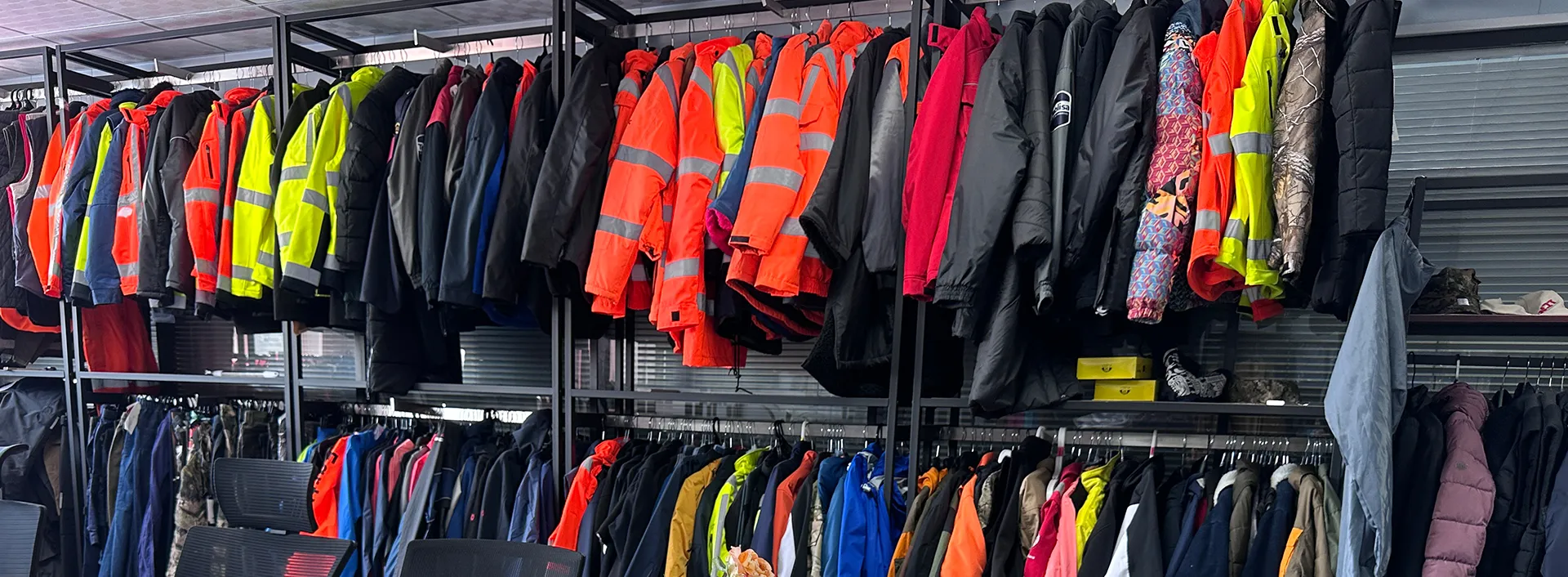
Simply put, a work coat high vis is a durable outer garment designed with fluorescent color panels and reflective strips, specifically engineered to make the wearer clearly visible in various lighting conditions—even dusk, fog, or night. These coats marry visibility with protection against weather, heat, and abrasion.
They originate from industry needs but have found humanitarian applications too. Think rescue workers navigating disaster zones or highway crews working in low light. The bright hues combined with reflective materials help reduce accidents by alerting others to a person’s presence. It’s a straightforward idea but wildly effective.
Mini takeaway: At its core, a work coat high vis means safety you can see—and trust.
Core Components of High Visibility Work Coats
1. Durability and Weather Resistance
Quality work coats must endure harsh environments—rain, wind, dirt, and rough contact. Manufacturers use abrasion-resistant fabric blends like polyester-cotton mixes or even high-tech woven synthetics. Water resistance or waterproof coatings come standard on better models, keeping workers dry without sacrificing breathability.
2. Bright Fluorescent Fabrics
Typical colors include neon yellow, orange, and lime green, chosen because they stand out against natural backdrops and urban settings. These fluorescent hues absorb UV light and emit it, making the wearer glow even in low daylight.
3. Reflective Tape Technology
Reflective strips are a little miracle—composed of microglass beads or prismatic material, they bounce light from vehicle headlights or flashlights directly back, drastically improving nighttime visibility.
4. Functional Design Features
Multiple pockets, adjustable cuffs, ventilation zones, and even detachable liners enhance usability. Some coats have tear-away or flame-resistant features tailored to specific job demands.
5. Certification Compliance
Look out for compliance with standards such as EN ISO 20471 or ANSI/ISEA 107, which verify that the garment performs well in visibility tests.
Mini takeaway: High vis work coats aren’t just bright jackets; they’re carefully engineered safety systems.
Where Are These High Vis Coats Making a Difference?
- Construction Sites: From skyscrapers in New York to solar farms in Australia, high vis coats help protect workers amidst machines and traffic.
- Emergency & Disaster Response: In earthquake or flood zones, relief workers wear them to stay visible to each other and incoming vehicles.
- Transportation and Logistics: Truck drivers, airport ground staff, and warehouse teams rely on visibility gear for safe coordination.
- Utilities and Maintenance: Power line technicians and road crews operating near highways during adverse conditions need high performance coats.
- Mining & Heavy Industry: Deep underground or open-pit operations use high visibility gear to prevent accidents even in dusty, dimly lit settings.
Oddly enough, in some remote areas, these coats have become a symbol of safety culture — reinforcing trust between workers and their employers, particularly in countries where safety has historically taken a backseat.
Mini takeaway: Work coat high vis gear finds critical use everywhere people face visibility risks.
Advantages & Long-Term Value of High Visibility Work Coats
Beyond the obvious safety benefit, these coats offer solid economic advantages. Fewer accidents mean fewer costly work stoppages, insurance claims, and legal headaches. Plus, durable fabrics extend garment life, reducing replacement frequency.
Psychologically, workers feel more secure knowing they’re visible to colleagues and drivers alike — fostering a culture of care and diligence. Socially, companies promoting high visibility gear contribute to broader safety awareness campaigns, raising standards industry-wide.
In many ways, investing in high vis work coats is about trust — trust that your people are protected, visible, and valued on the job every single day.
Mini takeaway: High vis coats pay dividends in safety, stature, and sustainability.
Product Specification Table: Typical Work Coat High Vis Features
| Feature | Specification | Benefit |
|---|---|---|
| Material | Polyester-Cotton Blend (300–350 gsm) | Durable, breathable, water resistant |
| Color Options | Neon Yellow, Orange, Lime Green | High daytime visibility |
| Reflective Tape Width | 5 cm grades 2+ reflective strips | Enhanced nighttime visibility |
| Weather Resistance | Water-repellent coating (e.g. PU-coated) | Protection against rain, wind |
| Certifications | EN ISO 20471:2013, ANSI/ISEA 107-2020 | Verified compliance for safety |
| Additional Features | Multiple pockets, adjustable cuffs, detachable liner | Worker comfort and adaptability |
Comparing Leading Work Coat High Vis Vendors
| Vendor | Price Range (USD) | Certifications | Key Features | Ideal Use |
|---|---|---|---|---|
| BrightGuard Safety | $45–65 | EN ISO 20471, ANSI/ISEA | Water resistant, flame retardant option | Construction, utilities |
| VisPro Gear | $50–75 | EN ISO 20471, CSA Z96 | Lightweight, breathable, multiple pockets | Emergency services, transport |
| SafeWear Pro | $60–85 | ANSI/ISEA 107 | Reinforced seams, tear-away panels | Mining, heavy industry |
Looking Ahead: Future Trends in Work Coat High Vis Technology
The industry isn’t standing still. We're seeing interesting materials like eco-friendly recycled fibers and phase-change fabrics that regulate temperature—ideal for outdoor workers facing summers that feel hotter year-to-year. Smart textiles also promise embedded LEDs or sensors alerting workers and supervisors about location or hazardous gases.
Also, digital transformations in supply chains mean customization is faster than ever; companies can order personalized high vis coats for teams, boosting morale.
There’s a growing push towards sustainability, too. High-vis clothing manufacturers are exploring biodegradable fabrics and greener dyeing methods to lessen environmental footprints while maintaining safety integrity.
Mini takeaway: The future of work coat high vis clothing is smart, sustainable, and seriously promising.
Challenges and Practical Solutions in High Visibility Workwear
Despite advances, some challenges linger. Heat stress can be a real problem—workers wearing multiple layers or coats in hot climates might resist wearing them fully. Also, wear and tear can reduce reflective efficiency over time, underscoring the need for regular inspection and replacement.
Innovations like more breathable meshes, detachable liners, or hybrid fabric panels address comfort. Meanwhile, maintenance protocols and clearer training ensure garments remain effective.
Logistics for global distribution sometimes cause delays, prompting some vendors to establish regional production hubs. This responsiveness helps keep workers safe without long lead times.
FAQ: Your Burning Questions About Work Coat High Vis Answered
- Q: How do I know if a high vis work coat meets safety standards?
- A: Check for certifications like EN ISO 20471 or ANSI/ISEA 107 on labels. These indicate the garment passed rigorous visibility and durability tests. If in doubt, ask vendors for compliance documents.
- Q: Can high vis coats be customized for specific industries?
- A: Absolutely. Many suppliers offer tailored features such as flame resistance for mining, extra pockets for utilities, or water-repellent finishes for emergency responders. This ensures optimal use for your team’s conditions.
- Q: How long do these coats typically last under regular use?
- A: Roughly 1–3 years depending on work intensity, environment, and care. Regular inspections for fading or damage are vital to maintain safety.
- Q: Are there eco-friendly high vis coats available?
- A: Yes, sustainably made coats using recycled fibers or organic dyes are growing in availability. These balance environmental responsibility with robust safety features.
- Q: Where can I find reliable suppliers for work coat high vis?
- A: Trusted vendors often have clear certification transparency and good industry reviews. For a curated selection, work coat high vis options with guarantees and fast shipping can be explored.
Conclusion: More Than Just a Coat, It’s Your Safety Companion
At the end of the day, choosing a high visibility work coat is an investment not only in gear but in people’s safety, dignity, and peace of mind. Whether you’re building the roads that shape our cities or responding to crises unseen, these garments have a role to play.
If you’re considering upgrading your team’s safety apparel, don’t hesitate to visit work coat high vis specialists to find a solution tailored for your needs—because no one should ever be at risk of not being seen.
References:
1. International Labour Organization (ILO) – Workplace Safety Statistics
2. ISO 20471:2013 – High Visibility Clothing Standards
3. World Bank – Infrastructure Investment Data and Trends