
Apr 16, 2026
11.18 / 2025
Discover the Ultimate Warm Jacket for Work: Safety, Comfort & Innovation
The Warm Jacket for Work: Why It’s More Crucial Than Ever
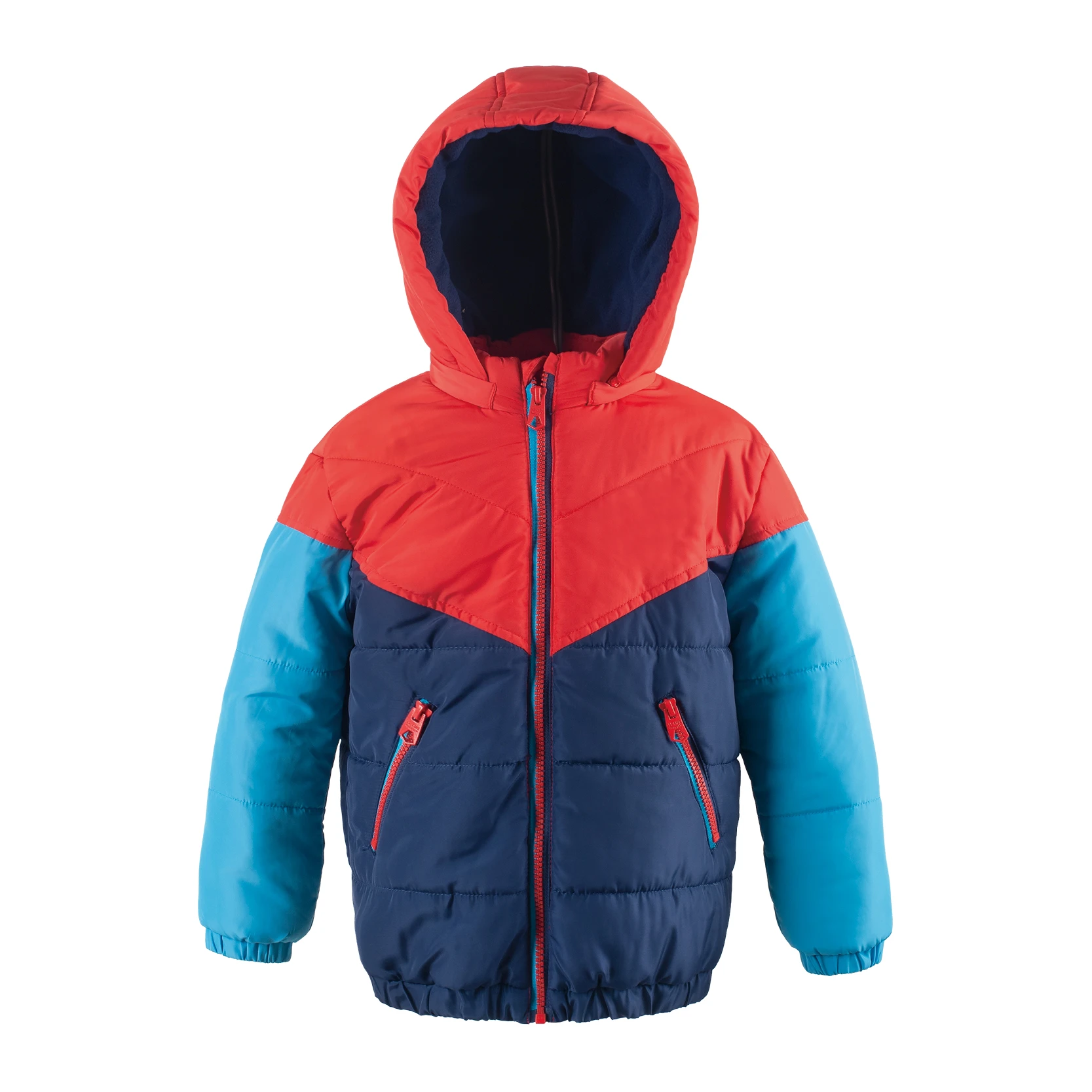
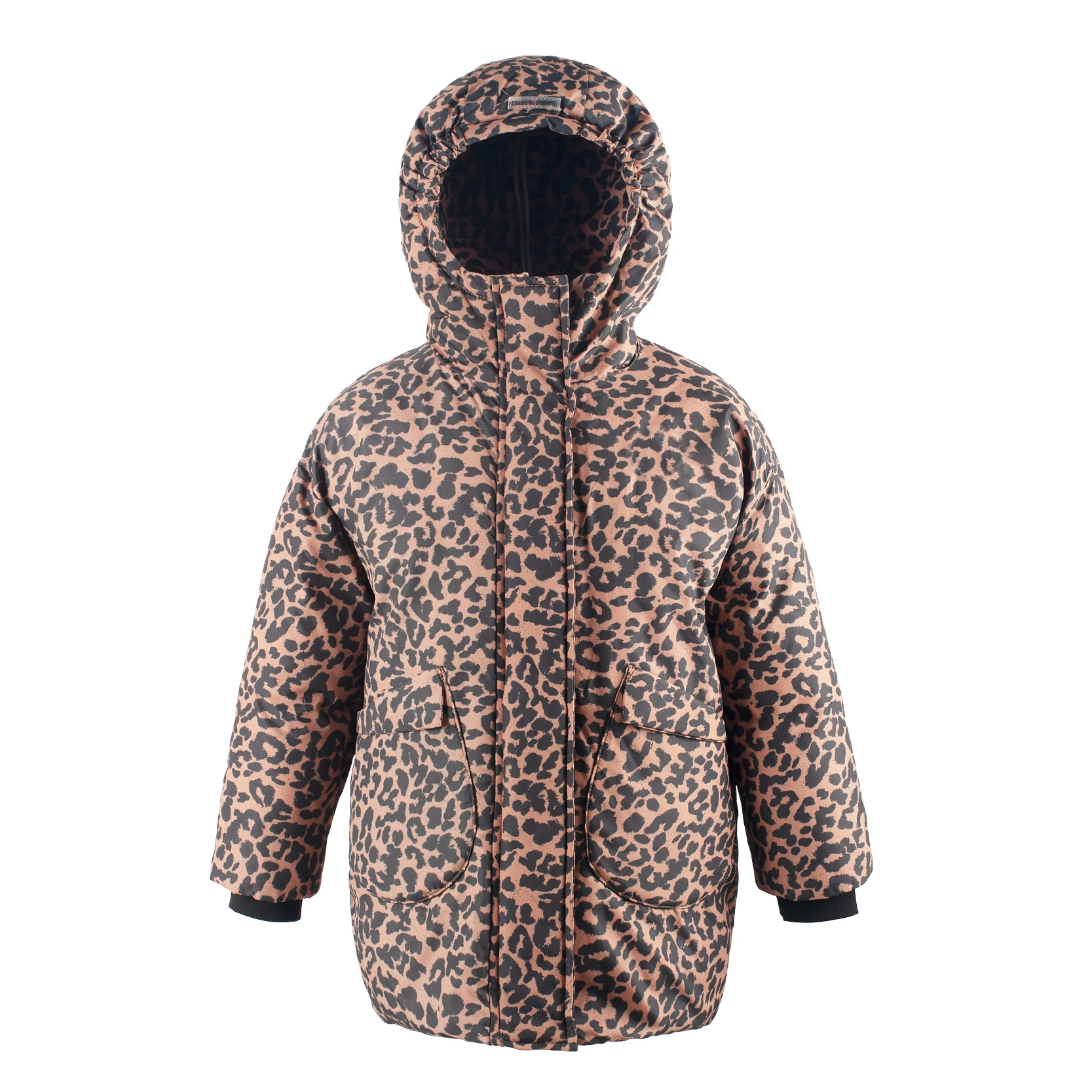
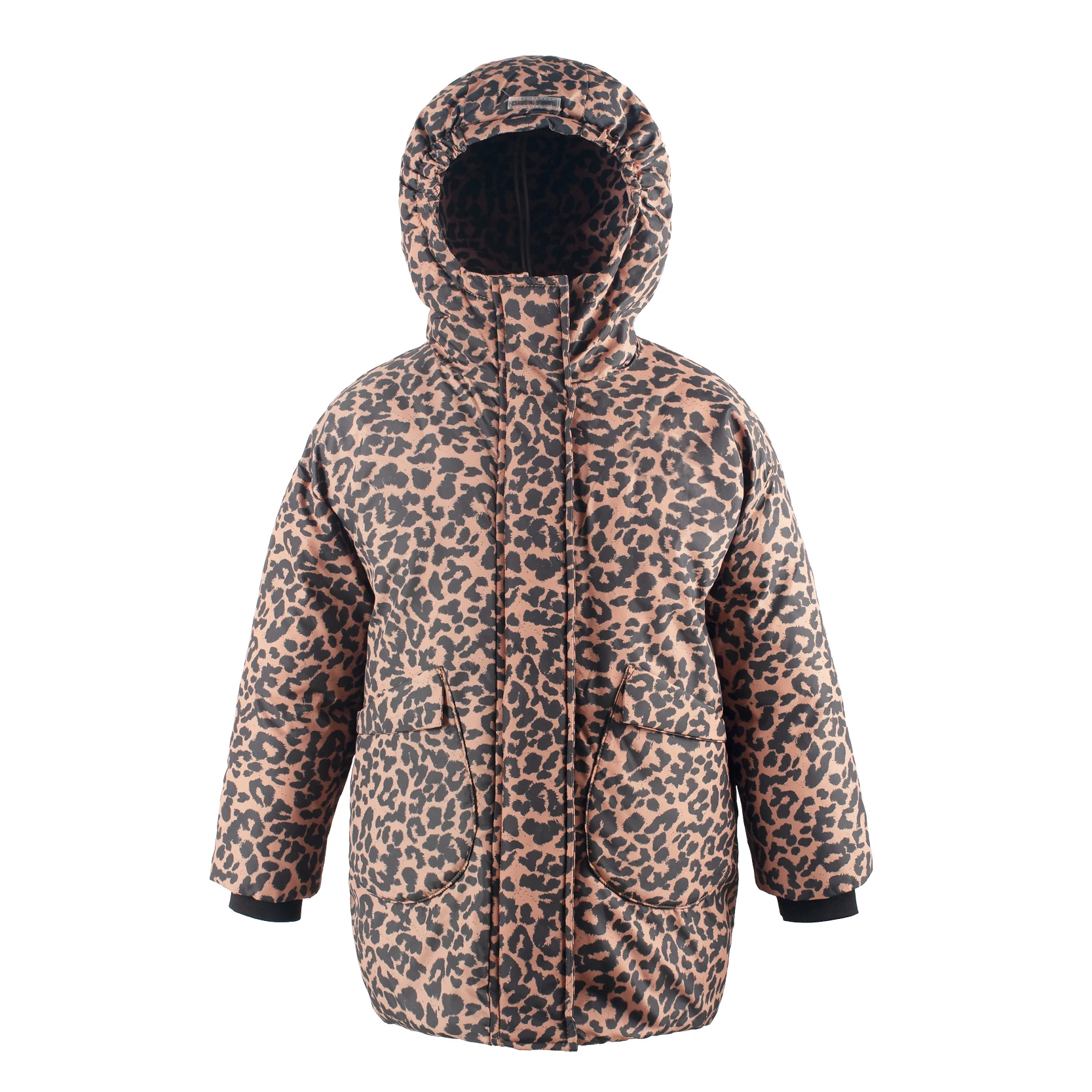
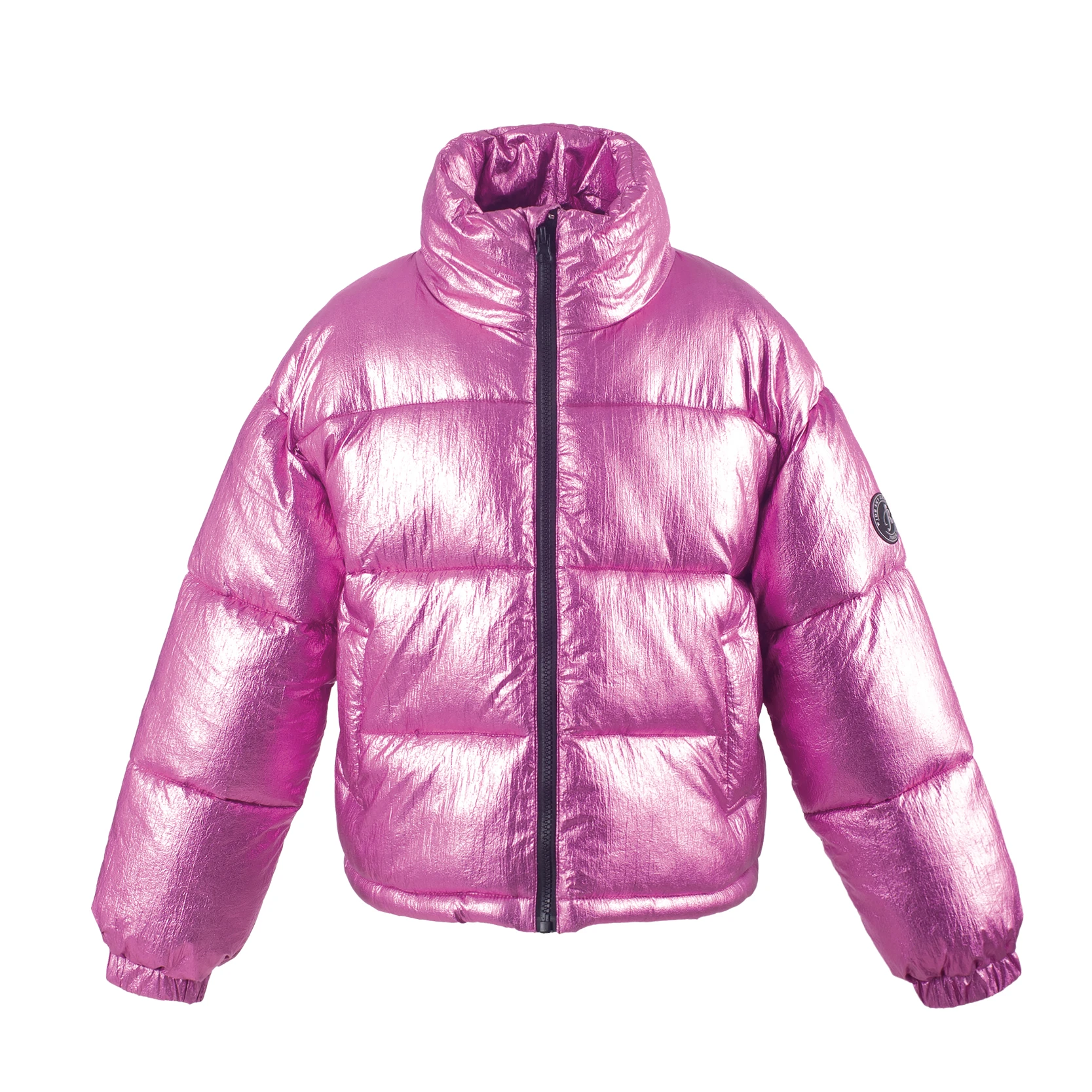
When we talk about a warm jacket for work, we’re not just talking about any old puffer or stylish coat. There’s a huge global story behind these garments, made to protect workers in some of the harshest environments imaginable — from the frigid Arctic oil fields to wind-whipped construction sites in Northern Europe, or even the chilly warehouses in North America. Understanding why these jackets matter—and what actually makes one workwear jacket “warm”—goes beyond fashion or comfort. It’s about safety, productivity, and yes: sometimes saving lives.
Consider this: according to the World Bank Climate Data, winter temperatures are becoming increasingly unpredictable, making reliable thermal workwear a must-have in many sectors. So in a bizarre way, investing in a warm jacket for work isn’t just about staying cozy — it’s about adapting to a changing, often unforgiving climate.
Mini takeaway: A warm work jacket is a frontline defense for many global industries battling tough weather—and making smart choices here translates directly into better safety and efficiency.
Understanding the Warm Work Jacket & Its Role Today
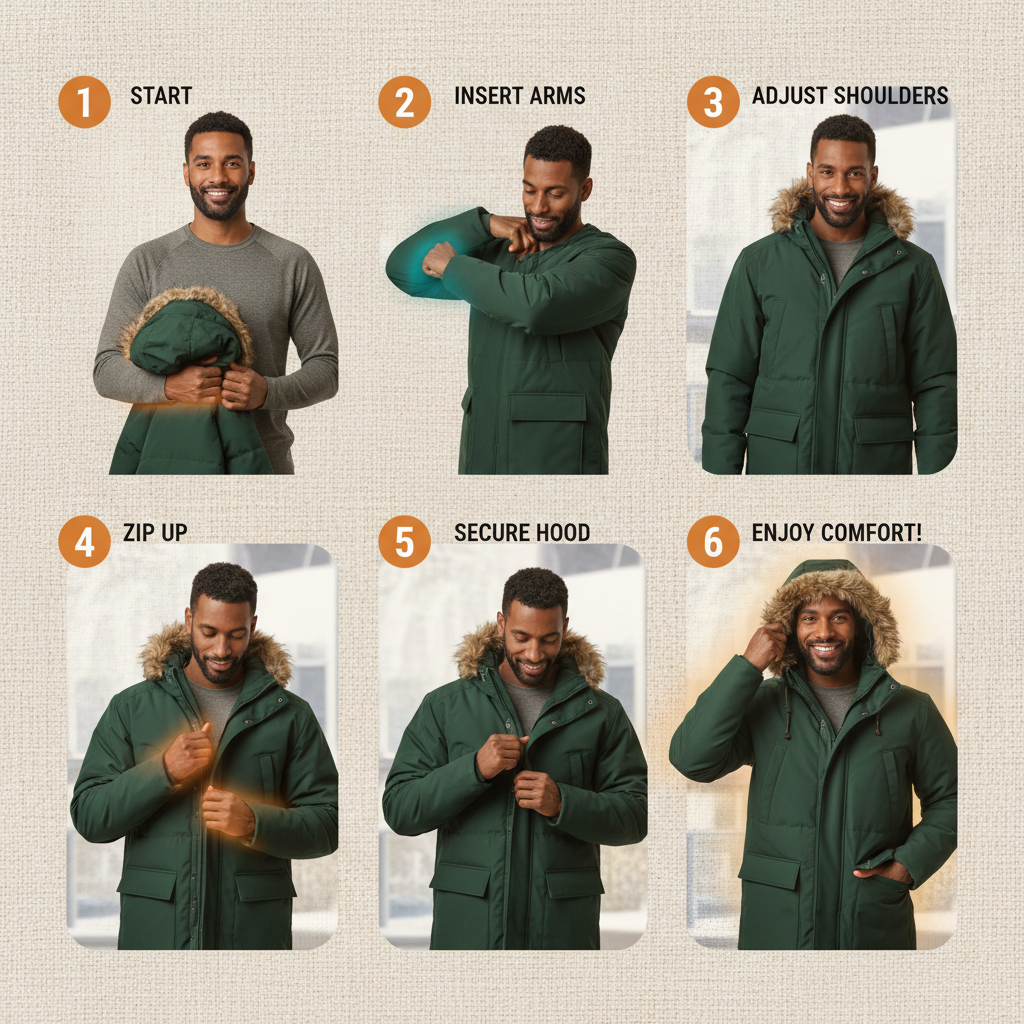
Simply put, a warm jacket for work is a specially designed outerwear piece crafted to provide insulation and protection against cold, wind, and sometimes moisture for laborers engaged in outdoor or chilly indoor tasks. Unlike casual jackets, these are engineered to withstand wear, tear, and sometimes even hazardous materials.
In modern industry, these jackets bridge functionality and worker dignity. For humanitarian efforts, such as refugee assistance or disaster relief, warm jackets can be literal lifesavers, needed to protect vulnerable populations in freezing conditions. This gets even more vital when you consider that harsh weather can amplify human suffering and disrupt critical operations.
Key Features That Define Quality Warm Jackets for Work
1. Durability
Durability isn’t just marketing jargon. For a work jacket, it must resist abrasions, tears, and repeated exposure to rough environments. Materials like heavy-duty nylon blends or Cordura fabrics make these jackets last through seasons of hard labor.
2. Thermal Insulation
A jacket’s core job is to keep you warm. Manufacturers often use down, synthetic fills like Thinsulate, or layered fleece to trap heat. Oddly enough, some jackets incorporate reflective inner linings that bounce your body heat back.
3. Water and Wind Resistance
Cold is often accompanied by wet snow or biting wind. Good warm jackets for work use waterproof membranes (like Gore-Tex) or tightly woven fabrics paired with adjustable cuffs and hoods to lock out chill.
4. Comfort & Mobility
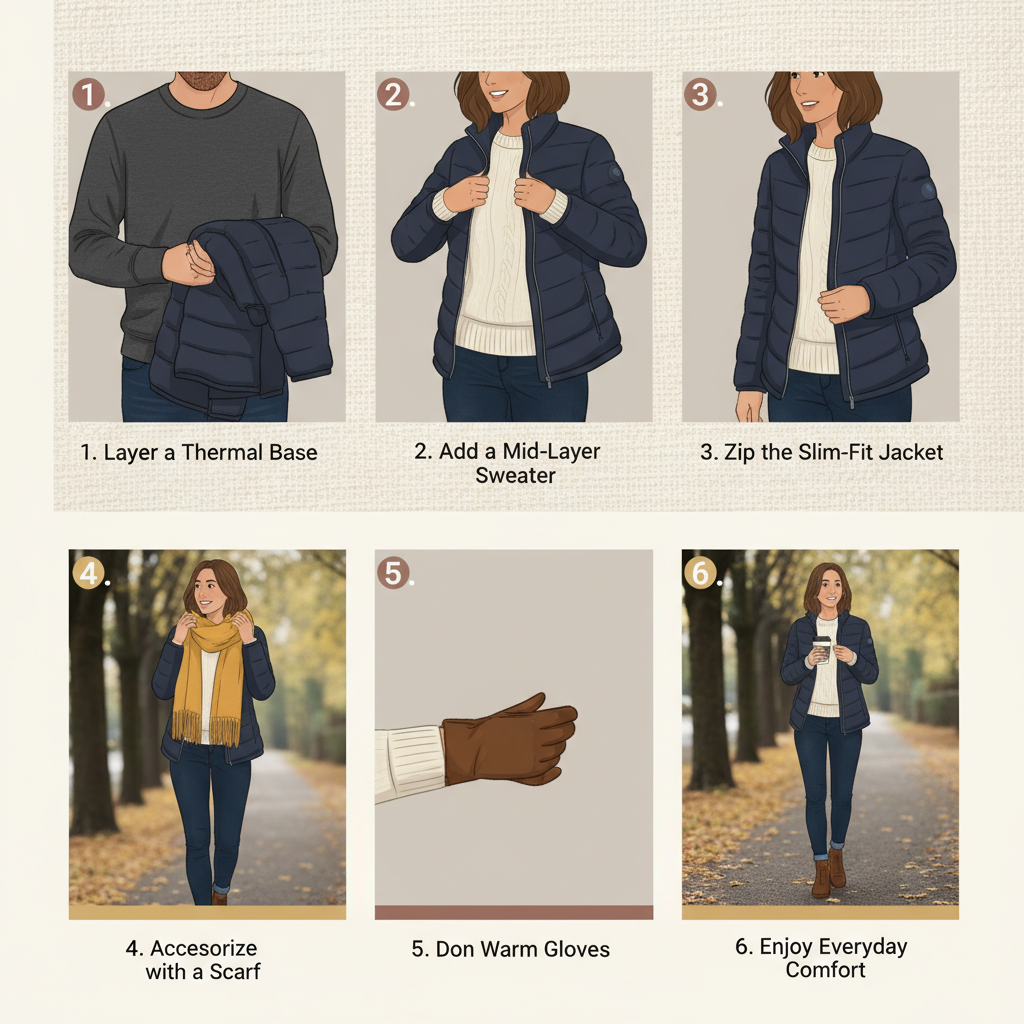
Workers need freedom of movement. Padding, while essential for warmth, is balanced with ergonomic designs — think articulated elbows, gusseted sides, stretch panels — so you don’t feel like a marshmallow.
5. Visibility and Safety Enhancements
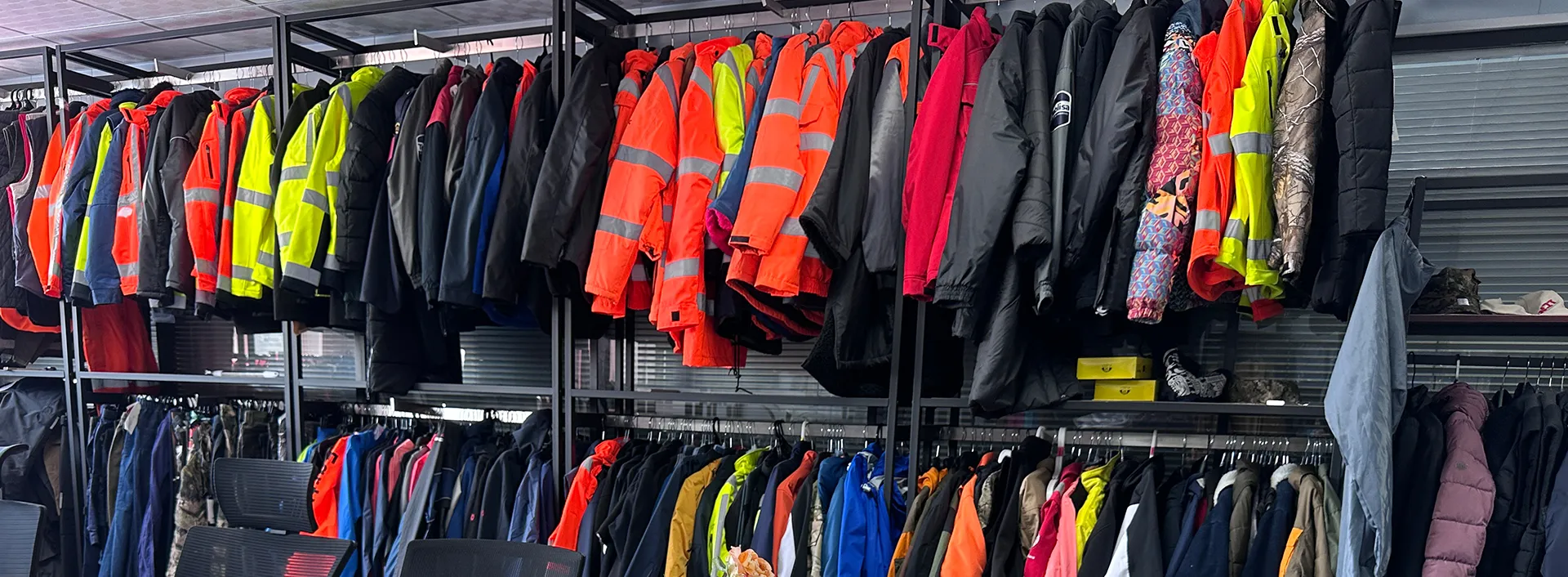
Especially in construction or roadside work, jackets often include reflective tapes or bright colors to improve visibility during low-light hours, merging warmth with occupational safety regulations.
Mini takeaway: A warm jacket isn't all fluff and fabric. It’s a precise mix of toughness, thermal performance, weather defense, and practical usability.
Where Warm Jackets for Work Show Their True Colors: Global Applications
Look around the world, and you’ll find these jackets quietly doing their job in quite diverse situations. In Canada’s oil sands, for example, workers face brutal winter blasts that can drop well below -30°C. Here, specialized insulated jackets ensure crew safety during long outdoor shifts.
Relief organizations in Eastern Europe also rely on them, distributing warm jackets to displaced populations during harsh winters. In industrial warehouses scattered across colder U.S. states, these jackets help maintain worker wellbeing without slowing down operations.
Even in technologically advanced countries like Germany or Sweden, manufacturers are innovating on these jackets to keep microfactory workers comfortable in chilly production halls.
Specifications: Side-By-Side Look at a Typical Warm Jacket for Work
| Feature | Specification |
|---|---|
| Shell Material | Ripstop Nylon with DWR coating |
| Insulation | Thinsulate 3M synthetic fill, 200g/m² |
| Waterproof Rating | 10,000 mm hydrostatic head |
| Windproof | Yes, windproof membrane laminated |
| Visibility | Reflective tape on arms and back |
| Weight | 1.2 kg (medium size) |
| Available Sizes | S - 4XL |
Vendor Comparison: Top Warm Jackets for Work Brands
| Brand | Insulation Type | Price Range | Notable Feature |
|---|---|---|---|
| PolarGuard | Down/Synthetic blend | $150 - $250 | Ultra-lightweight warmth |
| WorkArmor Pro | Thinsulate synthetic | $120 - $190 | High visibility enhancements |
| SafeTherm | PrimaLoft synthetic | $180 - $270 | Waterproof with breathable fabric |
| EcoWarm Co. | Recycled polyester insulation | $130 - $220 | Sustainably sourced materials |
The Benefits of Investing in Quality Work Jackets
There’s a logical and emotional side to choosing the right warm jacket for work. You’re not only keeping the cold and moisture at bay but also protecting workers’ health, reducing sick days, and boosting morale — all of which keep operations humming smoothly. Reliable warmth promotes concentration and reduces fatigue, while a rugged build means fewer outfit replacements.
From a social perspective, a warm work jacket shows an employer cares about their team’s welfare, which can foster loyalty and improve staff retention. And here’s the kicker: innovation in sustainable materials means many modern warm jackets are also environmentally responsible, addressing not only immediate worker needs but also long-term planetary health.
Looking Ahead: Innovation and Future Trends in Warm Work Jackets
The future of warm jackets for work feels futuristic. Smart textiles incorporating phase-change materials (PCM) that regulate temperature automatically are making waves.
Then, there’s the surge in eco-friendly and recyclable fabrics—because, frankly, it feels irresponsible not to. Expect to see embedded sensors that track worker safety metrics or body temperature, integrating with site-wide digital safety protocols.
Lastly, automation in production and customization will help manufacturers craft jackets tailored to specific workplaces and climates rather than one-size-fits-all designs. That’s where real value will be created.
Challenges and Smart Solutions in Using Warm Jackets
No product is perfect, and warm jackets can fall short if they get wet inside or trap sweat, causing discomfort. Sizing issues and layering challenges often undermine thermal performance, too. Then there’s cost — the very high-end jackets can be pricey, putting pressure on budgets.
Experts advise picking jackets with breathable membranes, and some brands now integrate detachable liners for easy washing and seasonal adjustment. On the procurement front, bulk buying with specific worker input can avoid over-spending on unnecessary features.
Frequently Asked Questions About Warm Jackets for Work
- What materials are best for a warm jacket that stands up to harsh work conditions?
- Look for durable outer fabrics like ripstop nylon or polyester with waterproof coatings, combined with synthetic insulations such as Thinsulate or PrimaLoft that resist moisture while retaining heat.
- How do I know the right size and fit for my work jacket?
- Measure yourself with layering in mind — you’ll usually want some room for a base layer or fleece underneath but avoid excessive bulk. Trying jackets at work or consulting sizing charts with customer service helps.
- Can warm jackets for work be sustainable and eco-friendly?
- Absolutely. Many brands now use recycled polyester fills or bluesign-certified fabrics, balancing warmth and environmental responsibility without sacrificing durability.
- Are high-visibility features standard on warm jackets?
- Not always, but many manufacturers add reflective tapes or bright colors as optional or standard features for safety in low-light or roadside environments.
- How should I care for my warm work jacket to prolong its lifespan?
- Follow label instructions carefully — typically, gentle machine wash with low heat drying. Avoid fabric softeners to maintain water-repellent coatings.
Wrapping Things Up
To put it simply, a warm jacket for work is so much more than just "winterwear." It’s a carefully engineered tool that safeguards workers across the globe, enabling them to perform under brutal conditions. In terms of investment, its long-term value goes beyond warmth — touching on safety, sustainability, and social responsibility in surprising ways.
If you’re on the lookout for solutions that blend technology, practicality, and care, take a moment to explore what’s available. Because at the end of the day, no matter where you work, having the right jacket is one small but essential piece in a bigger safety puzzle.