
Apr 16, 2026
12.03 / 2025
What is a Red Cross Coat? Design, Uses & Benefits for Humanitarian Aid
Understanding the Red Cross Coat: A Lifesaving Garment Across the Globe
When you hear “red cross coat,” your mind probably pictures those iconic smocks or jackets worn by relief workers in emergencies. But there’s much more to this piece of equipment than meets the eye. The red cross coat isn’t just a symbol of humanitarian aid—it’s an essential tool supporting frontline responders in demanding, often dangerous environments worldwide. Understanding its design, uses, and impact matters, not just for aid workers but also for organizations supporting disaster relief and healthcare worldwide. Let’s break down why this seemingly simple garment holds such significance, globally and practically.
Why Does the Red Cross Coat Matter Worldwide?
The Red Cross and similar organizations operate in environments where safety, visibility, and trust become critical. According to the International Federation of Red Cross and Red Crescent Societies (IFRC), there were more than 400 disasters worldwide in 2023 alone, impacting millions. In such chaotic moments, the red cross coat's distinct visibility, durability, and functionality help aid workers stay safe and be recognized quickly.
Yet challenges remain. Rough terrain, harsh weather, and the need for ease of movement all demand a coat that’s more than just symbolic. In a globalized aid economy, where swift and effective response saves lives, the red cross coat means more than red fabric—it’s about performance under pressure.
Defining the Red Cross Coat
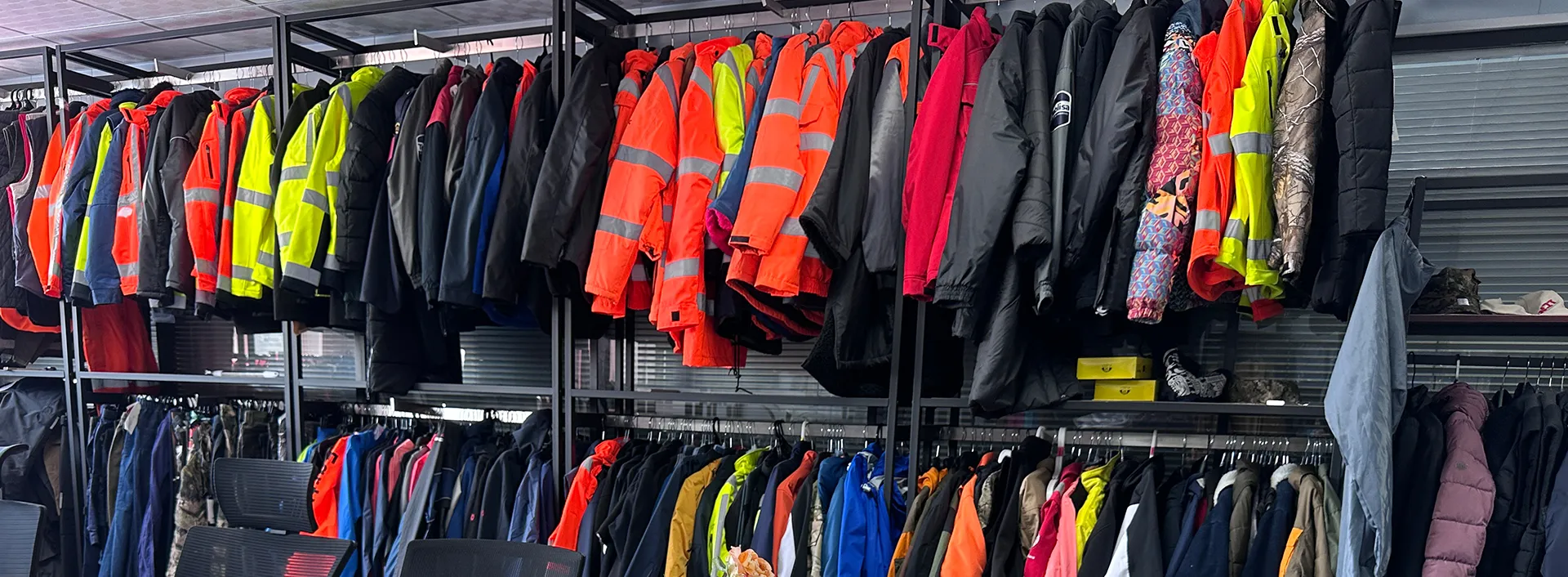
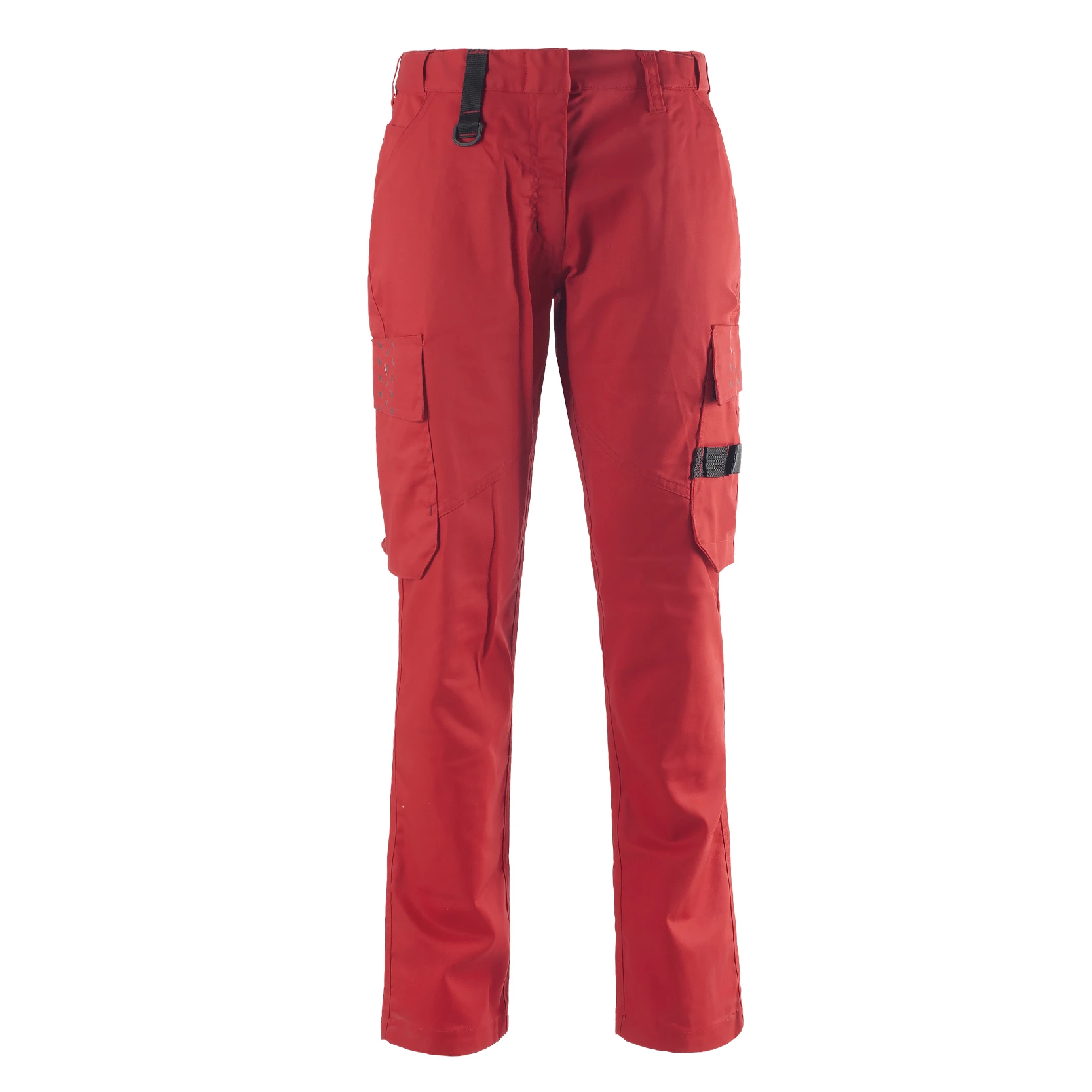
Simply put, a red cross coat is a protective outer garment, typically bright red with reflective elements and the Red Cross insignia prominently displayed. Its primary purpose is to provide protection, identification, and functionality for humanitarian workers. These coats are designed to be water-resistant, breathable, and durable — wearing one signals ‘here’s someone authorized and trained to help.’
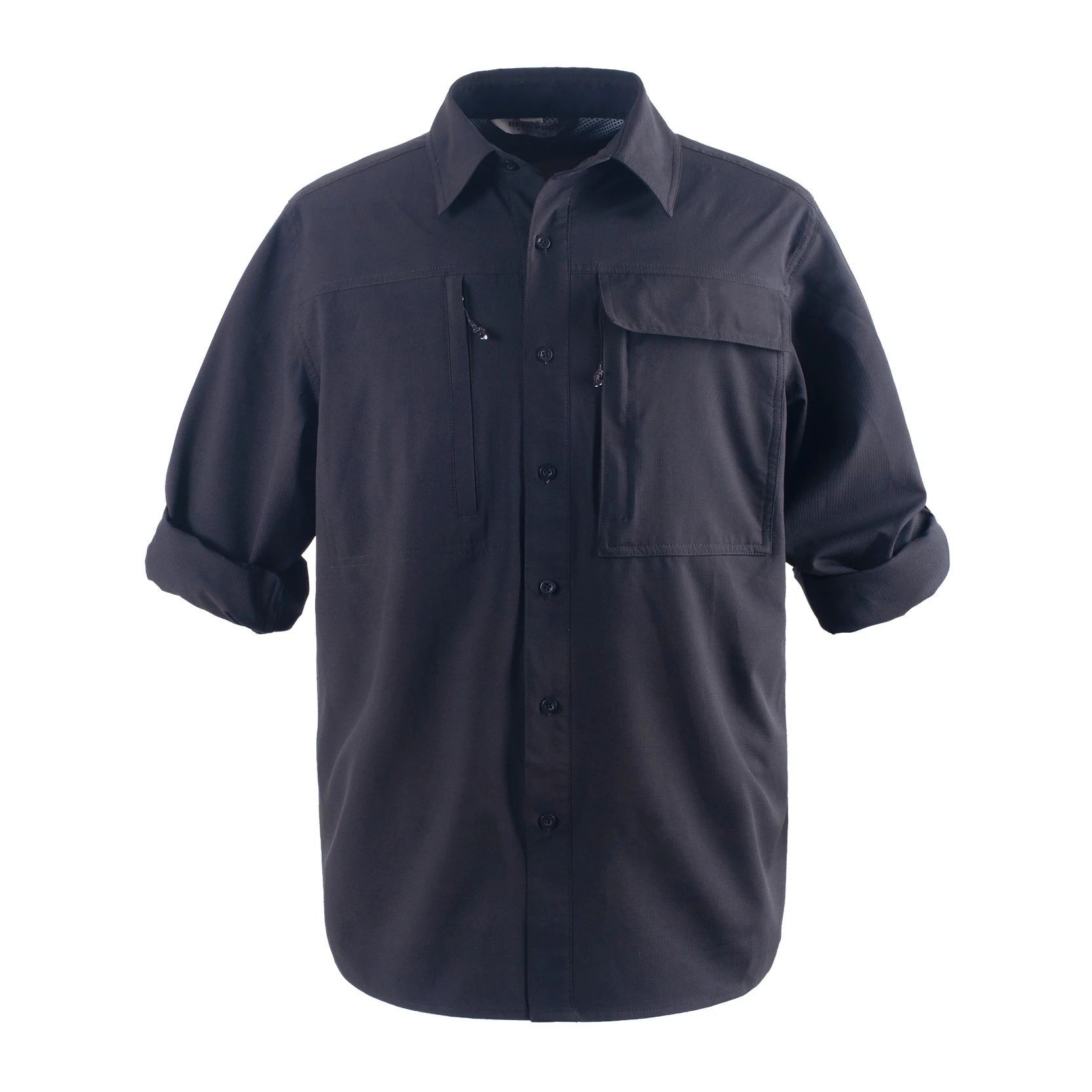
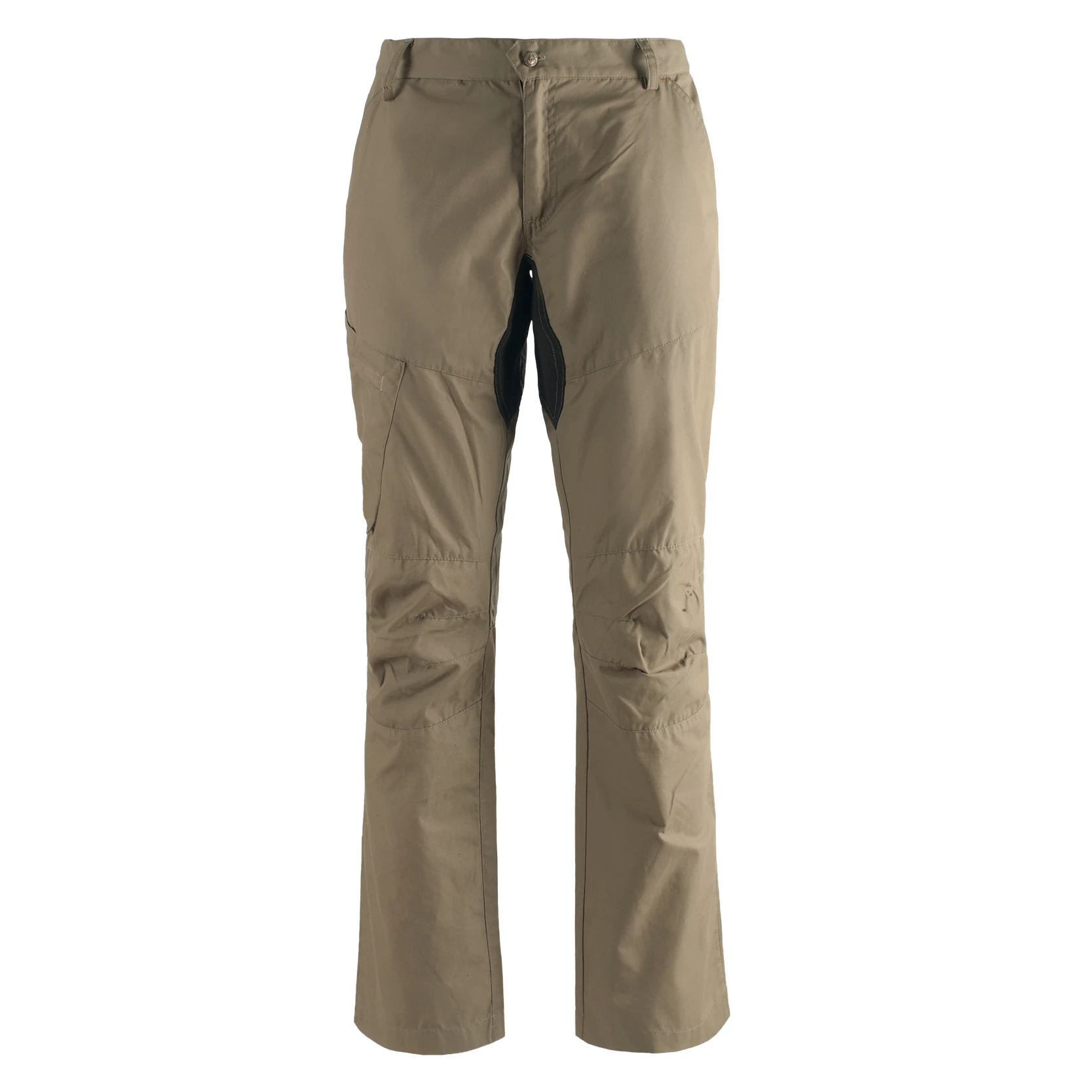
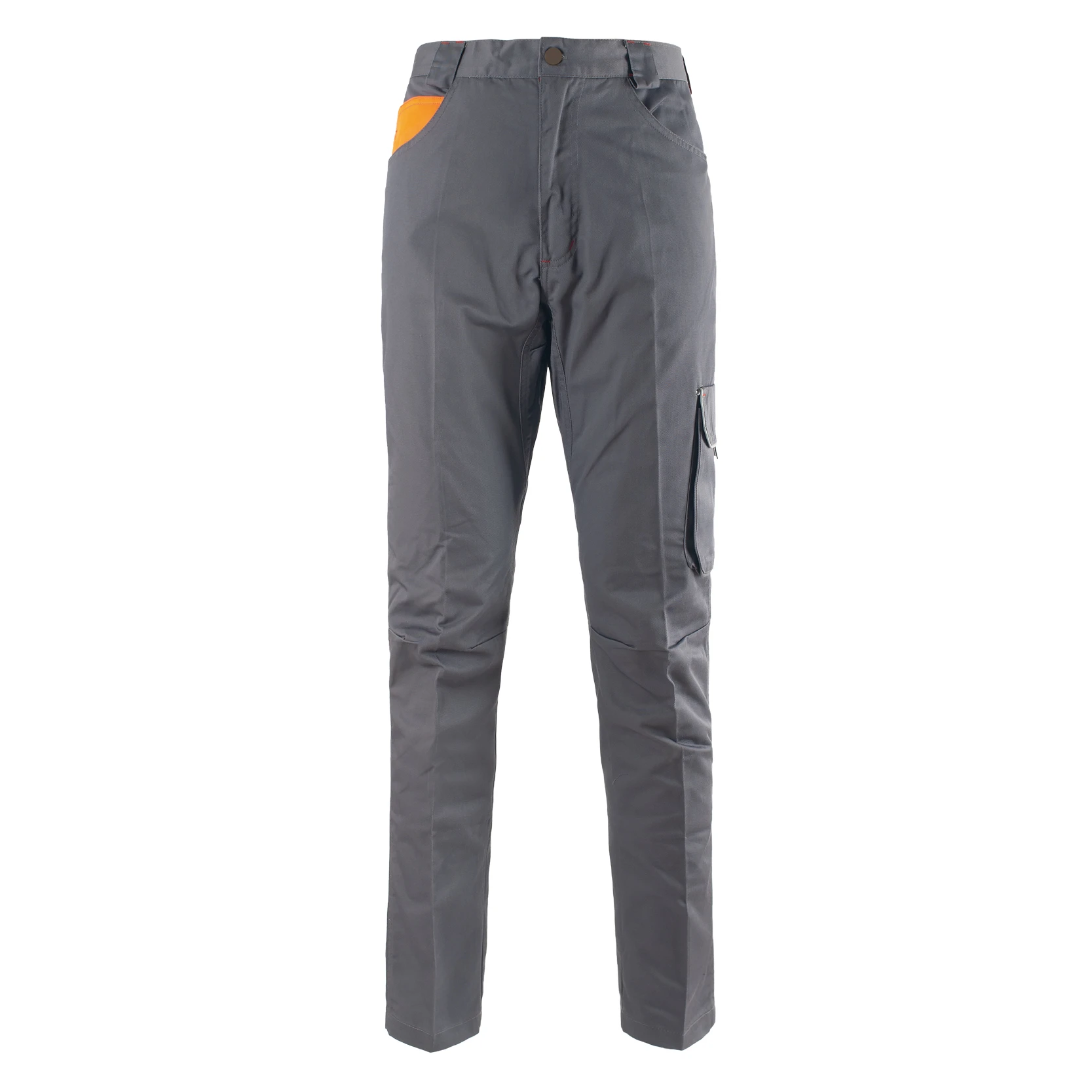
In modern industry and emergency response, they double as multi-pocket workwear, helping personnel store essentials while performing their vital duties under unpredictable conditions.
Key Factors and Core Components of the Red Cross Coat
1. Durability
Relief operations often unfold in harsh climates—rain, wind, dust, you name it. The material commonly used, such as ripstop nylon or polyester blends with reinforced stitching, ensures the coat can withstand rugged conditions without tearing or degrading fast.
2. Visibility
Bright red coloring combined with reflective strips means aid workers can be easily seen in low light or chaotic environments—critical for both safety and coordination.
3. Comfort and Mobility
Designs incorporate lightweight fabrics and ventilation to avoid overheating or restricting movement, crucial when personnel are on foot or carrying equipment.
4. Water Resistance
Given floods or rainy disasters, a water-repellent coating helps keep the wearer dry. Materials often conform with ISO standards for water resistance.
5. Identification
Large, clear Red Cross logos authenticate personnel and deter interference or confusion—there’s a trust built into the coat’s design.
Red Cross Coat Product Specifications
| Specification | Details |
|---|---|
| Material | Ripstop polyester with PU coating |
| Water Resistance | ISO 811 certified water repellency |
| Reflective Elements | 3M Scotchlite reflective tape, front & back |
| Weight | Approx. 450 grams (size M) |
| Sizes Available | S - XXL |
Global Applications & Use Cases
Globally, the red cross coat sees extensive use among humanitarian aid groups operating in conflict zones, natural disaster sites, and remote health care delivery areas. In countries like the Philippines and Indonesia, these coats are essential in typhoon response teams. Oddly enough, in harsh winters of Ukraine or Canada, their thermal layers prove lifesaving.
Industrial applications also exist — in remote mining or oil extraction sites where emergency medical teams must respond swiftly while standing out from the crowd. Many NGOs appreciate kits containing these coats because they provide instant identification and trust-building when entering volatile or sensitive areas.
Comparison of Top Red Cross Coat Vendors
| Vendor | Price Range | Special Features | Lead Time |
|---|---|---|---|
| AidWear Inc. | $45–$60 | Breathable mesh lining, detachable hood | |
| SafeAct Gear | $50–$70 | Enhanced reflective strips, antimicrobial fabric | |
| Helpline Supply | $40–$55 | Reinforced elbow pads, quick-dry tech |
Advantages & Long-Term Value
Purchasing a quality red cross coat leads to more than just appearances. There’s long-term value in reliability and trust. These coats reduce confusion among disaster victims and inter-agency teams, speeding up coordination. Plus, durable and low-maintenance fabrics save replacement costs. There’s a deep emotional impact as well—when survivors see the bright red symbol, they feel a sense of safety and dignity amid chaos. Investing in these coats is investing in professionalism and hope.
Future Trends & Innovations
Looking ahead, manufacturers are exploring bio-based, recycled materials to improve sustainability in red cross coats. Smart textiles embedded with sensors for health monitoring could become the norm, enabling live tracking of responders’ vitals. Digital transformations may also integrate QR codes onto coats for instant access to responder credentials, aiding in secure and fast identification.
Challenges & Solutions
Some challenges remain: balancing waterproofing with breathability can be tricky, especially for tropical climates. Size inclusivity and adjustable fits are sometimes overlooked, making it harder to outfit diverse teams effectively. The solution lies in ongoing feedback loops between users on the ground and manufacturers, plus embracing modular designs that allow customization to different needs.
FAQ: Frequently Asked Questions About Red Cross Coat
- Q: How should I choose the right size of a red cross coat?
A: It’s best to consult vendor sizing charts and consider layering underneath. Many brands offer adjustable features like straps or elasticized cuffs for a better fit. - Q: Are red cross coats effective in extreme cold weather?
A: Most standard coats are for moderate climates, but insulated variants with thermal lining exist for cold zones. Always check specifications if deploying to winter conditions. - Q: Can I order red cross coats in bulk for NGOs?
A: Yes, many suppliers provide bulk pricing and can customize orders with specific logos or features. Early planning helps with lead times. - Q: How do red cross coats get cleaned in field conditions?
A: They usually withstand machine washing, but follow care labels closely to maintain waterproofing and reflective qualities. Portable cleaning kits exist for remote areas.
At the end of the day, the red cross coat is more than just fabric—it embodies trust, readiness, and commitment in some of the world’s toughest circumstances.
Conclusion
Whether in natural disasters, conflict zones, or remote health outreach, the red cross coat stands as a beacon of hope and professionalism. Its design thoughtfully balances durability, comfort, and identification, making it a pivotal element of humanitarian work worldwide. For organizations looking to strengthen their emergency response gear, investing in quality coats delivers both practical and emotional dividends.
Explore reliable suppliers and learn more about the red cross coat by visiting our website. Your next life-saving response could start with the right coat.
Takeaway: The red cross coat is a small item with a huge impact—combining safety, visibility, and trust for frontline heroes worldwide.