
Apr 16, 2026
12.03 / 2025
Red Cross Jacket: Essential Gear for Humanitarian Relief and Emergency Response
Understanding the Red Cross Jacket: Vital Gear for Humanitarian and Emergency Relief
If you’ve ever seen emergency teams in action, chances are the vivid image of a red cross jacket comes to mind immediately. But why does this simple garment matter so much—especially on a global scale? In a nutshell, the red cross jacket is more than just clothing. It’s a universally recognized symbol of aid and safety, designed to protect and identify humanitarian workers in some of the toughest environments. Given that millions of people around the world rely on aid daily—from disaster zones to conflict areas—understanding the design, functionality, and role of the red cross jacket provides insights into the wider humanitarian system.
According to the International Federation of Red Cross and Red Crescent Societies (IFRC), over 500 million people are directly or indirectly affected by disasters each year (IFRC). Emergency teams equipped with the right gear—including these jackets—are essential in responding swiftly, safely, and effectively.
Global Context: Why the Red Cross Jacket Matters Worldwide
From Haiti's earthquake response to floods in Southeast Asia, the need to quickly identify emergency responders is critical. The red cross jacket serves not only as protective outerwear but as a beacon of trust amidst chaos. UN disaster reports highlight that clear identification reduces confusion and enhances collaboration among various agencies (UNOCHA). Yet, challenges such as counterfeit or inadequate gear sometimes interfere with these missions, underscoring the importance of proper standards and quality in these jackets.
What Is a Red Cross Jacket?
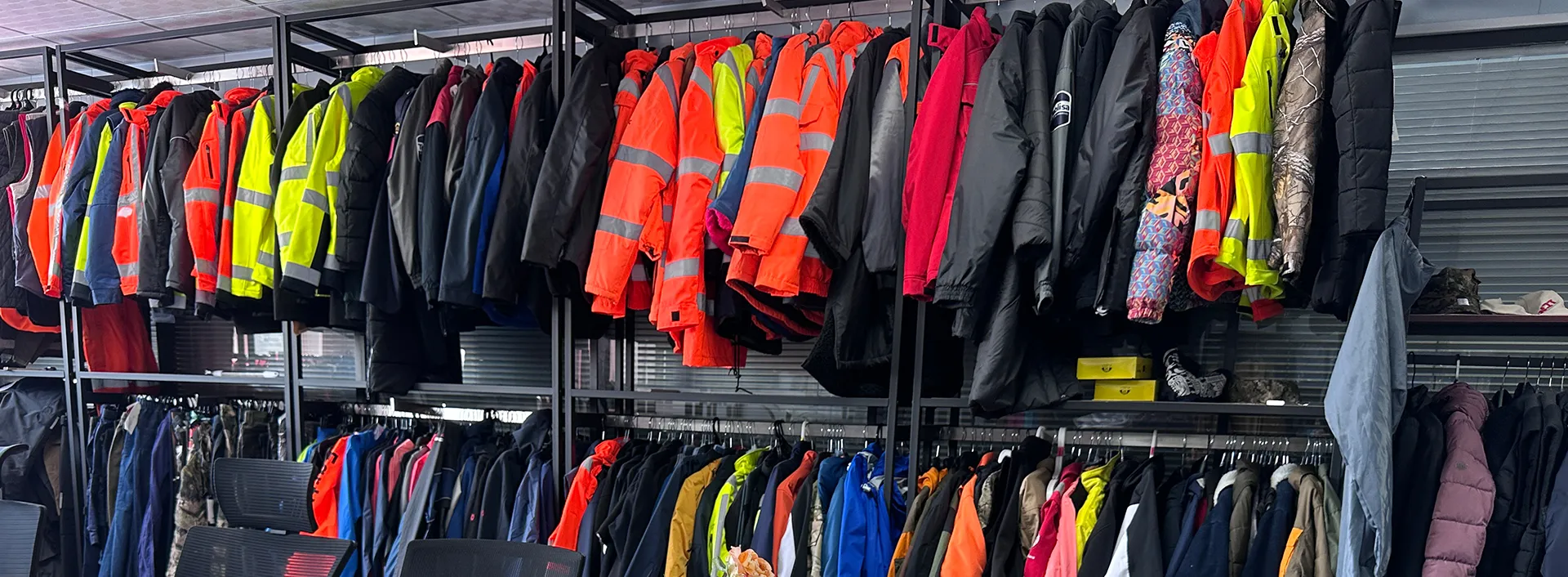
Simply put, the red cross jacket is specialized outerwear emblazoned with the Red Cross emblem, worn primarily by medical, rescue, and humanitarian workers. Beyond its iconic symbol, these jackets are engineered to provide dry comfort, visibility, and mobility—even in crisis conditions. Their design incorporates durable, weather-resistant fabrics and reflective markings for safety, making them a core component in humanitarian relief efforts and emergency response teams worldwide.
Core Components of the Red Cross Jacket
1. Durability
Working in unpredictable, sometimes extreme conditions means the jacket must be built to last. Tough ripstop fabrics or waterproof polyesters resist tears and harsh weather — think rain, mud, and dust. Frankly, wearing flimsy gear could jeopardize a responder’s safety and mission efficacy.
2. Visibility
The bright red or white colors paired with reflective strips ensure that aid workers are easily identified day or night. This isn’t about fashion—visibility reduces accidents and enhances coordination during critical moments when time and clarity matter.
3. Comfort & Mobility
Many responders report that a well-designed red cross jacket balances protection with freedom of movement. With adjustable cuffs, breathable fabrics, and articulated seams, it allows for full range of action—from carrying patients to setting up emergency shelters.
4. Identification & Branding
The red cross emblem is internationally protected under the Geneva Conventions to signify neutrality and humanitarian aid. Placement and size of the emblem adhere to strict guidelines, ensuring easy recognition and respect in conflict zones and disaster relief scenarios.
5. Weather Resistance
Whether it’s sweltering heat or freezing cold, these jackets often incorporate water-resistant membranes and insulation layers. Some advanced versions include breathable waterproofing (like Gore-Tex), enhancing protection against the elements.
Red Cross Jacket Specifications: A Quick Reference
| Feature | Specification |
|---|---|
| Material | Water-resistant Ripstop Polyester or Nylon |
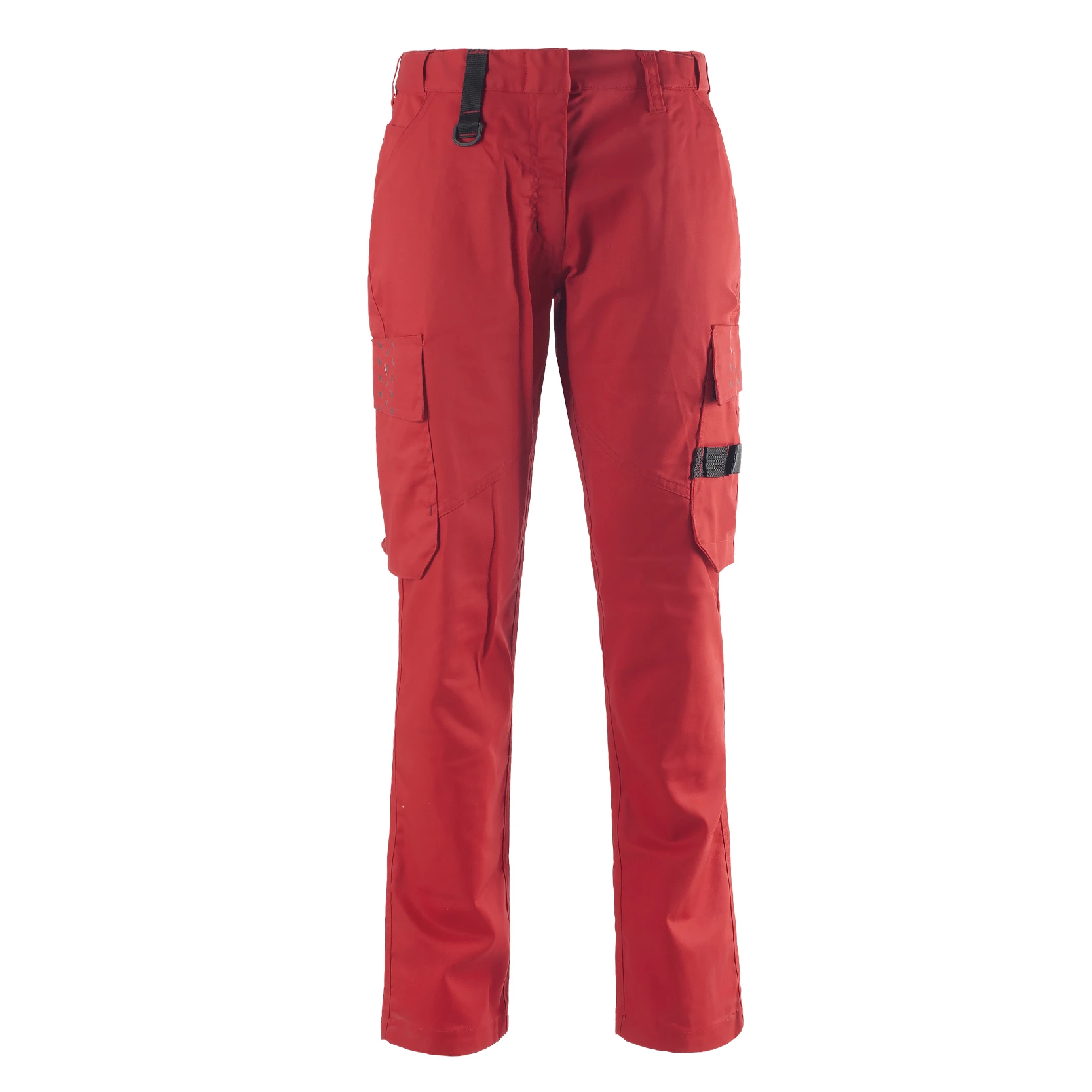
| Color | Bright Red with White Emblem and Reflective Strips |
| Fastening | Zipper Closure with Storm Flap |
| Sizes | S–XXL (Customized options available) |
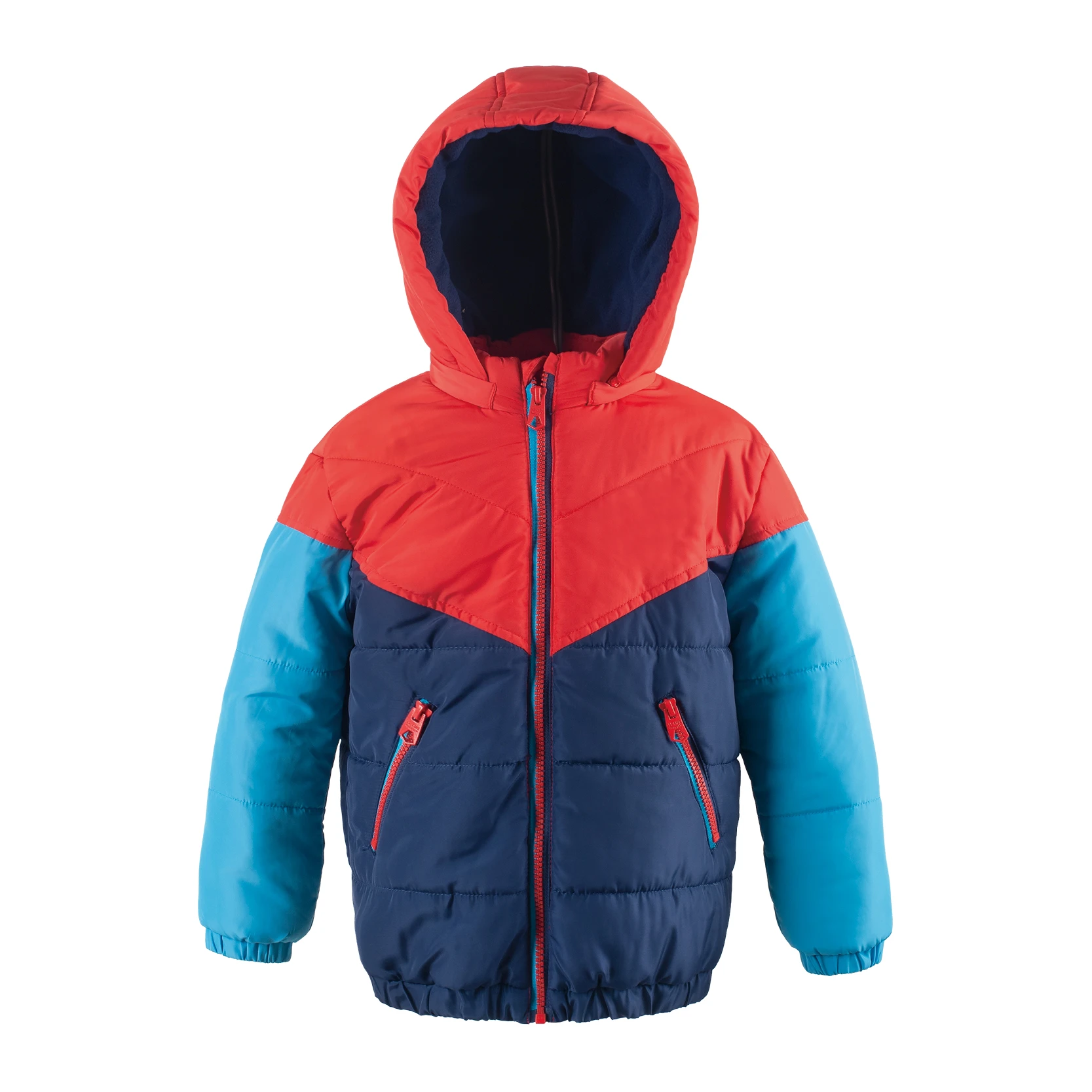
| Additional Features | Adjustable Hoods, Multiple Pockets, Breathable Mesh Lining |
Global Applications of Red Cross Jackets
These jackets aren’t just for Red Cross personnel. Firefighters, paramedics, UN peacekeepers, and NGOs often adopt similar designs to ensure clear identification and proper protection. For example:
- Post-Disaster Relief: In earthquake-ravaged zones of Nepal, red cross jackets helped volunteers navigate debris while offering quick medical aid.
- Refugee Camps in Africa: Aid workers wearing these jackets facilitate vaccinations and food distributions while maintaining neutrality.
- Remote Industrial Zones: Some mining companies collaborate with humanitarian organizations, ensuring their medical teams have appropriate red cross gear for emergencies.
Vendor Comparison: Selecting the Right Red Cross Jacket Supplier
| Supplier | Material Quality | Certifications | Lead Time | Customization Options |
|---|---|---|---|---|
| Global Relief Gear Inc. | High-grade waterproof polyester | ISO 9001 & UN Procurement Approved | 4–6 weeks | Logos, sizes, reflective striping |
| AidWear Solutions | Ripstop Nylon with waterproof coating | CE Compliance | 3 weeks | Color variations, embroidered badges |
| FieldSafe Apparel Ltd. | Polyester blend, UV and water resistant | ISO 14001 Environmental Standard | 5 weeks | Eco-friendly materials, safety upgrades |
Advantages and Long-Term Benefits
Wearing a high-quality red cross jacket offers more than just physical protection. It boosts confidence among aid workers, fostering a sense of belonging and mission clarity. From a practical standpoint, its durability reduces replacement costs over time, while smart materials lessen environmental impact. On a social level, the emblem inspires trust with local communities, especially in conflict zones where neutrality matters profoundly.
Looking Ahead: Innovations & Future Trends
Oddly enough, some recent developments are pushing these jackets into the tech realm. Imagine integrated wearable sensors to monitor worker health or smart fabrics that adjust insulation to weather changes automatically. Sustainability is another hot topic—manufacturers experiment with recycled materials and biodegradable components. Digital identification tags embedded in jackets might soon replace physical badges, speeding up security clearances on the ground.
Challenges & Solution Strategies
One big challenge is ensuring authenticity. Counterfeit jackets lacking proper certifications can expose responders to risks and liability. Training for correct use is sometimes overlooked, too. Industry experts recommend:
- Stringent procurement from certified suppliers only
- Regular gear inspections and maintenance schedules
- Field training emphasizing gear function and limitations
By tackling these issues head-on, organizations can safeguard their teams and uphold humanitarian principles.
FAQ: Common Questions About Red Cross Jackets
Q: What materials make the best red cross jacket for tropical climates?
A: Lightweight, breathable waterproof fabrics like ripstop nylon with mesh ventilation panels are ideal to ensure comfort without sacrificing protection.
Q: How are red cross jackets protected from misuse or replica production?
A: The red cross emblem is legally protected under international law, and suppliers typically include authentication features like holograms and registration with trademark authorities.
Q: Can these jackets be customized for different humanitarian groups?
A: Yes, many vendors offer customization such as patches, sizes, and reflective patterns while adhering to emblem use regulations.
Q: How long do these jackets typically last in heavy field use?
A: With proper care, durable models last 3-5 years even under tough conditions, but timely replacement is crucial for safety.
Conclusion & Call to Action
The red cross jacket is a quiet hero in emergency relief, combining practical design with powerful symbolic value. It embodies safety, neutrality, and reliability on the frontline of global crises. If your organization is considering sourcing, upgrading, or learning more about this essential gear, don’t hesitate to explore trusted options like those listed above.
Visit our website for expert guidance and premium red cross jacket selections tailored to your humanitarian needs.
Mini takeaway: It’s not just a jacket—it’s a lifeline in the field.
References:
1. International Federation of Red Cross and Red Crescent Societies (IFRC)
2. United Nations Office for the Coordination of Humanitarian Affairs (UNOCHA)
3. International Committee of the Red Cross (Wikipedia)