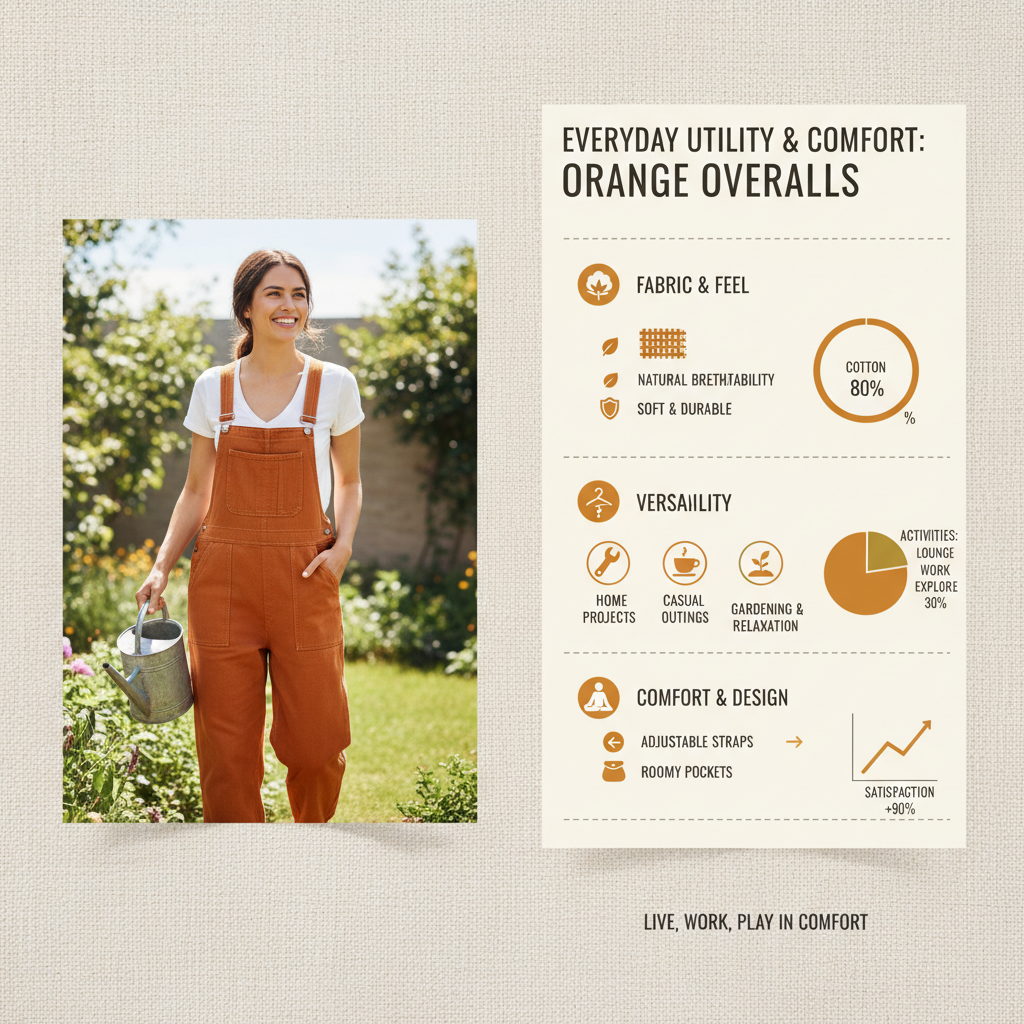
Look, I’ve spent years on construction sites, knee-deep in dust and concrete. I’ve seen firsthand what workers need to get the job done safely and efficiently. And let me tell you, a good set of orange overalls isn’t just about looking the part – it's about survival and productivity. These aren’t fashion statements; they’re a critical piece of kit. The demand for durable, visible workwear isn’t going away; it’s actually increasing with infrastructure projects booming globally, and a bigger emphasis on worker safety.
We're seeing a real push for standardization too. Companies, especially big contractors, want consistency across their workforce – that means a reliable source of high-visibility, long-lasting orange overalls. This isn’t just about aesthetics. It’s about accountability, quick identification in emergencies, and reducing the risk of accidents. It’s a business necessity, plain and simple.
And honestly, too many overalls out there just don't cut it. They rip, fade, and don't offer the level of protection needed in hazardous environments. That’s why finding quality, consistently reliable orange overalls is crucial, and that’s what we focus on.
The Importance of Durable Orange Overalls
I've seen too many sets of overalls fall apart after just a few weeks of hard work. A good pair needs to withstand abrasions, tears, and constant washing. We're talking about materials that can handle the rigors of a construction site, a utility yard, or even a disaster relief zone. It's not just about comfort, it's about preventing injuries.
And it's about time savings. Constantly replacing worn-out gear costs companies money – money that could be better spent on actual construction. Investing in durable orange overalls is a smart long-term investment, period.
Orange Overalls: A Global Safety Standard
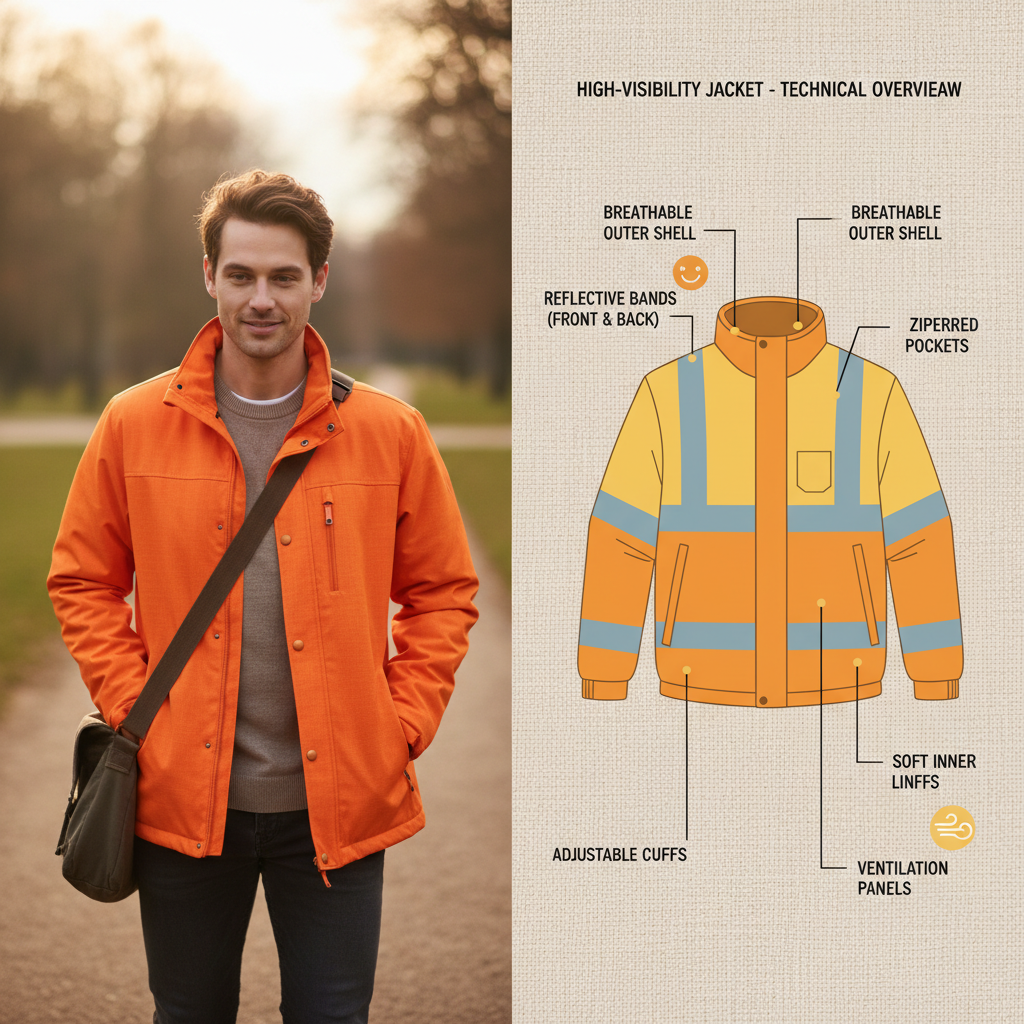
Look, high-visibility clothing, and especially orange overalls, isn't just a local preference. It's a globally recognized safety standard, backed by organizations like ANSI and ISO. These standards dictate the level of reflectivity and color brightness required to ensure workers are visible in all kinds of conditions.
The UN also promotes the use of high-visibility gear in disaster relief efforts, and you'll find orange overalls being used by first responders and aid workers worldwide. This isn't about compliance; it's about protecting lives.
There’s a reason why orange is so prevalent. It stands out against almost any background, making it a universally effective color for enhancing visibility and reducing the risk of accidents.
Defining Quality in Orange Overalls
When I talk about quality, I'm not talking about the price tag. I'm talking about the materials, the construction, and the attention to detail. Are the seams reinforced? Is the fabric tear-resistant? Does the reflective tape meet industry standards? These are the questions you need to ask.
A lot of cheaper overalls use inferior fabrics that fade quickly and offer little protection. They might look orange in the store, but after a few washes, the color becomes dull, and the visibility is compromised. Investing in a higher-quality orange overalls upfront can save you money and potential injuries in the long run.
It’s also about fit and comfort. A good pair of overalls should allow for a full range of motion without being too baggy or restrictive. Nobody wants to spend their day wrestling with their workwear.
Key Factors: Performance and Protection
There are a few key things I look for when evaluating a set of orange overalls. First, durability. The fabric needs to be able to withstand abrasion, tearing, and repeated washing. Second, visibility. The reflective tape needs to be bright and compliant with industry standards.
Third, comfort. The overalls should be breathable and allow for a full range of motion. And finally, protection. Depending on the job, you might need overalls with features like flame resistance, water resistance, or chemical resistance.
Orange Overalls Performance Metrics
Global Applications of Orange Overalls
You see orange overalls everywhere, from highway construction crews to airport ground staff. In post-disaster relief operations, they're essential for identifying aid workers and ensuring their safety.
I’ve personally seen them used extensively in remote industrial zones, like oil and gas fields, where visibility is critical. And they’re not just for outdoor work – you’ll find them in warehouses, factories, and even some transportation hubs.
Long-Term Value and Benefits
Investing in quality orange overalls isn’t just about saving money on replacements. It’s about protecting your workforce, improving productivity, and building a reputation for safety. It’s a tangible demonstration that you value your employees.
There’s also the sustainability aspect. Durable gear lasts longer, reducing waste and minimizing your environmental footprint. That's becoming increasingly important for companies that are focused on corporate social responsibility.
Beyond the practical benefits, there’s a psychological impact. Knowing they’re wearing reliable, high-quality gear gives workers a sense of confidence and security, which can translate into better performance and a stronger safety culture.
Future Trends in Workwear
We're starting to see some really interesting innovations in workwear. Smart fabrics with integrated sensors are becoming more common, allowing for real-time monitoring of worker fatigue and environmental conditions.
There's also a growing focus on incorporating sustainable materials into overalls, like recycled polyester and organic cotton. And we’re seeing more customization options, allowing companies to tailor overalls to specific job requirements and branding.
I think we’ll also see more integration of digital technologies, like RFID tags, to help with inventory management and worker tracking. The future of orange overalls is about more than just safety – it’s about efficiency, sustainability, and worker well-being.
Summary of Key Features in Modern Orange Overalls
| Feature Category |
Material Composition |
Visibility Standards |
Durability Score (1-10) |
| Basic Work Overalls |
65% Polyester, 35% Cotton |
ANSI/ISEA 107 Class 2 |
7 |
| High-Visibility Overalls |
100% Cotton Flannel |
ANSI/ISEA 107 Class 3 |
8 |
| Flame-Resistant Overalls |
88% Cotton, 12% Nylon |
NFPA 2112 |
9 |
| Waterproof Overalls |
100% Polyurethane Coating |
ANSI/ISEA 107 Class 2 |
6 |
| Reinforced Overalls |
60% Cotton, 40% Cordura |
ANSI/ISEA 107 Class 3 |
10 |
| Sustainable Overalls |
50% Recycled Polyester, 50% Organic Cotton |
ANSI/ISEA 107 Class 2 |
7 |
FAQS
That really depends on the job site. ANSI/ISEA 107 classifies visibility into three levels. Class 2 is good for general work environments, while Class 3 is essential for high-risk areas like roadways or near moving traffic. It’s better to err on the side of caution and choose a higher class if you’re unsure.
That depends on how hard you work them! Generally, if the reflective tape is cracked, faded, or peeling, it's time for a replacement. Also, if the fabric is torn or excessively worn, it's no longer providing adequate protection. Regular inspections are key. Aim for at least once a month.
Absolutely, if you're working in an environment with potential fire hazards. Flame-resistant overalls can significantly reduce the risk of burns and injuries. They're required in many industries, like oil and gas, and are a crucial safety measure. Always check your company’s safety policies.
Always follow the manufacturer’s washing instructions. Generally, wash them in cold water with a mild detergent and avoid using bleach. Tumble dry on low heat or hang them to dry. Regular washing helps remove dirt and grime that can degrade the fabric and reflective tape.
The key is the material and the application. Look for tape that’s made from a durable, weather-resistant material and is securely bonded to the fabric. High-quality tape will maintain its reflectivity even after repeated washing and exposure to the elements. Ensure it meets relevant ANSI standards.
They can be! Sustainable materials are constantly improving. While some early versions weren't as durable, modern recycled polyester and organic cotton overalls can offer comparable performance to traditional materials. The key is to look for high-quality construction and durable fabrics.
Conclusion
Ultimately, orange overalls aren't just a piece of clothing—they're a critical investment in safety, productivity, and peace of mind. Choosing the right overalls means considering the specific demands of the job, prioritizing durability and visibility, and investing in quality materials.
Looking ahead, we’ll continue to see innovations in workwear, driven by a focus on sustainability, technology, and worker well-being. But the fundamental principles remain the same: providing reliable, protective gear that helps workers get the job done safely and efficiently. For durable, reliable orange overalls, visit our website today: www.pullytrade.com.