0%

Table of Contents

High visibility jackets aren’t just about meeting safety regulations; they’re about sending a message – a message of care, of professionalism, and frankly, of respect for the people doing the work. I’ve spent fifteen years on construction sites, and I’ve seen firsthand how a good jacket can boost morale, and more importantly, prevent accidents. It's about making sure everyone goes home safe at the end of the day, and that starts with being seen. It’s a deceptively simple piece of kit, but the impact is huge. high visibility jackets are a cornerstone of any effective safety program.

The demand for these jackets isn't limited to construction. Think about road crews, emergency responders, airport personnel, even school crossing guards. Globally, as infrastructure projects boom and populations grow, the need for reliable, durable, and highly visible workwear continues to climb. The UN estimates a significant increase in infrastructure spending in developing nations, which translates directly into increased demand for safety equipment. ISO standards are also becoming more stringent, driving the need for jackets that meet the latest certifications. We’re seeing a real push for better protection, and that’s a good thing.

At its core, a high visibility jacket is a garment designed to enhance the wearer’s visibility in all kinds of conditions – day, night, and in poor weather. It's not a fashion statement, though styles are improving! It’s about drastically reducing the risk of being struck by vehicles or machinery. It's a crucial component in preventing accidents in industries where workers are exposed to moving traffic or hazardous environments, and its connection to modern industrial practices and humanitarian aid is undeniable.
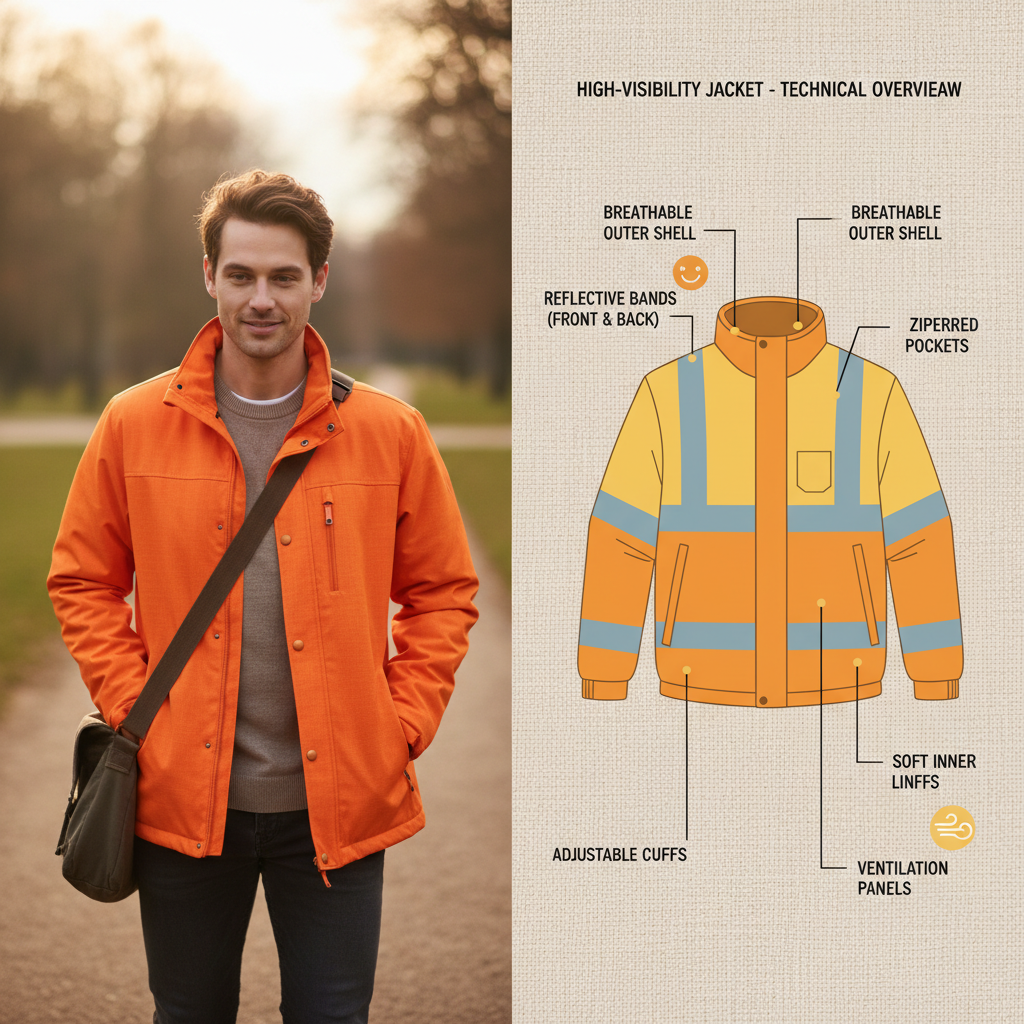
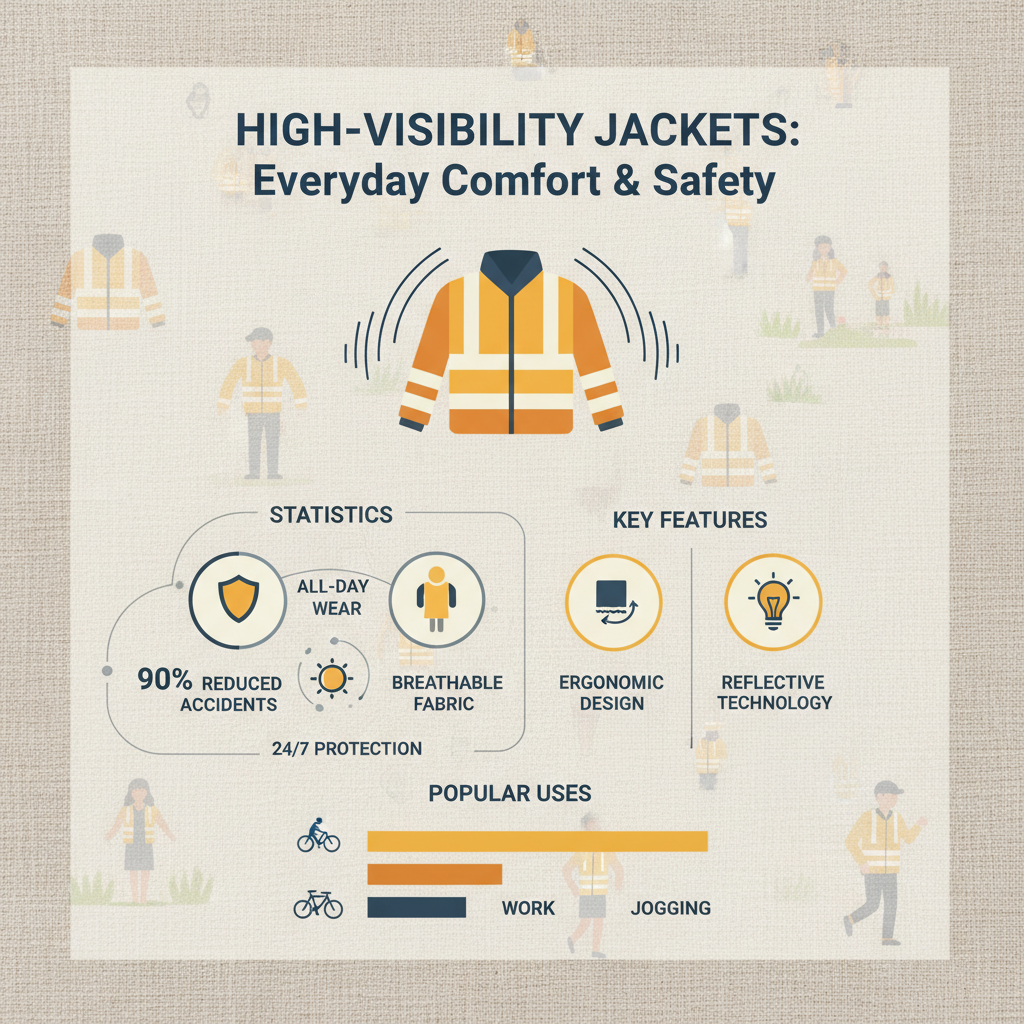
The Critical Role of High Visibility Jackets in Workplace Safety and Beyond

The Importance of High Visibility Jackets

The Critical Role of High Visibility Jackets in Workplace Safety and Beyond

Look, I've been on sites where guys are cutting corners, trying to save a buck on safety gear. It never ends well. A quality high visibility jacket isn't just about the fluorescent material; it's about the retroreflective tape – the amount, the width, and the quality. That tape is what really makes the difference when a driver’s headlights hit you in low light. I’ve seen cheap jackets where the tape peels off after a few washes, rendering them almost useless. high visibility jackets represent a proactive investment in worker well-being.

And it's not just about preventing accidents, it's about fostering a culture of safety. When workers feel protected, they’re more likely to follow procedures and look out for each other. It sends a signal from management that their safety is a priority. That's worth more than any cost savings you might achieve by skimping on gear.

Global Relevance and Industry Context

We're talking about a global market here. From the massive infrastructure projects in China to the resource extraction industries in Australia, the need for high visibility jackets is constant. The International Labour Organization (ILO) promotes workplace safety standards worldwide, and high-visibility clothing is a key component of those standards. Demand is consistently increasing, with projections showing significant growth in emerging economies.

The challenge is ensuring that these jackets aren’t just compliant, but comfortable and durable enough for real-world conditions. I’ve seen workers in tropical climates overheating in heavy, poorly ventilated jackets. Or folks in colder regions struggling with jackets that aren’t waterproof or windproof enough. It's a constant balancing act between meeting standards and providing practical, wearable gear.

The growth of e-commerce also plays a role. It's easier than ever for companies to source jackets from overseas, but that also introduces risks in terms of quality control and ethical sourcing. It’s a complex supply chain, and you need to know your vendors.

Defining High Visibility Jackets

Simply put, a high visibility jacket – or vest, as they’re often called – is a garment designed to make the wearer easily visible, even in low-light conditions or adverse weather. They’re typically made from fluorescent materials like yellow or orange, combined with retroreflective tape that bounces light back to its source. It’s a pretty straightforward concept, really, but the materials and construction can vary significantly.

Their connection to modern industry is pretty direct. As industries became more mechanized and workplaces more dangerous, the need for better visibility became paramount. Think about the rise of automotive traffic on construction sites, or the increasing speed of industrial machinery. These jackets are a direct response to those hazards. They’re not just about compliance; they’re about adapting to a changing work environment.

And it's not just industry. Humanitarian organizations rely heavily on these jackets for disaster relief efforts, making sure aid workers are visible and safe when operating in chaotic and dangerous situations. Whether it’s directing traffic after a hurricane or providing medical assistance in a conflict zone, high visibility clothing is essential.

Key Factors in High Visibility Jacket Performance

There are a few things that really separate a good jacket from a bad one. First, you’ve got Durability. I've seen jackets fall apart after a few weeks on a tough job site. Look for jackets made from robust materials that can withstand abrasion, tearing, and repeated washing. Second is Comfort. If a jacket is uncomfortable, workers won’t wear it. Breathability and a good fit are crucial.

Then there's Retroreflectivity. The quality and amount of reflective tape matter immensely. Different classes of jackets offer different levels of reflectivity, so choose one appropriate for the hazards of the job. And finally, Compliance. Make sure the jacket meets the relevant safety standards (ANSI/ISEA in the US, EN ISO 20471 in Europe, etc.).

High Visibility Jacket Performance Metrics


Global Applications and Use Cases

You see these jackets everywhere. Road construction, obviously. But also rail yards, airports, ports – any environment where workers are near moving vehicles or machinery. In post-disaster relief operations, they’re vital for aid workers and first responders navigating dangerous and chaotic conditions. I was in Puerto Rico after the hurricane, and the bright orange vests were a lifeline for the crews trying to restore power.

In remote industrial zones, like mining operations in Australia or oil fields in Canada, these jackets are essential for ensuring worker safety in challenging environments. And increasingly, we're seeing them used in urban settings, by delivery cyclists, traffic controllers, and even sanitation workers.

Advantages and Long-Term Value

The tangible benefits are clear: reduced accident rates, lower insurance costs, and improved compliance. But there’s a softer side too. When you provide workers with high-quality safety gear, you’re showing them that you value their well-being. That builds trust and boosts morale. And let’s be honest, a confident, well-equipped worker is a more productive worker.

From a sustainability standpoint, investing in durable jackets reduces the need for frequent replacements, minimizing waste. And choosing ethically sourced materials is becoming increasingly important. It’s not just about safety; it’s about responsible business practices.

Future Trends and Innovations

We're seeing a lot of innovation in this space. Smart jackets with integrated sensors that can detect falls or proximity to hazards are starting to emerge. Lightweight materials with enhanced reflectivity are also being developed. And there’s a growing focus on incorporating sustainable materials and manufacturing processes.

Digital integration is another trend. Some jackets now include RFID tags for tracking and inventory management. This can be particularly useful for large construction projects or in industries where workers move frequently between sites. The push for better ergonomics and improved comfort will also continue.

I anticipate we'll also see more customization options, allowing companies to tailor jackets to their specific needs and branding. It's about moving beyond basic compliance to creating a truly integrated safety solution.

Summary of High Visibility Jacket Material Analysis

Material Type Durability Rating (1-10) Comfort Level (1-10) Cost per Unit ($)
Polyester 7 6 15
Nylon 8 7 20
Cotton Blend 5 8 10
Recycled Polyester 6 6 18
High-Tenacity Nylon 9 5 25
Breathable Mesh 4 9 12

FAQS

What level of reflectivity is required for different work environments?

Different environments demand different levels of reflectivity. ANSI/ISEA standards categorize jackets into three classes: Class 1 (basic visibility), Class 2 (moderate visibility), and Class 3 (highest visibility). Class 1 is suitable for stationary workers, while Class 3 is essential for those exposed to high-risk situations, like working near high-speed traffic. Knowing your environment is key to selecting the right jacket.

How often should high visibility jackets be replaced?

The lifespan of a jacket depends on usage and care. Regularly inspect for damage to the reflective tape, fading of the fluorescent material, and wear and tear on the fabric. Washing instructions should be followed diligently. As a general rule, replace jackets when the reflectivity is noticeably diminished or if the garment is damaged. Annual replacement is often a good practice for heavily used jackets.

Are all high visibility jackets waterproof?

Not all high visibility jackets are waterproof, but many are water-resistant or waterproof. Check the product specifications carefully. Waterproof jackets typically have a waterproof coating or membrane. Water-resistant jackets offer some protection against light rain but may not hold up in heavy downpours. For consistently wet conditions, a fully waterproof jacket is essential.

What are the key differences between ANSI and EN ISO standards?

ANSI/ISEA standards are primarily used in North America, while EN ISO 20471 is the European standard. Both standards define the requirements for high visibility clothing, but there are some differences in the testing methods and performance criteria. When sourcing jackets, ensure they meet the standards relevant to the region where they will be used. Compliance ensures worker safety and avoids potential legal issues.

How do I properly wash and maintain a high visibility jacket?

Always follow the manufacturer's washing instructions. Typically, this involves washing the jacket in cold water with a mild detergent and avoiding bleach or fabric softeners. Tumble drying on low heat is usually acceptable, but air drying is preferred. Avoid ironing directly on the reflective tape, as this can damage its reflectivity. Proper care extends the life of the jacket and ensures its continued effectiveness.

What is the importance of choosing the right size?

A properly fitted jacket is crucial for both comfort and safety. A jacket that is too loose can flap in the wind, reducing visibility and potentially creating a hazard. A jacket that is too tight can restrict movement and cause discomfort. Refer to the manufacturer’s sizing chart and choose a size that allows for comfortable movement and a secure fit. Some jackets offer adjustable features for a customized fit.

Conclusion

High visibility jackets are far more than just a piece of safety equipment; they're a critical component of a broader safety culture. They represent a commitment to worker well-being, a recognition of the inherent risks in many industries, and a proactive approach to preventing accidents. From ensuring compliance with stringent regulations to fostering a sense of trust and confidence among workers, the benefits are undeniable.

Looking ahead, innovation in materials, technology, and design will continue to drive improvements in performance, comfort, and sustainability. Investing in high-quality, properly fitted, and well-maintained high visibility jackets isn’t just a smart business decision, it’s the right thing to do. Visit our website at www.pullytrade.com to explore our range of high visibility solutions.

David Miller

David Miller

David Miller is the Head of Product Development at Shijiazhuang Yihan Clothing Co., Ltd., bringing over 12 years of experience in the apparel industry. He focuses on translating market trends and customer feedback into innovative workwear and leisure clothing designs. David joined Yihan after a successful stint at a leading
Previous Investing in Security High Vis Vest for Enhanced Workplace Safety
Next Elevate Your Workwear