
Apr 16, 2026
12.14 / 2025
Reflective Workwear: Enhancing Safety & Visibility Across Industries
Reflective Workwear: Shining a Light on Safety and Innovation
Reflective workwear might sound straightforward—bright strips on a jacket—but its importance stretches far beyond simple visibility. Around the globe, millions of workers depend on this specialized gear each day for their safety and efficiency. Understanding reflective workwear isn’t just about the fabric you wear; it’s about protecting lives, adhering to industry standards, and embracing innovation that spans continents and sectors. Let’s explore why reflective workwear matters worldwide and what makes it a crucial piece in the puzzle of occupational safety.
The Global Context: Why Reflective Workwear Matters More Than Ever
Think about the countless workers who navigate dark construction sites, bustling ports at midnight, or emergency scenes under low-light conditions. The International Labour Organization (ILO) reports over 2.3 million deaths annually from workplace accidents and diseases, making safety equipment paramount. Reflective workwear, part of personal protective equipment (PPE), tackles one key risk: visibility. As industries modernize in fast-growing economies—India, Brazil, Southeast Asia—the demand for high-quality reflective fabrics is soaring. Not to mention developed countries updating safety codes to reduce accidents in roads and factories.
According to ISO standards (ISO 20471), high-visibility clothing must meet specific requirements by design and performance. However, global challenges persist. Nighttime visibility remains a challenge in disaster zones or rural infrastructure projects, especially under adverse weather. Reflective workwear addresses these problems head-on, saving lives and supporting workers’ dignity worldwide.
Mini Takeaway:
Reflective workwear stands at the intersection of workplace safety and global industrial growth, aligning with international safety standards to shield millions during their everyday jobs.
What Exactly Is Reflective Workwear?
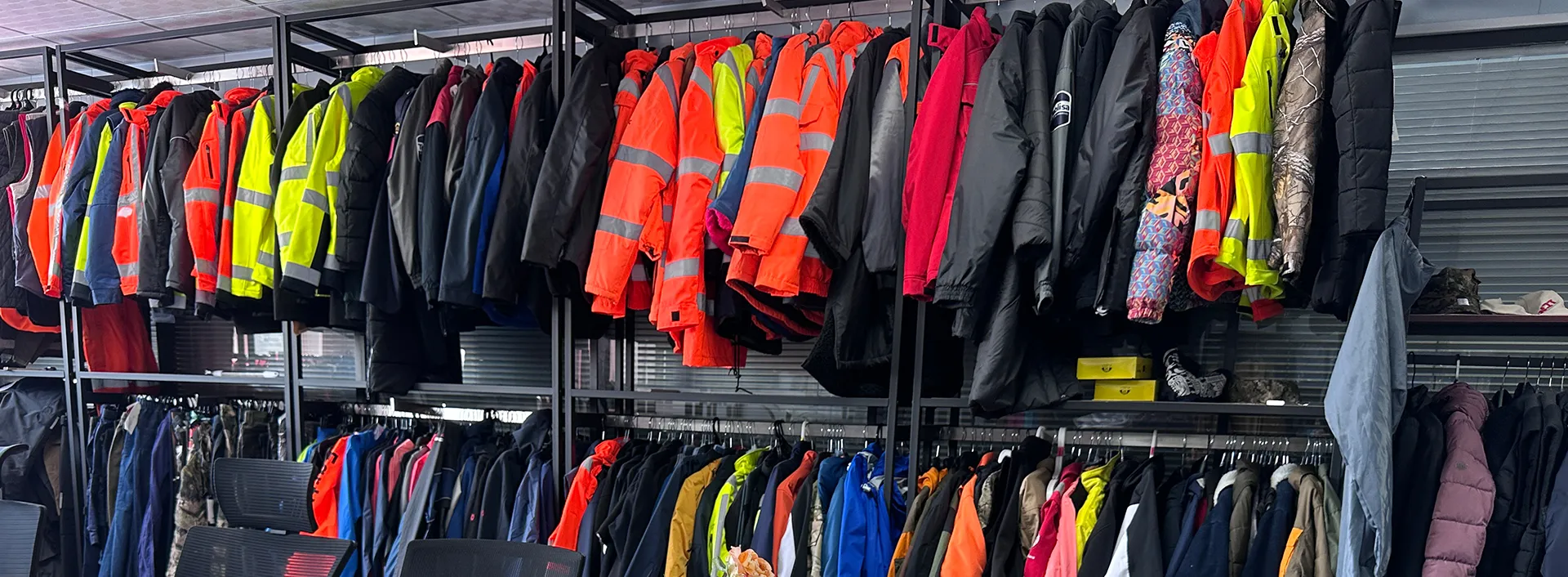
At its core, reflective workwear is clothing integrated with reflective material designed to bounce light back to its original source, dramatically improving visibility. This isn’t just safety’s cheap cousin; it’s often a highly engineered garment crafted from fabrics that balance comfort, durability, and reflectivity.
Imagine a roadworker’s jacket coated with silver strips that gleam brightly under headlights or a high-visibility vest coated with microprismatic retroreflective tape. These elements help workers stand out in the lowest light or harshest weather. The connection to industry is close: reflective workwear is mandated and widely used in sectors ranging from transportation and logistics to construction, utilities, and even humanitarian relief efforts.
Mini Takeaway:
Reflective workwear equals safety-enhanced clothing with built-in reflective elements that safeguard workers’ visibility in any light—simple but indispensable.
Key Aspects That Make Reflective Workwear Effective
1. Durability
Workwear isn’t fashion – it must withstand rough conditions. The reflective materials themselves endure sunlight, rain, abrasion, and washing without losing their brightness. Manufacturers use tough fabrics like polyester blends and add weather-resistant coatings to keep these high-visibility stripes functional long-term.
2. Comfort & Breathability
Workers don’t wear gear for five minutes. Bathrooms, sweat, long shifts – all demand clothing that breathes yet keeps the reflecting stripes intact. Many modern designs have mesh panels or moisture-wicking fabrics paired with reflective elements to keep heat stress manageable.
3. Compliance with Safety Standards
The ISO 20471 and ANSI/ISEA 107 are the usual suspects for reflective clothing standards. Compliance ensures garments reliably meet minimum reflectivity and coverage norms. Without certification, the gear may offer a false sense of security.
4. Visibility Range
How far can a driver spot a worker wearing reflective apparel? Modern reflective technology—especially microprismatic tape—can increase visibility distances up to five times compared to traditional materials. This enhanced viewing distance is critical for preventing accidents at night or fog.
5. Cost Efficiency
Durable reflective clothing reduces replacement frequency, which ultimately saves money. While premium reflective workwear might cost more initially, its lifespan justifies the investment, especially in high-risk industries.
Mini Takeaway:
Durability, comfort, certified reflectivity, visibility, and cost balance form the unsung backbone behind practical reflective workwear.
Where in the World Is Reflective Workwear Making a Real Difference?
Look around any major port, construction site, or roadway anywhere from São Paulo’s expanding metro system to Melbourne’s busy highways, and you’ll find workers clad in reflective gear. In post-disaster relief operations in Southeast Asia, organizations equip volunteers with reflective vests not only for safety during night shifts but to coordinate teams efficiently.
- Industrial zones: Remote mines in Canada’s north deploy reflective workwear as a lifeline during frequent storms and limited daylight.
- Road safety: Urban planners in Europe integrate reflective workwear regulations within road maintenance contracts to reduce nighttime collisions.
- Humanitarian efforts: NGOs in conflict zones use high-visibility clothing for local health workers navigating chaotic streets after curfew.
Reflective workwear’s global footprint underscores its versatility across both developed and developing economies, balancing protection and practicality.
Mini Takeaway:
From Arctic mining camps to tropical disaster zones, reflective workwear is a universal tool that keeps workers safe and visible in vastly different environments.
What’s in It for Companies and Workers? The Long-Term Value
The benefits of investing in top-notch reflective workwear go beyond the obvious. First, reducing workplace accidents cuts downtime and insurance claims, tightening operational efficiency. Sustainability also enters the picture—durable and reusable reflective fabrics lower waste footprints compared to disposable options. Emotionally, workers feel valued, building trust and boosting morale; no one wants to feel invisible in their own jobs.
Additionally, meeting rigorous certification standards helps firms demonstrate compliance that can protect them in legal or regulatory audits. From an innovation standpoint, reflective fabrics symbolize an industry dynamic that blends technology and human-centric safety solutions.
Mini Takeaway:
Reflective workwear offers lasting returns in safety, sustainability, worker dignity, and regulatory compliance, benefiting everyone from CEOs to frontline staff.
Glancing Ahead: Innovations Lighting the Path for Reflective Workwear
We’re seeing exciting developments: smart fabrics with LEDs embedded for active illumination, eco-materials derived from recycled plastics, and integration with wearable IoT sensors that monitor worker vitals. Sustainability concerns push manufacturers to create reflective gear that’s both greener and more efficient—like using solar-reflective pigments that improve cooling effects.
On a policy front, many countries are updating standards requiring electronic visibility enhancements along with traditional retroreflective strips, especially for emergency responders. The digital transformation in safety gear signals that reflective workwear won't just be about passive glint anymore.
Mini Takeaway:
The future of reflective workwear fuses technology, sustainability, and smart designs—turning a simple garment into a safety system.
Common Challenges & Innovative Workarounds
Despite advances, some challenges linger. For example, reflective tapes can peel or fade if poorly applied, and comfort sometimes suffers when durability increases. Also, proper sizing and fit are issues in diverse workforces, affecting compliance. Weather extremes test materials beyond standard lab conditions.
To tackle these, experts recommend:
- Rigorous real-world testing and compliance audits.
- Hybrid fabric blends balancing softness and toughness.
- Custom gear options tailored for various body types.
- Ongoing worker training on the care and use of reflective workwear.
Innovative adhesive technologies, laser-cut reflective patterns, and modular designs help overcome traditional obstacles to boosting adoption and effectiveness.
FAQ: Your Practical Questions on Reflective Workwear
- How often should reflective workwear be replaced to remain effective?
- Generally, reflective workwear should be replaced every 12-18 months or sooner if damaged or faded. Frequent washing and harsh environments reduce reflectivity over time.
- Can reflective workwear be customized with company logos and colors?
- Yes, many manufacturers offer customization services including logos printed directly on fabric or on reflective tape while maintaining compliance with safety standards.
- Is reflective clothing effective during heavy rain or fog?
- While reflective elements improve visibility in all conditions, heavy fog and rain can still reduce effectiveness. Layering with LED lights or auxiliary lighting can help.
- Are there environmentally friendly options available?
- Yes, eco-conscious brands are producing reflective workwear using recycled materials and sustainable manufacturing processes to minimize environmental impact.
- Do all industries require the same visibility standards?
- No, standards vary by sector and local regulations. For example, road workers and emergency responders often have more stringent criteria than warehouse personnel.
Specifications of a Typical Reflective Workwear Jacket
| Feature | Specification |
|---|---|
| Material | Polyester with microprismatic reflective tape |
| Reflectivity Class | Class 3 (ISO 20471 compliant) |
| Weight | 450 grams |
| Water Resistance | Yes, water-repellent coating |
| Closure Type | Heavy-duty zipper with storm flap |
| Compliance Labels | ISO 20471, ANSI/ISEA 107 |
Vendor Comparison: Leading Suppliers of Reflective Workwear
| Vendor | Product Range | Pricing | Customization | Lead Time |
|---|---|---|---|---|
| BrightSafe Gear | Wide (jackets, vests, pants) | $$$ (premium) | Full (logos, colors) | 2-3 weeks |
| SafeLite Apparel | Moderate (mostly vests) | $$ (mid-range) | Limited | 1 week |
| EcoReflect Works | Niche eco-friendly line | $$$ | Moderate | 3 weeks |
Wrapping Up: Why Reflective Workwear Will Continue to Shine
Reflective workwear might seem like a “solved” topic, but in reality, it’s a vibrant field constantly adapting to the needs of global industries and workers’ safety. By improving visibility, comfort, and compliance on every continent—from sprawling urban centers to rugged industrial sites—it safeguards lives and nurtures confidence. For businesses, investing in quality reflective workwear means embracing sustainable innovation, boosting morale, and future-proofing operations.
If you want to learn more about sourcing, standards, or the latest advancements, head over to https://www.pullytrade.com —your gateway to smarter, safer workwear solutions.
Final Thought:
Visible safety is priceless, and reflective workwear ensures no one is left unseen when it matters most.