
Apr 16, 2026
12.14 / 2025
Durable and Comfortable Workwear Stretch Trousers for Modern Industry | Pullytrade
Workwear Stretch Trousers: The Unsung Heroes of Industrial Apparel
You might not think about trousers as global change agents, but workwear stretch trousers have quietly revolutionized how we think about comfort, durability, and safety in tough work environments. Why does this matter? Well, worldwide industrial growth, increasing safety standards, and the migration of labor-intensive jobs to different regions mean that protective clothing isn’t just gear — it’s a critical enabler of productivity, dignity, and even worker retention.
Understanding this niche yet vital clothing category helps businesses optimize worker performance while reducing injury risk. Plus, as sustainability creeps into every aspect of manufacturing, knowing the innovation behind tough, flexible work trousers is increasingly important.
Takeaway: Workwear stretch trousers combine functionality and comfort, reflecting broader industrial trends toward worker well-being and efficiency.
The Global Context: Why Workwear Stretch Trousers Are More Relevant Than Ever
Globally, the industrial workforce is expanding fast. According to the International Labour Organization (ILO), over 2.7 billion people are employed worldwide, many in sectors that demand durable, functional workwear like construction, manufacturing, and logistics. Stretchable work trousers solve an important challenge here: how to provide durable protection without sacrificing mobility.
Oddly enough, many studies, including an ISO (International Organization for Standardization) guideline on personal protective equipment, highlight that uncomfortable or ill-fitting clothes can severely reduce worker efficiency — by up to 20% in some cases. So it's not just about fabric, but about fit, flexibility, and adaptability — things stretch fabrics deliver well.
Yet, challenges remain. Industrial workplaces are harsh – dirt, abrasion, weather. And then there’s the human factor: long hours pounding on hard surfaces, crouching in awkward positions, or wrangling tools. Normal trousers won’t cut it here, neither will elastic-lined fashion pants. Instead, workwear stretch trousers bridge worlds.
Takeaway: The technological and ergonomic demands in heavy industries worldwide make stretch workwear trousers a must-have for modern laborers.
What Are Workwear Stretch Trousers?
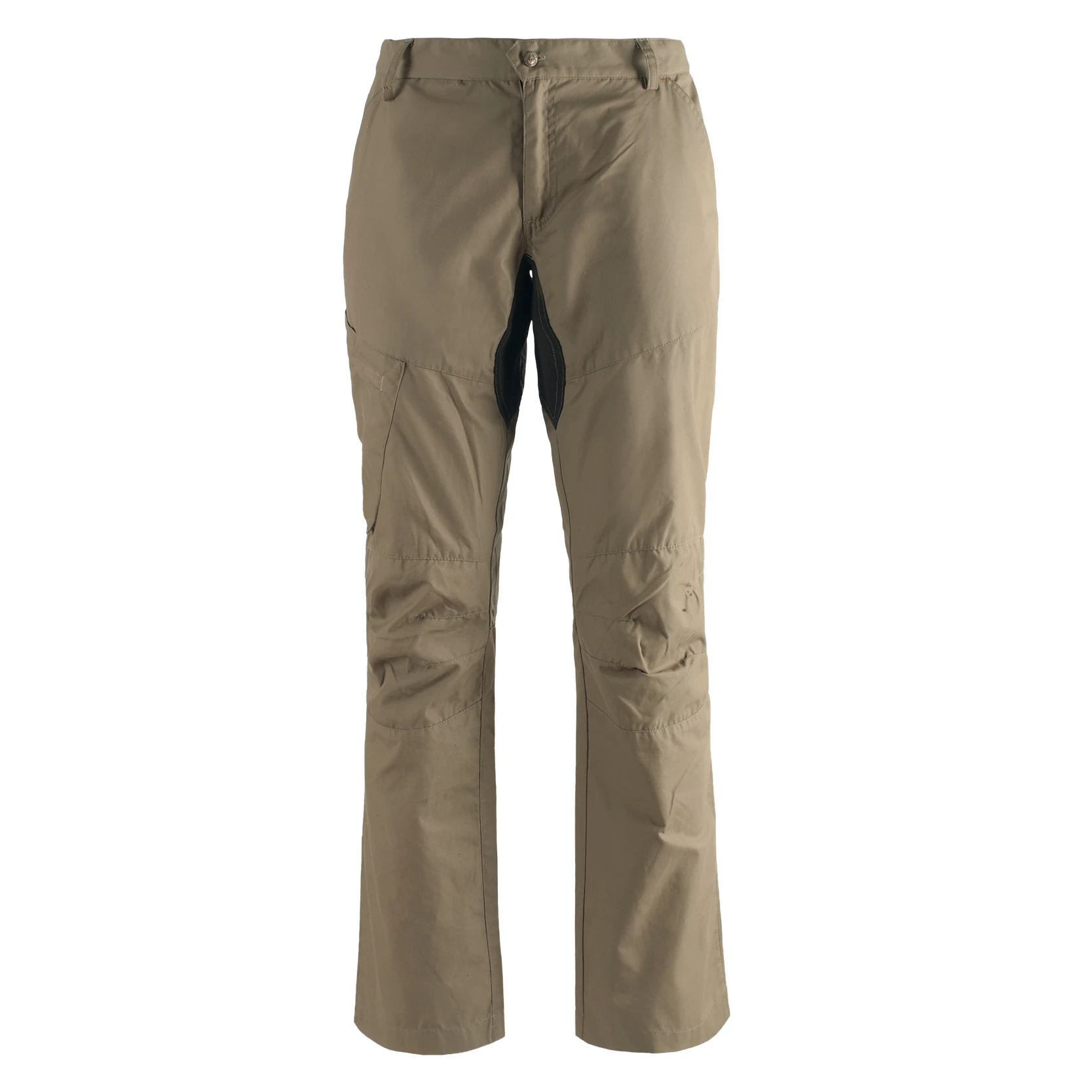
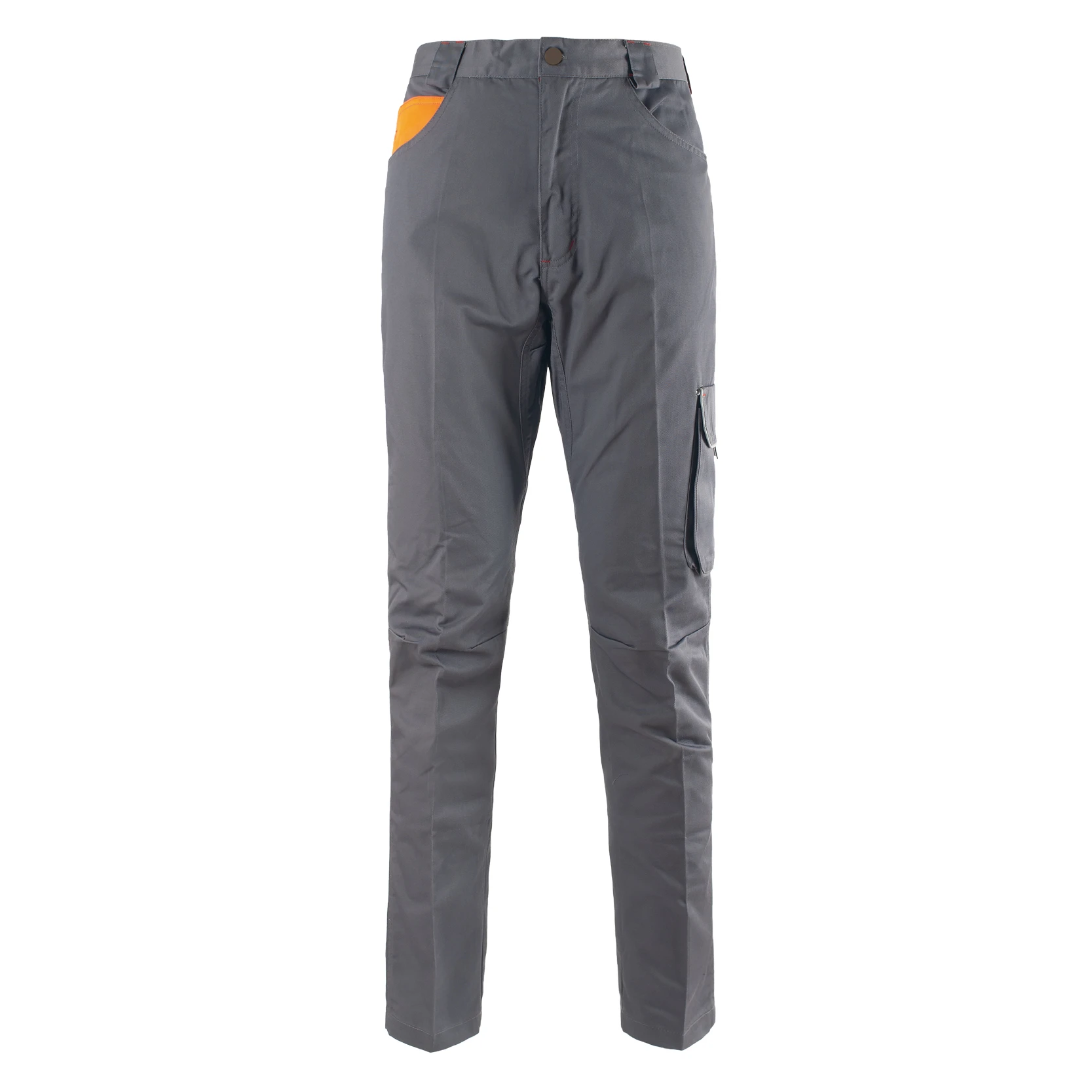
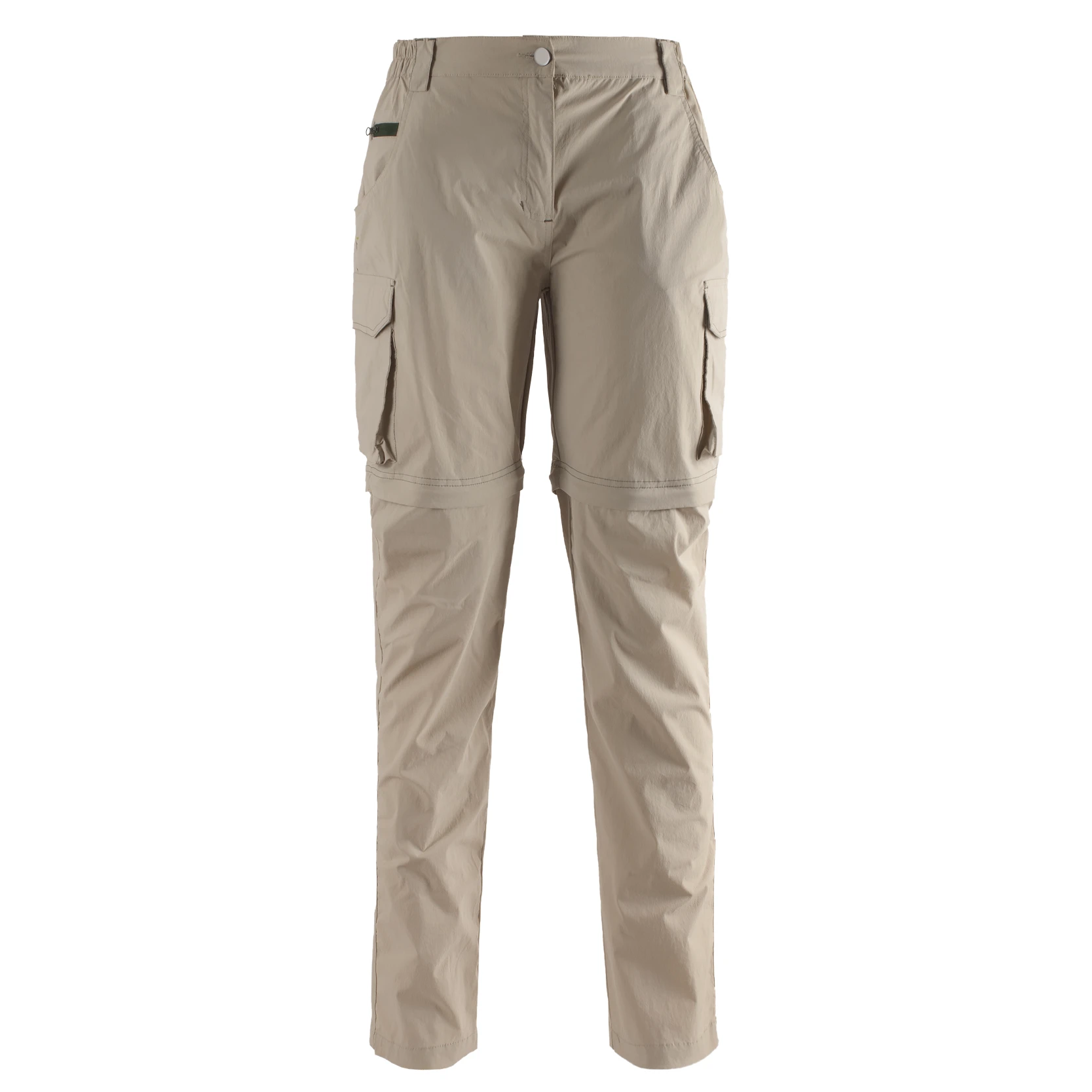
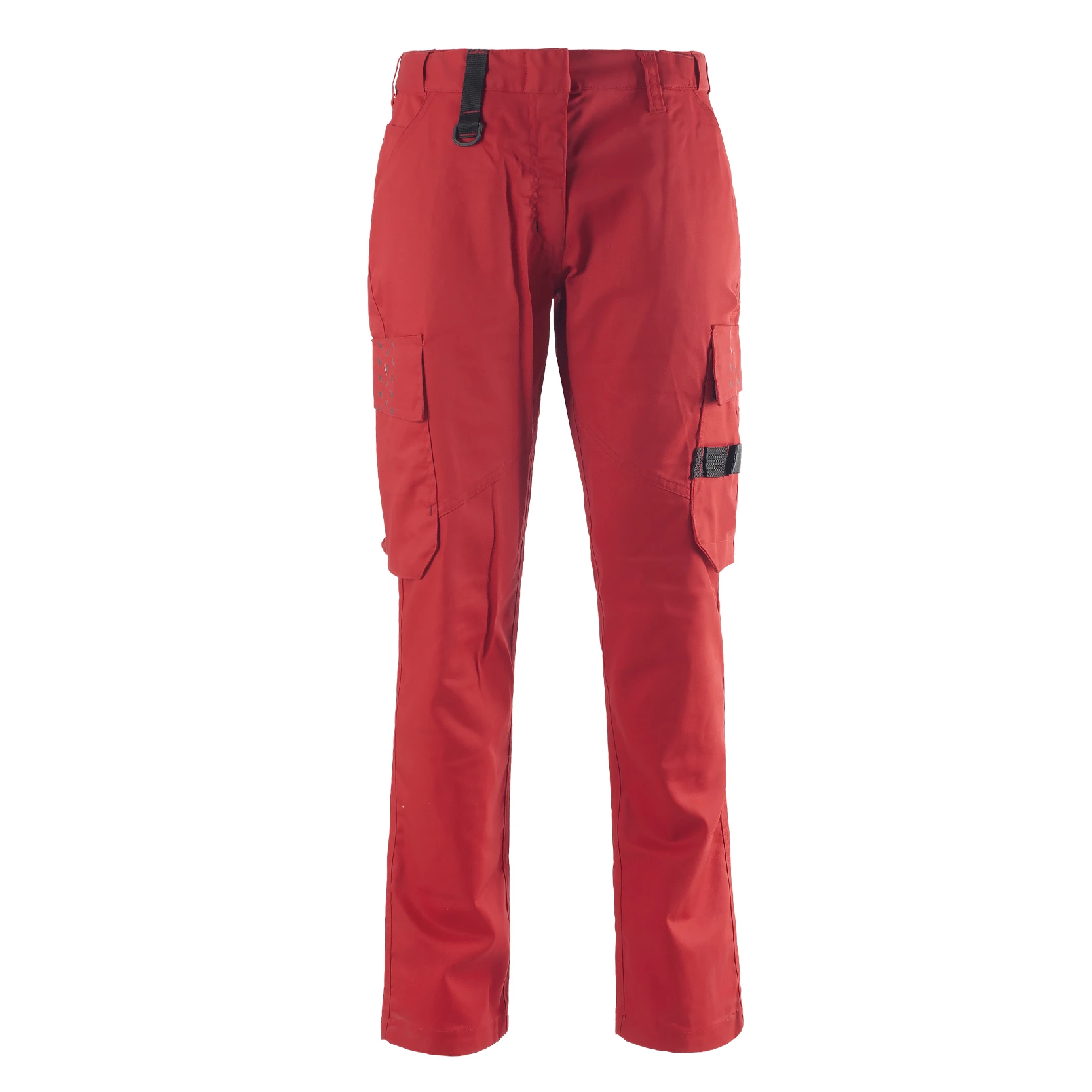
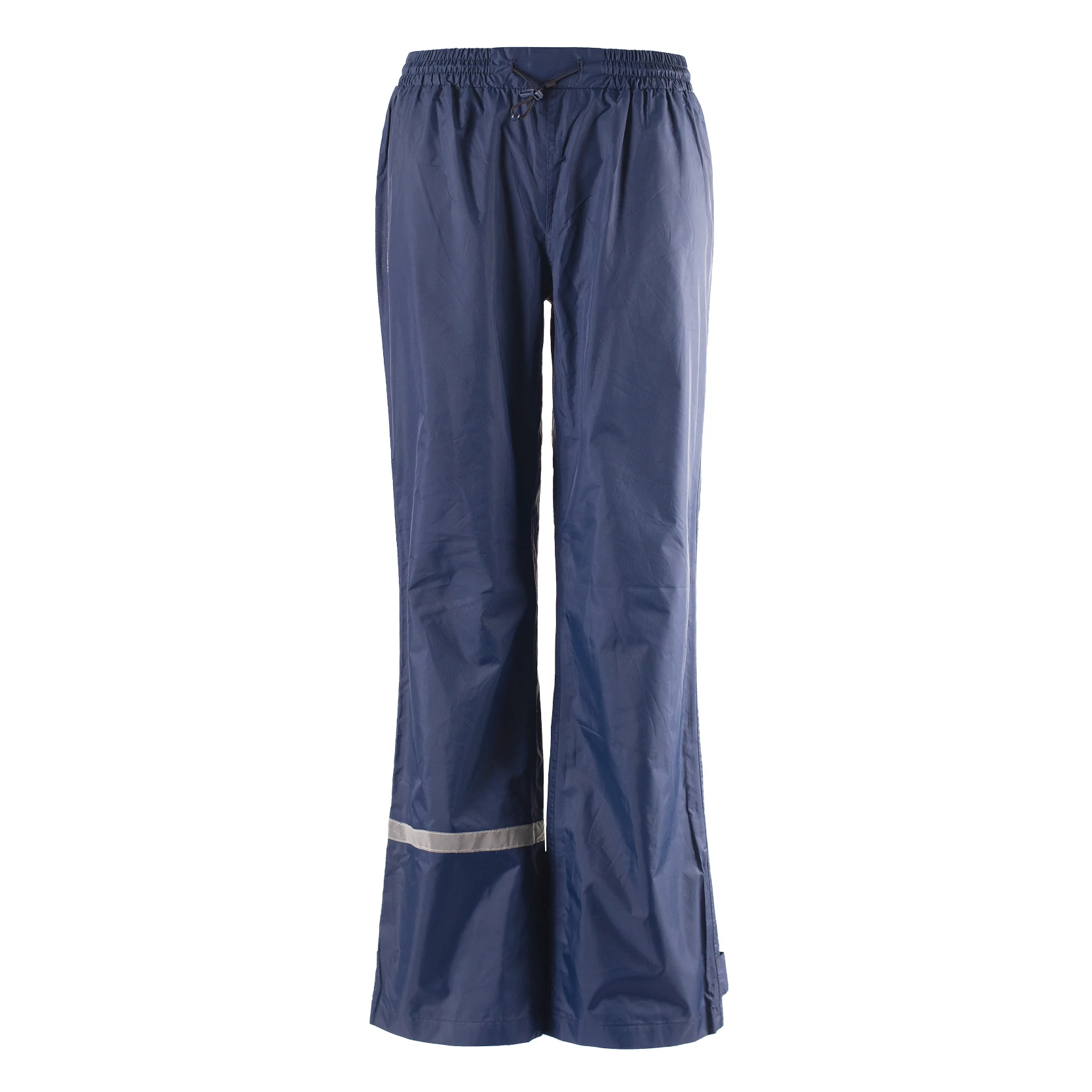
Simply put, workwear stretch trousers are industrial-grade pants designed with flexible fabric components—often a blend of cotton, polyester, and elastane or spandex—that allow freedom of movement while maintaining robust protection. Think of them as the hybrid between rugged durability and gym-wear comfort.
Their role stretches beyond comfort: non-slip knees, reinforced stitching, and abrasion resistance cater to professions where one moment you’re standing upright, the next you’re kneeling or climbing. This is particularly useful in outdoor construction or warehouses where physical agility directly affects safety.
Also, these trousers respond to the humanitarian angle — consider relief workers operating in harsh environments; they need clothes that don’t impede their rapid movements or tire them faster.
Takeaway: Workwear stretch trousers marry the demands of durability and flexibility, making them indispensable for many labor-intensive roles.
Core Features of Quality Workwear Stretch Trousers
1. Durability & Abrasion Resistance
The fabric has to withstand rough surfaces, constant rubbing, and sometimes harsh chemicals. Heavy-duty twill and reinforced knee pads are common, ensuring longevity. Many manufacturers also apply water or oil repellents to fight stains.
2. Elasticity and Flexibility
Stretch panels or mixed fibers facilitate easier bending, squatting, and movement — crucial when ergonomics can make or break a workday’s success (or safety). Without flexibility, fatigue sets in faster.
3. Breathability & Comfort
Workers sweat. Good stretch trousers integrate breathable materials or ventilation to regulate temperature. This is often overlooked but critical for preserving focus on long shifts.
4. Safety Features
Reflective strips, fire-retardant coatings, or compatibility with PPE like knee pads and holsters often distinguish a pair of these trousers from off-the-shelf fashion gear.
5. Practical Pockets and Reinforcements
Functional pockets, tool loops, and double stitching provide convenience and toughness. Real professionals rely on their trousers like a second toolbox.
| Feature | Specification |
|---|---|
| Fabric Composition | 65% Polyester, 32% Cotton, 3% Elastane |
| Abrasion Resistance | >20,000 cycles (Martindale test) |
| Stretch Recovery | 95% after 50 washes |
| Water Repellent Treatment | DWR (Durable Water Repellent) finish |
| Reinforcements | Double-stitched knees and seat panels |
| Safety Features | Reflective tape, Tool loops |
For anyone searching for workwear stretch trousers, focusing on these core components can really filter the wheat from the chaff.
How Different Regions and Industries Benefit
Across continents, various use cases emerge. In Europe’s sprawling manufacturing sector, these stretch trousers improve employee ergonomics, reducing musculoskeletal disorders, per OSHA reports. In Africa and Asia, where informal construction work abounds, these trousers uplift safety standards by enabling affordable yet effective protective wear.
Humanitarian organizations operating in disaster-stricken zones rely heavily on durable apparel that supports mobility during chaos — think of rapid relief missions after earthquakes, where workers trek across rubble-strewn land. Here, workwear stretch trousers provide both comfort and ruggedness.
Oddly enough, even high-tech warehouses with automated picking bots rely on staff outfitted in such trousers for flexibility and quick movement — a surprisingly crucial factor in fast-paced logistics.
Takeaway: From remote industrial sites to organized supply chains, workwear stretch trousers enhance productivity and safety almost everywhere.
The Long-Term Advantages of Investing in Quality Workwear Stretch Trousers
If you want the short answer: cost efficiency, safety, and sustainability. When workers wear trousers designed for their tasks, incidents decline (saving insurance and downtime costs), while better material longevity reduces replacement frequency. It’s the classic win-win.
On a deeper level, these trousers boost worker morale. Feeling protected and comfortable directly impacts job satisfaction — no joke. It’s about trust between employer and staff, and frankly, dignity. That’s why many companies now communicate “our uniform is our commitment to you.”
Environmentally, modern fabrics with stretch also tend to use blended fibers that track to sustainability standards — recyclable, reduced water use, sometimes organic cotton sources. This aligns with ISO 14001 environmental management practices increasingly adopted across industries.
Emerging Trends in Workwear Stretch Trousers
The future looks promising — think performance fabrics with embedded sensors to monitor worker vitals, or nano-enhanced coatings that repel even chemical hazards. Sustainability remains a large focus: recycled polyester, biodegradable elastane alternatives, and closed-loop manufacturing.
Digital transformation also means better sizing customization through 3D body scanning, ensuring trousers fit perfectly and minimize waste. Even smart seams that change color under extreme wear or chemical exposure are becoming feasible.
So yeah, we are moving to work trousers that are not passive gear but active partners in worker health and safety.
Common Challenges and How Industry Innovators Are Tackling Them
There are hurdles, naturally. Stretch fabrics can sometimes compromise on extreme abrasion resistance or introduce thermal challenges — meaning in freezing or very hot conditions, balancing elasticity with protection is tricky.
Some companies resolve this by engineering multi-layered panels or removable liners. Others are experimenting with hybrid fabrics that combine stretch zones with durable woven zones exactly where needed.
Sizing inconsistencies across brands also cause friction. Here, data analytics and trial programs with clients help manufacturers adjust cuts and fits iteratively. Customer feedback loops matter, more than one might expect.
| Vendor | Price Range | Fabric Blend | Special Features | Warranty |
|---|---|---|---|---|
| Duraflex Pro | $60–$90 | 68% Polyester, 29% Cotton, 3% Spandex | Water-resistant, reinforced knees | 2 years |
| FlexGuard Industrial | $55–$85 | 65% Cotton, 32%, Polyester, 3% Elastane | Enhanced mobility, chemical resistant finish | 3 years |
| Worker’s Choice | $50–$75 | 70% Polyester, 25% Cotton, 5% Spandex | Reflective elements, tool loops | 1 year |
FAQs About Workwear Stretch Trousers
Q1: How do workwear stretch trousers improve safety compared to traditional trousers?
They offer improved mobility and a better fit, which reduce trip and fall accidents by enabling natural movement. Reinforced areas also protect against abrasions and minor injuries.
Q2: Can these trousers be worn in all weather conditions?
Many models include breathable and water-repellent fabrics, making them suitable for a range of climates, but extremely cold or hazardous weather may require additional layering or specialized gear.
Q3: How do I choose the right size for my workwear stretch trousers?
Check vendor sizing charts carefully, and when possible, try samples. The stretch factor allows some flexibility, but ensuring correct waist and inseam measurements remains key for comfort and safety.
Q4: Are workwear stretch trousers easy to maintain?
Yes, most are machine washable with long-lasting elasticity and color retention. Follow care instructions (usually warm wash, low tumble drying) to preserve fabric integrity.
Q5: Where can I buy quality workwear stretch trousers?
Numerous vendors supply globally, but shopping at specialist retailers like Pullytrade ensures certified quality, guarantees, and access to technical support.
Wrapping It Up: The Stretch Onward
In the end, workwear stretch trousers are more than just flexible fabric; they represent an evolution in occupational safety and comfort. Investing in them means fewer accidents, longer gear life, and happier, more productive workers. If you haven’t yet upgraded your team’s apparel, it might be time to see what a little stretch can do.
Ready to explore your options? Visit our website: https://www.pullytrade.com for specialized workwear stretch trousers that combine industry expertise with innovation.
References:
1. International Labour Organization, www.ilo.org
2. ISO Standards on Personal Protective Clothing, www.iso.org
3. OSHA Ergonomics Guidelines, www.osha.gov