
Apr 16, 2026
12.13 / 2025
High Vis Warm Jacket: Essential Safety and Comfort Gear for Cold Work Environments
Understanding the High Vis Warm Jacket: More Than Just Safety Gear
So, what exactly is a high vis warm jacket, and why are industries and governments around the world paying increasing attention to this piece of apparel? At first glance, it may seem just a safety vest stuck into a bulky coat, but the truth is it’s a little more sophisticated and a lot more vital, especially when working through harsh conditions across various sectors. Globally, incidents in extreme weather or low-light environments reveal a simple but crucial need: staying visible and warm to reduce accidents and improve worker productivity.
Worldwide, labor safety standards from organizations like the International Labour Organization (ILO) stress protective clothing norms, which often include high visibility and thermal insulation requirements. And while that sounds like common sense, statistics show many workplace incidents occur due to poorly visible workers in chilly, unpredictable conditions.
Mini takeaway: Understanding and investing in a high vis warm jacket isn't merely about fashion or compliance. It's really about preventing harm and improving comfort in tough environments.
Why the High Vis Warm Jacket Matters Globally
Consider this: According to the World Health Organization, over 270 million workplace injuries are reported globally each year, many of which happen outdoors or in dimly-lit areas. In construction, logistics, emergency services — you name it — visibility paired with adequate warmth can be a life-saving combination.
Meanwhile, climate volatility means more workers face unpredictable cold snaps, sometimes sudden frost, or even torrential rain. The traditional safety jacket without thermal properties simply won’t cut it anymore. Thus, the high vis warm jacket is crucial, bridging the gap between visual safety standards and thermal comfort in modern industry.
The challenge lies in balancing visibility, warmth, and durability without driving costs through the roof.
What Exactly Is a High Vis Warm Jacket?
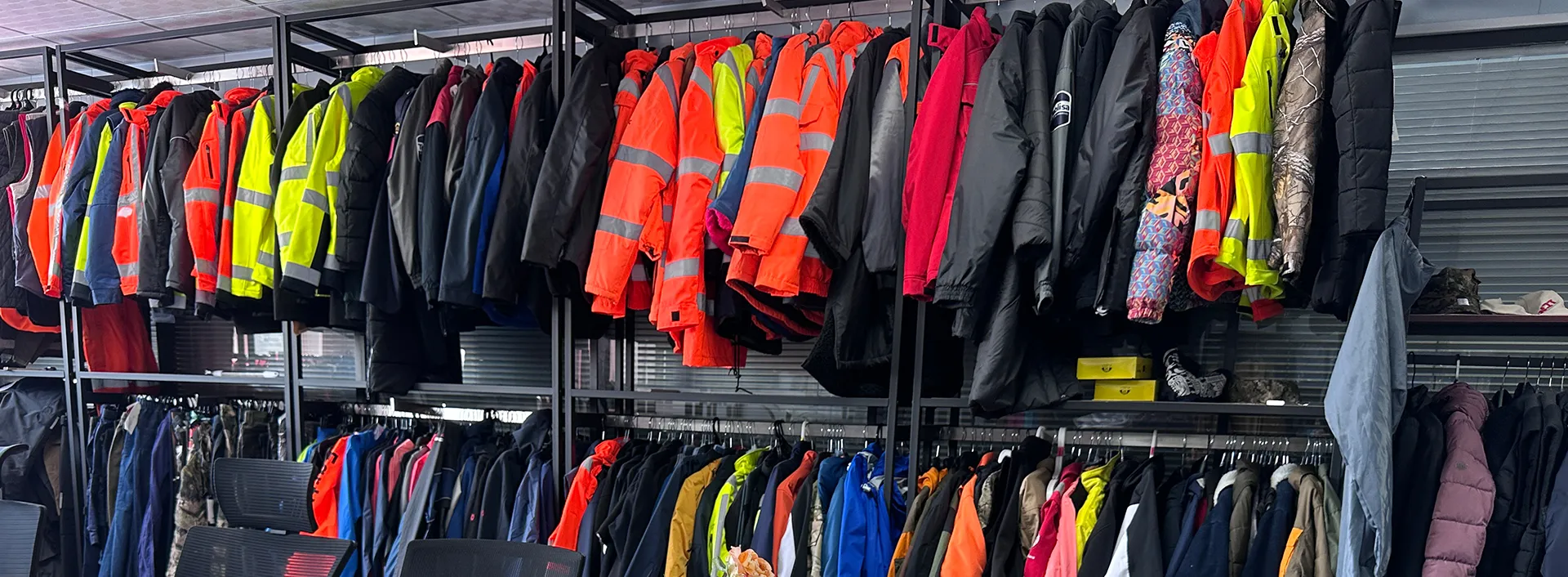
Put simply, it is a jacket designed to keep the wearer both clearly visible in low-light or hazardous environments and comfortably warm in cold weather. Typically, it features fluorescent materials like neon yellow or orange, combined with reflective tape for night-time visibility, plus insulated layers—often synthetic or fleece—to trap body heat.
These jackets serve more than construction crews or roadside workers. They’re also popular in humanitarian efforts, such as aid workers in disaster zones, where light, warmth, and quick identification are key.
Key ingredients include:
- High-contrast fluorescent fabric for daytime visibility
- Reflective tape or strips that glow under headlamps
- Thermal insulation layers for cold protection
- Durable outer shells that resist water and abrasions
Essentially, it’s a marriage of comfort and safety, meeting several regulations at once.
Core Components of the High Vis Warm Jacket
Durability That Weatherproofs
Many engineers say the truly good warm high vis jackets are made from fabrics like polyester blends with water-resistant coatings—think of early morning chills mixed with drizzle. It’s no use being warm but soaked through.
Thermal Insulation
Materials such as Thinsulate or fleece linings trap heat without feeling bulky. There’s always a balance: overheating reduces comfort, but shivering reduces concentration. I find many jackets now strike this just right.
Visibility Features
Fluorescent base colors combined with reflective strips placed strategically — on the arms, torso, and back — maximize visibility at day and night. Oddly enough, it’s the positioning that often matters most.
Comfort and Mobility
Insulated jackets historically were stiff, but newer designs incorporate stretch fabrics or ergonomic tailoring allowing freedom of movement—key for daily tasks on site.
Cost Efficiency
Cost-conscious companies seek jackets that balance quality and price, with some bundling replacement and warranty services to lower long-term expenses.
Product Specification Snapshot
| Feature | Detail / Typical Specs |
|---|---|
| Material | Polyester Shell, Fleece Lining, Thinsulate Insulation |
| Visibility | Neon Yellow/Orange Fluorescent Fabric, 3M Reflective Tape |
| Thermal Rating | Conducted to ISO 11092 — Equivalent to -10°C to -25°C |
| Water Resistance | WP 5,000mm and Breathability 3,000g/m²/day |
| Weight | Approx. 750 grams (Medium size) |
| Sizes | S to 3XL |
Global Applications and Real-World Use Cases
The versatility of the high vis warm jacket means it appears across continents and climates:
- Construction sites in Nordic countries where winter days are short and cold are prime users, needing reliable gear to prevent hypothermia and accidents.
- Emergency services in disaster relief hotspots—like after earthquakes or floods—require quick visual ID and thermal protection as deployed staff work long hours outdoors.
- Energy sector workers, especially in remote offshore oil rigs or renewable wind farms, depend on these jackets to manage changing weather conditions while maintaining safety.
- Transport and logistics personnel handling night-shift deliveries find these jackets essential to reduce traffic-related accidents.
A nice example comes from a Canadian mining company where crews credited their high vis warm jackets with significantly fewer cold-related injuries during a particularly brutal winter season. It goes beyond compliance; it’s about real-world resilience.
Vendor Landscape Comparison
| Vendor | Price Range ($) | Insulation Type | Water Resistance | Customization |
|---|---|---|---|---|
| PullyTrade | 120–150 | Thinsulate | WP 5,000mm | Logo, color, sizes |
| SafeGear Co. | 130–170 | Synthetic Fleece | WP 4,000mm | Limited |
| BrightWear Ltd. | 100–140 | Polyester fill | WP 3,000mm | Standard colors only |
Advantages & Long-Term Benefits of a High Vis Warm Jacket
Investing in a high-quality high vis warm jacket brings tangible benefits, not just instant safety but longer-term comfort and trustworthiness on the job. From a financial view, it reduces injury-related downtime and insurance claims. Socially, it fosters dignity—workers feeling respected when companies prioritize their wellbeing.
Emotionally, there’s peace of mind for both management and families, knowing workers are protected from hazards that nobody wants anyone to face. Reliability in gear feeds confidence on challenging days — and frankly, nobody wants to worry about a soggy or freezing jacket when heading out before sunrise. It’s about innovation meeting basic human needs.
Looking Ahead: What’s Next in High Vis Warm Jackets?
Industry insiders predict a wave of innovations integrating smart textiles, like embedded sensors monitoring wearer vitals or external conditions. Sustainability is also driving development, with recycled polyester and non-toxic dyeing processes gaining traction.
With the acceleration of green energy initiatives and stricter environmental standards, companies will likely demand protective gear that's not only high-performing but eco-friendly. Automation in manufacturing is helping reduce waste, and digital supply chain tools are making customization quicker than ever.
Current Challenges & How They're Tackled
One perennial issue is balancing adequate insulation without sacrificing breathability—workers need warmth but also moisture control to avoid clamminess. Innovations such as membrane fabrics like Gore-Tex help but add cost.
Another challenge is ensuring global accessibility. Developing countries or NGOs often struggle to access high-quality gear affordably. Collaborative programs, bulk purchasing, and localized production models are increasingly bridging this gap.
FAQ: Your Top Questions About High Vis Warm Jackets
Q1: What features make a high vis warm jacket ideal for winter construction work?
A1: Look for jackets with fluorescent materials and reflective strips for visibility, insulated liners like Thinsulate for warmth, and durable water-resistant outer fabrics. A good fit and added windproof membranes can also improve comfort on chilly days.
Q2: Can high vis warm jackets be customized for company branding?
A2: Yes! Many manufacturers, including PullyTrade, offer customization options such as logos, colors, and size adjustments to fit your workforce branding and safety preferences.
Q3: How do these jackets balance warmth and breathability?
A3: By using advanced fabric technologies combining insulation layers with breathable membranes, these jackets retain heat but allow sweat vapor escape, reducing discomfort and overheating.
Q4: Are high vis warm jackets suitable for humanitarian aid workers?
A4: Absolutely. Their combination of high visibility and thermal protection is ideal for aid workers operating in cold or low-visibility environments, improving safety and identification during critical operations.
Q5: How long does a typical high vis warm jacket last?
A5: With good maintenance, these jackets often last 3-5 years under regular heavy use, though lifespan depends on work conditions, laundering frequency, and fabric quality.
Wrapping It Up: Why You Should Consider a High Vis Warm Jacket Today
To sum it all up, the high vis warm jacket isn’t merely a piece of clothing; it’s a practical investment into safety, comfort, and efficiency across countless industries worldwide. Its thoughtful design addresses the real-world dilemmas of visibility and cold protection, combining them in one wearable solution that’s becoming indispensable in today’s complex working environments.
If you’re thinking about upgrading your team's gear, check out our selection of high vis warm jackets. Because safety is more than a rule — it’s peace of mind, every chilly morning and late night out there on the job.
Stay safe, stay warm— that’s the real jacket story.