
Apr 16, 2026
12.13 / 2025
High Vis Construction Jacket – Safety, Comfort & Global Standards Explained
What’s So Important About a High Vis Construction Jacket Anyway?
At first glance, a high vis construction jacket might seem like just a piece of brightly colored clothing. But, dig a little deeper, and it’s a crucial safety tool woven into the fabric of industries worldwide. Whether you’re working on a bustling urban construction site, directing traffic on a foggy highway, or assisting in relief operations after a natural disaster, high-visibility jackets are there to protect workers by making sure they don’t simply blend into the background.
Globally, worksite accidents remain a stubborn challenge. According to the International Labour Organization (ILO), over 2.3 million people die annually from work-related accidents and diseases, with visibility-related mishaps accounting for a significant portion. The subtle thing here is this: wearing the right high vis gear drastically reduces chances of accident, especially in low light or high-risk environments. So, understanding the ins and outs of these jackets isn’t just technical trivia—it’s a matter of saving lives, boosting productivity, and ensuring compliance with safety regulations worldwide.
Mini takeaway: High vis construction jackets are more than just bright colors—they’re frontline lifesavers in a global work safety landscape.
The Global Context: Why High Vis Construction Jackets Matter Today
Industries like construction, transportation, and emergency response are expanding at a dizzying pace worldwide, and so are the challenges they face. The World Bank reports that construction is one of the largest employers in developing countries, often with a hefty toll on worker safety due to poor visibility and lack of protective gear.
Imagine the scale: roads being built at dawn, cranes operating at dusk, or rescue teams maneuvering through debris after natural disasters. Without high vis safety jackets, the risk of accidents skyrockets. Safety standards, like those developed by ISO (International Organization for Standardization), push manufacturers and employers alike to prioritize visibility. The reality? Investment in such garments correlates directly to lower injury rates, better regulatory compliance, and less downtime.
It’s a global challenge but also a global solution, bridging the gap between safety protocols and on-the-ground realities.
Mini takeaway: Across continents and climates, high-vis jackets respond to a universal safety need in evolving work environments.
Defining High Vis Construction Jackets: What Exactly Are They?
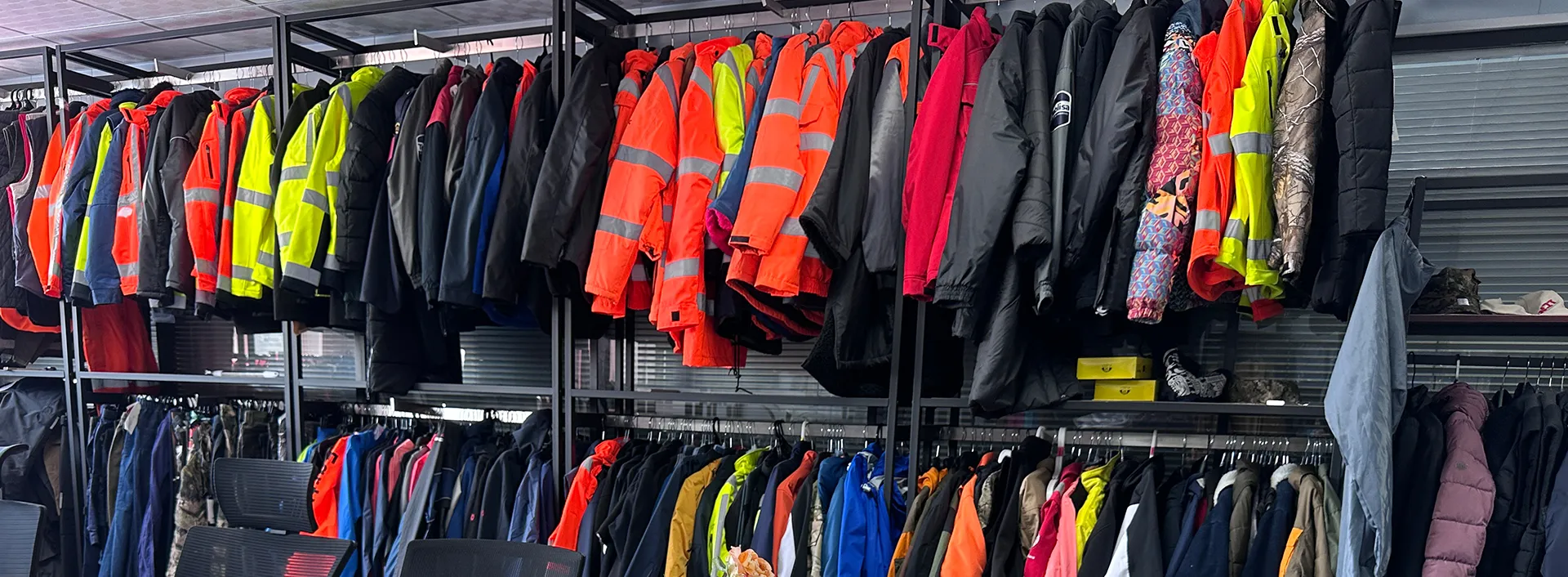
Simply put, a high vis construction jacket is a specially designed safety garment intended to make the wearer easily seen under all lighting conditions. Typically fluorescent yellow, orange, or lime green, these jackets feature reflective strips that bounce back light—think headlights, flashlights, or even daylight—making the worker visible at distances where a regular jacket would remain unnoticed.
It’s not rocket science, but the clever blend of color and reflectivity sometimes escapes basic comprehension. They originated decades ago in transport sectors but have evolved to suit a broad array of modern industrial needs, including construction, mining, and emergency services. Beyond just color, the fabric choice, seam strength, and design adaptability all tie into the jacket’s purpose—keeping life safe and work efficient.
Mini takeaway: These jackets are the practical result of science and safety, combining vivid colors with reflective technology.
Key Components of Effective High Vis Construction Jackets
1. Visibility Through Fluorescent Colors
The foundation, really. Colors used absorb energy from UV light and re-emit it as visible light, an effect that’s why they “pop” in daylight.
2. Retro-Reflective Tape
This clever stuff reflects light back to its source, critical for low-light or night-time situations—a must-have per ISO 20471 standards.
3. Durable Weather-Resistant Fabrics
Construction sites aren’t gentle on clothes. Jackets need to repel water, resist tears, and hold up to grit yet remain breathable.
4. Design & Fit
Look, it’s not just about sashaying down the catwalk. Functional pockets, adjustable cuffs, and enough room for layering mean the worker actually wears it comfortably every day.
5. Compliance & Certification
Certified to safety standards (EN ISO 20471, ANSI/ISEA), ensuring tested performance. You want a jacket backed by science, not just neon paint.
6. Added Features
Sometimes jackets come with thermal insulation for cold climates or mesh panels for ventilation in hot environments—tailored to global needs.
Mini takeaway: A high vis jacket’s value depends on color, reflectivity, durability, fit, and meeting international standards.
How High Vis Construction Jackets Are Used Globally
This isn’t a “one jacket fits all” story. Across North America and Europe, you’ll find jackets meeting EN ISO and ANSI standards; in Asia and Africa, the focus might shift more on affordability blended with performance.
For example, in post-disaster relief zones—like after typhoons in the Philippines or earthquakes in Turkey—high visibility jackets help emergency workers stay safe amid chaotic debris and harsh light conditions. Meanwhile, in Australia’s mining regions or Canada’s cold-weather construction sites, insulated versions keep safety and comfort balanced.
Even companies in remote industrial zones of Russia or oil platforms in the North Sea have tailored their jackets to cope with extreme temperatures and wind while ensuring visibility from afar.
Mini takeaway: Different climates, industries, and emergencies shape how these jackets are made and used worldwide.
Advantages and Long-Term Benefits of Investing in High Vis Construction Jackets
- Safety and Accident Reduction: The obvious heart of it—helping employers reduce workplace injuries, sometimes by over 40% according to some safety studies.
- Cost Efficiency: Though some jackets can be pricey, high durability and reduced downtime offset initial costs.
- Worker Confidence and Dignity: Wearing proper gear, not just improvised clothing, boosts morale and shows an employer values their wellbeing.
- Regulatory Compliance: Avoid hefty fines or shutdowns. Compliance can also improve client trust and open doors to bigger contracts.
- Environmental Considerations: Many brands now use recycled materials or eco-friendly dyes—a nod to sustainability.
Mini takeaway: Beyond bright colors, these jackets protect lives, save money, and support ethical business practices.
Emerging Trends in High Vis Construction Jackets
Innovation never stops. The next generation of these jackets is leaning heavily into smart textiles—think LED embedded strips for ultra visibility, fabrics that can adapt to temperature, or even GPS integration for tracking workers in risky zones.
Green energy trends inspire manufacturers to use solar-powered textiles to charge safety lights on the jacket. Meanwhile, automation in factories is allowing tailored fits and better ergonomics at scale, so a jacket fits like a glove.
Also, policies worldwide push for sustainable sourcing. This means expect more jackets made from recycled polyester, biodegradable tapes, and less water-intensive dye processes.
Mini takeaway: The future includes tech, eco-conscious fabrics, and smarter designs to boost both safety and sustainability.
Common Challenges and How Experts Overcome Them
Like any equipment, challenges persist. One classic complaint: high vis jackets can get hot and sticky, especially in tropical zones. Another: reflective tape can fade or peel after multiple washes.
Experts suggest choosing jackets with mesh panels or ventilation, investing in higher-grade reflective materials, and following strict maintenance guidelines to extend life. Sometimes modular gear—separating jacket and liners—helps workers adapt to changing conditions on-site.
Cost remains an issue for smaller firms, but rental or leasing models for PPE, including high vis jackets, are gaining traction to bridge that gap.
Mini takeaway: Balancing cost, comfort, and durability is an ongoing dance, but expert insights offer practical solutions.
FAQ: Your Burning Questions About High Vis Construction Jackets
- Q1: What are the key safety standards a high vis construction jacket should meet?
- A: Look for EN ISO 20471 in Europe or ANSI/ISEA 107 in North America. These ensure tested reflectivity and durability, critical for workplace visibility and compliance.
- Q2: Can I use a high vis jacket in extreme weather conditions?
- A: Yes, many jackets are designed with insulated liners or breathable fabrics. Choosing one tailored for your climate is key to comfort and safety.
- Q3: How often should I replace my high vis construction jacket?
- A: Generally, inspect regularly for tears, fading, or tape damage. Replacement cycles vary but expect around 1-3 years depending on use intensity.
- Q4: Are there eco-friendly options for high vis jackets?
- A: Absolutely. Look for brands using recycled polyester, low-impact dyes, or biodegradable components—these reduce environmental footprint without compromising safety.
- Q5: Can a high vis jacket be customized with company logos or additional pockets?
- A: Yes, many suppliers offer customization for branding or functional features, which can also improve worker recognition and accessibility on site.
Product Specification Table: Typical Features of a High Vis Construction Jacket
| Feature | Specification | Benefit |
|---|---|---|
| Material | Polyester with PU coating | Water-resistant, durable |
| Color | Fluorescent Yellow or Orange | Maximum daylight visibility |
| Reflective Tape | 3M Scotchlite, 50mm wide | Enhanced night visibility |
| Certification | EN ISO 20471 Class 3 | Guaranteed safety performance |
| Temperature Range | -20°C to +30°C | Suitable for varied climates |
| Additional Features | Adjustable cuffs, ventilation panels | Comfort & customization |
Vendor Comparison: Selecting The Right Partner For High Vis Jackets
| Vendor | Price (per unit) | Certifications | Customization | Lead Time |
|---|---|---|---|---|
| BrightSafe Co. | $35 - $45 | EN ISO 20471, ANSI | Logo, pockets, colors | 2-3 weeks |
| SafeGear Inc. | $40 - $50 | ANSI 107 only | Limited | 1-2 weeks |
| EcoWear Solutions | $45 - $60 | EN ISO 20471, recycled materials | Full customization | 3-4 weeks |
| Global Safety Trades | $30 - $40 | EN ISO 20471 (Class 2 only) | Logo only | 1 week |
Wrapping It Up: Why High Vis Construction Jackets Deserve Your Attention
In the end, the humble high vis construction jacket is a small but mighty component of occupational safety worldwide. It’s one of those things you don’t think much about until it’s missing, or worse yet, until an accident occurs that could have been avoided. From cutting down accidents to improving worker morale and helping companies meet strict regulations, the benefits pile up fast.
If you’re responsible for a team, a site, or inventory of protective gear, it’s worth investing time to choose the right jacket—one that blends durability, certification, comfort, and even eco-conscious materials.
So, if you want to explore high vis jackets that truly deliver, why not visit our website and see what’s currently leading the pack? After all, sometimes the brightest solution is the simplest one.