
Apr 16, 2026
10.12 / 2025
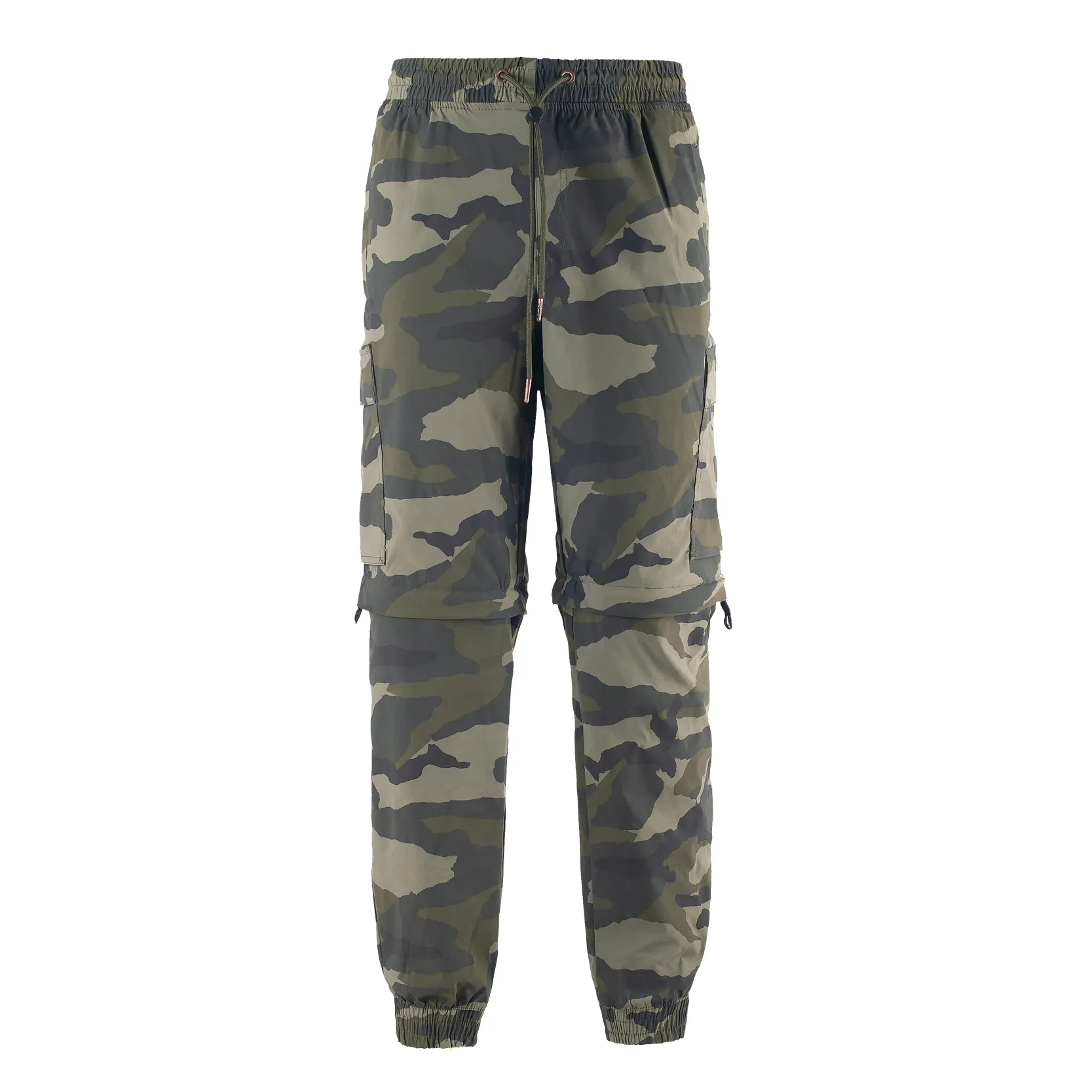
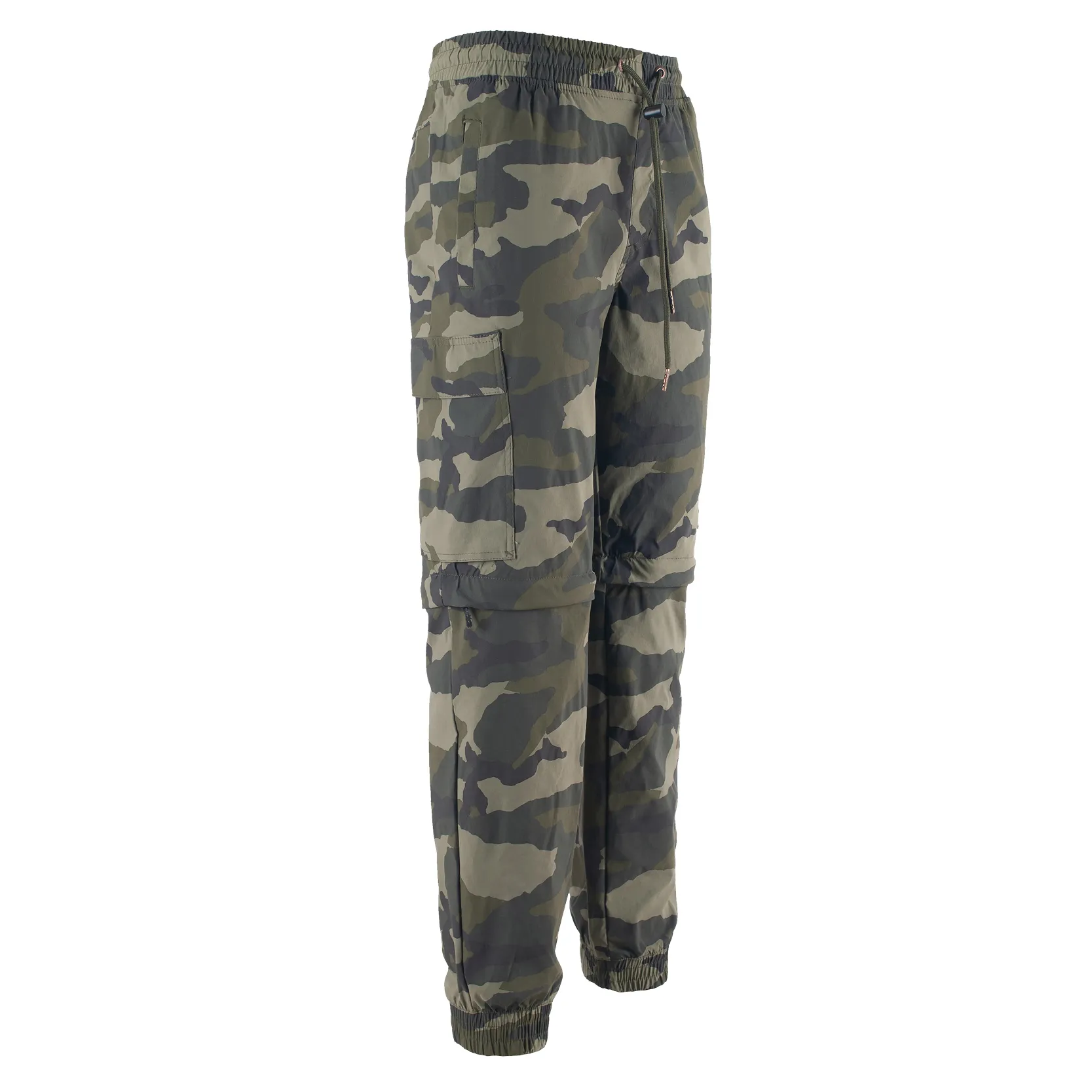
Zip Off Camo Pants | Quick-Dry 2-in-1 Hiking Convertible
Men’s Camouflage Detachable Pants: insider notes from the trail and the factory floor
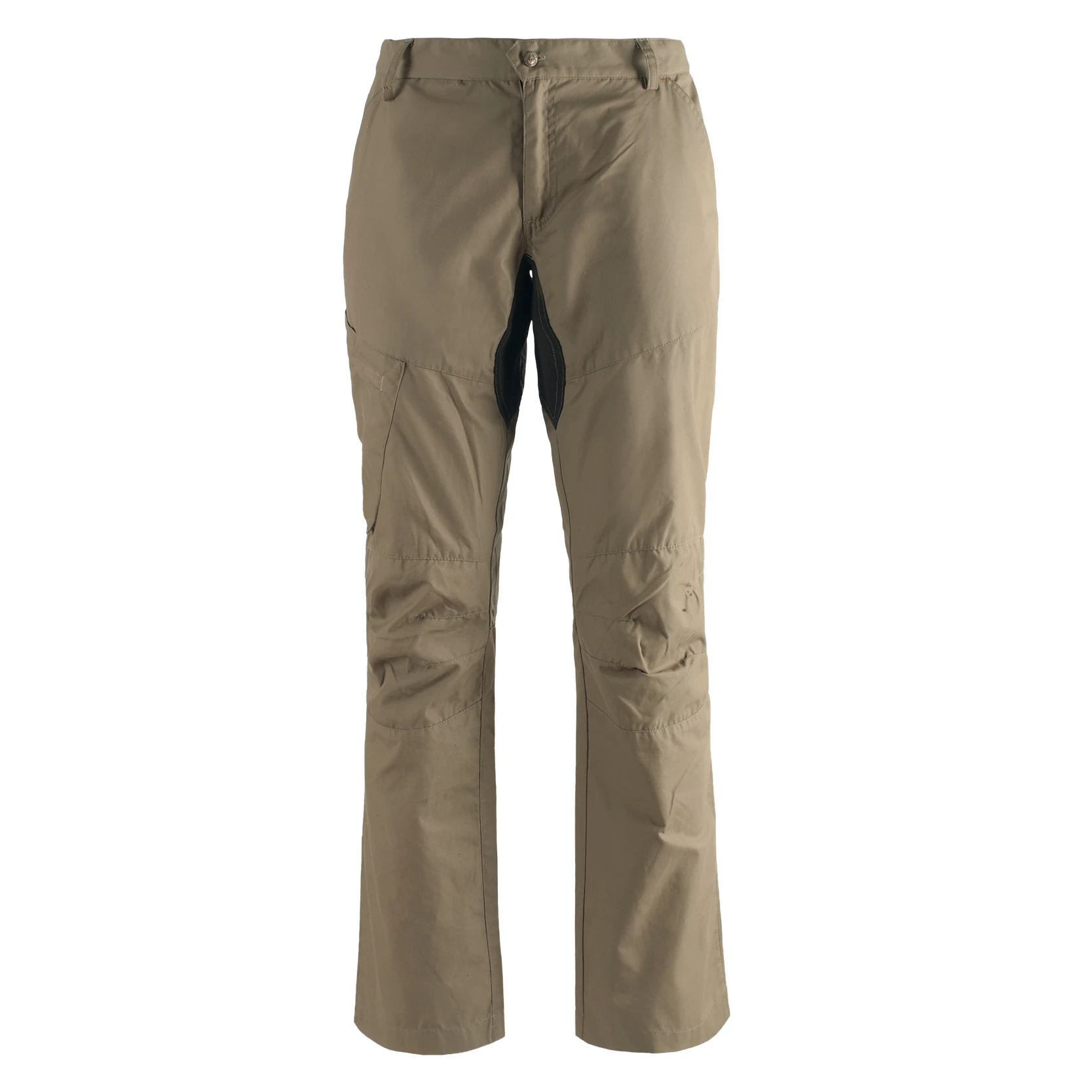
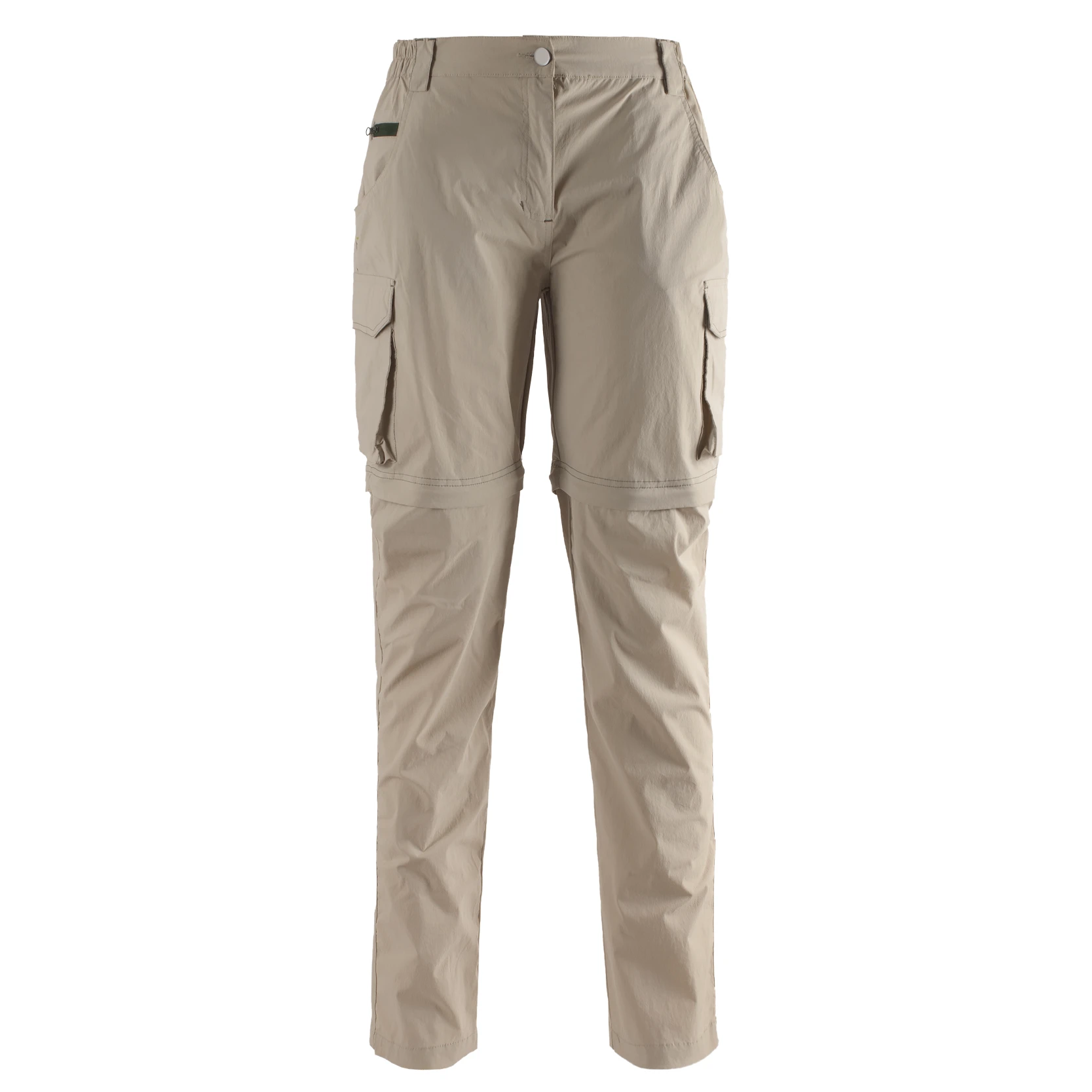
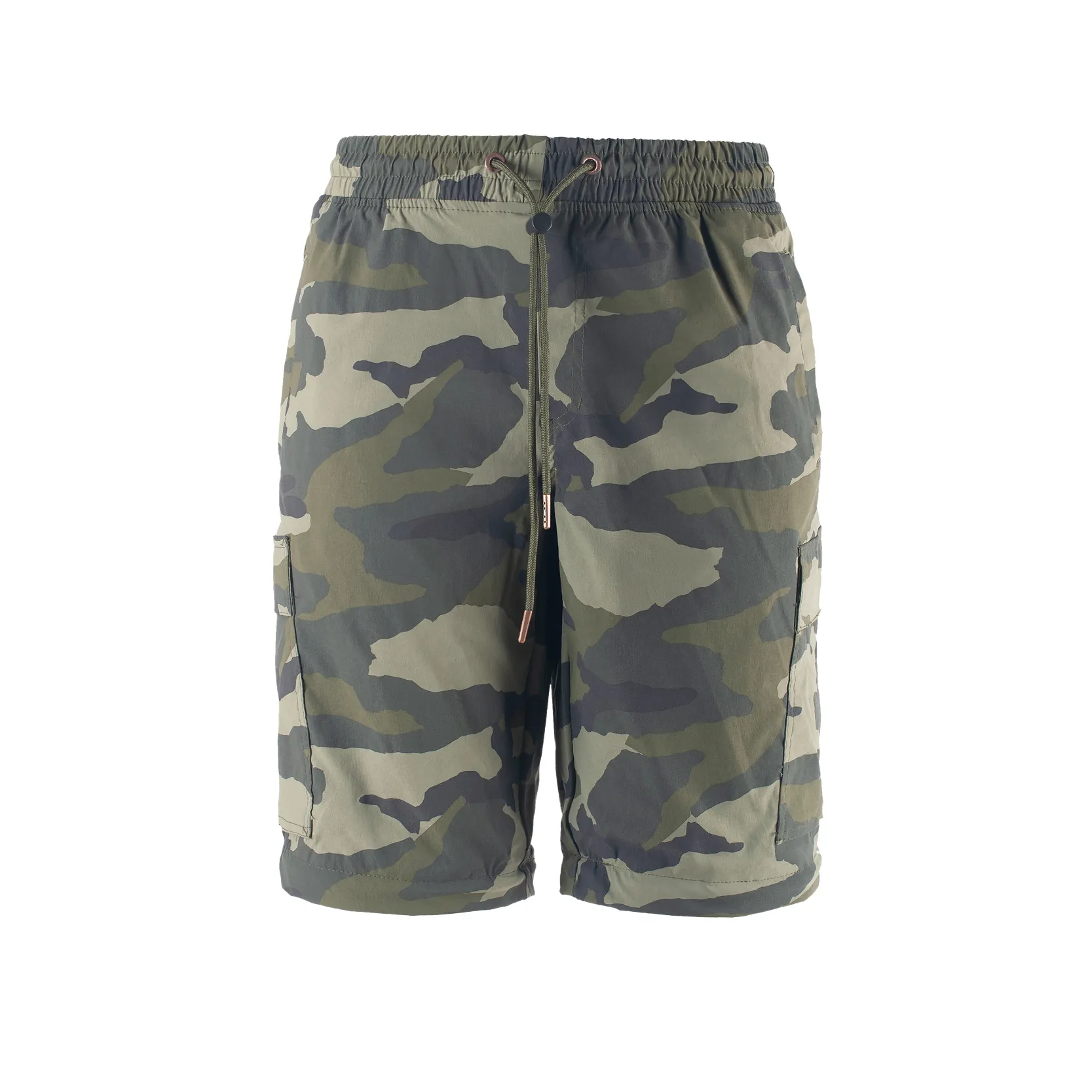
If you’re shopping for zip off camo pants, here’s what I’d look for after years of covering outdoor apparel and pestering production managers for the unvarnished details. The model in question—Men’s Camouflage Detachable Pants (code BLMT006)—comes out of NO.6 Fengchan Road, Shijiazhuang Economic and Technological Development Zone, which, to be honest, is a mouthful but also a hub that quietly powers a lot of solid gear.
What’s trending (and why it matters)
Modular apparel is having its moment: trail-to-town, desk-to-dirt. Nylon/spandex blends dominate because they’re tough, dry fast, and move with you. Brands are leaning into DWR finishes, quieter weaves (less swish), and compliance with REACH and OEKO‑TEX—because the savvy buyer now asks about chemistry, not only camo. And yes, customers want pants that become shorts without the zippers snagging. Many customers say this model’s zips are smooth, which—surprisingly—is still rare at this price tier.
Technical breakdown at a glance
| Product name | Men’s Camouflage Detachable Pants (BLMT006) |
| Fabric | 96% Nylon / 4% Spandex (mechanical stretch) |
| Fabric weight | ≈160–220 g/m² (real-world use may vary by batch) |
| Finish | DWR water-repellent; quick-dry; easy-care |
| Zippers | Detachable leg zips; fly zip; reinforced pullers |
| Pockets | Multi-pocket layout; cargo + hand + rear with bartacks |
| Color/print | Camo patterns; custom prints on request |
| Testing targets | Abrasion ISO 12947 / ASTM D4966; colorfastness ISO 105; seam strength ISO 13935 |
| Indicative data | Martindale abrasion lab read-out ≈30,000–40,000 cycles; tear strength mid-high (sample-based) |
From material to field: process flow
Materials: solution-dyed nylon for color stability, 4% spandex for mobility. Methods: precision cutting, bartacks at pocket corners, double-needle inseams, clean-finished waistband. QC and testing: abrasion per ISO 12947/ASTM D4966, colorfastness ISO 105, tensile/tear checks, zipper cycle tests (≈3,000 pulls), and fit grading on standard blocks. Service life: around 2–3 hard-use seasons; longer with sensible care (cold wash, low heat). Industries using these: outdoor retail, trekking guides, field tech teams, logistics crews, and yes—weekend anglers who hate soggy hems.
Where they shine
Hot hike turns windy? Pop the legs off; stash them. Rain squall? The fabric sheds light precipitation and dries fast. The stretch helps scrambling over deadfall, and the camo pattern blends nicely for hunting blinds. I guess the main advantage is versatility—why carry both shorts and pants if one pair does the job?
Vendor landscape (quick comparison)
| Vendor | Typical MOQ | Lead time | Certs support | Customization | Notes |
|---|---|---|---|---|---|
| Pullytrade (Origin: Shijiazhuang Dev. Zone) | ≈200–500 pcs | ≈25–45 days | OEKO‑TEX/REACH by request | Prints, trims, fits | Factory-direct pricing |
| Regional OEM A | ≈300–800 pcs | ≈30–60 days | REACH | Limited camo library | Stable capacity |
| Marketplace Seller B | No MOQ | Stock only | Varies | Minimal | Fast but less control |
Note: figures are indicative; confirm per purchase order.
Customization and feedback
For BLMT006, you can usually tweak camo prints, GSM, zipper color, and pocket mapping; some teams even add reflective piping for night ops. Field feedback? Hikers love the quick swap to shorts; security crews appreciate the pocket strength and low-maintenance fabric. A few users asked for deeper hand pockets—easy fix in custom runs.
Mini case files
• European trekking retailer: moved to zip off camo pants for rental fleets; returns reportedly dropped ≈12% season-over-season after switching to a nylon/spandex blend and reinforced zips.
• APAC security firm: standardized on zip off camo pants for mixed-climate patrols; staff adoption shot up because, well, comfort wins.
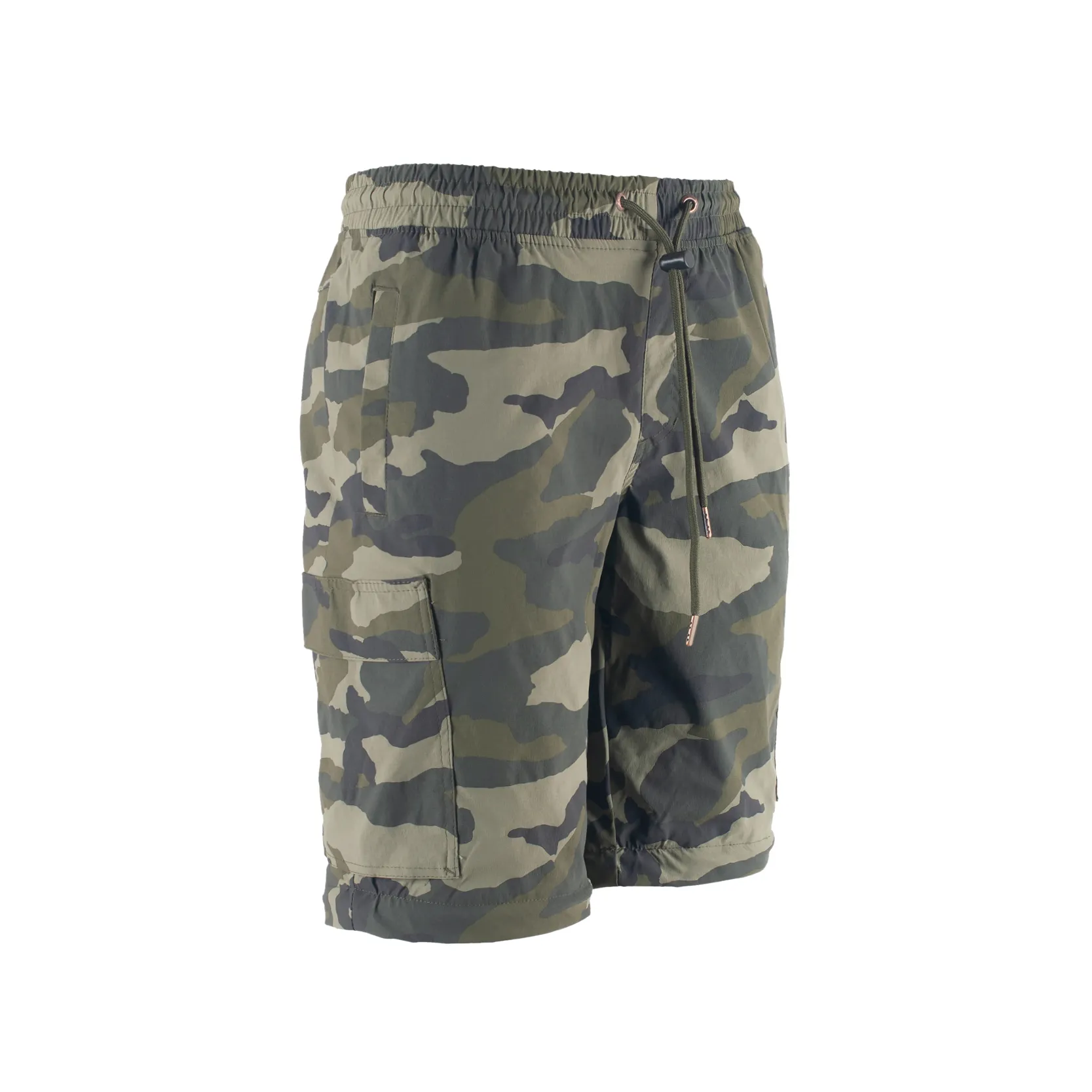
Bottom line: a durable nylon/spandex chassis, clean construction, and reliable detachable zips make these zip off camo pants a practical pick for anyone who hates packing extra gear. Actually using them beats any spec sheet—but the specs here are on your side.
Authoritative citations
1. ISO 12947 Martindale Abrasion Testing: https://www.iso.org/standard/64340.html
2. ASTM D4966 Abrasion Resistance of Textile Fabrics: https://www.astm.org/d4966
3. OEKO‑TEX Standard 100 (harmful substances): https://www.oeko-tex.com/en/our-standards/standard-100-by-oeko-tex
4. EU REACH Regulation overview (ECHA): https://echa.europa.eu/regulations/reach