
Apr 16, 2026
11.27 / 2025
Winter Construction Coat – Durable, Warm & Safe Workwear for Cold Sites
Winter Construction Coat: Essential Gear for Cold Weather Workers
When the mercury dips well below freezing and worksites turn into hostile environments, a winter construction coat isn’t just a good idea — it’s a lifeline. From scaffolding to earthworks, outdoor construction workers face brutal conditions that challenge their safety, comfort, and productivity. Understanding these specialized coats — what makes them tick, why they're vital worldwide, and how innovations keep evolving — can help project managers, specifiers, and safety officers make smart choices that impact health and efficiency.
Let’s delve into what a winter construction coat really is, why it matters globally, and the benefits of choosing the right one.
Why Winter Construction Coats Matter Globally
According to the International Labour Organization, millions of construction workers worldwide are regularly exposed to harsh winter conditions, often facing wind chill values that dramatically increase the risk of hypothermia and frostbite. The World Bank notes that cold weather delays and accidents can add up to 20% extra project costs in northern climates. This is not just a local issue; countries from Canada to Russia, northern Europe to the Japanese mountains all demand protective, durable winter gear.
More so, the rise of infrastructure projects in colder regions — think Arctic exploration or mountain wind farms — has pushed demand for specialized clothing that balances warmth, safety, and mobility. Here’s the typical pain point: traditional coats often lack the durability or flexibility required on construction sites, which is why winter construction coats have a unique place in the PPE lineup.
What Exactly Is a Winter Construction Coat?
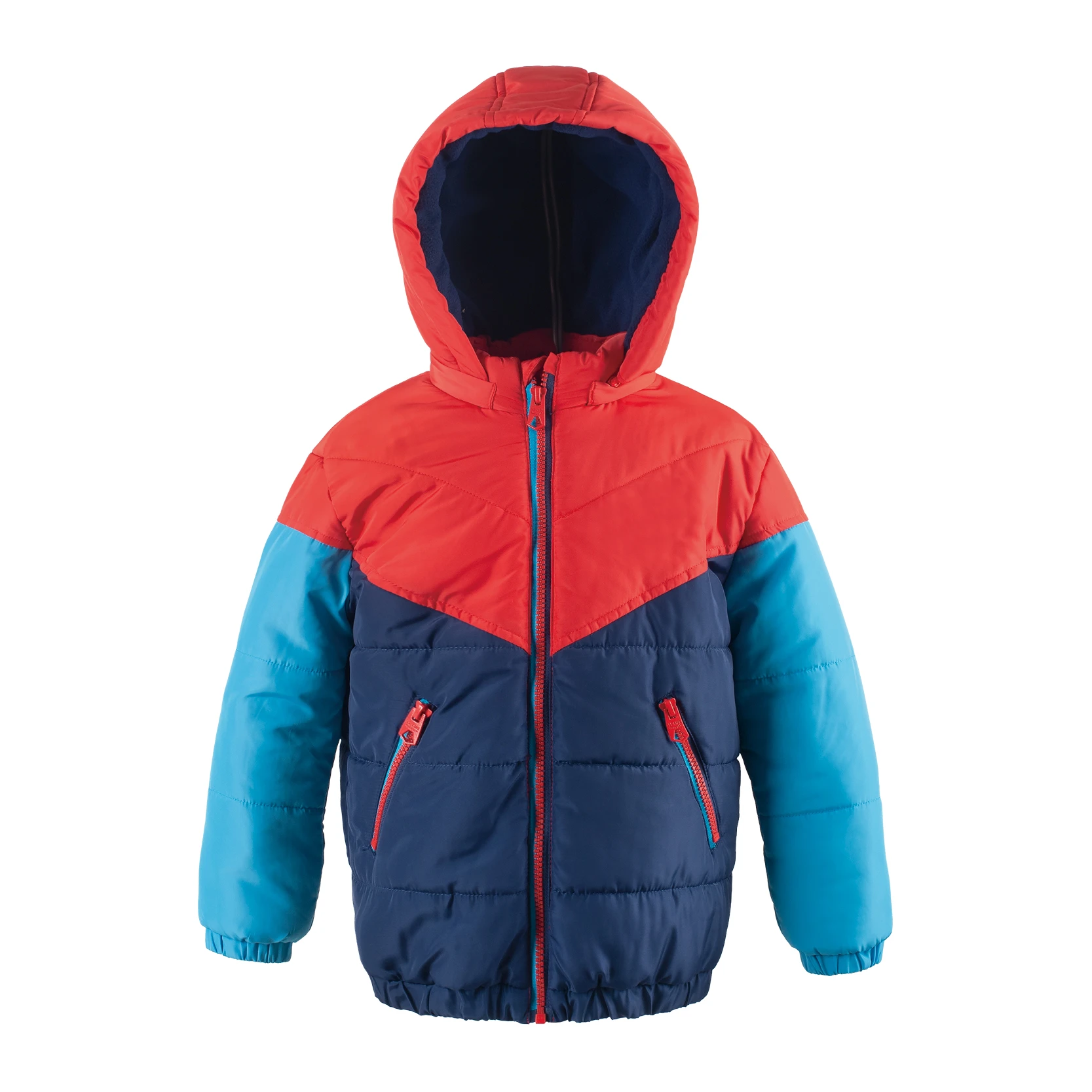
Simply put, a winter construction coat is a heavy-duty outer garment designed explicitly for cold-weather industrial environments. Unlike regular jackets, these coats combine thermal insulation with abrasion resistance, water and windproofing, and safety features such as high-visibility strips or reinforced seams.
They are engineered to meet standards like ISO 20471 for visibility and EN 342 for cold protection, ensuring they serve workers safely and reliably on site. These coats aren’t just bulky warmth — they reflect an understanding of harsh weather and tough working conditions.
Core Features That Define a Quality Winter Construction Coat
1. Durability
Construction sites are notoriously rough on clothing. A good winter coat must resist tears, cuts, and abrasion from pipes, machinery, and heavy materials. Manufacturers often choose heavyweight cordura nylon or polyester blends with reinforced elbows and shoulders.
2. Thermal Insulation
To counter biting cold, these coats use insulation layers such as down, synthetic fibers like Thinsulate, or wool blends. The balance here is tough: too much bulk slows movement, but too little risks cold stress.
3. Water and Wind Resistance
Since site conditions are rarely dry, coatings such as polyurethane or breathable membranes like Gore-Tex keep the elements at bay while allowing moisture from sweat to escape.
4. Safety and Visibility
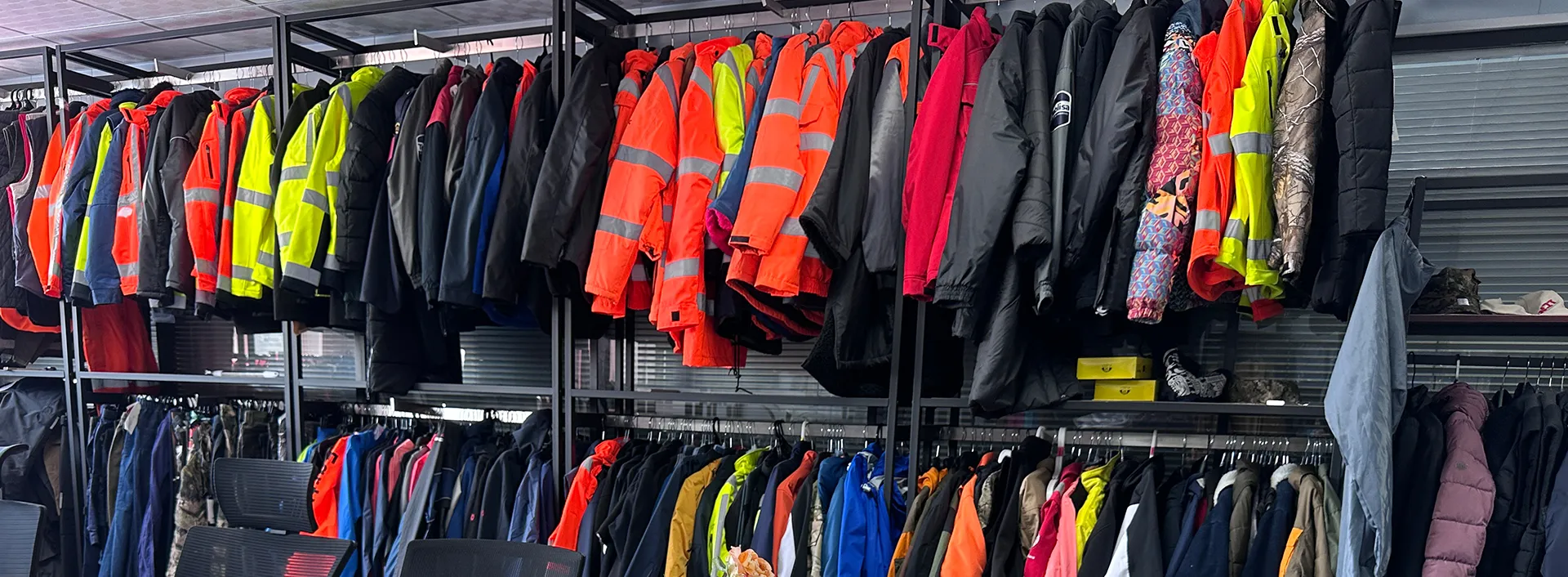
High-visibility reflective strips increase safety, especially in low-light winter months. Some coats integrate passive heating elements powered by rechargeable batteries, a niche but promising innovation.
5. Comfort and Mobility
Layering, adjustable hoods, and articulated sleeves let workers move freely without sacrificing warmth. Oddly enough, a stiff coat can cause frustration and reduce safety when workers can’t reach or bend easily.
6. Ease of Care
Construction workers need garments that stand up to frequent washing without losing protective properties — think water repellency or reflective sheen.
Practical Global Applications of Winter Construction Coats
Winter construction coats have a broad spectrum of vital applications:
- Arctic and Antarctic infrastructure projects: Here, extreme cold and winds require the most advanced insulation and weatherproofing.
- Mountainous road-building and mining: Workers in the Alps or Rockies rely heavily on gear designed for cold, wet, and windy conditions.
- Post-disaster Reconstruction: After floods or mudslides in northern regions, winter coats help crews work safely through lingering cold spells.
- Remote Industrial Zones: Oil rigs, wind farms, and transmission line projects demand coats that work in remote settings with limited shelter.
- Urban Infrastructure: Even city utilities often work outside in winter, where visibility and flexibility are essential.
Mini takeaway:
From the polar circles to temperate cities facing early winters, winter construction coats are the unsung heroes of safe, efficient construction work.
Advantages and Long-Term Value of Quality Winter Construction Coats
Choosing the right coat impacts more than comfort:
- Cost Efficiency: Durable coats reduce replacement frequency, saving money long term.
- Worker Safety & Productivity: Warm, visible workers have fewer accidents and can maintain speed on tough jobs.
- Sustainability: Many manufacturers now offer eco-friendly insulation and recycled materials, aligning with global climate goals.
- Social Impact: Protecting workers enhances dignity and morale—something often overlooked but hugely important.
Frankly, investing in good winter coats is a subtle but powerful expression of trust and responsibility towards labor forces.
Winter Construction Coat Specification Table
| Feature | Standard Range | Details |
|---|---|---|
| Insulation | 100-300 g/m² synthetic or down | Thinsulate 3M or PrimaLoft common |
| Outer Material | Cordura or nylon blends | Abrasion resistant, coated/waterproof |
| Waterproof Rating | 5,000 – 20,000 mm | Varies by membrane or coating |
| Safety Features | ANSI/ISEA Class 2-3 reflective tape | Wide striping on torso and sleeves |
| Temperature Range | -20°C to -40°C | Depending on insulation and windproofing |
Comparing Top Winter Construction Coat Vendors
| Vendor | Insulation Type | Waterproof Rating (mm) | Safety Compliance | Unique Selling Point |
|---|---|---|---|---|
| ArcticGear Pro | Thinsulate 200g | 15,000 | EN 342 & ISO 20471 | Integrated battery-heated panels |
| WorkSafe Ultra | PrimaLoft 250g | 10,000 | ANSI/ISEA Class 3 | Ergonomic fit & multiple pockets |
| PolarShield Elite | Down blend 300g | 8,000 | EN 342 certified | Eco-friendly recycled fabrics |
Looking Ahead: Future Trends in Winter Construction Coats
Innovations are reshaping this niche. Recent advances include:
- Smart textiles with temperature sensors and adjustable heating zones.
- Eco-materials, biodegradable insulation alternatives, and manufacturing processes with lower carbon footprints.
- Modular designs for easier layering based on individual climates and tasks.
- Integration with wearable tech allowing GPS and health tracking to improve safety further.
Such trends align with global moves towards sustainability while ensuring workers stay warm without bulk.
Common Challenges & Practical Solutions
There’s no miracle coat yet. Challenges include:
- Bulk vs. flexibility: Designers still juggle warmth with mobility — solutions like stretch panels help.
- Cost: High-tech materials drive prices up; bulk procurement and subsidies are partial solutions.
- Durability degradation after multiple washes: Technologies like DWR (durable water repellent) that last longer are under development.
Many engineers say the future is about user feedback loops, constantly refining garment designs in the field.
FAQ: Your Questions About Winter Construction Coats
- Q: How do I know which insulation type is best for my project?
- A: Synthetic insulations like PrimaLoft are great for wet conditions as they retain warmth even if damp. Down offers excellent warmth-to-weight ratio but requires a dry environment or water-resistant shell. Evaluate your site's climate and wet exposure.
- Q: Can I wash my winter construction coat frequently without losing warmth?
- A: Most synthetic insulated coats hold up well with proper care. Use gentle cycles and specialized detergents designed for technical fabrics. Avoid fabric softeners, which can break down water repellency.
- Q: Are battery heated coats safe for daily construction site use?
- A: Yes, if certified and used within manufacturer guidelines. Look for coats with auto shut-off features and waterproof battery packs. They’re especially useful for extremely cold conditions but add some weight and maintenance.
- Q: What are considerations for importing winter construction coats internationally?
- A: Beyond customs regulations, ensure the coats meet local safety standards (like EN or ANSI). Shipping weight and delays can be factors; building relationships with local distributors often helps smooth the process.
- Q: How long can a typical winter construction coat last under heavy use?
- A: With good care, expect 2-3 years in active heavy-duty environments. Factors include frequency of use, environment, and proper maintenance — many workers rotate coats to prolong lifespan.
Wrapping Up: Why a Winter Construction Coat Is a Smart Investment
In the grand scheme, the right winter construction coat is more than just clothing – it’s a critical part of workplace safety, efficiency, and dignity. Investing in quality gear, carefully selected for your environment and needs, delivers long-term savings, improves morale, and helps avoid costly weather-related delays. As technology continues to catch up with practical needs, the future of winter construction coats looks warm, bright, and oddly promising.
If you’re ready to equip your team for the coldest months ahead, visit our site at https://www.pullytrade.com and discover our range of trusted winter construction coats tailored for harsh working environments.