
Apr 16, 2026
12.22 / 2025
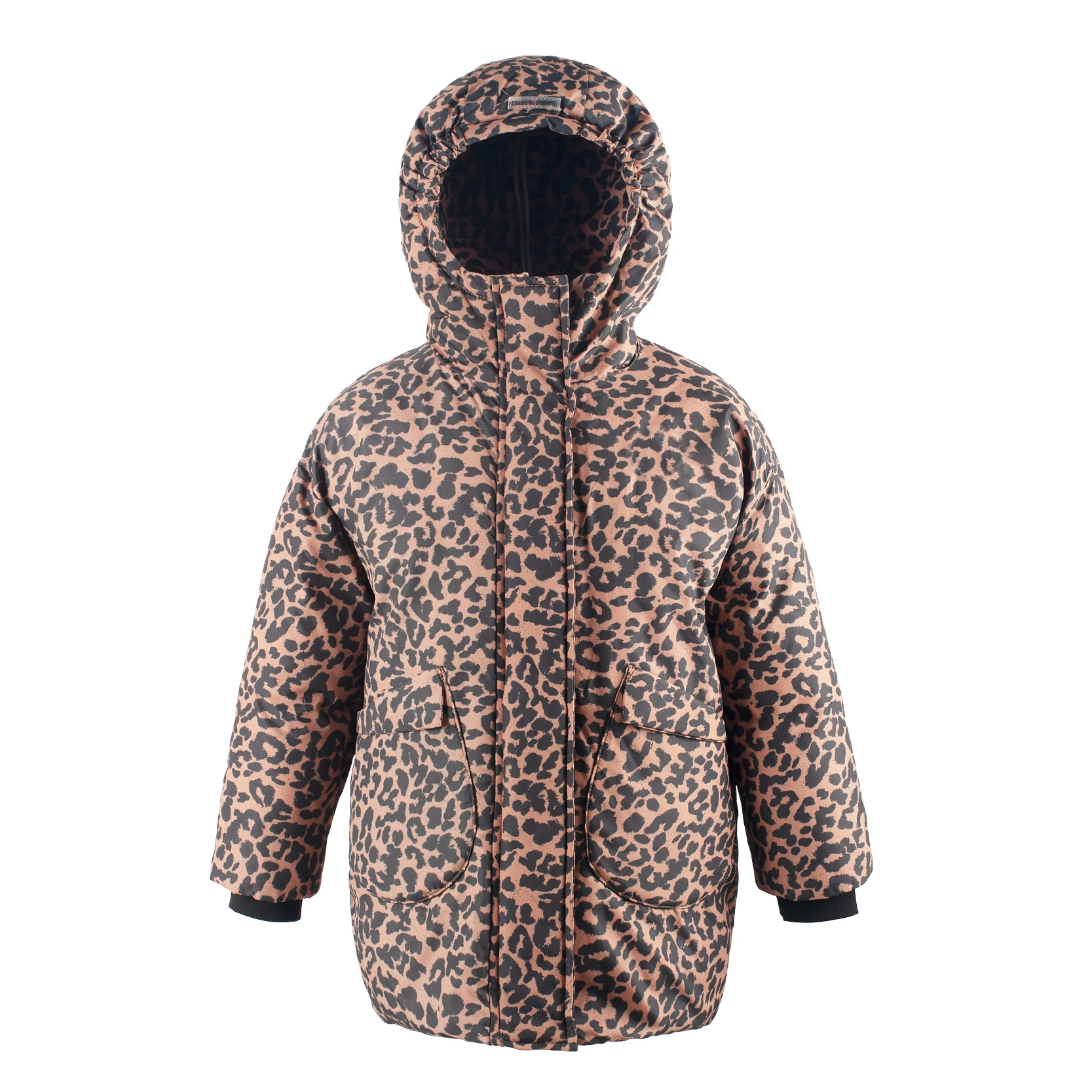
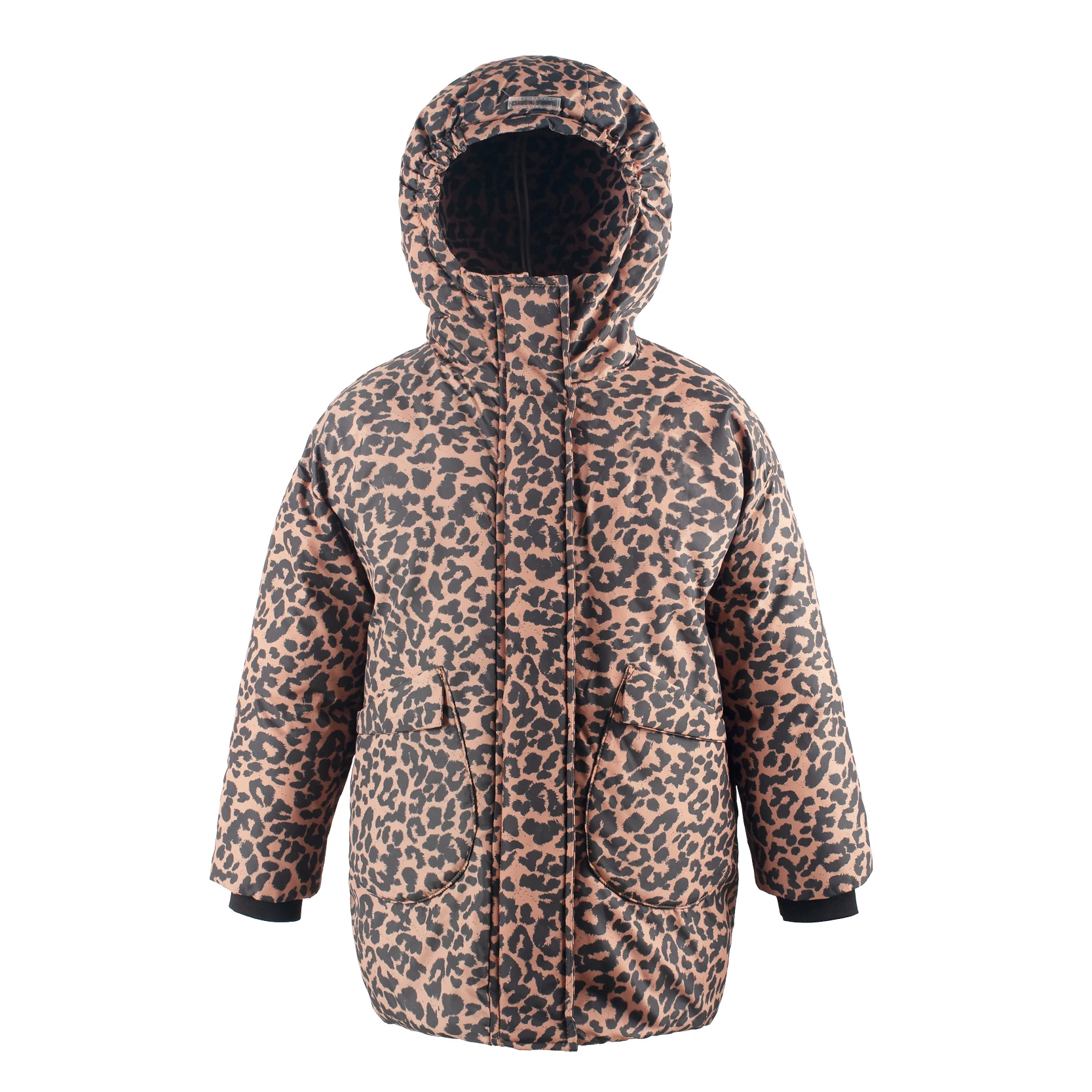
Warm Camo Jacket – Durable Industrial Workwear for Cold Conditions
The Warm Camo Jacket: Industrial Comfort Meets Practicality
Working in industrial environments for over two decades, I’ve come across more than a few garments touted as “tough” or “ideal for the job site.” Yet, few combine warmth, durability, and camouflage quite like the warm camo jacket. Oddly enough, it’s the blend of design and materials that make these jackets stand out for folks who spend long hours outdoors, whether in forestry, quarry work, or even security roles on rugged terrain.
Frankly, a lot of industrial jackets feel too bulky or just plain uncomfortable after a few hours, but this kind of camo jacket strikes a balance. You get insulation, water resistance, and enough breathability to avoid overheating when things get moving. I remember a colleague of mine once mentioning how it kept him comfortable during a sudden cold snap — he swore it was a game-changer compared to his old gear.
Warm camo jackets usually incorporate synthetic insulation layers like polyester fleece or Thinsulate, paired with rip-stop outer shells. These materials feel lightweight but pack a punch against wind and moisture. Plus, the camouflage isn’t just for show; it helps workers blend into natural surroundings, an often overlooked benefit in fields like wildlife management or forestry.
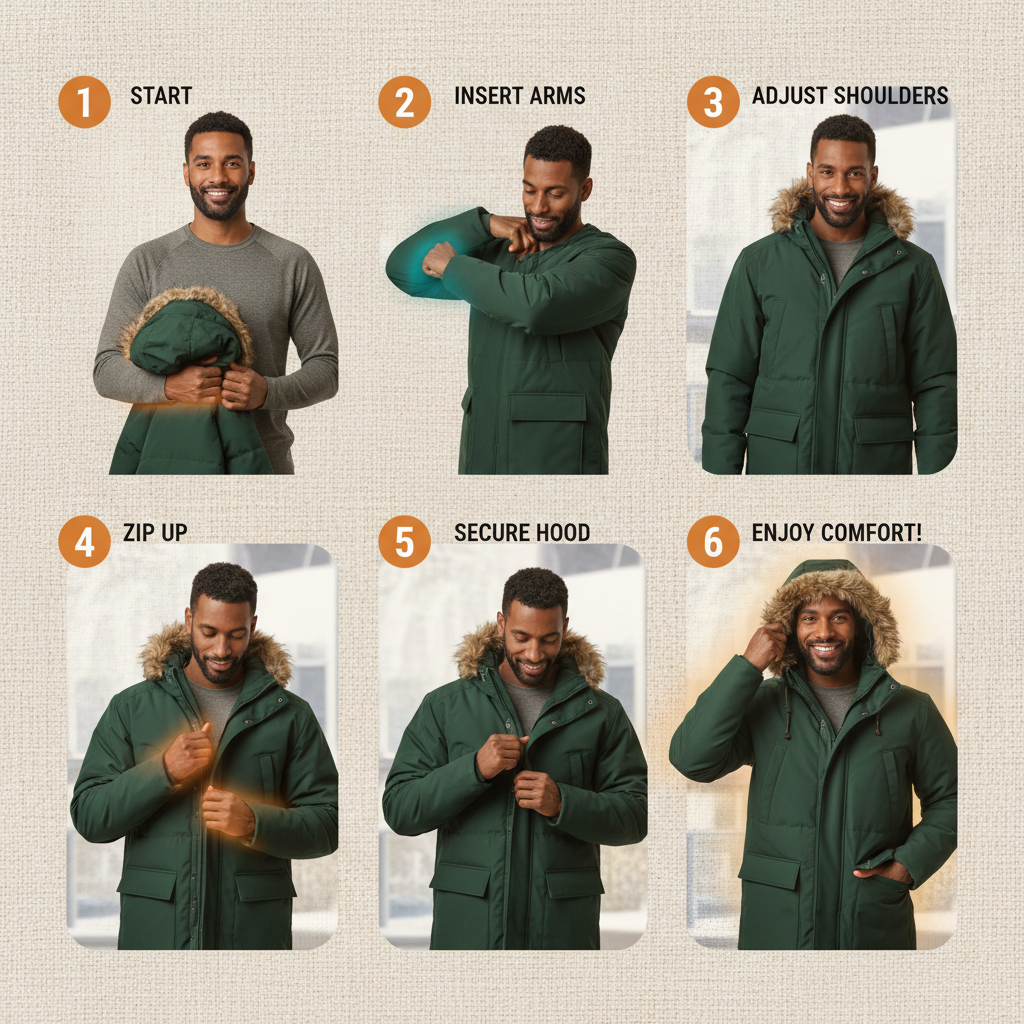
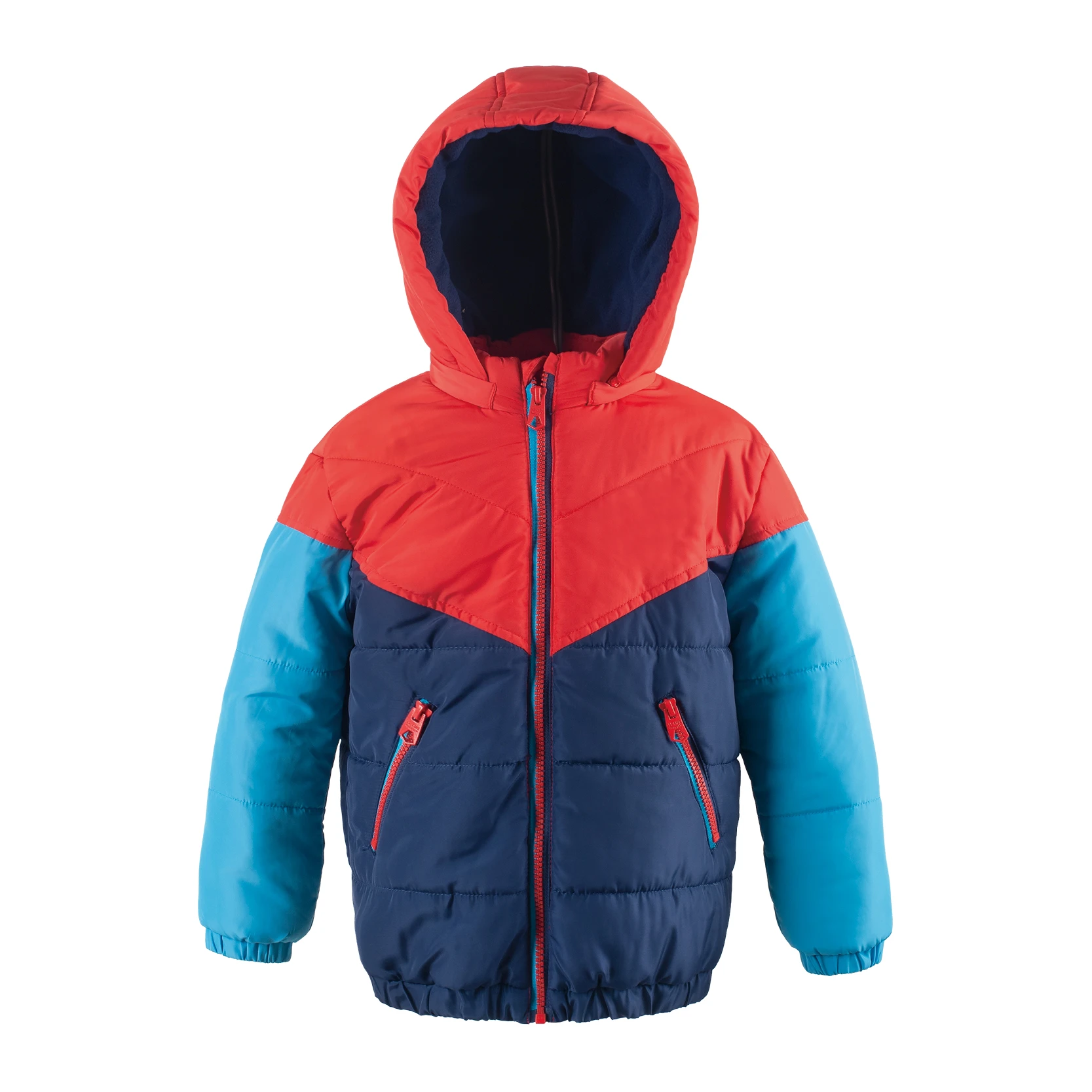
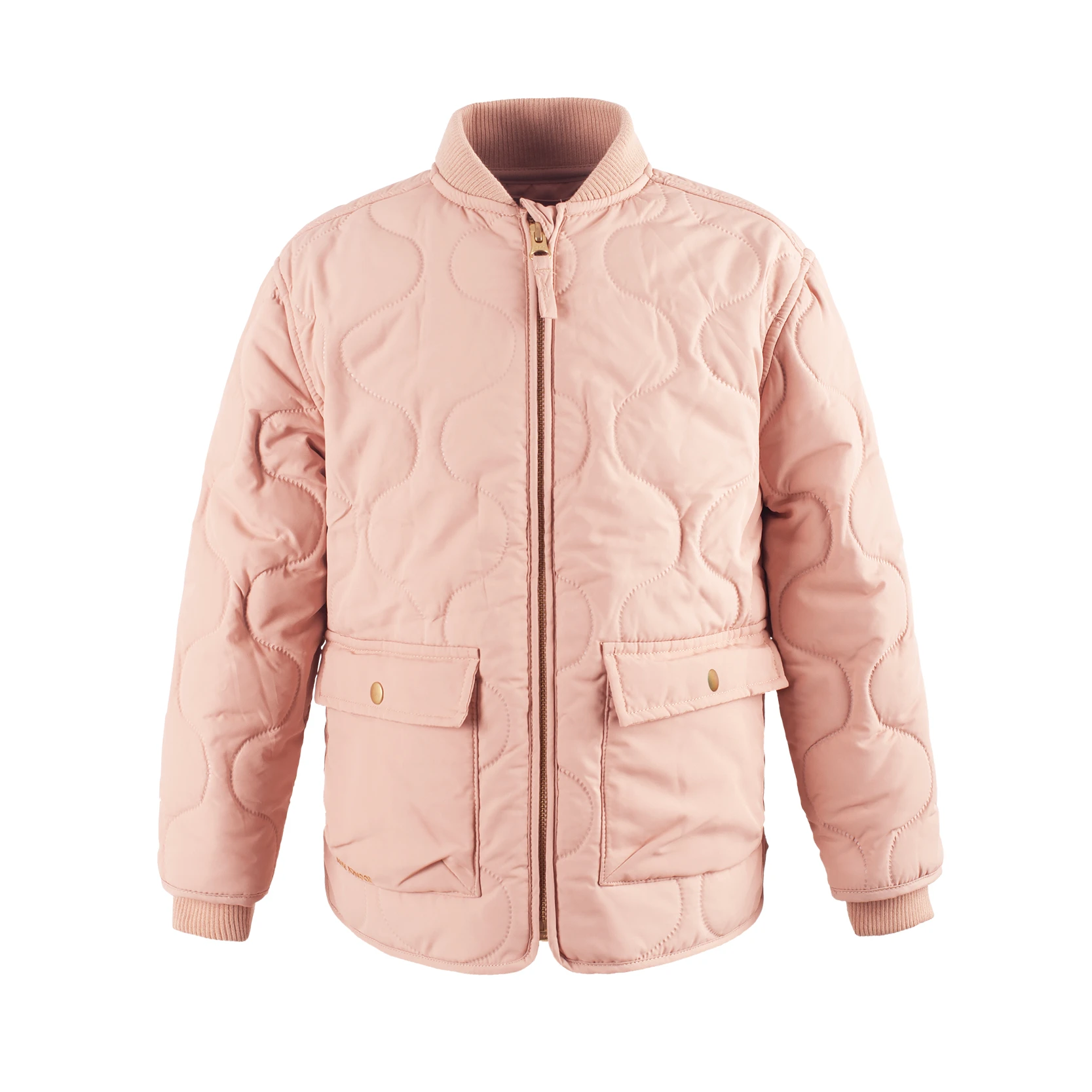
Design-wise, many versions feature adjustable hoods, reinforced elbows, and multiple pockets — all necessary in a hands-on environment. The pockets themselves are often lined or zipped to keep tools, phones, and gloves safe. In real terms, that means less fumbling around or worrying about losing gear. For those who get cold easily, some jackets come with detachable liners or pit zips for ventilation, which I noticed several suppliers pitching as must-haves this season.
| Feature | Details |
|---|---|
| Material | Polyester rip-stop outer shell with fleece lining |
| Insulation | 100g Thinsulate synthetic fill |
| Water Resistance | Durable water repellent (DWR) finish |
| Weight | Approx. 850 grams (varies by size) |
| Closure | Two-way zipper with storm flap |
| Pockets | Chest, handwarmer, and internal pockets with zippers |
| Extras | Adjustable cuffs, detachable hood |
In terms of industry trends, I’ve noticed that customization options for camo patterns have multiplied. It’s not just the familiar woodland or desert anymore. Vendors now offer digital camo, urban patterns, and even specialized prints for different forestry projects. This is valuable when you want your team easily identifiable but still “invisible” against specific backdrops.
Speaking of vendors, choosing the right supplier is crucial, especially if you’re outfitting a large crew or need bulk orders with consistent quality. Here’s a quick comparison I put together of three popular warm camo jacket suppliers, based on durability, customization, price, and lead time:
| Vendor | Durability | Customization Options | Price (per unit) | Lead Time |
|---|---|---|---|---|
| Alpha Gear | High | Woodland, Desert, Custom Prints | $85 | 3 weeks |
| Bravo Outdoor | Medium | Basic Patterns Only | $65 | 2 weeks |
| Charlie Workwear | High | Extensive, including Digital & Urban Camo | $95 | 4 weeks |
One little story I like to share is about a small forestry crew I worked with in the Pacific Northwest. They switched from their standard jackets to camo insulated ones and noticed two key improvements: less fatigue from cold exposure, and better team safety thanks to the tactical-style pockets that kept radios and first aid kits readily accessible. It’s surprising how such a seemingly small gear upgrade can impact morale and productivity.
Of course, no jacket is perfect for everyone. If you work in extremely wet conditions, layering with waterproof shells is still recommended. If you’re constantly in high-movement tasks, lighter softshells might be worth considering. But for cold and moderately wet outdoor industrial work? The warm camo jacket hits a sweet spot.
So, when you next consider workwear that combines performance with practicality, remember that warm camo jackets aren’t just “another jacket.” They’re a tool to keep you comfortable, efficient, and safe.
One takeaway? Invest in your gear thoughtfully; your body will thank you when the temperature drops and the workday drags on.
- “The Role of Workwear in Cold Environments,” Industrial Safety Journal, 2022
- Smith, J., “Material Advances in Outdoor Work Clothing,” Textile Review, 2023
- Field Notes from Pacific Northwest Forestry Operations, 2021–2023