Workwear, encompassing specialized clothing and equipment, is fundamental to safety, productivity, and professionalism across a vast spectrum of industries. From construction sites and manufacturing plants to healthcare facilities and emergency response teams, the right workwear is not merely a garment, but a crucial component of operational efficiency and employee well-being. The global demand for reliable and innovative workwear solutions continues to grow, driven by increasing safety regulations and a heightened focus on worker comfort.
The significance of workwear extends beyond individual safety and into broader economic and social contexts. Globally, industries rely on standardized workwear to maintain quality control, reduce workplace accidents, and build a strong brand identity. The workwear market is a multi-billion dollar industry, contributing significantly to employment and economic growth worldwide, particularly in manufacturing and textile sectors. Organizations like the ISO (International Organization for Standardization) play a critical role in establishing standards for workwear performance and safety.
Understanding the nuances of workwear – its materials, construction, and compliance standards – is increasingly vital for businesses, safety professionals, and workers alike. Proper selection and maintenance of workwear not only protects employees but also enhances their performance and overall job satisfaction, ultimately impacting an organization’s bottom line.
The Importance of Workwear
Workwear isn't simply about adhering to dress codes; it’s a fundamental investment in worker safety and well-being. The appropriate workwear minimizes risks associated with various occupational hazards, protecting individuals from physical injuries, chemical exposure, and even extreme weather conditions. Selecting high-quality workwear demonstrates an organization’s commitment to its employees, fostering a culture of safety and respect.
Beyond safety, workwear plays a crucial role in enhancing professional image and brand identity. Uniforms and branded work attire instill confidence in both employees and clients, projecting an image of competence and reliability. This is particularly important in customer-facing roles, where first impressions matter significantly. The initial investment in quality workwear yields long-term returns in terms of productivity, morale, and brand reputation.
Defining Workwear and Its Applications
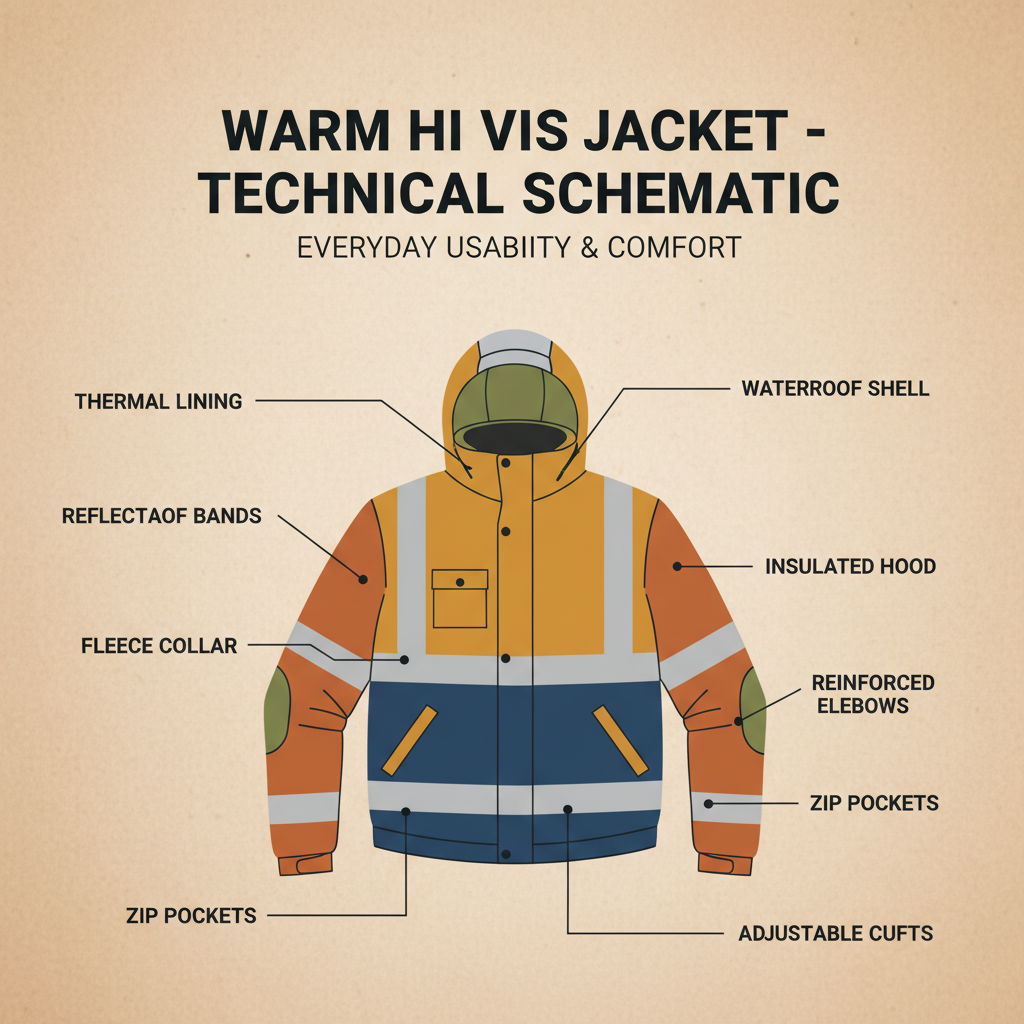
Workwear refers to clothing and personal protective equipment (PPE) specifically designed for use in a professional setting, differentiating it from casual or everyday attire. It's engineered to meet the demands of specific job tasks and environments, often incorporating features like enhanced durability, visibility, and protection against hazards. This can range from high-visibility vests for road workers to flame-resistant clothing for welders, and chemical-resistant suits for laboratory personnel.
The connection between workwear and modern industry is undeniable. As workplaces evolve, so too does the need for specialized clothing. The rise of industries like construction, manufacturing, healthcare, and logistics has fueled the demand for innovative workwear solutions. Furthermore, humanitarian organizations and disaster relief agencies rely heavily on durable and practical workwear to support their operations in challenging environments.
Modern workwear is also increasingly focused on comfort and ergonomics, recognizing that comfortable employees are more productive and less prone to errors. Advancements in fabric technology have led to the development of breathable, lightweight materials that enhance wearer comfort without compromising protection.
Core Components of Effective Workwear
Several key factors contribute to the effectiveness of workwear. First and foremost is Durability. Workwear must withstand the rigors of daily use, resisting tears, abrasions, and the effects of repeated washing. This is often achieved through the use of robust materials and reinforced construction techniques.
Compliance is equally critical. Workwear must adhere to relevant safety standards and regulations, ensuring adequate protection against specific hazards. This includes certifications like ANSI/ISEA for high-visibility garments and NFPA for flame-resistant clothing. Meeting these standards is paramount for maintaining a safe work environment and avoiding legal liabilities.
Comfort and Fit are often overlooked, yet they are crucial for worker productivity and morale. Ill-fitting or uncomfortable workwear can cause distractions, restrict movement, and even lead to injuries. Selecting workwear that provides a comfortable and ergonomic fit is essential. Visibility is another core component, particularly in low-light conditions or high-traffic areas. High-visibility clothing, incorporating reflective materials, significantly reduces the risk of accidents. Material Technology drives innovation, offering features like moisture-wicking, breathability, and chemical resistance. Finally, Cost-Effectiveness is a practical consideration, balancing quality and durability with budgetary constraints.
Global Applications of Workwear
The application of workwear spans virtually every industry and geographic region. In Construction, hard hats, safety boots, and high-visibility vests are ubiquitous, protecting workers from falling objects, foot injuries, and traffic hazards. The Healthcare sector relies on scrubs, gowns, and gloves to maintain hygiene and prevent the spread of infection. In the Manufacturing industry, workwear often includes protective eyewear, gloves, and flame-resistant clothing to safeguard against machinery, chemicals, and heat.
In remote industrial zones like oil rigs in the North Sea or mining operations in Australia, durable and weather-resistant workwear is essential for protecting workers from harsh environmental conditions. Similarly, in post-disaster relief operations, organizations like the Red Cross and FEMA utilize specialized workwear to provide aid to affected populations while ensuring the safety of their personnel.
The demand for specialized workwear is also growing in emerging economies as industries expand and safety regulations become more stringent. For example, the rapidly growing construction sector in Southeast Asia is driving increased demand for high-quality safety apparel.
Workwear Performance by Method
Advantages and Long-Term Value of Workwear
The benefits of investing in quality workwear are tangible and far-reaching. Reduced workplace accidents translate directly into lower healthcare costs, insurance premiums, and lost productivity. Furthermore, durable workwear minimizes the need for frequent replacements, providing long-term cost savings. Sustainable workwear choices contribute to a reduced environmental footprint, aligning with corporate social responsibility goals.
On an emotional level, providing employees with safe and comfortable workwear demonstrates a commitment to their well-being, boosting morale and fostering a sense of loyalty. From a logical perspective, reliable workwear enhances operational efficiency by minimizing disruptions caused by equipment failures or worker injuries. The trust and confidence instilled through consistent safety practices contribute to a positive brand reputation.
Future Trends in Workwear
The future of workwear is being shaped by several key trends. The integration of smart textiles and wearable technology is poised to revolutionize the industry, enabling real-time monitoring of worker health and safety. For instance, garments equipped with sensors can detect fatigue, monitor vital signs, and provide alerts in hazardous situations.
Sustainability is also a major driving force, with increasing demand for eco-friendly materials and ethical manufacturing practices. Companies are exploring innovative solutions such as recycled fabrics, biodegradable materials, and closed-loop production systems. The push for greater personalization and customization will lead to the development of workwear tailored to individual needs and preferences.
Challenges and Solutions in Workwear Implementation
Despite the clear benefits, implementing effective workwear programs can present challenges. Cost considerations often lead to compromises on quality, potentially jeopardizing worker safety. Ensuring proper fit and comfort for a diverse workforce can be difficult, requiring a range of sizes and styles.
Maintaining compliance with evolving safety regulations requires ongoing monitoring and adaptation. To overcome these challenges, organizations can adopt a holistic approach, prioritizing long-term value over short-term cost savings. Investing in employee training and feedback, conducting regular risk assessments, and collaborating with reputable workwear suppliers are all essential steps.
Leveraging technology, such as 3D body scanning and virtual fitting rooms, can improve fit and reduce returns. Exploring leasing or rental programs can alleviate upfront costs and ensure access to the latest safety innovations.
Summary of Solutions for Workwear Implementation Challenges
| Challenge |
Proposed Solution |
Implementation Cost |
Potential ROI |
| High Initial Cost |
Leasing/Rental Programs |
Low - Moderate |
Moderate - High (Reduced Capital Expenditure) |
| Poor Fit & Comfort |
3D Body Scanning & Customization |
Moderate - High |
High (Improved Morale & Productivity) |
| Compliance Complexity |
Dedicated Safety Officer & Regular Audits |
Moderate |
High (Reduced Legal Risk) |
| Lack of Employee Training |
Comprehensive Training Programs |
Low - Moderate |
Moderate (Increased Safety Awareness) |
| Limited Sustainable Options |
Prioritize Recycled & Biodegradable Materials |
Moderate |
Moderate (Enhanced Brand Reputation) |
| Difficult Maintenance |
Implement Clear Washing and Repair Guidelines |
Low |
Moderate (Extended Workwear Lifespan) |
FAQS
Construction workers require a comprehensive range of workwear to ensure safety on site. This includes hard hats to protect against head injuries, safety boots with steel toes to prevent foot injuries, high-visibility vests or jackets to enhance visibility, safety glasses to shield eyes from debris, and gloves to protect hands from cuts and abrasions. Depending on the specific tasks, additional PPE like fall protection harnesses may also be necessary.
The frequency of workwear replacement or inspection depends on the type of workwear and the conditions of use. Generally, workwear should be inspected regularly for signs of wear and tear, such as tears, abrasions, or damaged components. Hard hats should be replaced after any significant impact. High-visibility clothing should be replaced if reflectivity is diminished. Workwear should be replaced immediately if it no longer provides adequate protection.
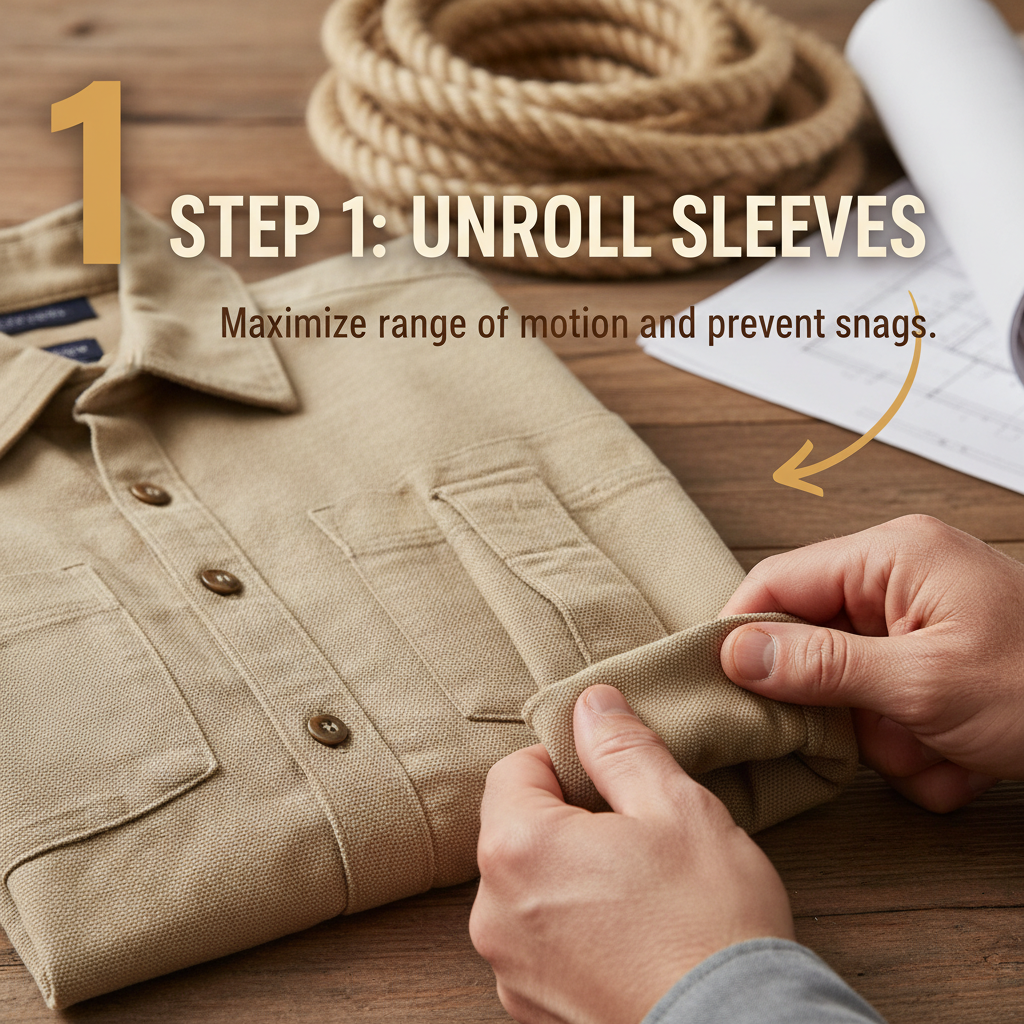
Proper fit is crucial for both safety and comfort. Ill-fitting workwear can restrict movement, impede visibility, and even create hazards. For example, loose clothing can get caught in machinery, while tight clothing can cause discomfort and chafing. It’s essential to select workwear that allows for a full range of motion and doesn’t interfere with job tasks.
Yes, several standards and certifications ensure workwear meets specific safety requirements. ANSI/ISEA standards cover high-visibility clothing, while NFPA standards apply to flame-resistant clothing. EN standards are commonly used in Europe. Looking for workwear that meets these standards provides assurance of its quality and protective capabilities. Always verify certifications with the manufacturer.
Proper maintenance and cleaning are vital for extending the lifespan and effectiveness of workwear. Follow the manufacturer's instructions for washing and drying. Avoid harsh detergents or bleach, as they can damage the materials. Regularly inspect workwear for damage and repair or replace items as needed. Store workwear in a clean, dry place when not in use.
Sustainability is becoming increasingly important in workwear selection. Organizations are seeking workwear made from recycled materials, manufactured using environmentally friendly processes, and designed for durability to reduce waste. Choosing sustainable workwear aligns with corporate social responsibility goals and demonstrates a commitment to environmental stewardship.
Conclusion
Workwear is more than just clothing; it’s a critical investment in worker safety, productivity, and organizational success. From ensuring compliance with safety regulations to enhancing brand image and promoting sustainability, the benefits of prioritizing quality workwear are far-reaching. Understanding the core components of effective workwear, its diverse applications, and emerging trends is essential for businesses across all industries.
Looking ahead, the future of workwear will be shaped by technological innovation, a growing emphasis on sustainability, and a commitment to personalized solutions. Organizations that embrace these trends will be well-positioned to create safer, more productive, and more responsible workplaces. To explore a wide range of high-quality workwear solutions, visit our website: www.pullytrade.com