The global demand for high-visibility safety apparel, particularly the orange hi vis jacket, stems from increasing workplace safety regulations and a heightened awareness of risk prevention. Industries ranging from construction and transportation to emergency services and roadside assistance rely heavily on this essential garment to ensure worker visibility, especially in low-light conditions or inclement weather. The efficacy of an orange hi vis jacket directly impacts accident rates and, ultimately, saves lives.
The prevalence of these jackets isn’t limited to developed nations. Developing countries are also adopting stricter safety protocols, driving demand. According to the International Labour Organization (ILO), approximately 2.78 million workers die each year from occupational accidents and work-related diseases. Investing in protective gear, like the orange hi vis jacket, is a proactive step toward minimizing these tragic statistics.
Furthermore, the growing gig economy and the rise of freelance work necessitate individual responsibility for safety. Workers in these sectors often lack the safety infrastructure of traditional employers, making personal protective equipment, like a high-quality orange hi vis jacket, critical for their well-being.
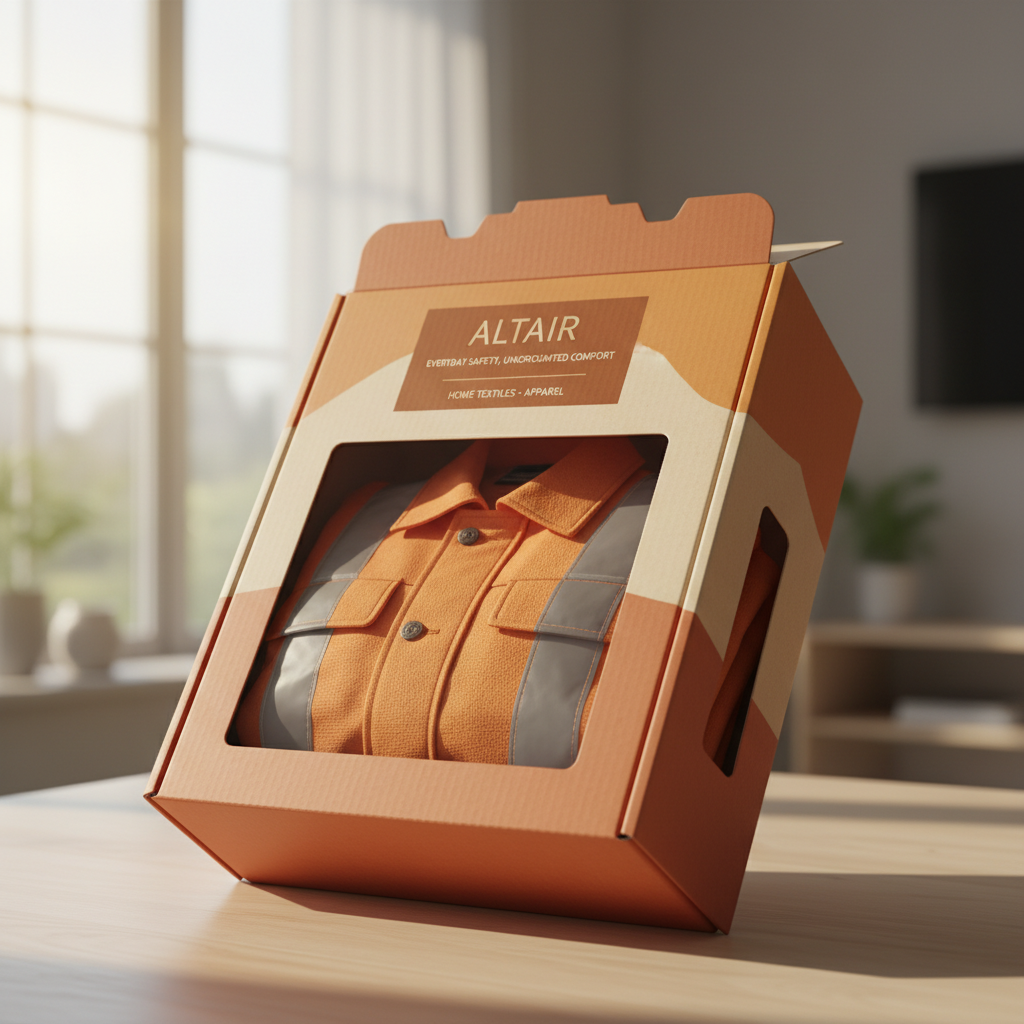
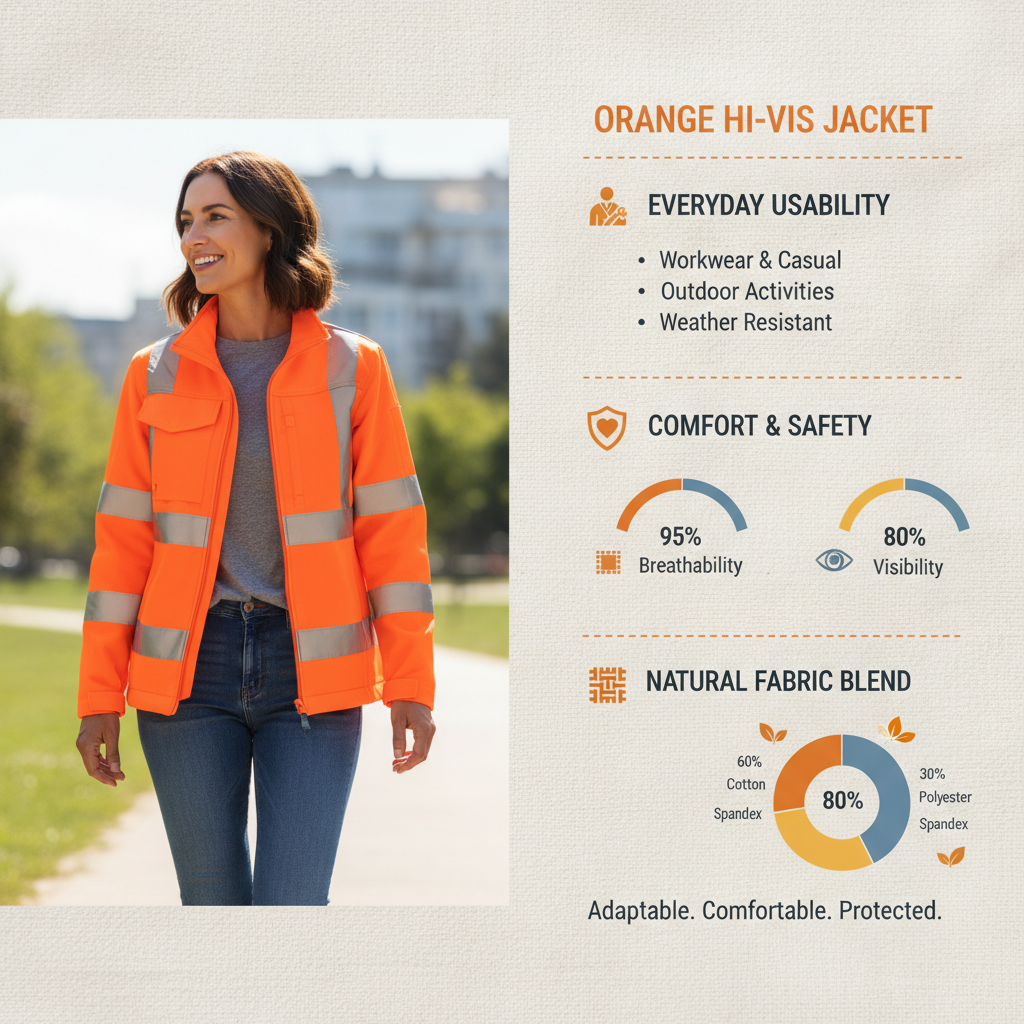
The fundamental purpose of an orange hi vis jacket is to enhance worker visibility, reducing the risk of accidents in hazardous environments. This isn’t merely about complying with safety regulations; it’s about protecting lives. The color orange, particularly fluorescent orange, is specifically chosen for its high contrast against various backgrounds, making it easily noticeable even in poor lighting or adverse weather conditions.
The importance is amplified by the fact that many workplace accidents occur due to human error, often stemming from a lack of visibility. An orange hi vis jacket serves as a crucial visual warning to machine operators, drivers, and other workers, effectively mitigating the risk of collisions and injuries.
The appropriate ANSI class depends on the risk level of your work environment. Class 1 is suitable for low-risk situations where minimal visibility is required, such as parking lot attendants. Class 2 is recommended for moderate-risk environments like construction sites and road work, offering greater visibility. Class 3 provides the highest level of visibility and is essential for high-risk situations like working near high-speed traffic or in adverse weather conditions. Carefully assess your work environment to determine the appropriate class for optimal safety.
The lifespan of an orange hi vis jacket depends on usage and care. Regularly inspect the jacket for signs of wear and tear, such as fading, cracks in the reflective tape, or damage to the fabric. After repeated washing or prolonged exposure to sunlight, the reflective properties may diminish, reducing its effectiveness. Generally, replace the jacket every 12-24 months, or sooner if significant damage is observed.
Absolutely not. The quality of orange hi vis jacket can vary significantly based on materials, construction, and adherence to safety standards. Cheaper jackets may use inferior reflective tape or fabrics, providing inadequate visibility. Look for jackets certified to ANSI/ISEA 107 standards, indicating they have been tested and meet specific performance requirements. Investing in a high-quality jacket is crucial for ensuring your safety.
Proper washing and maintenance are essential to preserve the effectiveness of your orange hi vis jacket. Follow the manufacturer's instructions carefully. Generally, machine wash in cold water with a mild detergent, avoiding bleach or harsh chemicals. Tumble dry on low heat or hang to dry. Avoid ironing directly on the reflective tape, as this can damage its reflective properties.
Yes, many manufacturers offer customization options for orange hi vis jacket, including the addition of logos, company names, or other branding elements. This can be achieved through embroidery, screen printing, or heat transfer. Customization not only enhances brand visibility but also promotes a sense of professionalism and unity among workers.
Both fluorescent orange and yellow are highly visible, but orange generally performs better in conditions with low sunlight and overcast skies. Yellow offers excellent visibility during daylight hours, especially in brighter environments. The choice between the two often depends on the specific work environment and potential hazards. Orange is more commonly used in road construction and transportation, while yellow is prevalent in environments with frequent changes in light conditions.
In conclusion, the orange hi vis jacket is more than just a garment; it’s a critical component of workplace safety, protecting countless workers from preventable accidents. Understanding the key characteristics, performance metrics, and evolving technologies within this field is paramount for ensuring optimal protection. From improved visibility to enhanced comfort and sustainability, ongoing innovation continues to refine the role of hi vis apparel in promoting safer work environments globally.
Looking ahead, the future of orange hi vis jacket will be shaped by a continued focus on technology, sustainability, and user comfort. Investing in high-quality hi vis apparel is not merely a compliance requirement but a strategic investment in the well-being of your workforce and the long-term success of your organization. Visit our website at www.pullytrade.com to explore our range of hi vis solutions.