
Apr 16, 2026
12.03 / 2025
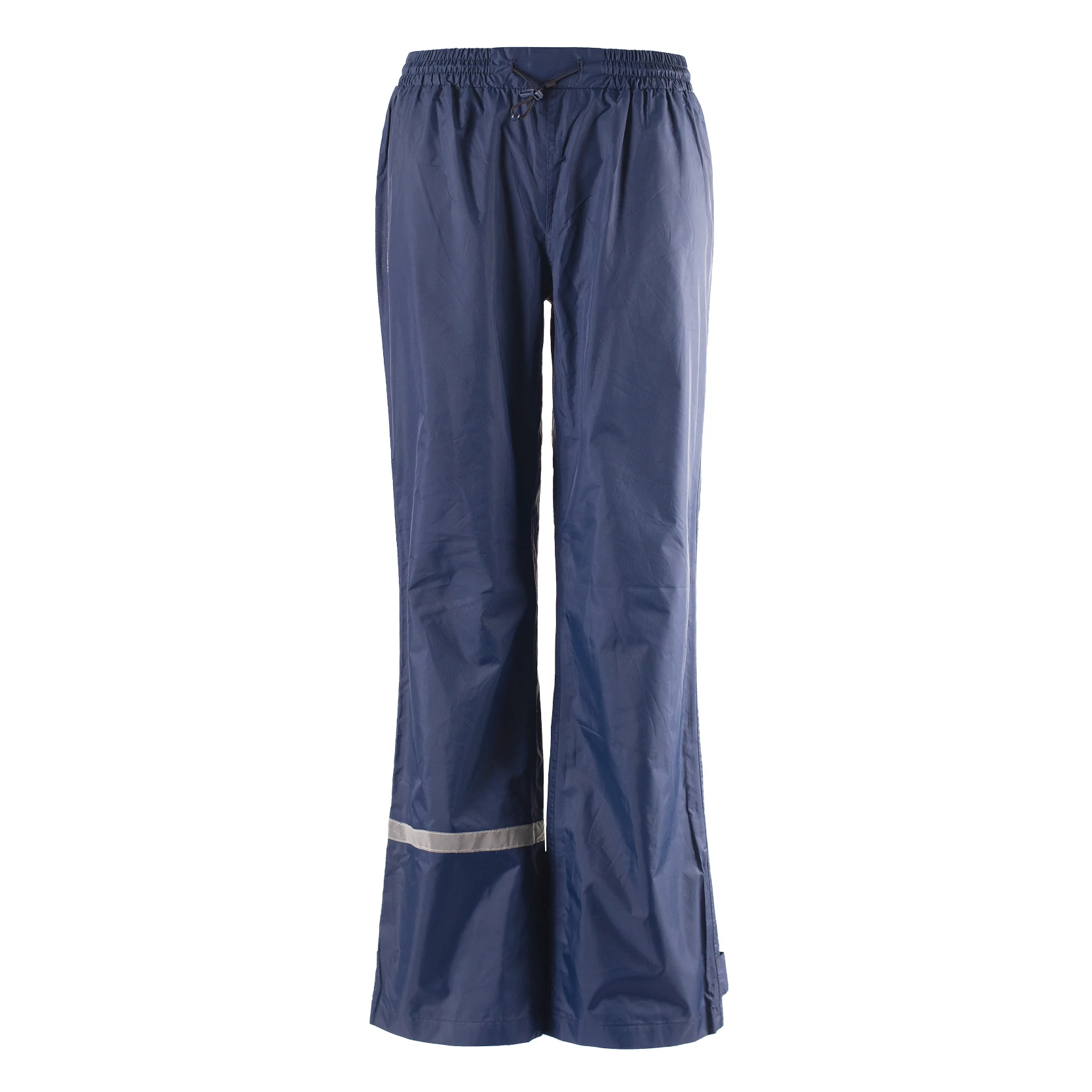
Stretch Workwear Trousers: Comfort and Safety in Modern Work Environments
Stretch Workwear Trousers: The Flexible Backbone of Modern Industry
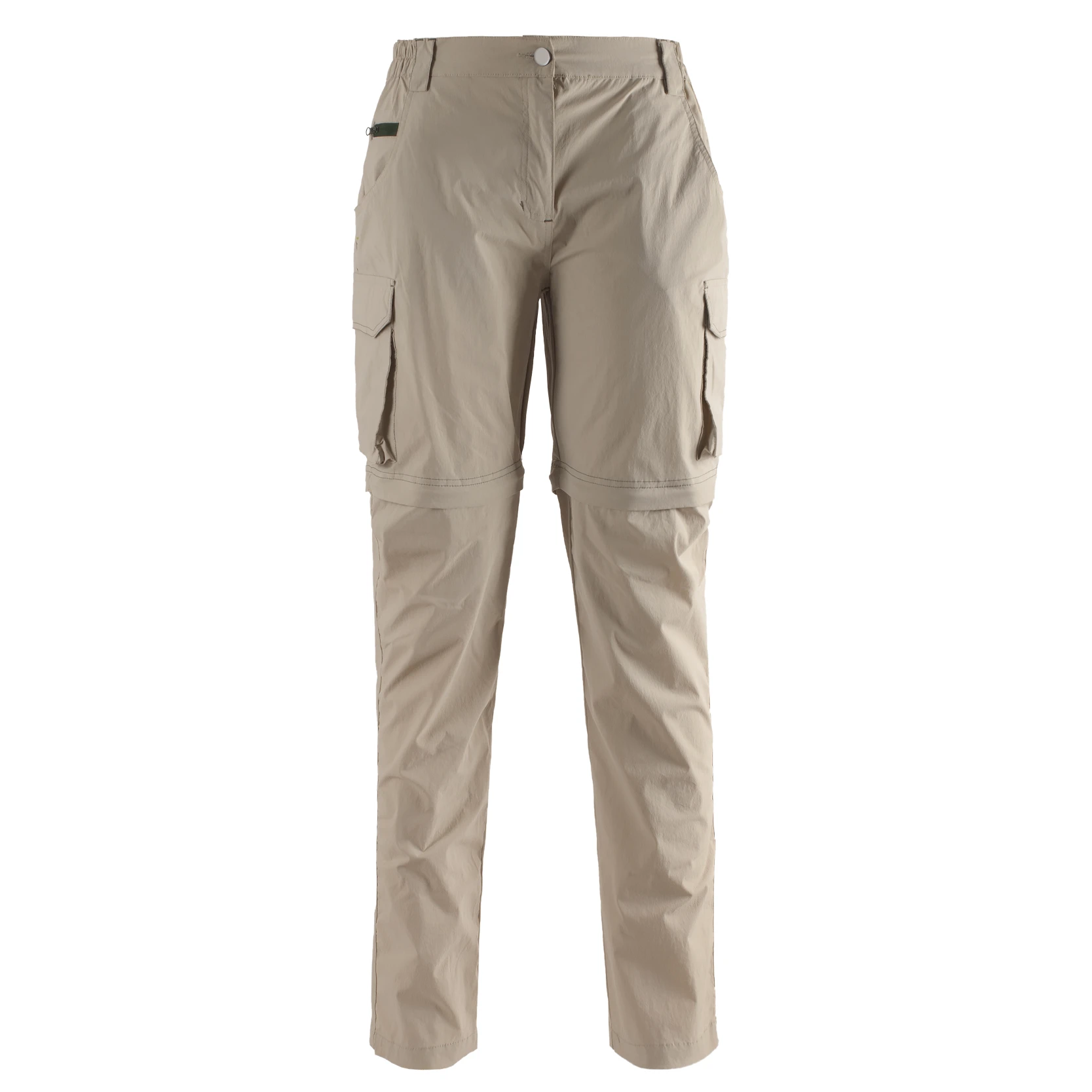
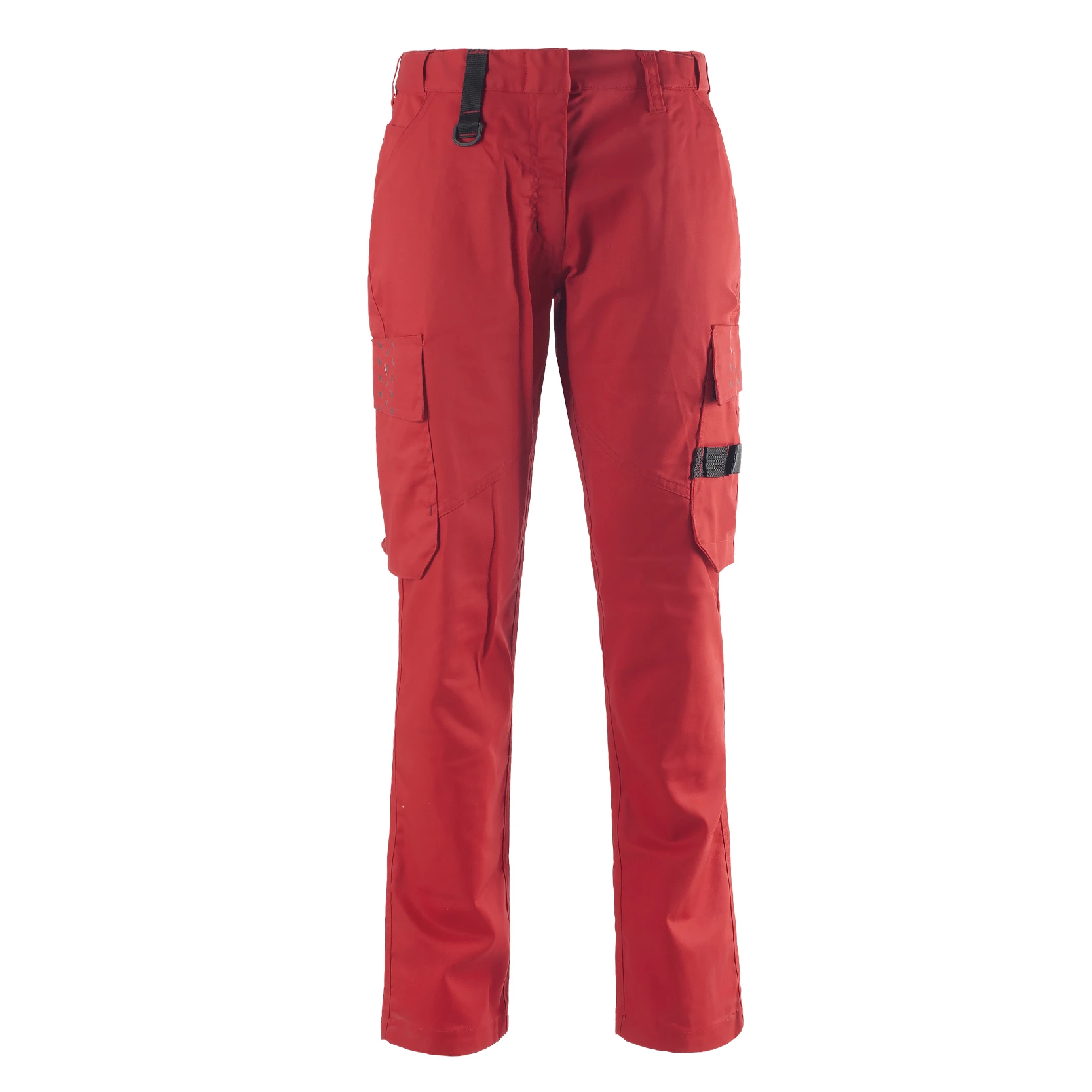
Stretch workwear trousers might not be the headline-grabbing innovation of today, but if you ask anyone who spends hours on their feet in tough environments, they’d probably tell you these trousers are a quiet revolution. Globally, industries like manufacturing, construction, and logistics are increasingly embracing workwear that blends comfort with durability. Stretch workwear trousers stand at this crossroads, addressing a core challenge: how to protect workers without restricting movement or adding discomfort.
In truth, the global market for protective clothing is expanding — driven by rising workplace safety standards and the awareness that worker comfort correlates strongly with productivity and injury prevention. The ISO 45001 standard on occupational health and safety highlights employee welfare as a priority, adding urgency to innovations like stretch-enhanced work garments.
What Exactly Are Stretch Workwear Trousers?
Simply put, stretch workwear trousers are garments designed for industrial or manual labor environments that incorporate elastic fibers like spandex or elastane. This gives the fabric a flexible, “stretchy” quality unseen in traditional rigid cotton or denim work trousers. This elasticity allows for greater freedom of movement, reduces fatigue, and helps avoid work-related strain injuries — which matter more than you might think.
These trousers are more than comfort gear. They're a response to the evolving demands of dynamic work scenarios — think construction sites where workers climb, crouch, and squat regularly, or warehouse roles requiring fast-paced, agile movement. Stretch workwear trousers wrap functionality and adaptability into one package, a kind of fabric solution to modern labor needs.
Core Components of Stretch Workwear Trousers
- Durability: Despite the flexibility, the trousers are made to resist abrasion, tears, and exposure to harsh conditions.
- Elastic Fabric Blend: Typical compositions mix cotton with 2-8% elastane; this balance offers stretch without sacrificing the natural feel or breathability.
- Moisture Management: Many feature moisture-wicking properties, crucial in hot or physically demanding environments to keep workers dry and comfortable.
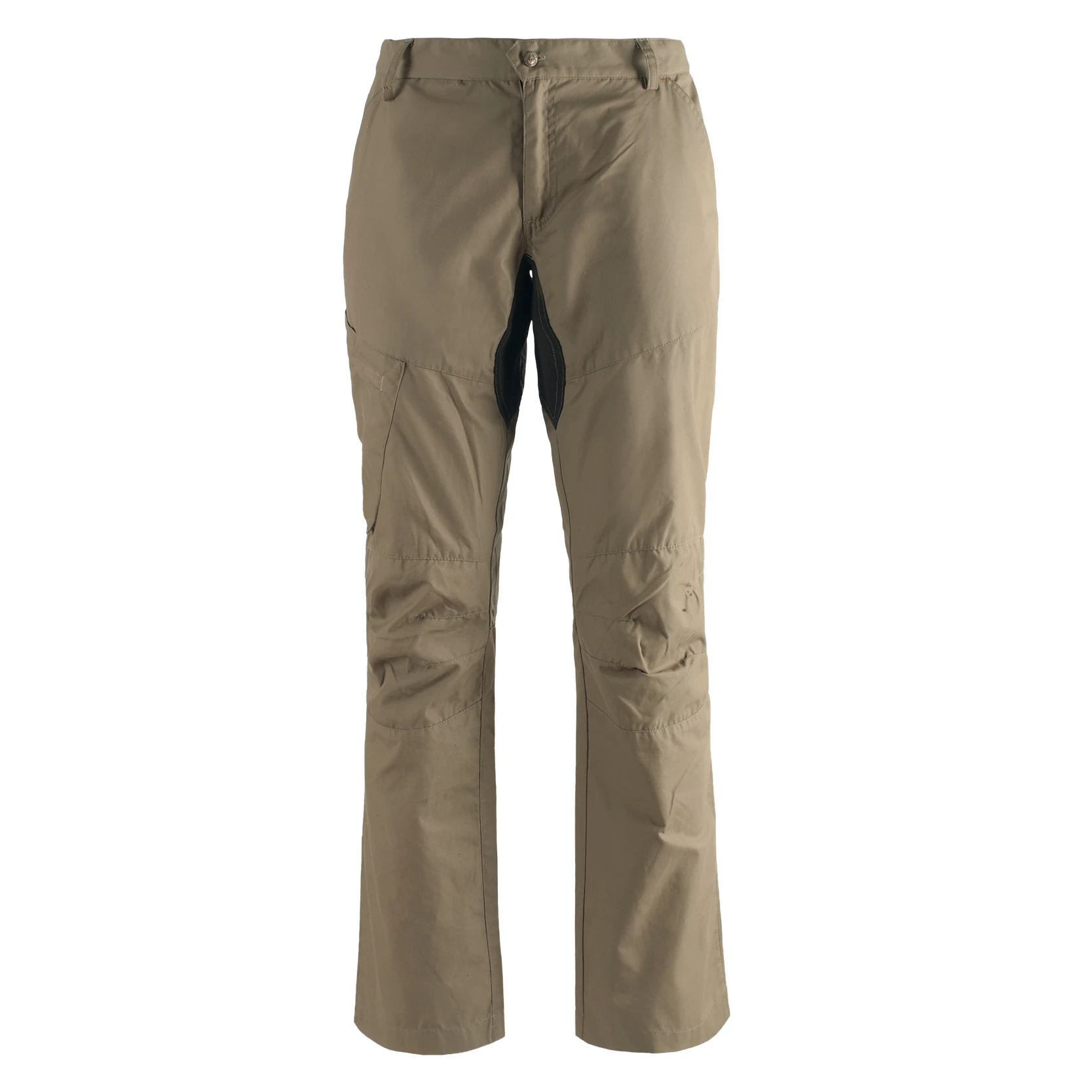
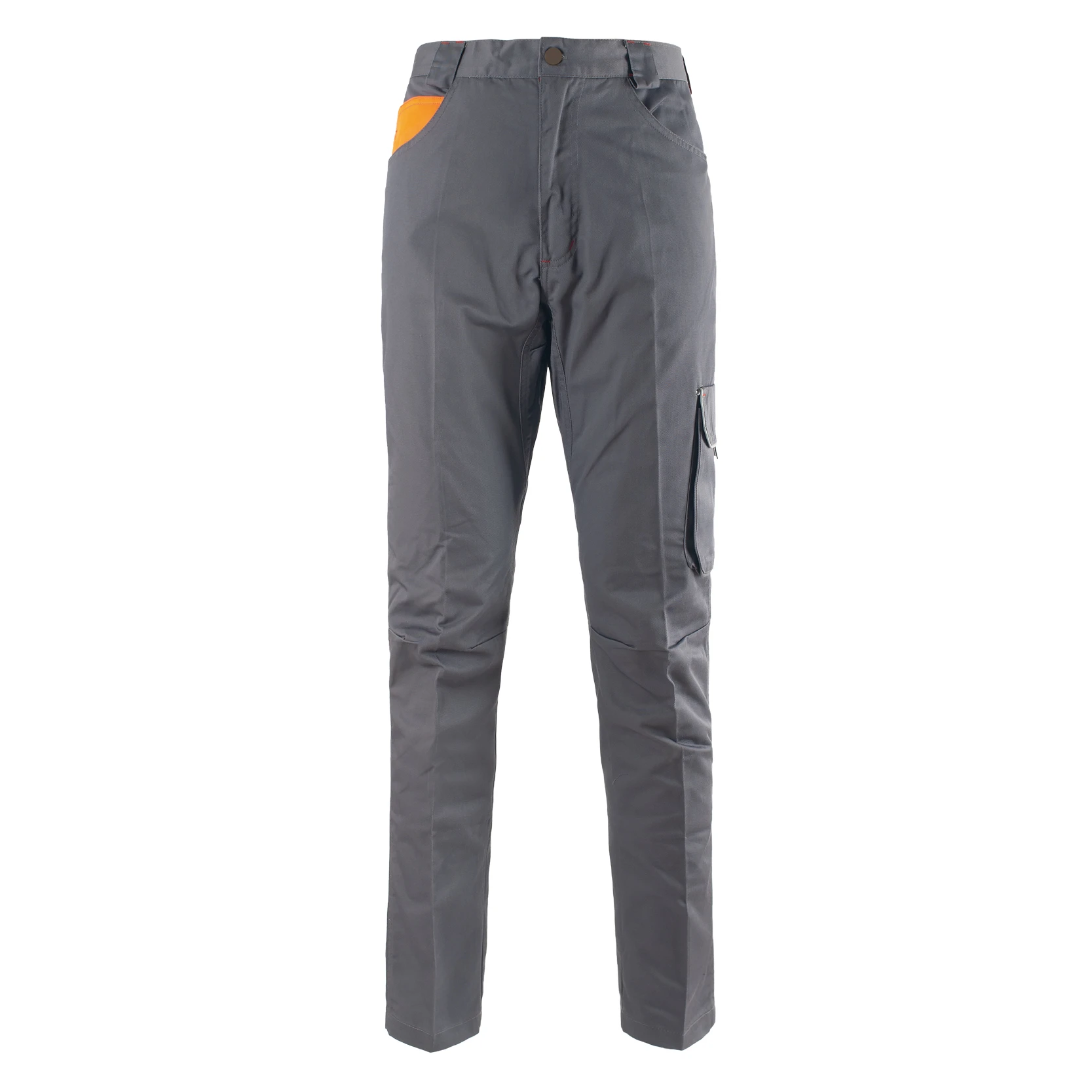
- Reinforcements: Knees and pockets often get triple-stitched or reinforced with tougher matterials, addressing common wear points.
- Safety Compliance: Reflective trims or flame retardant treatments may come standard or optional, fitting industry-specific safety needs.
- Fit & Sizing: Designed to accommodate varied body types while preserving the stretch functionality.
Mini takeaway: Stretch workwear trousers integrate smart textile technology with pragmatic design, optimizing work safety and personal comfort.
Product Specification Table: Typical Stretch Workwear Trousers
| Feature | Specification |
|---|---|
| Fabric Composition | 98% Cotton, 2% Elastane |
| Weight | 280-320 g/m² |
| Knee Reinforcement | Cordura or Kevlar patches |
| Stretch Percentage | Up to 15% in critical zones |
| Safety Options | Reflective tape, flame retardant treatment |
Global Applications & Use Cases
The beauty of stretch workwear trousers is their universality. In Europe, strict PPE regulations push manufacturers to blend comfort with compliance, making stretch fabrics a popular choice among engineers and site workers alike. Meanwhile, in Australia’s mining sector, where temperatures soar and movements vary drastically, stretch materials reduce heat stress and increase mobility — vital in emergency responses.
Look also to humanitarian realms: NGOs operating in disaster zones often equip personnel with flexible, durable clothing, reflecting the classic need for reliability combined with movement freedom during rapid deployments. Something like stretch workwear trousers match these needs well because, frankly, rigid trousers are a hindrance when you’re in a hurry.
Mini takeaway: The versatility of stretch workwear trousers bridges continents and sectors — from energy plants to emergency relief, proving their global significance.
Vendor Comparison Table: Leading Stretch Workwear Trouser Brands
| Brand | Stretch Material % | Durability Rating | Price Range (USD) | Special Features |
|---|---|---|---|---|
| FlexWork Pro | 4% | 8/10 | $75 - $100 | Water-resistant finish, reinforced knees |
| Duratex Stretch | 6% | 9/10 | $85 - $120 | Flame retardant, moisture-wicking |
| EcoFlex Gear | 5% | 7/10 | $65 - $90 | Sustainable fabric, UV protection |
Advantages & Long-Term Value
Thinking about stretch workwear trousers in terms of pure economics misses half the picture. Sure, they tend to cost a bit more upfront, but the cost-payoff is in durability and reduced injury claims, which most companies appreciate. Plus, the ergonomic benefits — better range of motion, less chafing, reduced muscle fatigue — add up over a worker’s full shift, sometimes making a crucial difference between a good day and an early injury.
On a more human note, these trousers respect the dignity of workers. They offer a balance between protection and comfort that shows employers prioritize personal wellbeing, which, oddly enough, raises company morale and trust. And from a sustainability standpoint, many brands are pushing for eco-friendlier fibers, meaning these trousers might soon help diminish fashion waste in industries.
Future Trends & Innovations
Looking ahead, the stretch workwear sector isn’t standing still. Smart textiles embedded with sensors to monitor posture are becoming a thing, as are “self-healing” fabrics patched on microscopic levels to reject tears. There’s also growing adoption of biodegradable elastane blends — combining performance with environmental responsibility.
Digital transformation means customization is easier, too: companies can order stretch workwear trousers tailored to their workers’ precise sizes and job requirements, improving fit and function further. Climate-aware innovations are coming as well — fabrics that cool you down, or adapt more quickly to temperature changes, are under serious study.
Challenges & Solutions
Of course, all this goodness isn’t without challenges. Cost remains an issue for some industries, especially in developing regions. Supply chain disruptions can delay innovation uptake, and some durability trade-offs exist: the added stretch fibers can reduce overall abrasion resistance if not properly engineered. Fit issues in mass production are another hurdle; too tight means it defeats the purpose, too loose means hazards.
Innovative approaches involve hybrid fabric development, combining stretch zones with ultra-durable panels, and modular trousers that allow updates or replacements of worn parts. Plus, educating purchasing managers on true total cost of ownership often helps overcome sticker shock.
Frequently Asked Questions (FAQ) About Stretch Workwear Trousers
- What makes stretch workwear trousers better than traditional workwear?
- Stretch trousers allow more freedom of movement, reducing muscle fatigue and improving worker safety by preventing injuries linked to restricted mobility. Additionally, they often feature enhanced moisture management and durability upgrades.
- Can stretch workwear trousers be used in hazardous environments?
- Yes, many stretch trousers come with additional safety features like flame retardancy, high-visibility trims, and reinforced knees, making them suitable for various hazardous settings when chosen to match safety standards.
- Are they more expensive than non-stretch trousers?
- Typically, yes — due to specialized materials and coatings — but the investment often pays off through increased durability, worker satisfaction, and reduced injury claims.
- How do I maintain stretch workwear trousers?
- Follow manufacturer care instructions carefully, usually avoiding bleach and high-heat drying to maintain elasticity and fabric integrity. Washing in cold water and air drying can extend garment life.
- Where can I buy reliable stretch workwear trousers?
- Reputable suppliers like those linked at Pullytrade offer a range of trusted brands with various compliance certifications and user reviews to guide your choice.
Conclusion: Why Invest in Stretch Workwear Trousers?
All in all, stretch workwear trousers represent a smart blend of innovation and practicality. They answer modern demands on safety, comfort, and durability with a design that respects workers’ daily realities. Whether you’re in heavy industry, field services, or humanitarian work, upgrading from stiff, restrictive trousers to stretch-enabled options is a step towards better productivity and wellbeing.
If you’re curious to explore options or outfit your team, visit our website at https://www.pullytrade.com — where comfort meets compliance in every stitch.
Final quick thought: In the end, it’s not just about trousers; it’s about empowering workers to move freely and safely, every day.