
Apr 16, 2026
10.05 / 2025
Reflective Work Pants: Safer, Durable—Ready to Upgrade?
Reflective Work Pants: A Field-Tested Buyer’s Guide
If you work near traffic, heavy machines, or in low light, reflective work pants aren’t a nice-to-have—they’re part of your safety system. I’ve trialed more pairs than I can count on night pours and dawn shift changeovers, and the difference between good and merely bright becomes obvious the first time a loader turns a corner.
What’s driving demand right now
Two things: tougher enforcement of ANSI/ISEA 107 and EN ISO 20471, and—surprisingly—comfort. Crews tell me they’ll actually wear hi-vis lower body PPE all shift if it breathes and bends. There’s also a quiet trend toward multi-standard garments (rail + road + utility) and eco-friendlier dyeing. In fact, buyers increasingly ask about wash durability of retroreflective tape, not just how bright it is out of the box.
Inside the build (why this pair works)
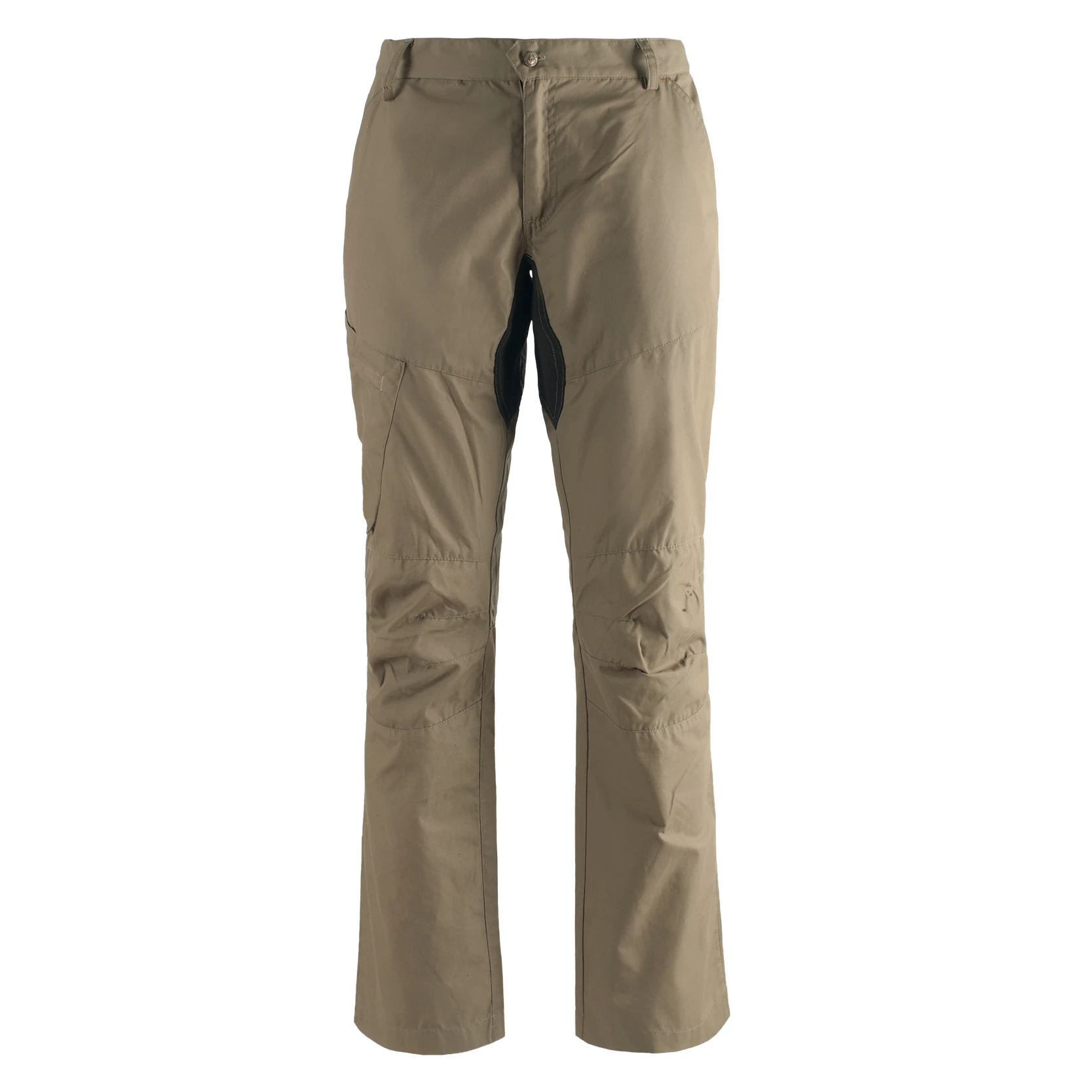
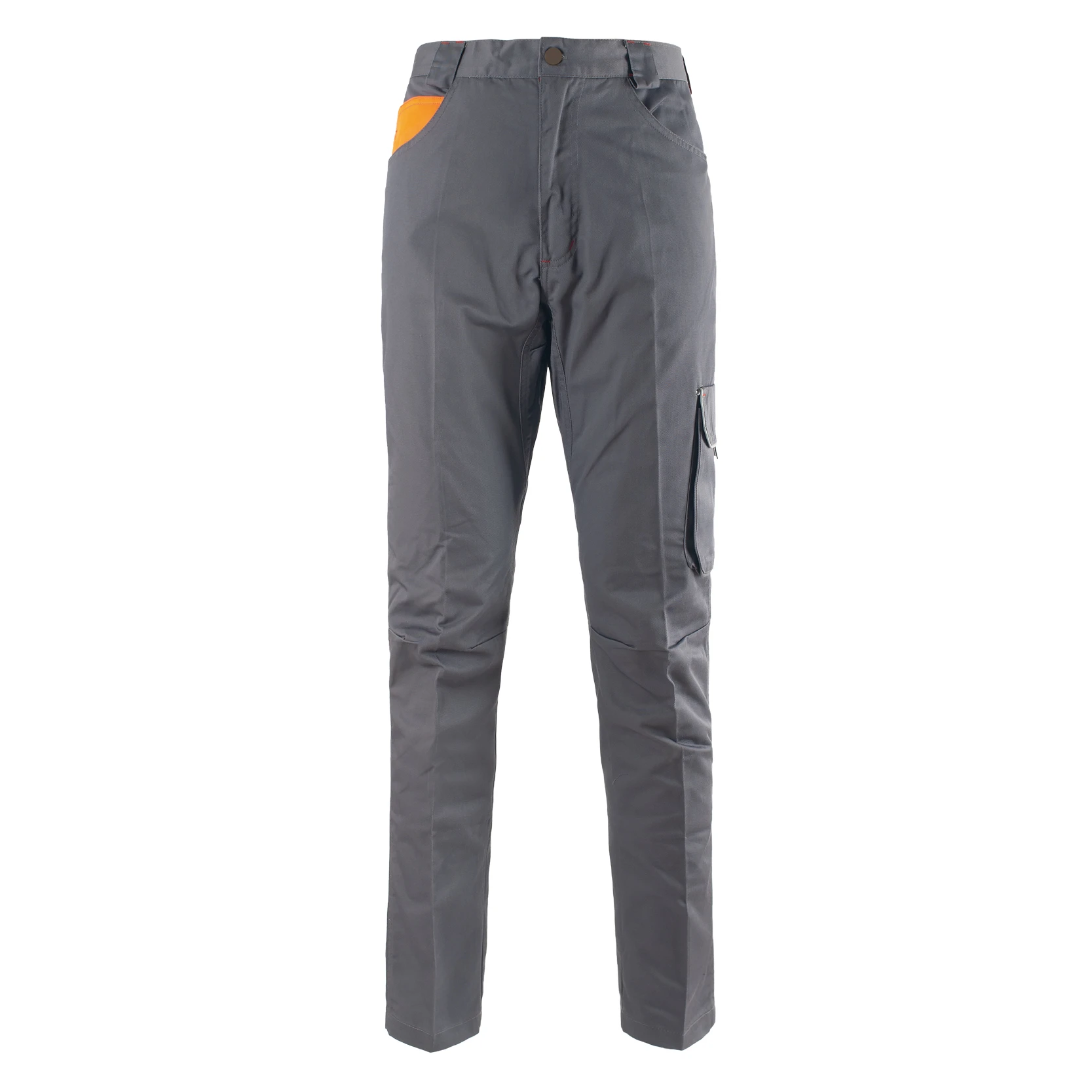
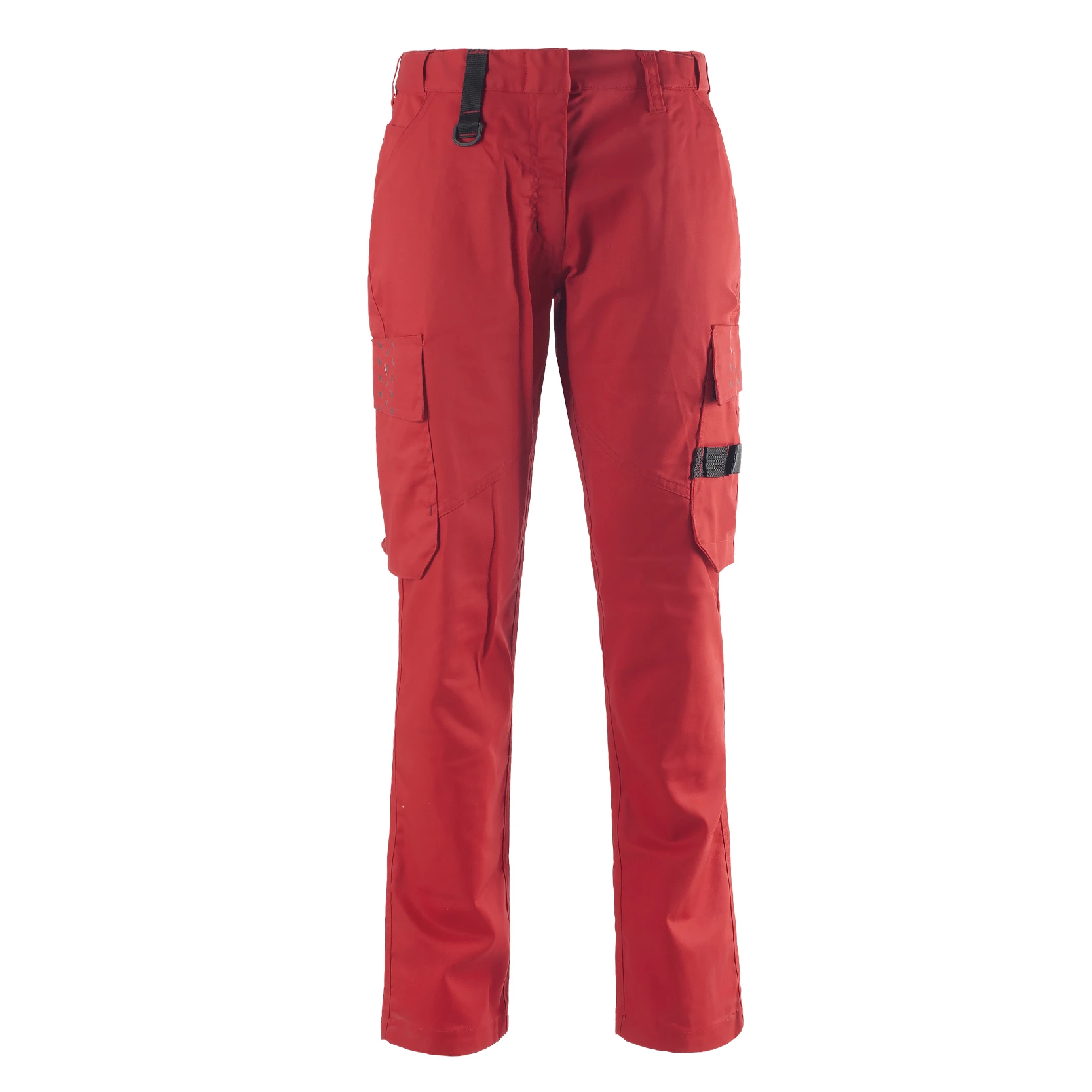
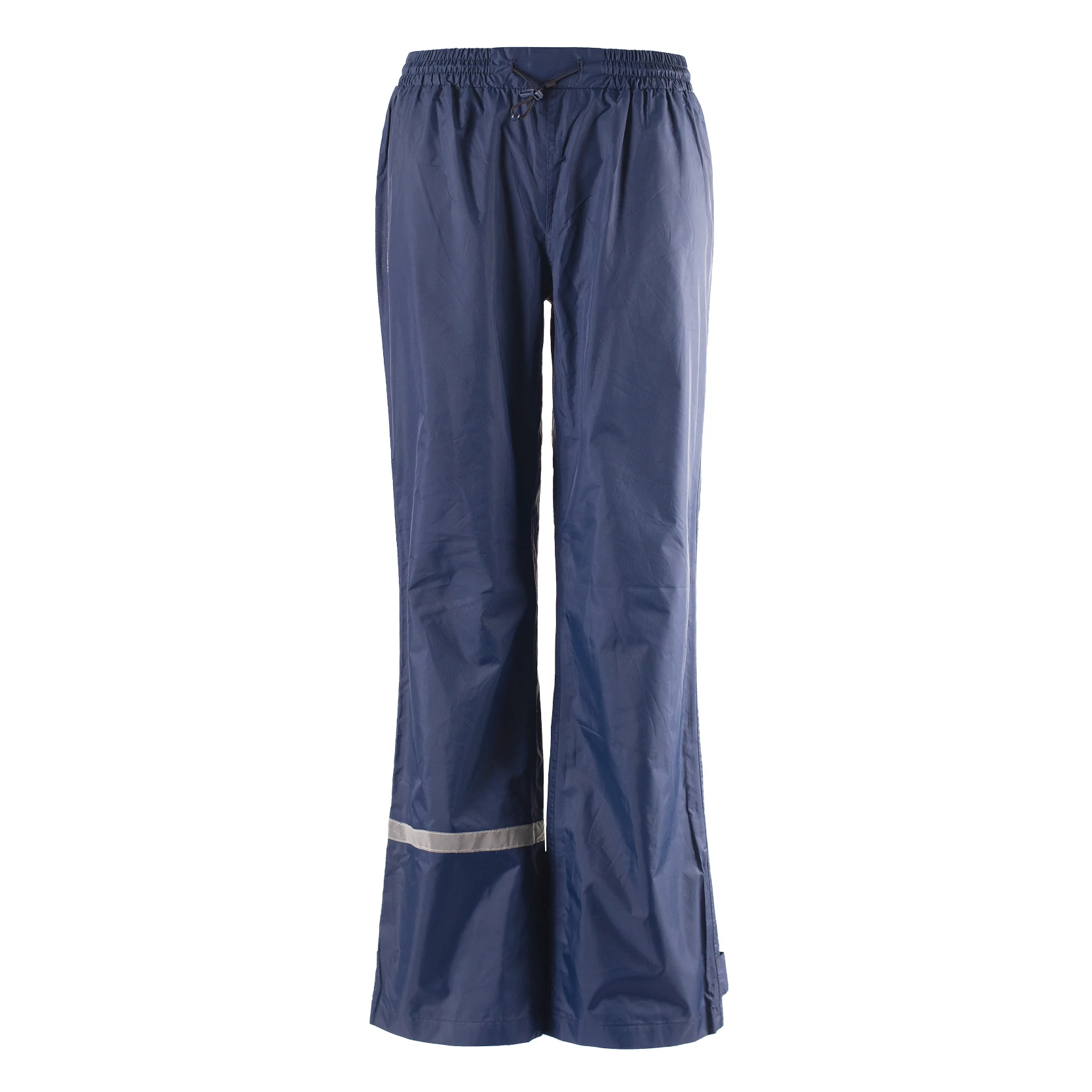
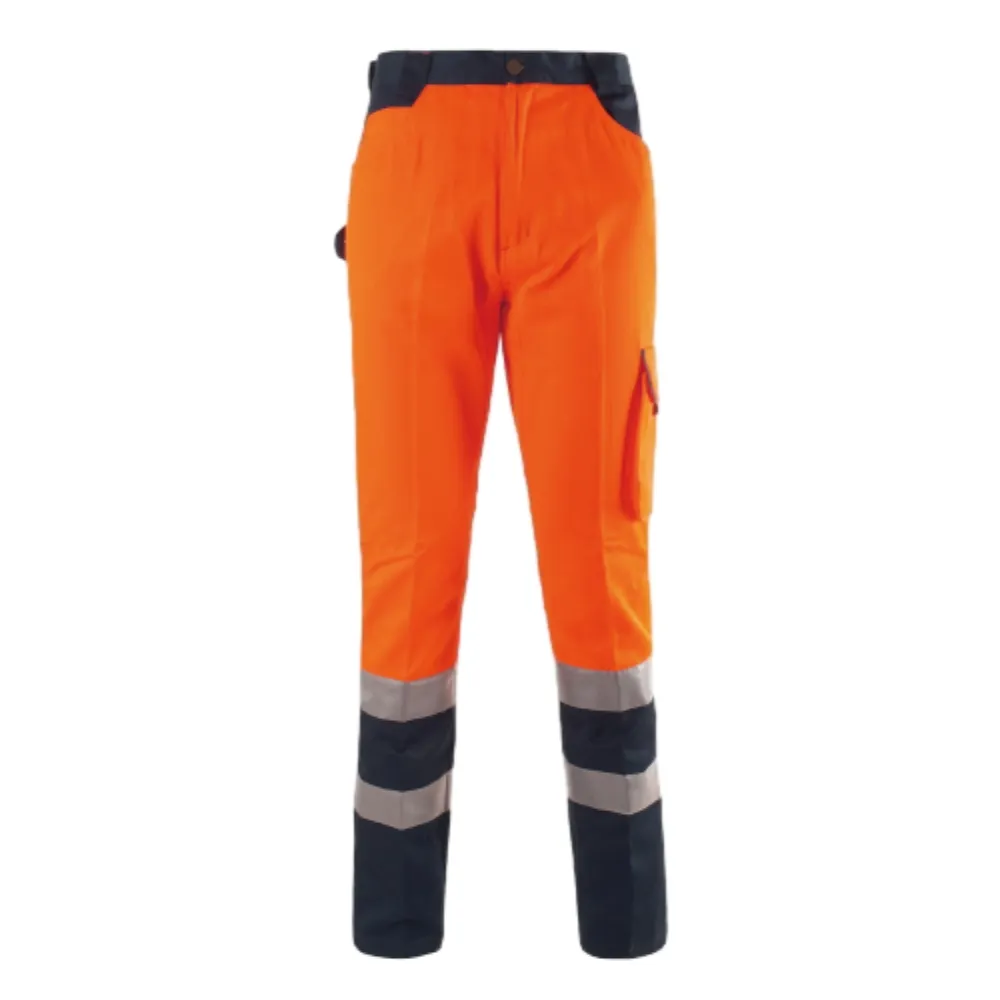
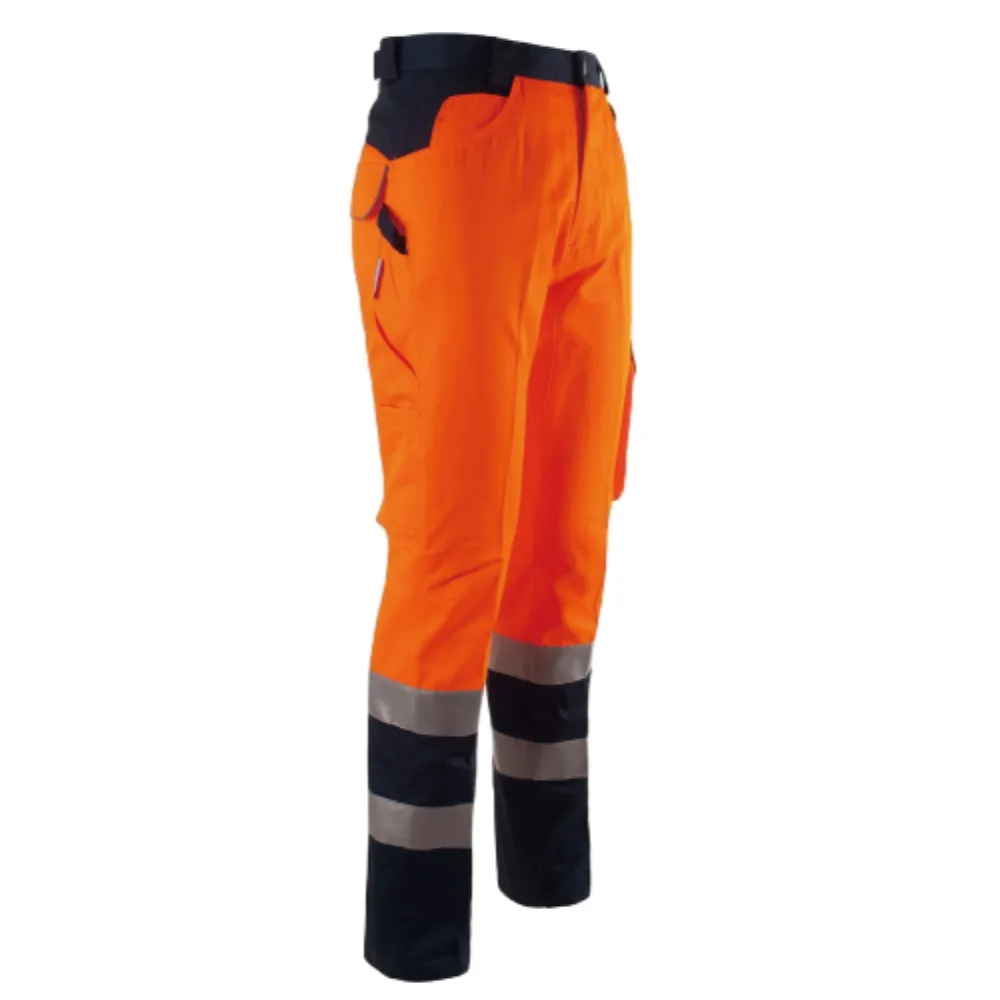
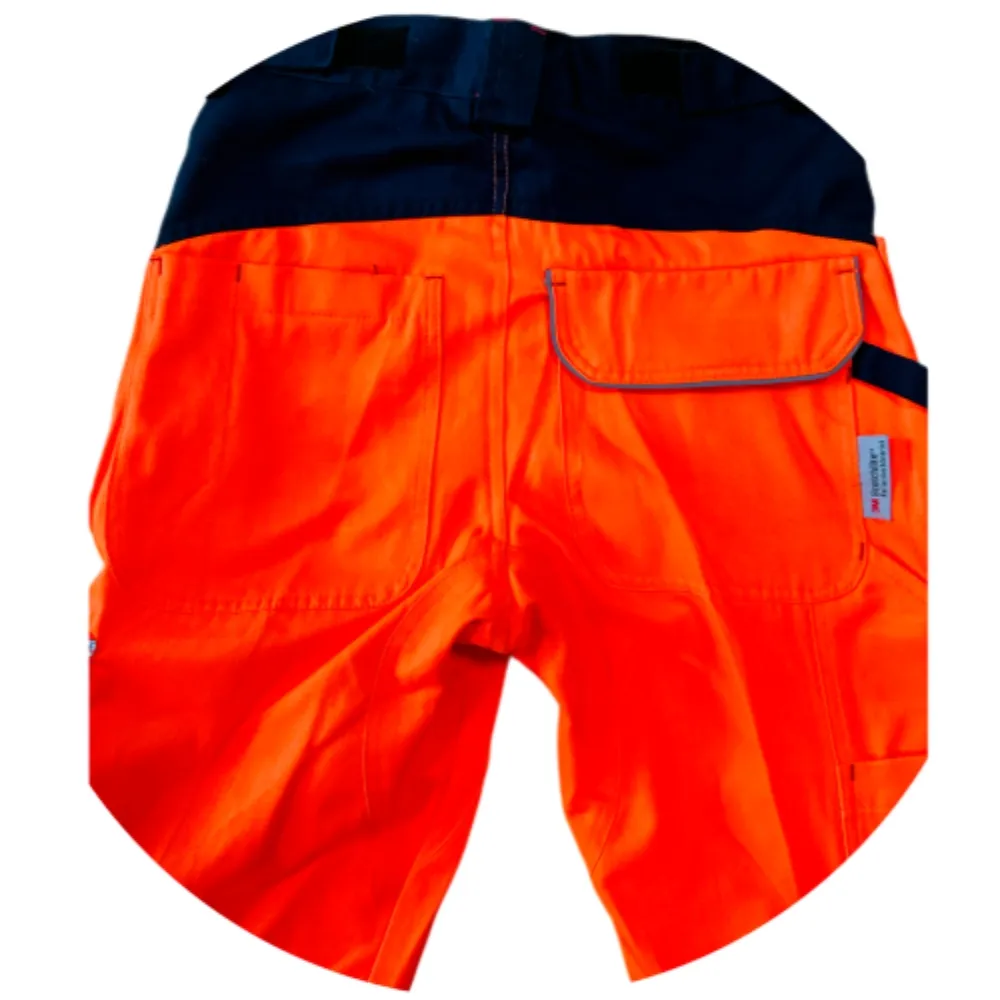
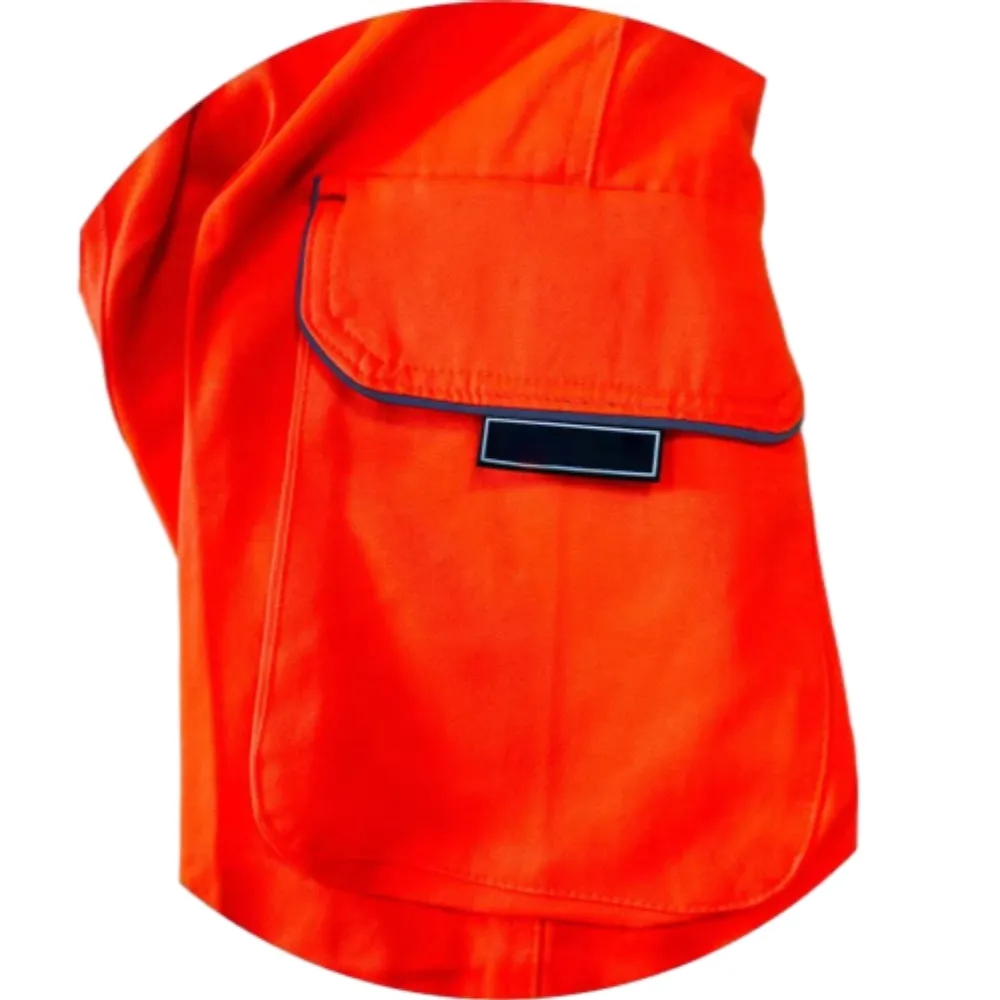
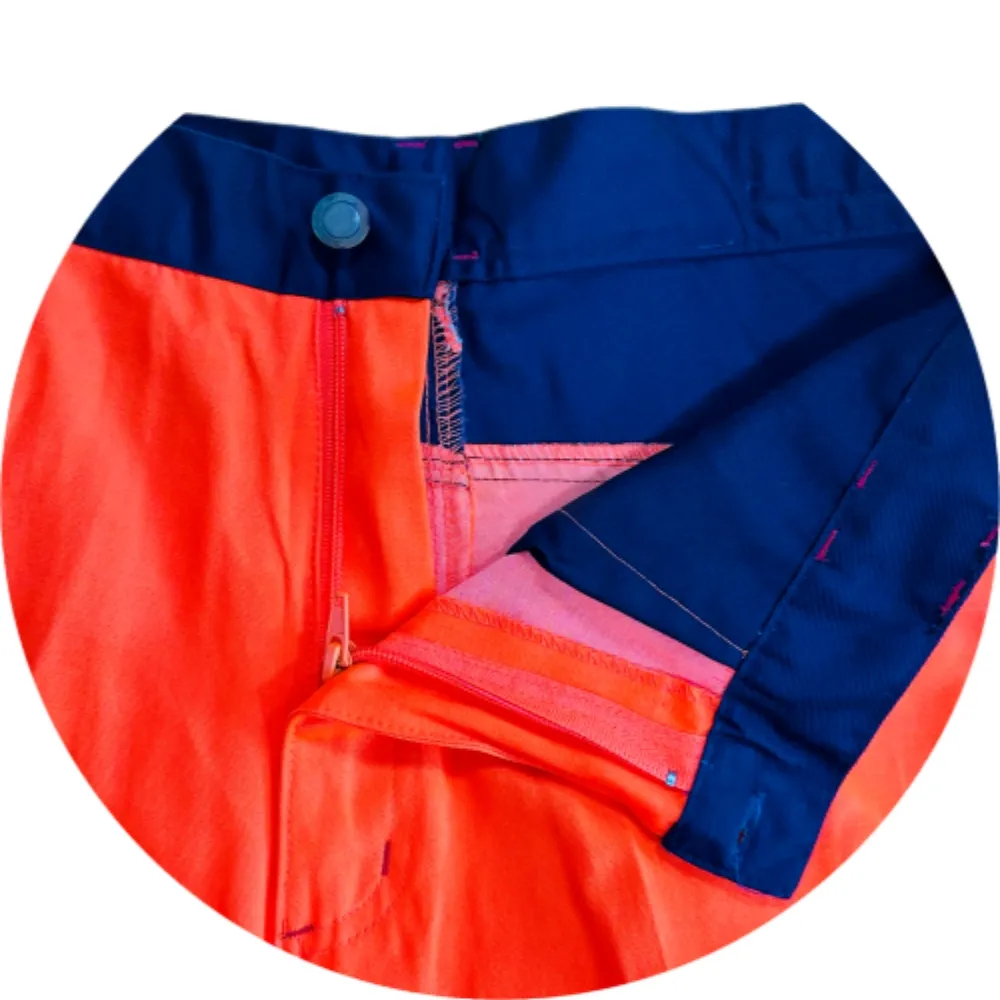
The High-Visibility Warning Work Pants (No. BLWT002) use a 65% cotton / 35% polyester blend. Cotton keeps it comfortable against skin; poly brings strength and better dry times. The reflective tape is typically glass-bead microprismatic—great angle performance for roadside tasks. Stitching? Bar-tacked at stress points, double-needle inseams; that’s the boring stuff you’ll thank later when pockets don’t tear off climbing in and out of cabs.
Product specs at a glance
| Item | Details (≈, real-world may vary) |
|---|---|
| Model / Number | High-Visibility Warning Work Pants / BLWT002 |
| Fabric | 65% cotton, 35% polyester; 240–260 g/m² |
| Reflective performance | RA ≥ 330 cd/lx·m² (new); ≥ 100 after 25–50 washes (0.2°/5°) |
| Seam / tensile | Seam strength ≥ 200 N; warp/weft tensile per ASTM D5034 |
| Colorfastness | 4–5 (AATCC/ISO wash); low bleed on neon fabrics |
| Origin | NO.6 Fengchan Road, Shijiazhuang Economic & Tech Development Zone |
Process, testing, and service life
Cut-and-sew with reinforced knees and taped hems, followed by reflective tape heat-bonding. QC typically includes retroreflective RA checks, Martindale abrasion (≥ 20,000 cycles), and wash testing per ISO 6330. Realistically, service life is ≈ 18–36 months or 25–50 home washes before the tape drops below class thresholds—depends on mud, UV, and wash heat. Tip: cold wash, gentle cycle, inside-out; avoid bleach and high-heat tumble.
Where they shine (use cases)
- Road & bridge night crews; asphalt, line-striping, and traffic control
- Warehousing with forklift routes—dawn and dusk shifts especially
- Utilities: pole work, trenching, emergency call-outs in rain
- Rail yards and airport ground ops (check local class requirements)
Advantages many crews report: breathable thigh panels, pockets that don’t quit, and tape that still “pops” after the 20th wash. To be honest, comfort keeps compliance up.
Vendor comparison (real-world buyer notes)
| Vendor | Certs/Standards | Lead Time | MOQ | Customization | Price Band |
|---|---|---|---|---|---|
| Pullytrade (BLWT002) | ANSI/ISEA 107, EN ISO 20471 (docs on request) | 15–30 days | ≈ 200–500 | Logos, tape width, fabric weight | $$ |
| Importer B | Claims ANSI only | 30–45 days | ≈ 1,000 | Limited colors | $ |
| Premium EU Brand | EN ISO 20471, RIS-3279-TOM (rail) | In stock / 7–14 days | 1–50 | Broad options | $$$ |
Customization and a quick case
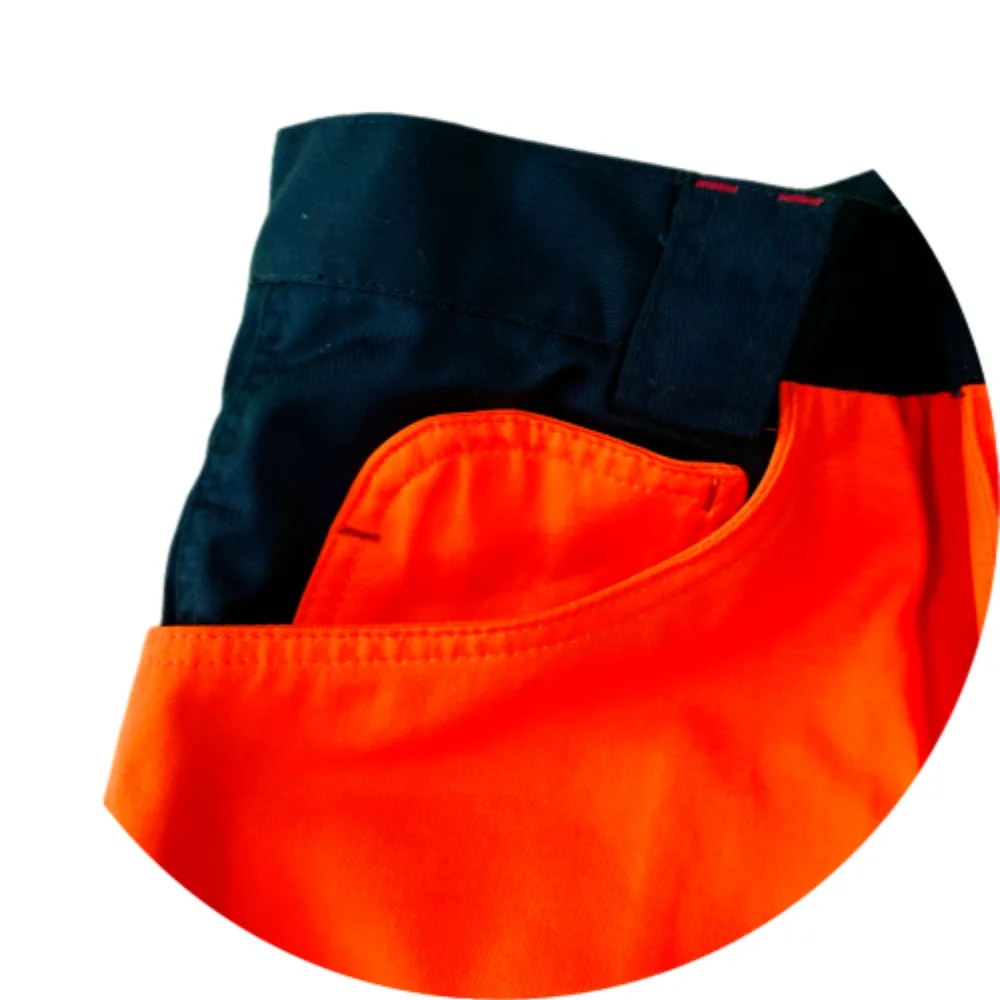
Branding, contrasting knee panels, cargo pocket layouts, and tape configs (2" vs 3") are common tweaks. One utilities client specced extra gusseting for climbing; after six months, they reported 32% fewer garment failures and, interestingly, fewer “I left them in the truck” excuses. It seems crews liked the fit. Many customers say the blend is just right for muggy summers.
Final thought
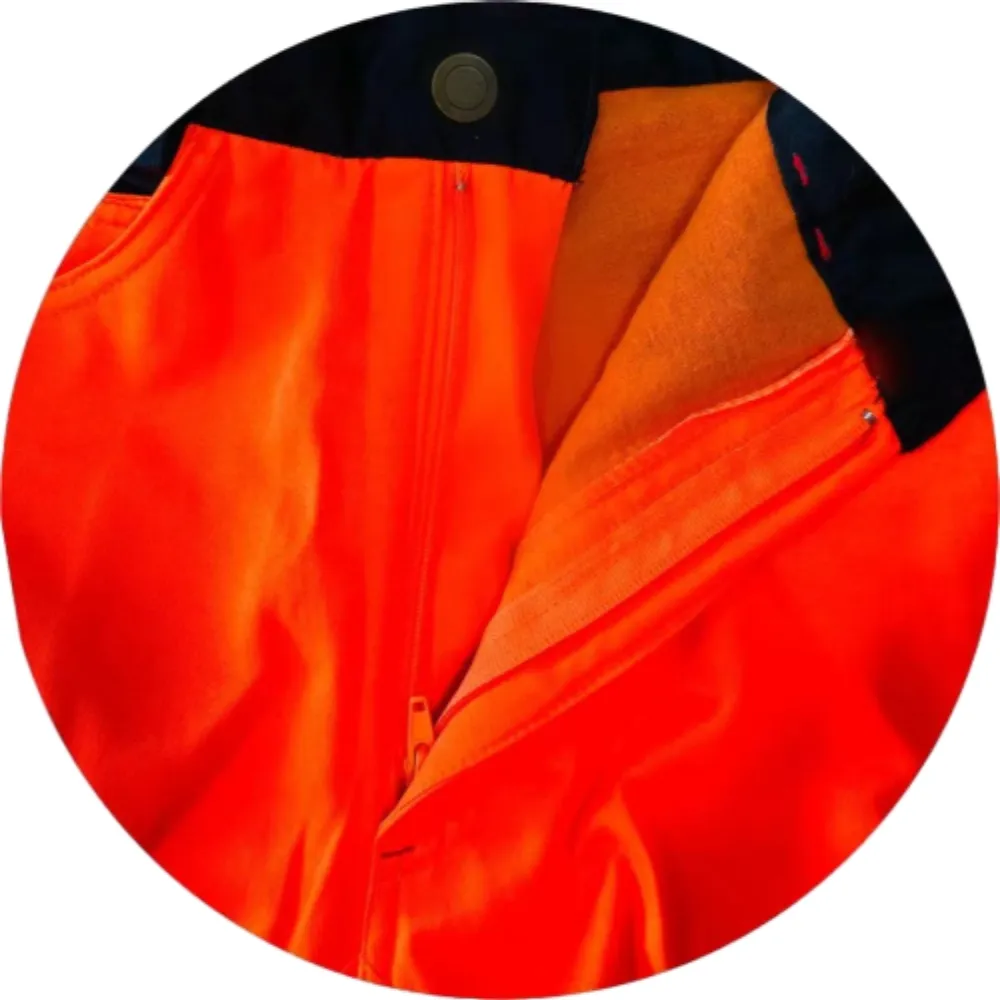
Choose reflective work pants the way you choose boots: by the job, not just the brochure. Check the standard, the wash data, and how they move when you squat under a trailer. If you need a balanced pick, reflective work pants like BLWT002 hit the spec sheet and, to be honest, feel right on site.