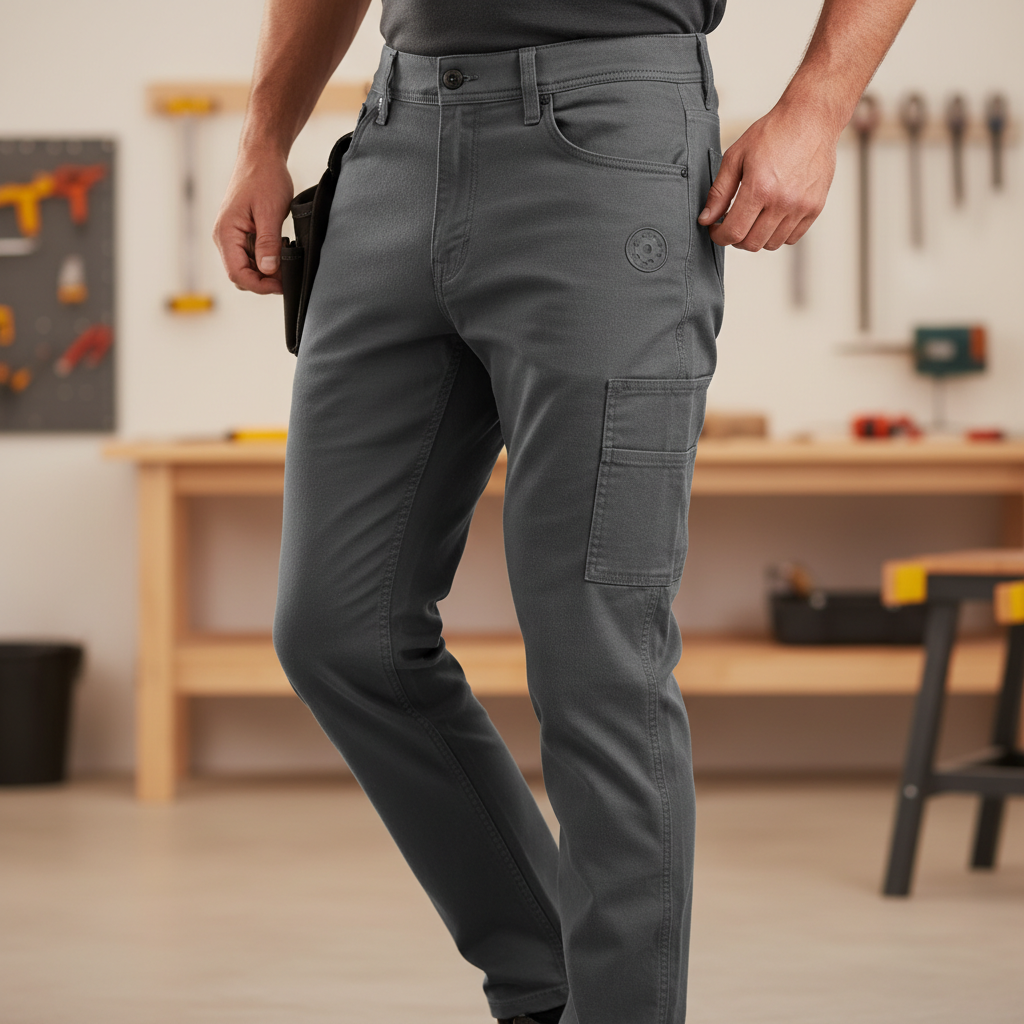
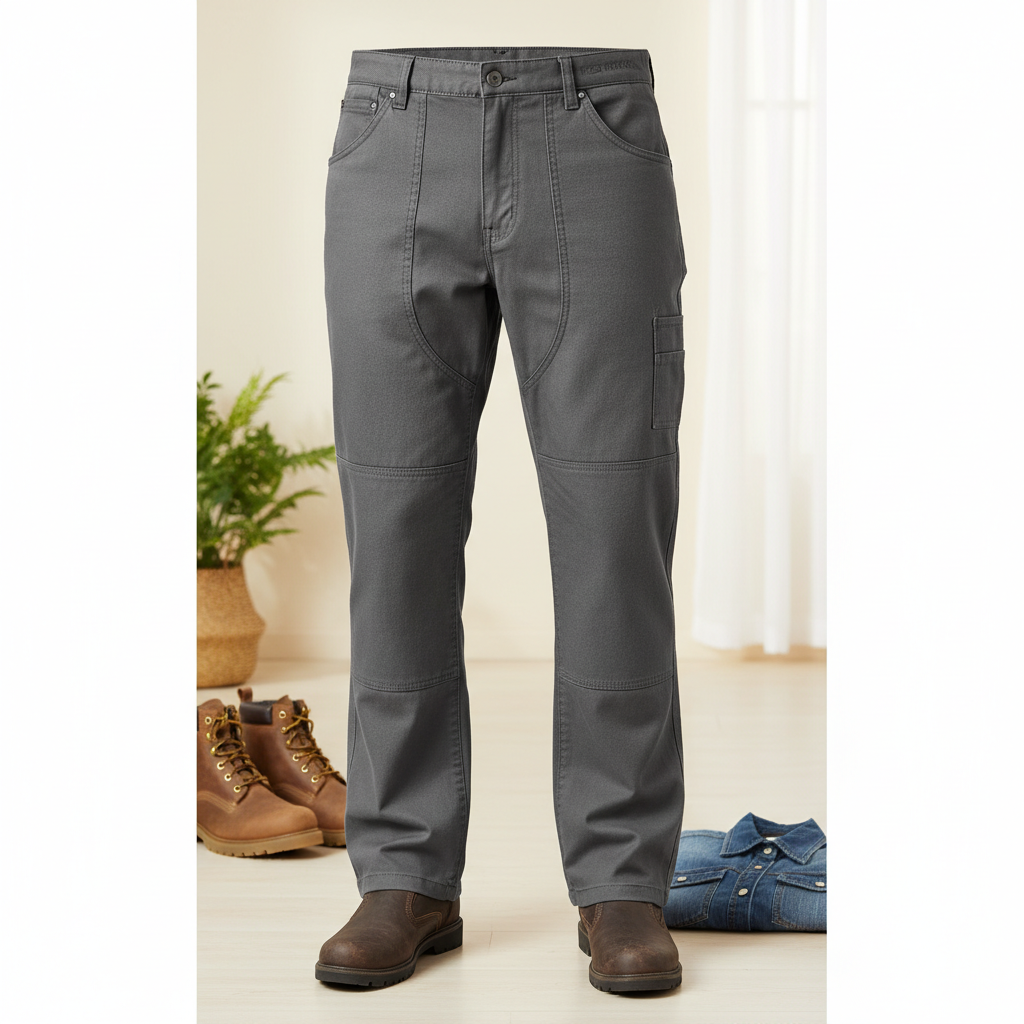
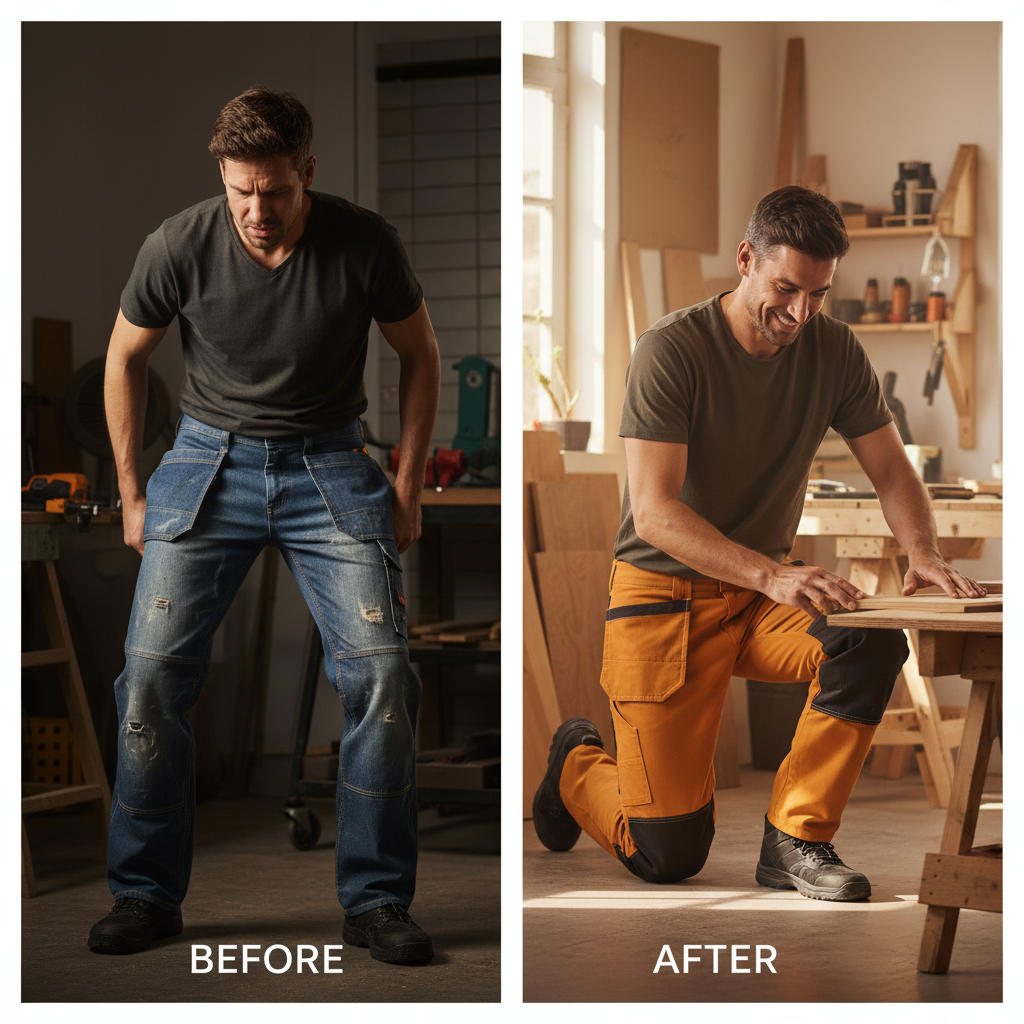
Safety trousers are a critical component of personal protective equipment (PPE) across a vast array of industries and emergency response scenarios. Their primary function – safeguarding workers and individuals from potential hazards – underscores their global relevance. From construction sites to chemical plants, healthcare facilities to disaster relief zones, the need for robust and reliable safety trousers is constant. Investing in and understanding the nuances of safety trousers isn’t just about compliance; it’s about prioritizing human wellbeing and operational efficiency.
The global market for PPE, including safety trousers, is experiencing significant growth, driven by increasing industrialization, stricter safety regulations, and a heightened awareness of workplace risks. Organizations like the International Labour Organization (ILO) and national safety standards bodies (ISO, ANSI) are continually reinforcing the importance of PPE, contributing to demand. However, challenges remain in ensuring equitable access to high-quality safety trousers, particularly in developing nations where resources are limited and enforcement may be inconsistent.
Ultimately, choosing the right safety trousers can significantly reduce the risk of injuries, protect workers’ health, and contribute to a safer and more productive working environment. This makes them an invaluable asset for any organization committed to employee welfare and responsible operations.
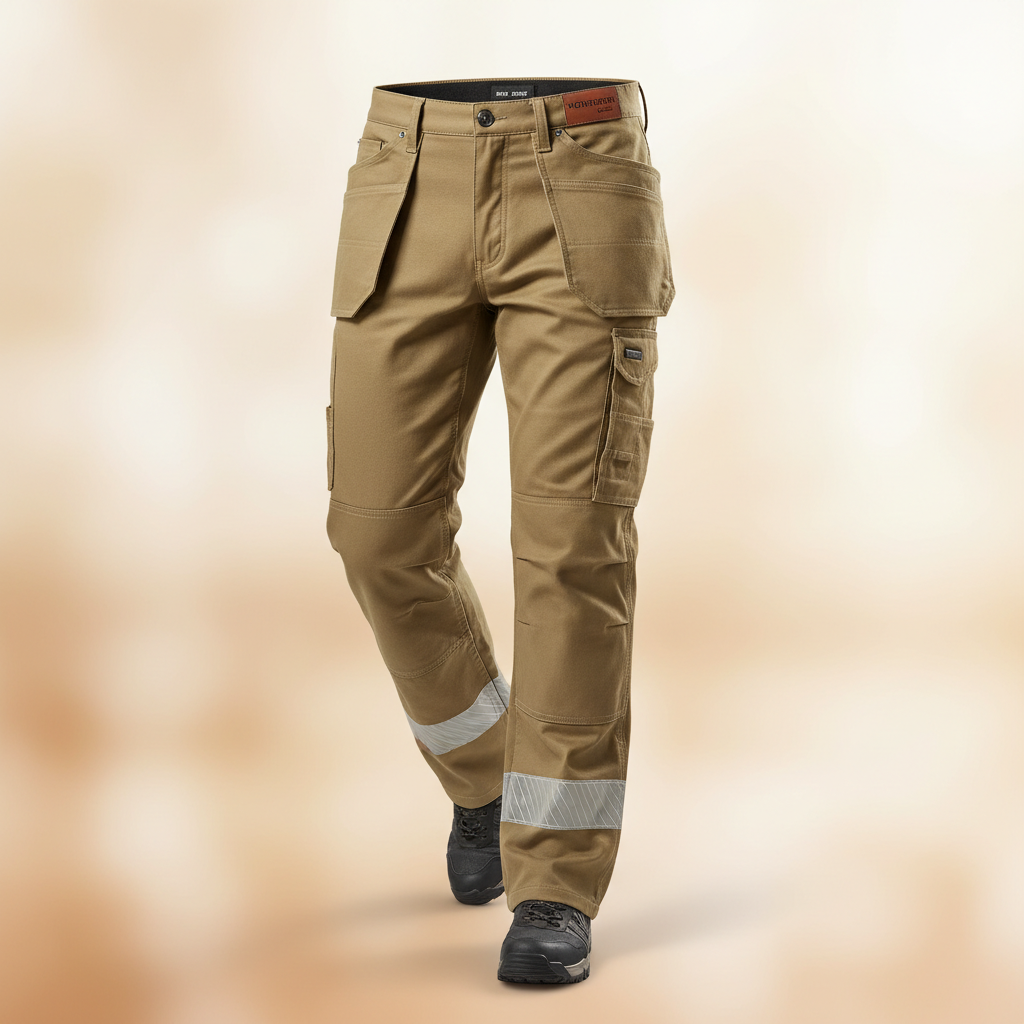
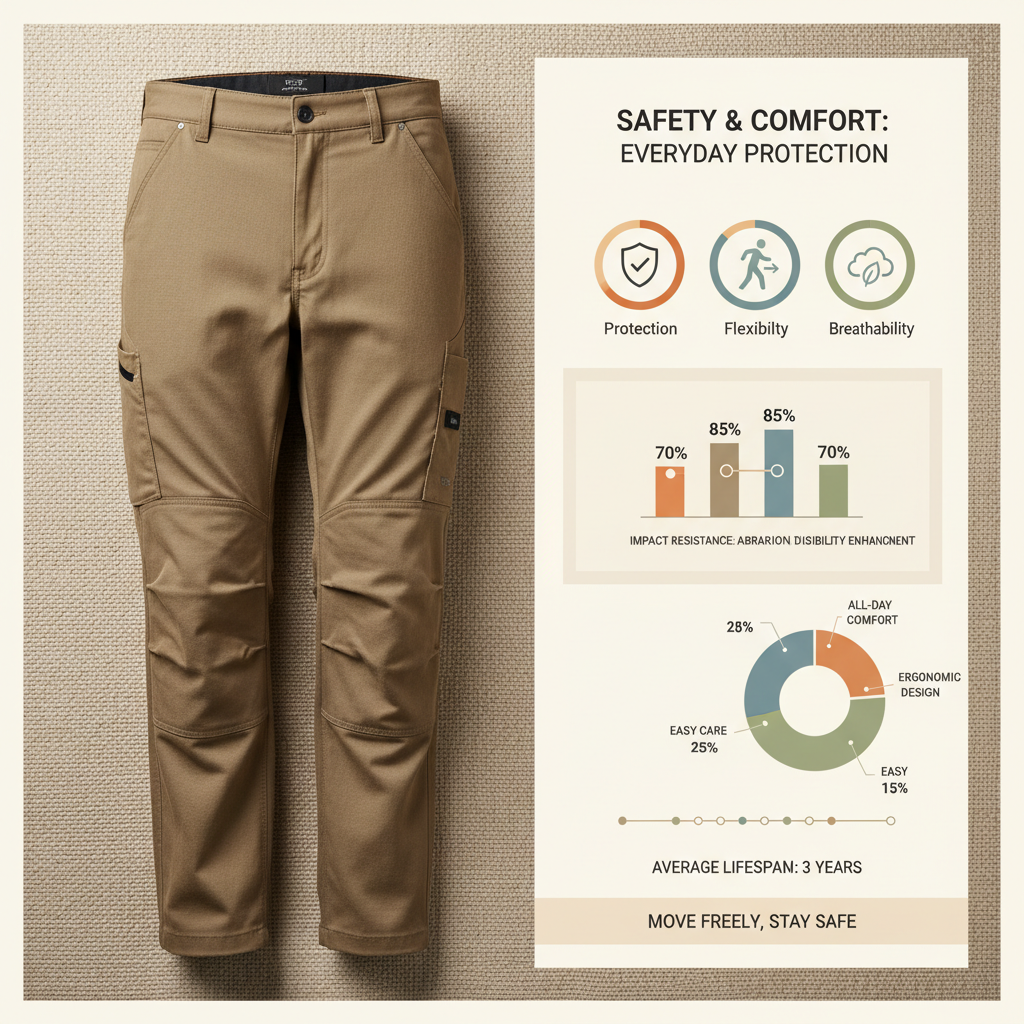
Safety trousers represent a foundational layer of protection against a multitude of workplace hazards. These aren’t simply pants; they are engineered garments designed to mitigate risks ranging from abrasion and cuts to chemical splashes and thermal exposure. Proper safety trousers can be the difference between a minor incident and a severe, life-altering injury. safety trousers provide a visible commitment to worker safety.
The significance of these trousers extends beyond direct physical protection. They contribute to a culture of safety within an organization, signaling to employees that their wellbeing is valued. A proactive approach to PPE, including the provision of high-quality safety trousers, can lead to increased employee morale, reduced absenteeism, and ultimately, greater overall productivity.
Safety trousers are commonly constructed from durable blends of cotton, polyester, and sometimes specialized fibers like nylon, Kevlar, or Cordura. The specific composition depends on the intended application and level of protection required. Heavier-duty trousers often incorporate reinforced panels and abrasion-resistant coatings to withstand demanding work environments.
Proper fit is critical for safety trousers to provide adequate protection and comfort. Consult the manufacturer's sizing chart, and ideally, try on the trousers before purchasing. They should allow for a full range of motion without being excessively loose or restrictive. Adjustable waistbands and articulated knees can help ensure a secure and comfortable fit.
Safety trousers should meet relevant industry standards, such as ANSI/ISEA 107 (high visibility) or EN ISO standards for specific hazards (e.g., flame resistance, chemical resistance). Look for trousers that have been certified by an accredited testing laboratory to ensure they meet the required performance criteria.
The lifespan of safety trousers depends on their usage and the severity of the hazards they are exposed to. Inspect them regularly for signs of wear and tear, such as tears, abrasions, or compromised reflective materials. Replace them immediately if any damage is detected that could compromise their protective capabilities.
Most safety trousers are machine washable, but it's essential to follow the manufacturer's care instructions. Avoid using harsh detergents or bleach, as these can damage the fabric or reduce its protective properties. Air drying is generally recommended to prevent shrinkage or damage to reflective materials.
High-visibility safety trousers incorporate bright colors and reflective materials to enhance worker visibility in low-light conditions. Flame-resistant safety trousers are constructed from materials that resist ignition and self-extinguish, providing protection against thermal hazards. Some trousers may combine both features for comprehensive protection.
In conclusion, safety trousers represent a vital investment in worker wellbeing and operational safety. Their role extends far beyond simple garment provision – they form a cornerstone of a robust safety culture, contributing to reduced injuries, increased productivity, and enhanced brand reputation. Understanding the core components, applications, and future trends surrounding safety trousers is essential for any organization committed to responsible operations.
Looking ahead, continued innovation in materials, smart technologies, and sustainable manufacturing will further enhance the performance and value of safety trousers. Prioritizing regular risk assessments, proper PPE selection, and ongoing training will ensure that these critical garments continue to protect workers effectively in an evolving industrial landscape. Visit our website at www.pullytrade.com to explore our range of safety trousers and discover how we can help you protect your workforce.