
Apr 16, 2026
12.02 / 2025
Lightweight Construction Pants: Durable, Comfortable Workwear for Global Builders
Lightweight Construction Pants: Essential Gear for Modern Builders
When we think about construction workwear, “heavy” and “bulky” might traditionally come to mind. But lightweight construction pants are reshaping what it means to be comfortable, safe, and efficient on the jobsite worldwide. From the scorching deserts of the Middle East to the chillier sites in Northern Europe, these pants deliver protection without the burden of weight. That’s why understanding their features is not just a trivial detail — it matters globally for worker productivity, safety, and even environmental impact.
Introduction: Why Lightweight Construction Pants Matter Globally
Construction is an enormous global industry, contributing roughly 13% to the world’s GDP according to the World Bank. It employs millions under various environmental conditions. Yet, despite this scale, workwear innovation often lags behind. Most laborers face heat stress, restricted movement, and wear-related injuries, partly due to inappropriate gear. Lightweight construction pants help address these issues.
For example, data from the International Labour Organization highlights that heat-related illnesses reduce labor output by up to 15% in key regions. Wearing breathable, durable, and lightweight gear, including pants, is a straightforward mitigation step.
Practically, lighter pants reduce worker fatigue and increase mobility, which can lead to fewer accidents and higher job satisfaction. So, these pants aren’t just fashion statements—they’re productivity enhancers and safety tools.
Defining Lightweight Construction Pants
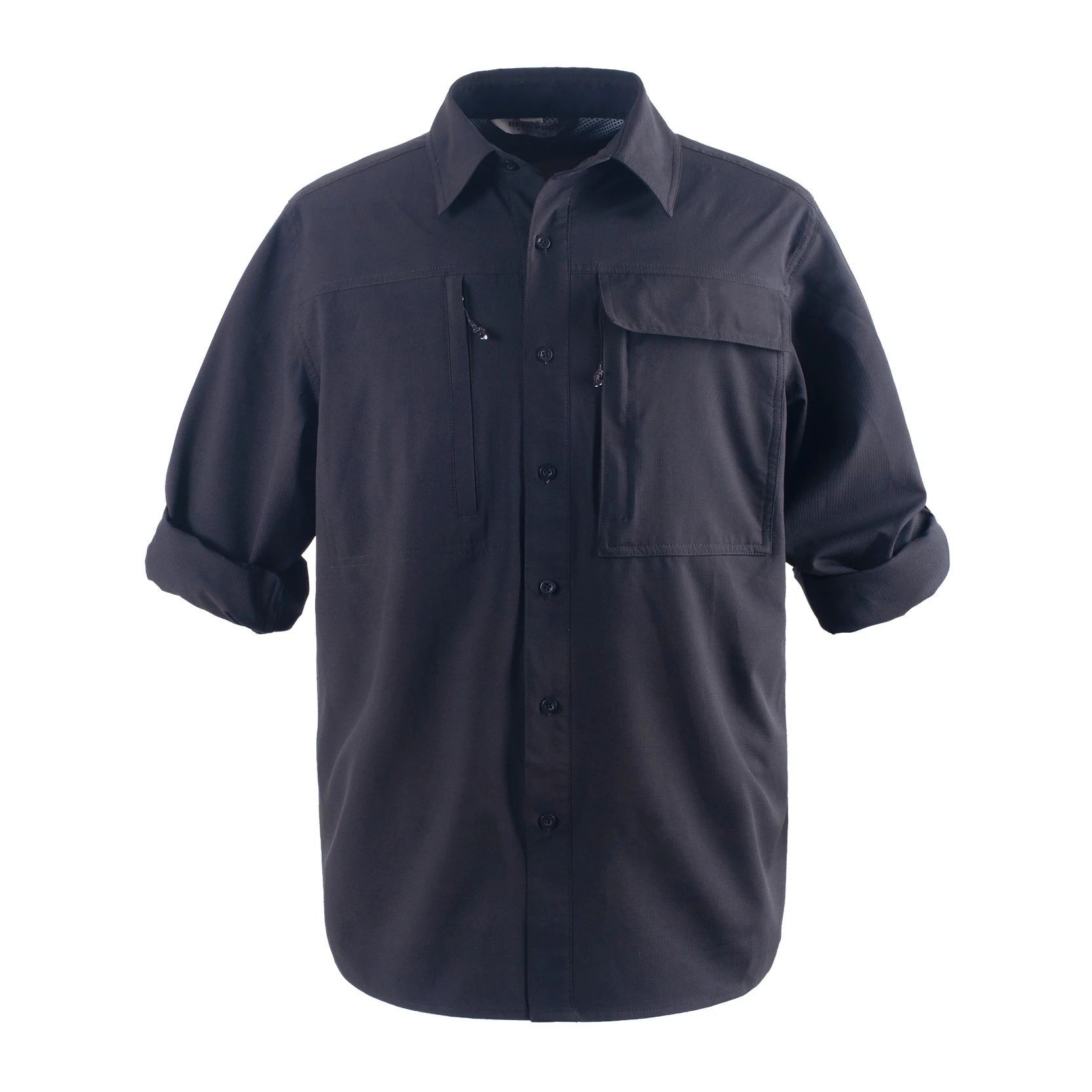
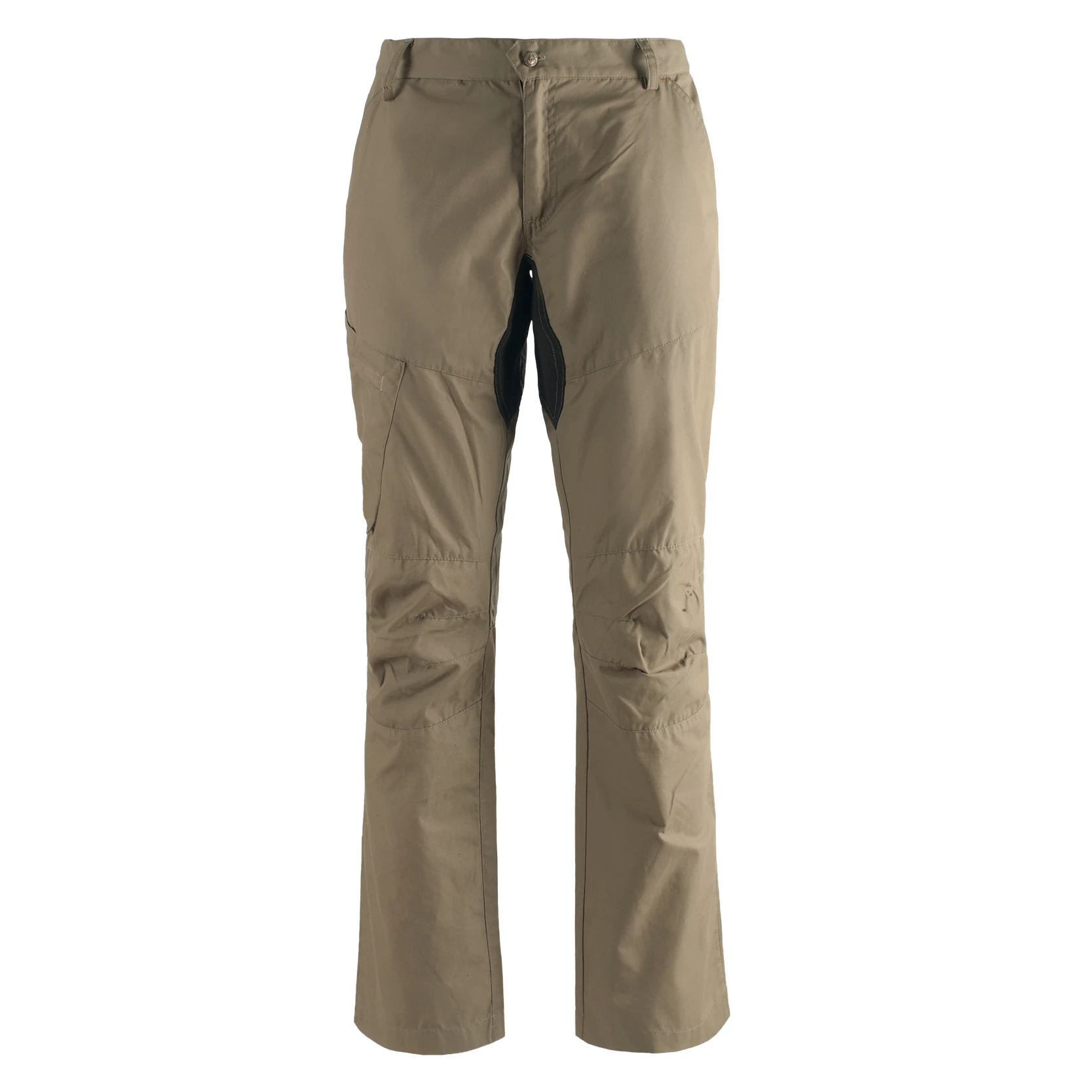
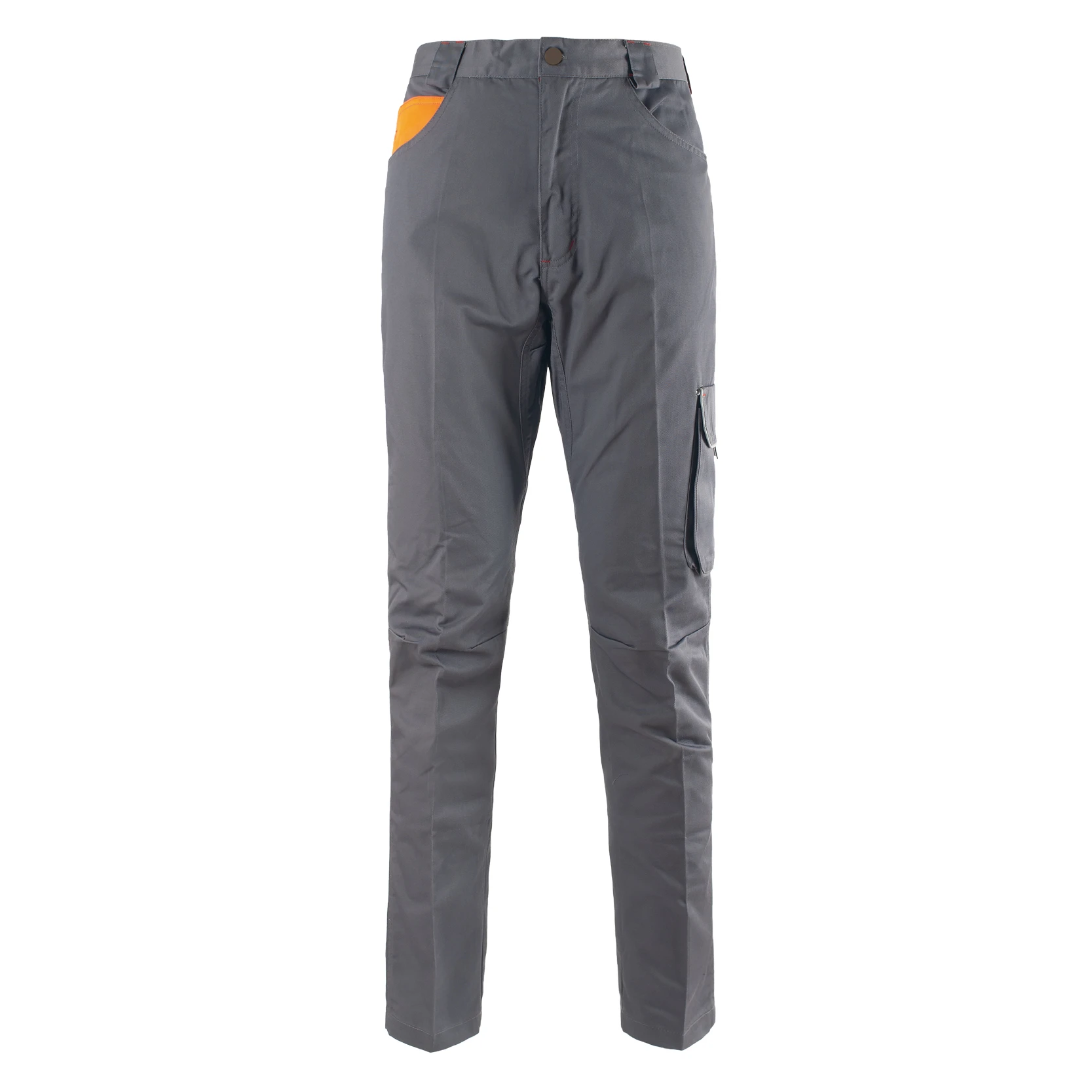
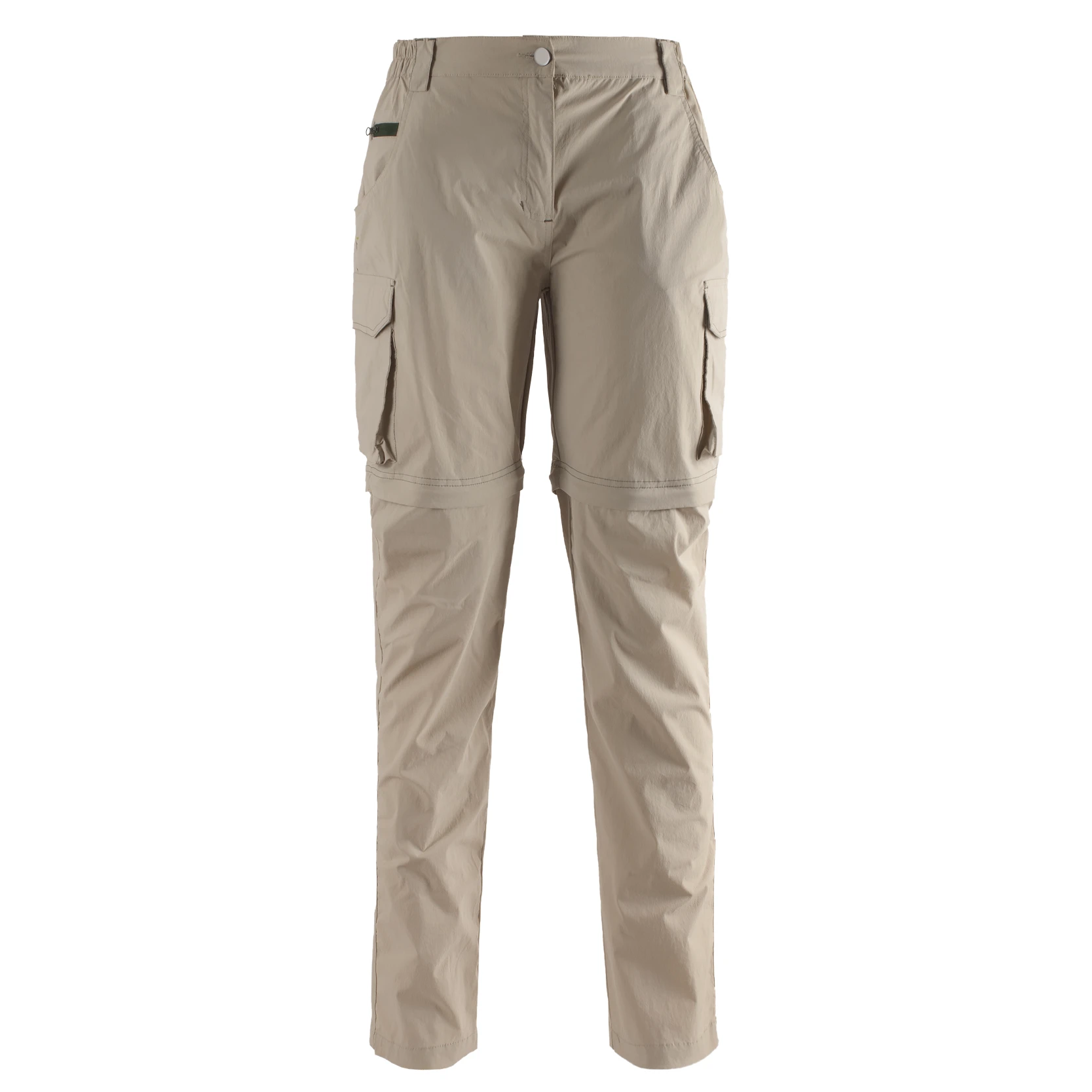
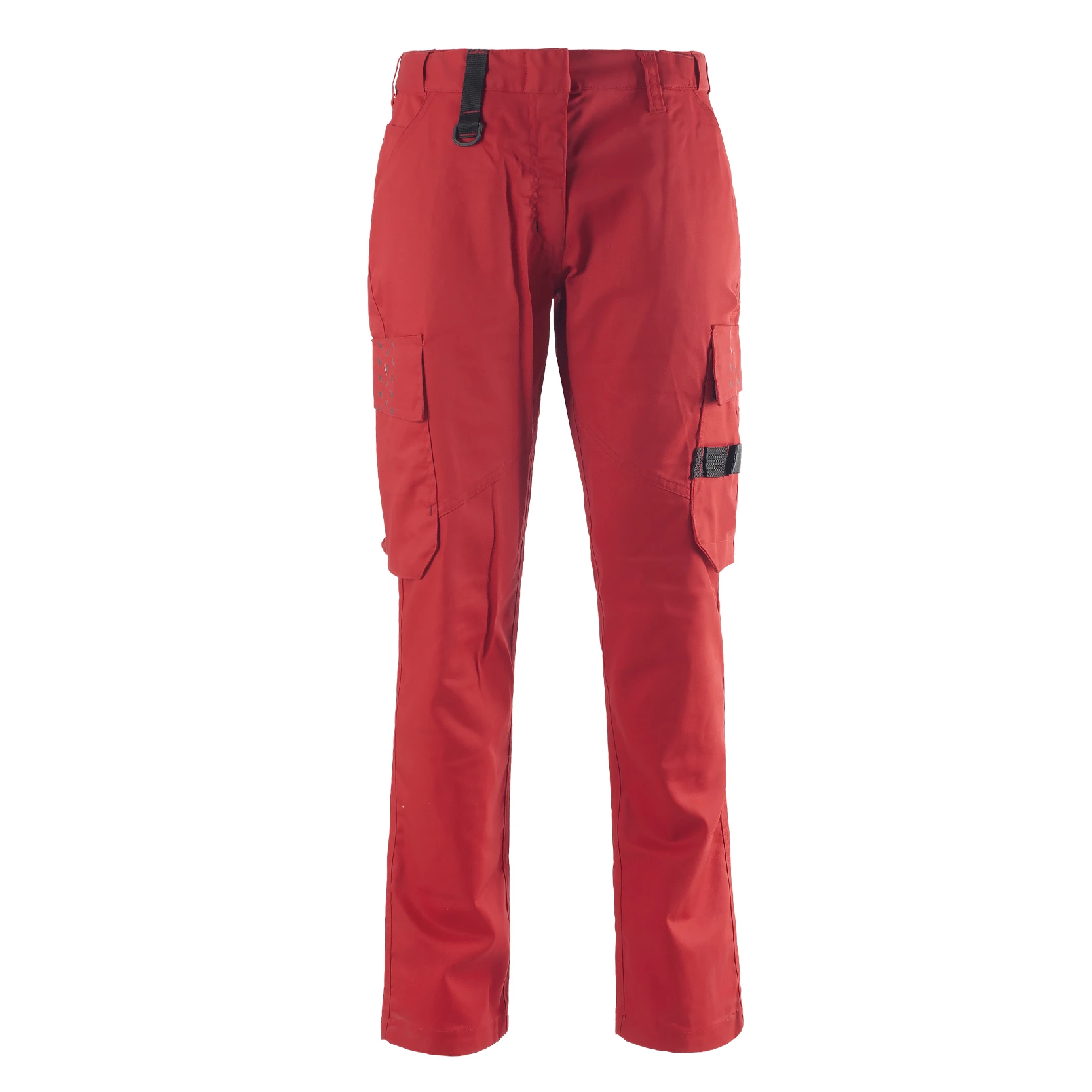
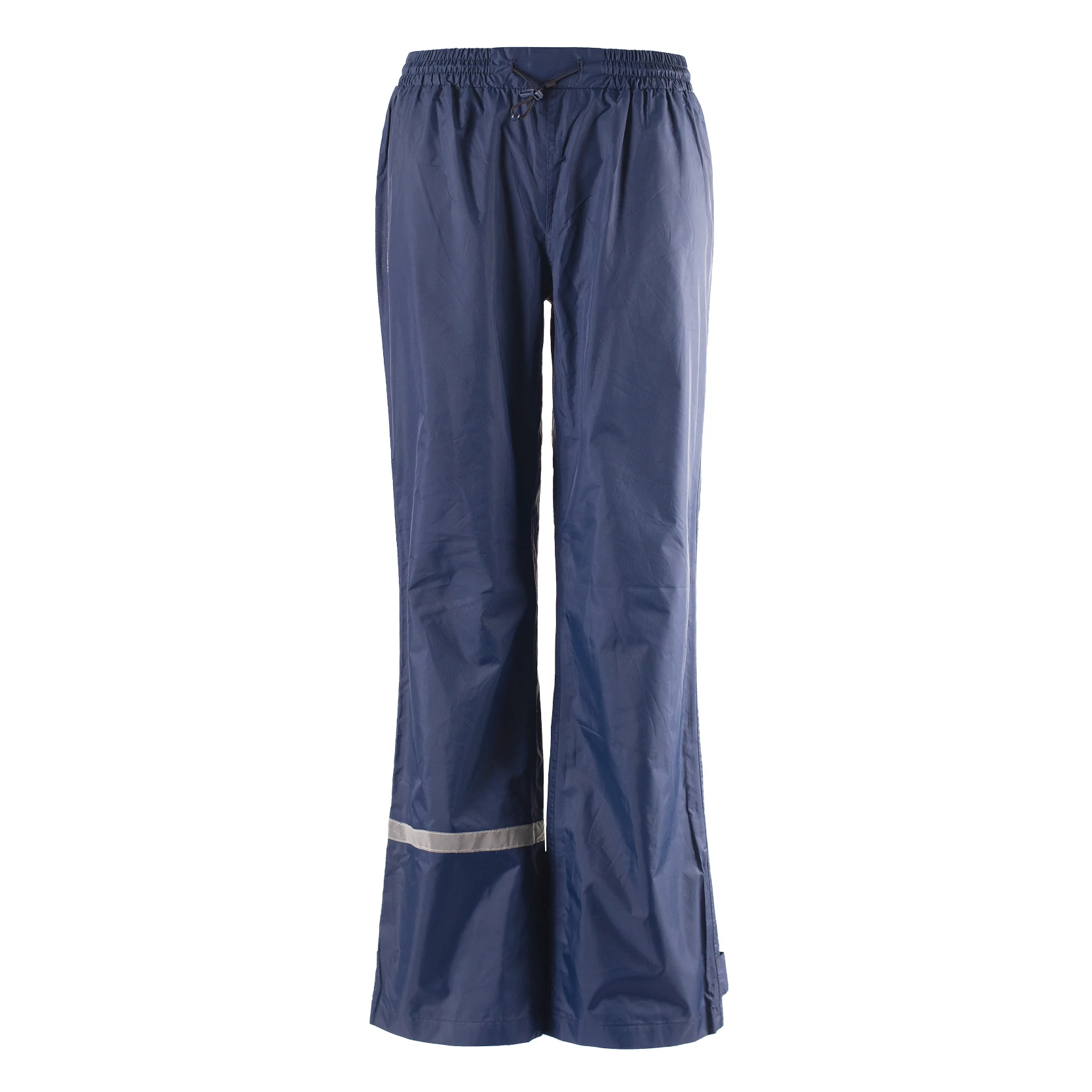
Simply put, lightweight construction pants are work trousers made with advanced fabrics and designs that prioritize weight reduction without compromising protection and durability. While they might look like normal pants, they often employ fabrics such as ripstop polyester blends, reinforced knees, and multi-pocket layouts optimized for work tools.
In a humanitarian context, they even support aid workers operating in challenging environments—think disaster zones where agility and quick reaction time count.
Core Components of Lightweight Construction Pants
Durability
These pants must withstand sharp edges, rough surfaces, and constant movement. Advanced weave patterns and reinforced stitching are common. The durability means fewer replacements and less waste.
Breathability and Moisture Wicking
Worksites often get hot, dusty, and sweaty. Materials that breathe well and wick moisture away help keep wearers cooler and reduce skin irritation.
Ergonomic Fit and Mobility
Extra gussets in the crotch, articulated knees, and stretch panels improve range of motion. Workers can squat, climb, or crawl without feeling restricted.
Safety Features
Reflective strips, flame-resistant fabrics, and strategically placed padding provide protection against workplace hazards.
Cost Efficiency
Though the upfront price might be higher than traditional pants, durability and comfort translate to savings via reduced sick days and replacements.
| Feature | Specification |
|---|---|
| Material | 65% ripstop polyester / 35% cotton blend |
| Weight | 280 grams per square meter |
| Knee Reinforcement | Double-layer ripstop fabric with optional padding |
| Pockets | 6 utilitarian pockets including hammer loop |
| Safety Features | Reflective trim and fire retardant treatment |
Global Applications & Use Cases
Lightweight construction pants find their role in diverse environments. In the Gulf region, where summer temperatures regularly surpass 45°C, the demand for breathable and light gear is critical. Firms working on large infrastructure projects there have adopted these pants to reduce heat stress issues.
In remote mining camps of Australia and Canada, these pants offer tough protection against rugged terrain, while supporting long workdays with comfort. Likewise, in humanitarian relief zones, NGOs choose them for aid workers who must move swiftly between risky sites.
This cross-sector appeal shows how adaptable and vital these pants are, whether for industrial labor, emergency response, or even light manufacturing.
Vendor Comparison: Popular Lightweight Work Pant Brands
| Brand | Price Range | Key Features | Ideal Use Case |
|---|---|---|---|
| WorkGear Pro | $60 - $80 | Ripstop tech, moisture-wicking, flame retardant | Heavy industrial and welding sites |
| FlexFabric | $45 - $65 | Stretch panels for mobility, lightweight cotton blend | General construction and maintenance |
| EcoBuilders Wear | $70 - $90 | Sustainable fabrics, recycled fibers, reinforced seams | Eco-conscious sites and humanitarian aid |
Advantages & Long-Term Value of Lightweight Construction Pants
- Reduced Fatigue: Less weight means workers feel less tired by day’s end.
- Improved Safety: Better mobility cuts risks of slips and trips.
- Environmental Benefits: Durable fabrics reduce waste and support sustainability efforts.
- Cost Savings: Longer-lasting products lower replacement cycles.
And frankly, there’s also a morale factor—wearing gear that moves with you can instill a quiet confidence on the site. It’s like your clothing doesn’t hold you back, which kind of matters when your day includes climbing scaffolds or crawling under machinery.
Future Trends & Innovations
Looking ahead, lightweight pants are evolving thanks to innovations like bio-based fibers, nanotechnology coatings for water and stain resistance, and integration with wearable tech to monitor worker vitals in real time. Sustainability remains a hot topic, with brands increasingly adopting recycled materials certified by ISO 14001 standards.
Moreover, digital transformation is pushing factories to customize pants based on individual measurement data — kind of like bespoke suits but for the construction site.
Challenges & Solutions in Lightweight Construction Pants
Of course, not all is perfect. Some users report durability issues in extreme heavy-duty environments. Also, flame retardant treatments can sometimes compromise breathability, creating a tricky balance. To overcome this, manufacturers are experimenting with layered materials and new fabric technologies balancing protection with comfort.
Another challenge is cost accessibility — premium lightweight pants may not be affordable for smaller contractors or informal labor markets. Programs offering subsidies or bulk purchasing can help bridge that gap.
FAQs About Lightweight Construction Pants
- Q: Are lightweight construction pants as protective as traditional heavy-duty pants?
A: Yes, many are engineered with reinforced panels and flame-resistant materials that meet or exceed safety standards, while being lighter and more breathable. - Q: Can these pants be used in cold or wet environments?
A: Absolutely. Many designs incorporate water-resistant coatings and layering options to adapt to colder climates without sacrificing mobility. - Q: How do I know the right size and fit?
A: Look for brands offering ergonomic cuts and adjustable waists. Some even provide size guides with detailed measurements, or digital fitting tools online. - Q: Are sustainable fabric options available?
A: Yes, brands like EcoBuilders Wear specialize in recycled and eco-friendly textiles certified by ISO standards, enabling more sustainable procurement. - Q: Can I find lightweight construction pants suitable for women?
A: Increasingly, yes. Many manufacturers now offer gender-specific cuts and styles focused on comfort and fit for all workers.
Conclusion: Invest in Comfort, Safety, and Productivity
For anyone involved in construction or related fields, lightweight construction pants aren’t just a product choice — they’re a strategic asset. They increase comfort, reduce injury risk, and promote sustainability. If you want gear that truly supports your workforce or your personal craft, lightweight pants deserve a spot in your gear list.
Explore a wide range of options, including specs, pricing, and styles, at lightweight construction pants. It’s where innovation meets real-world needs.
Mini takeaway: Lightweight construction pants improve comfort and safety worldwide—making hard jobs just a little easier and greener.
- World Bank. “Construction Sector Overview.” worldbank.org
- International Labour Organization. “Heat Stress and Work Capacity.” ilo.org
- ISO Standards. “ISO 14001 Environmental Management.” iso.org