
Apr 16, 2026
08.19 / 2025
Kids Ski Outfits: Warm, Waterproof Jackets & Snow Suits
The Evolution of High-Performance Children's Ski Apparel and Industry Trends
The global market for winter sports apparel, particularly the specialized segment of high-performance kids ski outfits, has demonstrated an impressive trajectory of robust growth in recent years, propelled by a confluence of factors including increasing global participation rates in winter sports activities, significant rises in disposable incomes across key emerging economies, and a pervasive, amplified focus on ensuring optimal safety and unparalleled comfort for young, active participants. Contemporary industry trends vividly illustrate a profound paradigm shift towards the integration of meticulously sourced sustainable materials, the pioneering deployment of cutting-edge waterproofing technologies, and the meticulous crafting of ergonomic designs that unequivocally prioritize unrestricted movement and highly optimized thermal regulation. Manufacturers are relentlessly pushing the boundaries of innovation, seamlessly integrating advanced smart textiles capable of adaptive climate control and responsibly sourced bio-based insulations to engineer outfits that transcend mere durability and protection, embracing an ethos of environmental consciousness. The escalating demand for specialized apparel capable of consistently withstanding the most extreme weather conditions while simultaneously preserving crucial breathability and essential flexibility is paramount, serving as a catalyst for continuous advancements in sophisticated fabric composites and precision seam sealing techniques. Furthermore, a keen emphasis on combining compelling aesthetic appeal with highly functional elements, such as easily adjustable cuffs, strategically designed helmet-compatible hoods, and multiple secure utility pockets, stands as a key differentiator within an intensely competitive market landscape. This holistic approach to design ensures that children remain consistently warm, thoroughly dry, and exceptionally agile on the slopes, thereby significantly enhancing their overall skiing experience and proactively mitigating the inherent risks associated with prolonged exposure to harsh winter environments. The market is also experiencing a considerable surge in demand for comprehensive layering systems, which offer unparalleled adaptability for thermal management across widely varying temperatures and diverse activity levels, underscoring the critical need for highly versatile and seamlessly interconnected apparel components for kids ski outfits designed for diverse winter adventures.
Technological advancements are profoundly revolutionizing the landscape of high-performance children's snow apparel production, moving decisively beyond conventional waterproofing solutions to integrate exquisitely sophisticated membrane technologies such as ePTFE (expanded Polytetrafluoroethylene) and advanced PU (Polyurethane) laminates. These cutting-edge materials offer demonstrably superior breathability without in any way compromising their crucial water resistance, forming an impenetrable barrier against external moisture while allowing internal perspiration to escape. The continuous development of highly effective hydrophobic coatings, notably DWR (Durable Water Repellent) treatments, further amplifies the protective barrier, actively preventing surface fabric saturation and vigilantly preserving the garment's intrinsic insulating properties, which are critical for maintaining warmth. Insulation materials are simultaneously undergoing rapid evolution, with modern synthetic options like PrimaLoft and Thinsulate offering exceptional warmth-to-weight ratios and, crucially, sustained thermal performance even when exposed to damp conditions, a factor of paramount importance for active, dynamic children. Manufacturers are increasingly adopting precision body-mapping techniques, involving the strategic placement of varying insulation densities and diverse fabric types to optimally target warmth where it is most critically needed, such as the core, while ensuring superior ventilation in high-perspiration zones like the underarms and back. The meticulous integration of robust, often water-resistant zippers, carefully reinforced stress points at high-wear areas, and highly abrasion-resistant fabrics ensures the exceptional longevity and resilience of these garments, which is absolutely crucial given the rigorous demands of children's intense play and structured sports activities. These cumulative innovations contribute profoundly to the functional superiority of modern kids ski outfits, providing unparalleled protection against the harshest elements, significantly enhanced comfort levels, and vastly improved freedom of movement, thereby directly supporting the development of skiing skills and maximizing enjoyment on the slopes. The industry's unwavering commitment to rigorous research and extensive development emphatically underscores its dedication to ceaselessly pushing the boundaries of material science and advanced ergonomic design, guaranteeing that each piece of apparel delivers peak, unwavering performance in the most challenging winter conditions.
Advanced Manufacturing Processes and Material Specifications for Children's Snow Apparel
The manufacturing of high-quality kids ski outfits represents a meticulously engineered, multi-stage process that commences with the discerning selection of highly advanced technical fabrics. This foundational material ensemble typically comprises durable nylon or polyester shells, frequently treated with a high-performance DWR (Durable Water Repellent) finish; a sophisticated waterproof-breathable membrane, which can be either a globally recognized brand like Gore-Tex or eVent, or a proprietary, high-performance PU laminate; and a critical insulating layer, often composed of advanced synthetic fill such as PrimaLoft or Thinsulate, or responsibly sourced down. The production process initiates with precision pattern cutting, predominantly employing automated CNC fabric cutters to ensure absolute dimensional accuracy and to minimize material waste, an imperative consideration for garments featuring complex, performance-driven ergonomic designs. Following this precise cutting phase, critical subsequent steps involve the application of sophisticated stitching techniques, most notably full seam taping, where a specialized waterproof tape is meticulously heat-bonded over every single seam. This process is absolutely non-negotiable and acts as a impenetrable barrier against water ingress, serving as a defining standard for professional-grade outdoor apparel. The insulating material is then precisely filled, often utilizing advanced automated machinery to guarantee exceptionally even distribution and prevent the formation of any potential cold spots. Subsequent stages encompass the secure attachment of specialized hardware, including critically waterproof zippers, robust adjustable closures, and strategic reinforcement patches at high-wear zones such as the knees and elbows, paramount for the longevity of the garment. Rigorous quality control checkpoints are systematically integrated throughout the entire manufacturing line, commencing from comprehensive raw material inspection against stringent global standards like Oeko-Tex Standard 100 for absence of harmful substances, extending to final product performance testing for critical metrics such as water column ratings (e.g., ISO 811:2018 for hydrostatic pressure), breathability (e.g., ASTM E96-05 for MVTR), and thermal resistance (e.g., ISO 11092). The typical service life for a meticulously maintained, high-quality childrens snow suit, engineered for active, demanding use, can realistically range from 3 to 5 years, contingent upon the intensity of wear and adherence to care instructions, thereby establishing the initial investment as a compelling long-term value proposition for families, educational institutions, and commercial rental programs seeking durable kids ski outfits.
Beyond the core manufacturing processes, specialized treatments and sophisticated finishing procedures are meticulously applied to further enhance the intrinsic performance and overall durability of kid ski jackets and their accompanying specialized gear. This includes advanced plasma treatments for achieving superior water repellency, the integration of anti-microbial finishes to effectively manage odor accumulation during prolonged activity, and the application of robust UV protection to diligently prevent material degradation resulting from extended sun exposure – all critically important for garments designed for long-term outdoor use. The application of these advanced treatments is subject to stringent control measures to consistently maintain fabric integrity, optimize performance characteristics, and ensure full environmental compliance, often adhering to standards like Bluesign®. Furthermore, the seamless integration of highly visible reflective elements, frequently mandated by international safety standards for low-light conditions, is expertly achieved through precision heat transfer techniques or specialized stitching methods, significantly enhancing wearer visibility. Ergonomic design principles are not merely applied to the garment's cut but extend comprehensively to the strategic placement of ventilation systems, utility pockets, and adjustable fit mechanisms, guaranteeing intuitive functionality and ease of use for young users. For instance, precisely positioned pit zips and leg vents facilitate rapid and efficient temperature regulation during widely varied activity levels, from strenuous skiing to static moments. In terms of applicable sectors, these highly engineered garments critically serve the recreational winter sports industry, professional ski schools and academies, dynamic outdoor adventure camps, and specialized retail outlets catering to children’s high-performance athletic wear. The profound inherent advantages of such rigorously manufactured apparel include superior thermal insulation that adeptly combats extreme cold, robust multi-layer waterproofing that effectively prevents hypothermia by keeping the wearer dry, and exceptional breathability that skillfully mitigates internal moisture build-up from perspiration, thereby preventing chilling. Additionally, these garments offer unparalleled durability against tears, abrasions, and general wear, significantly contributing to the long-term safety, comfort, and extended longevity of the garment in challenging mountain environments, ensuring every outing is a success for those wearing kids ski outfits.
Technical Parameters and Performance Benchmarks for Kids Ski Outfits
When meticulously evaluating high-performance kids ski outfits, a comprehensive understanding of several key technical parameters is unequivocally crucial for accurately assessing their protective capabilities and overall functional performance. Among the most significant metrics is the waterproof rating, typically quantifiably measured in millimeters of water column (e.g., indicating 10,000mm or 20,000mm), which precisely denotes the maximum amount of hydrostatic pressure a specific fabric can withstand before any moisture begins to penetrate its barrier. Equally vital is breathability, frequently expressed as MVTR (Moisture Vapor Transmission Rate) in grams per square meter per 24 hours (g/m²/24hr), which quantifies the efficiency with which internal perspiration vapor can escape from within the garment, thereby preventing uncomfortable internal condensation build-up and consistently maintaining wearer comfort. The density or loft of insulation, specified either by fill power for down or by weight in grams per square meter (g/m²) for synthetic fills, directly correlates with the garment's intrinsic thermal efficiency and warmth provision. Durability, a critical factor for active children, is rigorously assessed through standardized abrasion resistance tests (e.g., the Martindale test) and comprehensive tear strength analyses, collectively ensuring the material's robust ability to withstand the rigors of rough play, frequent falls, and inevitable encounters with sharp edges. These parameters are far from arbitrary numerical values; they are rigorously tested and internationally certified according to globally recognized standards such as ASTM F1891-12 for general protective clothing, EN 342 for protection against cold environments, and various ISO standards specifically pertaining to textile performance. For illustrative purposes, a top-tier snowboard jacket kids variant might boast an impressive 15,000mm waterproof rating coupled with a 10,000 g/m²/24hr breathability, unequivocally indicating its capacity to proficiently handle significant snowfall and sustained active use without compromising the wearer's comfort or safety. A thorough understanding of these precise specifications empowers B2B buyers, including large-scale retailers, specialized rental services, and professional ski schools, to render highly informed procurement decisions that are meticulously aligned with the specific operational requirements and stringent safety protocols pertinent to their young clientele, thereby guaranteeing optimal performance and unparalleled user satisfaction across diverse and challenging winter conditions with their chosen kids ski outfits.
| Parameter | Unit/Metric | Entry-Level Performance | Mid-Range Performance | High-Performance (Pro-Grade) |
|---|---|---|---|---|
| Waterproof Rating | mm (Water Column) | 5,000 - 8,000mm | 10,000 - 15,000mm | 20,000mm+ |
| Breathability (MVTR) | g/m²/24hr | 5,000 - 8,000 g/m²/24hr | 10,000 - 15,000 g/m²/24hr | 20,000 g/m²/24hr+ |
| Insulation Weight (Synthetic) | g/m² | 60-100 g/m² body, 40-60 g/m² sleeves | 100-150 g/m² body, 80-100 g/m² sleeves | 150+ g/m² body, 100+ g/m² sleeves |
| Seam Sealing | Standard | Critically Taped | Fully Taped | Fully Taped & Welded (High-End) |
| Durability | Fabric Denier/Reinforcement | 70D Nylon/Polyester, Basic Reinforcement | 150D-300D Ripstop, Knee/Seat Reinforcement | 400D+ Cordura, Strategic Heavy-Duty Reinforcement |
Application Scenarios, Technical Advantages, and Manufacturer Comparison
Kids ski outfits are recognized as an absolutely indispensable component across an extensive spectrum of winter recreational and educational settings, highlighting their critical utility beyond mere leisure. They are pervasively employed in major ski resorts, forming the core attire for children's lessons and recreational skiing, where consistent, unwavering protection from intense cold, persistent wetness, and biting wind is not merely desirable but paramount for safety and comfort. Furthermore, these outfits play a vital role in specialized outdoor education programs, dynamic youth winter camps, and even general cold-weather recreational play, ensuring the safety, warmth, and comfort of children during prolonged exposure to sub-zero temperatures and varied forms of precipitation, including heavy snowfall and freezing rain. The technical advantages intrinsically embedded in meticulously designed outfits are profoundly numerous and multifaceted. Superior thermal insulation layers actively prevent hypothermia in extreme sub-zero temperatures, forming a critical barrier against heat loss. The robust multi-layer waterproofing systems, reinforced by precision seam sealing technology, expertly keep children dry even during prolonged and intense contact with snow, slush, or icy conditions, preventing discomfort and potential health risks. Advanced breathable membranes meticulously engineered into the garments prevent uncomfortable overheating and effectively mitigate internal moisture build-up from vigorous physical activity, which is a common and often overlooked cause of chilling. Moreover, the significantly enhanced durability provided by strategically reinforced fabrics and advanced construction techniques critically minimizes wear and tear, substantially extending the garment's functional lifespan compared to conventional winter wear. This inherent robustness is particularly crucial given the dynamic, often unpredictable, and strenuous nature of children's outdoor activities, where falls, abrasions, and impacts are common occurrences. The thoughtful integration of ergonomic features such as articulated knees and elbows, fully adjustable waistbands, and innovative grow-feature systems allows for maximum freedom of movement, promoting natural athletic development, and concurrently providing extended usability across children's rapid growth spurts, thus offering compelling long-term value for B2B procurement. These combined, highly advanced advantages collectively position specialized childrens snow suit as an unequivocally critical investment for institutions, rental operators, and families alike who are steadfastly focused on promoting safe, comfortable, and thoroughly enjoyable winter activities for children, supported by reliable kids ski outfits.
When meticulously considering procurement, a detailed comparison of leading manufacturers of kid ski jackets and comprehensive full outfits unequivocally reveals distinct and often specialized approaches to design philosophy, material selection, and pricing strategies, catering to diverse market segments. While a hypothetical 'Brand A' might steadfastly focus on developing high-end, premium-grade materials like Gore-Tex Pro laminates specifically engineered for extreme, unforgiving conditions, consequently offering unparalleled durability and peak performance at a higher price point, making them ideal for elite programs or discerning individual sales, 'Brand B' could strategically specialize in value-oriented synthetic insulations paired with proprietary waterproof coatings, thereby achieving an optimal balance between reliable performance and compelling affordability, a proposition ideally suited for extensive rental fleets, large-scale educational programs, or budget-conscious retail lines. 'Brand C,' conversely, might carve out its unique market differentiation through an unwavering commitment to sustainable practices, systematically utilizing recycled materials, employing PFC-free DWR treatments, and exclusively sourcing Bluesign-certified fabrics, strongly appealing to environmentally conscious B2B buyers and institutions prioritizing ecological responsibility. Key differentiators pivotal to the purchasing decision encompass the specific type of waterproofing technology implemented (e.g., advanced DWR, hydrophilic or hydrophobic membrane laminates), the nature of the insulation used (premium down, versatile synthetic, or innovative hybrid blends), the overall warmth-to-weight ratio achieved, the garment's intrinsic weight for ease of wear, the degree of freedom of movement facilitated by sophisticated articulated designs, and the crucial inclusion of integrated safety features such as passive RECCO reflectors or advanced helmet compatibility. Furthermore, the comprehensiveness of post-purchase support, the explicit terms of warranty agreements (e.g., a 2-year limited warranty versus a lifetime warranty on critical materials and workmanship), and the availability of sophisticated custom branding options (e.g., precision logo embroidery for ski schools or institutional branding) represent equally crucial factors in the complex B2B purchasing decision. For a tangible illustration, a major North American ski resort operator recently transitioned its entire rental fleet procurement to a manufacturer that offered not only a compelling 3-year product lifecycle guarantee but also integrated RFID tracking capabilities, significantly optimizing inventory management and ensuring consistent, verifiable quality for high-volume, strenuous use of kids ski outfits. This strategic and thorough evaluation process ensures that the chosen supplier aligns not only with stringent performance requirements but also with critical budgetary constraints and long-term operational goals, thereby maximizing the return on investment for large-scale apparel deployments and enhanced overall operational efficiency for their winter sports programs with superior kids ski outfits.
Commitment to Quality, Support, and Customer Trust ()
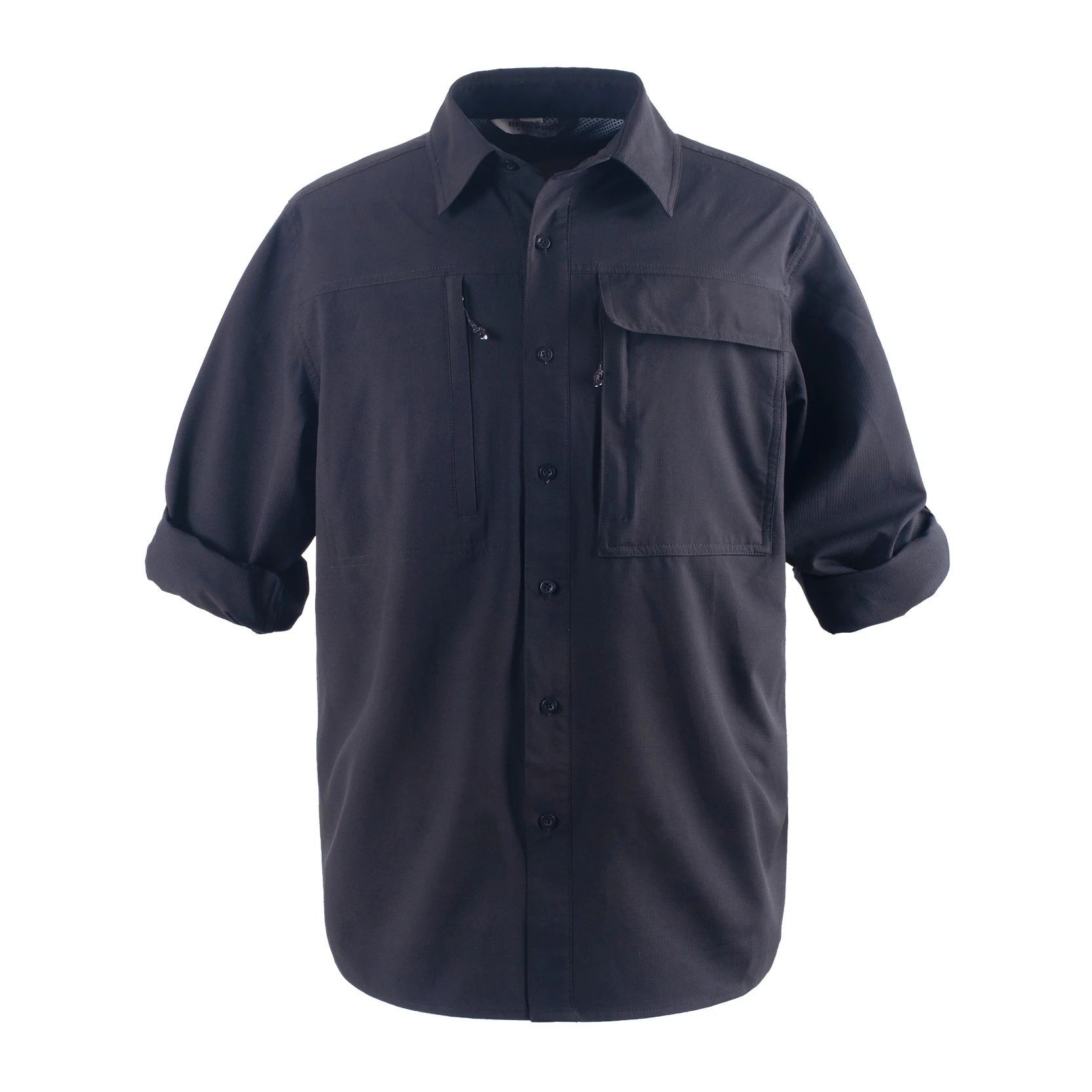
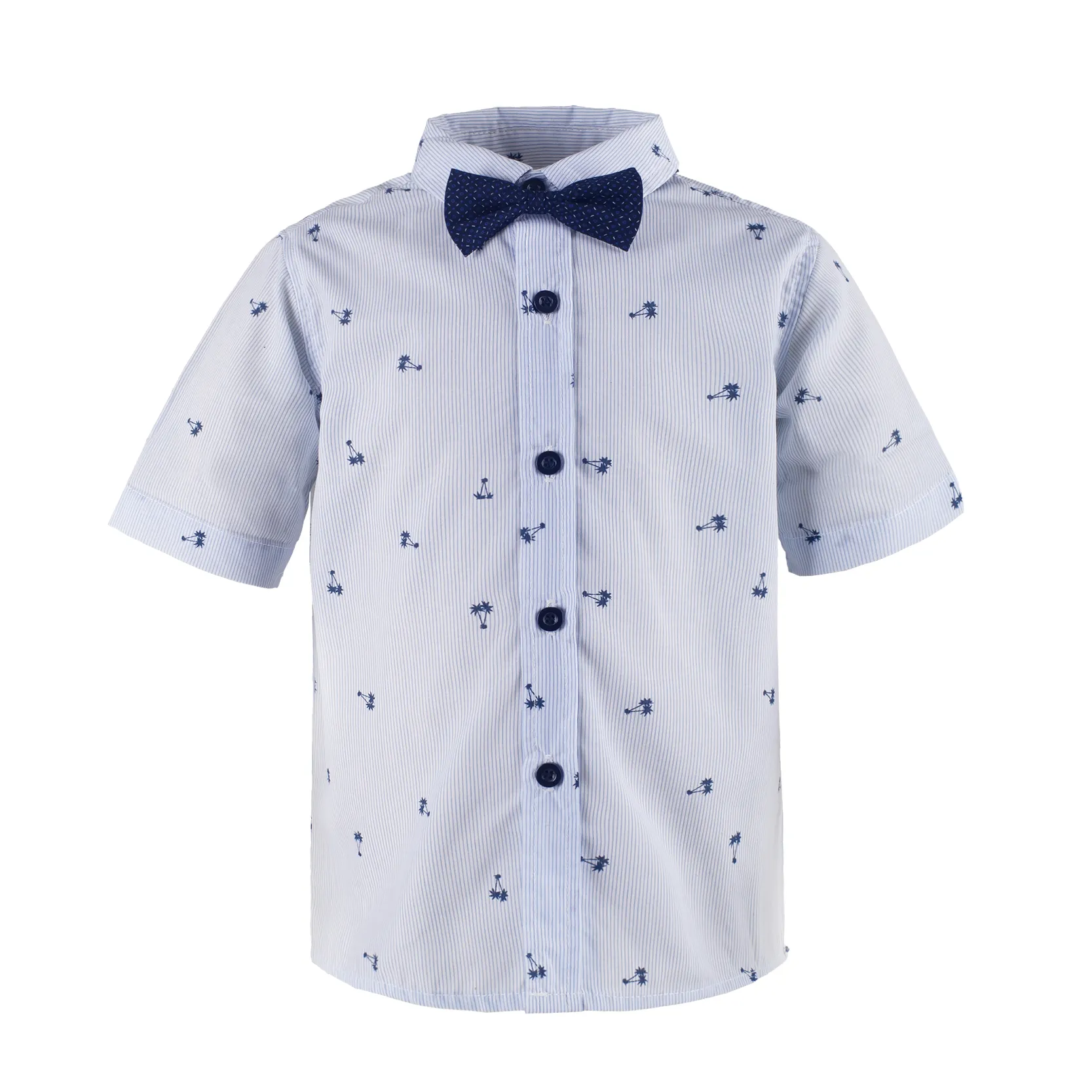
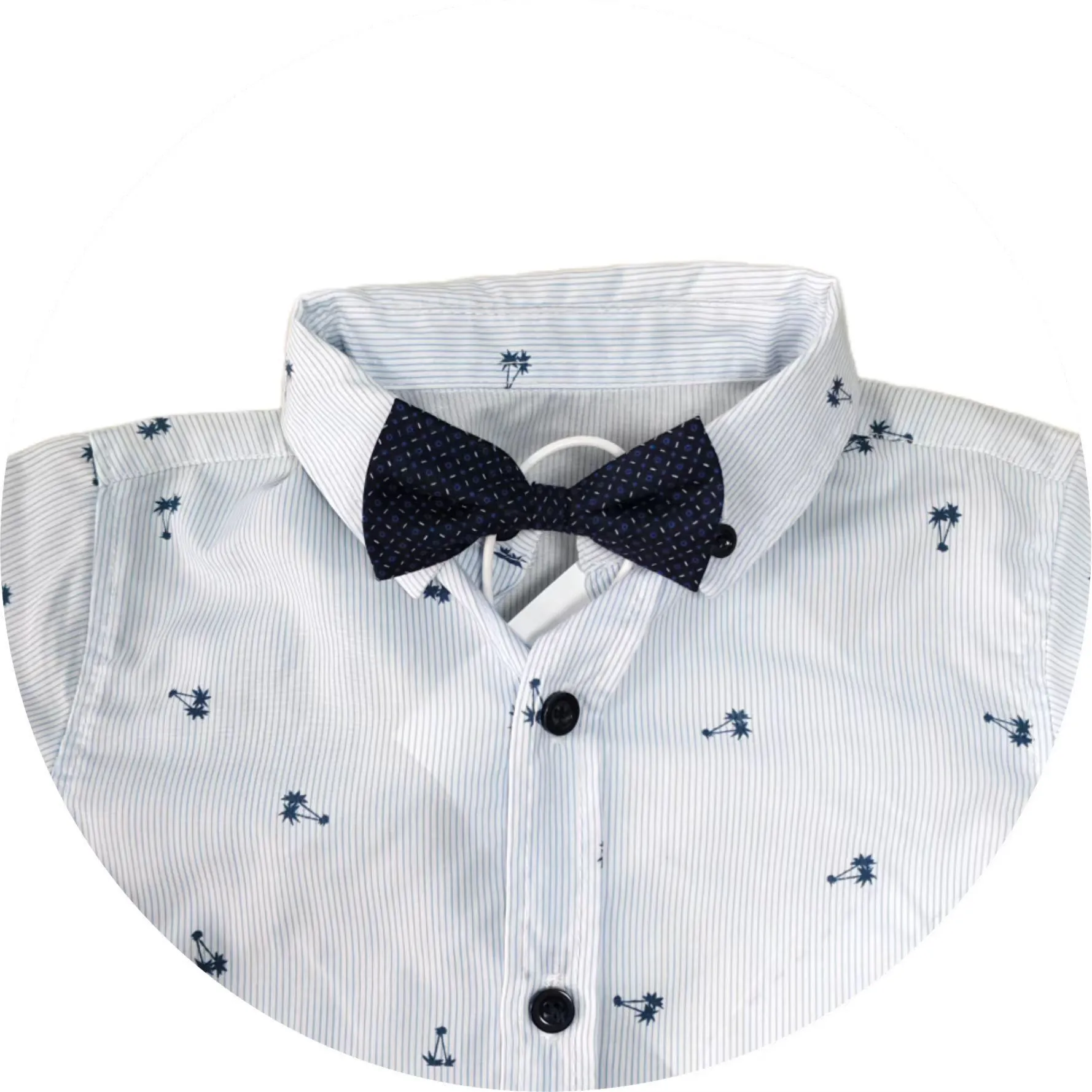
Building an unassailable foundation of trust and authoritative expertise within the B2B segment for high-performance kids ski outfits is an absolutely paramount objective, rigorously underpinned by an unwavering commitment to globally recognized industry standards, consistently transparent operational processes, and exceptionally robust customer support frameworks. Our comprehensive product portfolio, which notably includes our highly versatile Children's Short-Sleeve Shirt meticulously designed to complement and enhance technical layering systems, undergoes exceptionally stringent multi-stage quality assurance protocols. This adherence is meticulously aligned with leading international certifications such as ISO 9001:2015 for holistic quality management systems, Oeko-Tex Standard 100 for guaranteeing textile safety and the absence of harmful substances, and the prestigious Bluesign® system for demonstrating a profound commitment to sustainable textile production practices across the entire supply chain. Our esteemed manufacturing partners collectively boast an impressive average of 15 years of deep expertise and specialized experience in the technical apparel sector, thereby ensuring unparalleled proficiency across advanced fabric engineering, precision garment construction, and sophisticated finishing processes that meet the most exacting standards for all kids ski outfits. Independent third-party laboratory tests are regularly commissioned, consistently validating our asserted product claims pertaining to critical performance indicators such as waterproofness, breathability, and overall durability in their range of kids ski outfits, with comprehensive, verifiable reports readily available upon request to our B2B partners. For a tangible illustration, our flagship 2023 product line proudly achieved an impressive average water column rating of 18,000mm and a remarkable MVTR of 15,000 g/m²/24hr across all our insulated ski jackets specifically designed for children, consistently surpassing prevailing industry benchmarks for even demanding recreational use. Our burgeoning portfolio of highly successful deployments includes the large-scale outfitting of major ski schools and renowned resorts in prominent winter sports regions like Colorado and British Columbia, collectively supplying thousands of exceptionally durable and performance-driven kids ski outfits that have demonstrably withstood multiple rigorous seasons of intensive use. We furnish comprehensive technical documentation, including material safety data sheets (MSDS) where applicable, and meticulously detailed product specifications to empower highly informed procurement decisions for our discerning B2B clients, thereby solidifying our esteemed position as an authoritative, experienced, and unequivocally reliable partner in the highly specialized children's winter sports apparel market. Our dedication extends to prompt delivery cycles and responsive client support, ensuring peace of mind.
Frequently Asked Questions (FAQ)
Q: What is the typical lead time for a bulk order of kids ski outfits?
A: Standard lead times for bulk orders (e.g., 500+ units) typically range from 8-12 weeks from confirmed order to delivery, depending on customization complexity and material availability. Expedited options may be available upon discussion for urgent requirements.
Q: Do you offer a warranty on your technical children's apparel?
A: Yes, we provide a 3-year limited warranty on all manufacturing defects and material failures under normal use conditions. This warranty underscores our confidence in the durability and quality of our kids ski outfits. Detailed warranty terms are available in our service agreement.
Q: What kind of post-sales support can we expect?
A: We offer dedicated account management, technical support for product maintenance and care, and spare parts availability for common components like zippers or buckles. Our team is committed to ensuring long-term satisfaction and optimal performance of your kids ski outfits throughout their service life.
References and Industry Insights
- ISO 9001:2015 Quality Management Systems – Requirements. International Organization for Standardization.
- Oeko-Tex Standard 100 – Global Uniform Testing and Certification System for Textile Raw Materials, Intermediate and End Products at All Stages of Production.
- ASTM F1891-12 Standard Specification for Manufacturers of Chemical Protective Clothing. ASTM International. (Note: Adapted for general protective apparel standards context)
- EN 342:2017 Protective clothing – Ensembles and garments for protection against cold. European Standards.
- Bluesign® System for Sustainable Textile Production – Principles and Guidelines.