
Apr 16, 2026
11.27 / 2025
Essential Safety Jackets for Construction - Global Standards & Innovations
Why Safety Jackets for Construction Matter Worldwide
If you happen to visit a construction site anywhere in the world, one of the first things that catch your eye — aside from the towering cranes and clanking machinery — are the brightly colored, reflective jackets worn by workers bustling around. These are safety jackets for construction, a seemingly simple piece of gear, yet so crucial that their absence can significantly increase risk and endanger lives.
Globally, construction remains among the most hazardous industries. According to the International Labour Organization (ILO), over 60,000 fatal accidents occur each year worldwide in construction activities. The numbers alone should be enough to underline why understanding the role of safety jackets, their evolution, and impact is essential — not just to workers, but to employers, regulators, and even humanitarian organizations working in high-risk environments.
Let's dig into what makes these jackets so critical, their key features, and how innovation is shaping their future across diverse working conditions.
The Global Context of Safety Jackets for Construction
The rapid pace of urbanization, especially in emerging economies, has skyrocketed demand for infrastructure development. From Asia to Africa, millions of construction workers are active daily in zones ranging from sprawling metro areas to isolated rural projects. This explosion in activity inevitably brings safety challenges.
ISO standards such as ISO 20471 strictly define the requirements for high-visibility clothing, ensuring that garments meet minimum retro-reflective and fluorescent fabric levels for maximum visibility day and night. The World Bank estimates that improved occupational safety measures, including protective clothing, can reduce workplace accidents by up to 50%.
Despite extensive regulations, fatal incidents due to low visibility or operator errors during heavy machinery movement remain a significant problem. Thus, safety jackets play a critical role not only in compliance but in actively preventing injuries and fatalities. They also foster a culture of safety — encouraging workers to prioritize their own well-being.
Takeaway: Safety jackets for construction are not just gear — they’re a frontline defense in a dangerous industry with real global consequences.
What Exactly Are Safety Jackets for Construction?
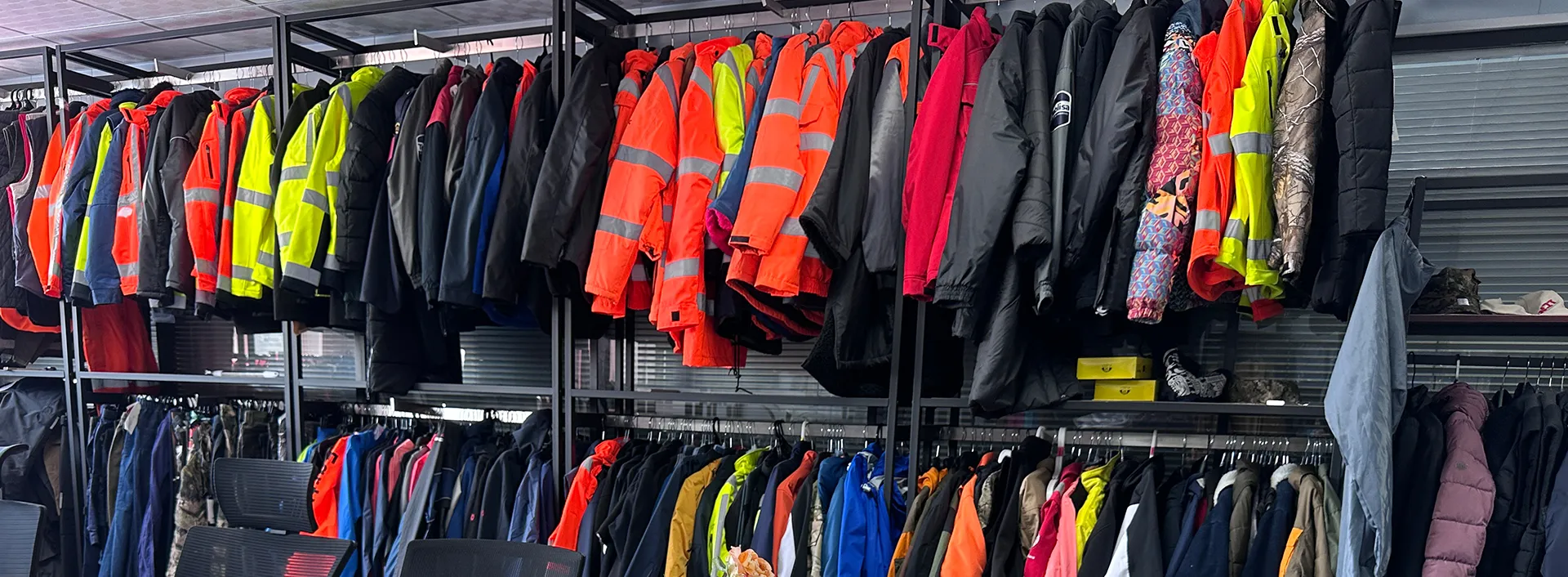
Put simply, safety jackets for construction are high-visibility protective garments designed to enhance a worker’s visibility in a variety of environments. Typically crafted from fluorescent fabrics (neon yellow, orange, or green) combined with reflective strips, their primary function is to make workers stand out amid dust, low light, or complex site layouts.
It’s less about shielding from impact—which helmets and harnesses cover—and more about visual signaling. This visual distinction helps heavy machinery operators spot personnel from afar and prevents accidents.
From an industry perspective, these jackets symbolize a practical intersection between regulatory compliance and on-the-ground human factors. They directly tie into sustainable development goals concerning safe working environments and decent work conditions as championed by the United Nations.
Core Components of Safety Jackets for Construction
1. Durability
Construction zones can be rough. Clothing needs to stand up to abrasion, tearing, and frequent washing. Most safety jackets are made with polyester or polyester blends that offer tensile strength without being too heavy or uncomfortable.
2. Visibility
Fluorescent colors catch the eye during the day, while reflective tapes bounce back light from vehicle headlamps and floodlights at night. ISO 20471 specifies minimum requirements and positioning of these strips to cover various viewing angles.
3. Comfort & Breathability
You don’t want to trap heat in hot climates or cause discomfort during strenuous work. Many jackets incorporate mesh linings or moisture-wicking fabrics, balancing safety with wearability.
4. Weather Resistance
Many jackets are water-resistant or even waterproof, protecting workers from rain or wind while maintaining visibility. Some models also include insulation for colder climates.
5. Customization
It’s common for companies to add logos, badges, or different color schemes for various roles (supervisors, first responders, visitors). This improves communication and site management.
| Feature | Typical Specification | Benefit |
|---|---|---|
| Fabric | 100% Polyester, 150-200 gsm | Durable, lightweight, easy care |
| Reflective Tape | > 0.10 m² total visible area per ISO 20471 | High visibility 360° around worker |
| Closure | Zipper or Velcro front | Easy to don/doff quickly |
| Weatherproofing | Water-resistant coating or membrane | Maintains function in wet conditions |
| Additional features | Pockets, ID holders, ventilation panels | Enhanced utility and comfort |
Mini takeaway: Designers have to juggle visibility, durability, and comfort — a perennial balancing act depending on terrain, weather, and human factors.
How and Where Safety Jackets Are Used Globally
While their use is naturally widespread on typical urban building sites in Europe or North America, the need for safety jackets for construction really spans far beyond. In developing countries, for example, these jackets are crucial in large infrastructure projects funded by multilateral agencies like the World Bank.
Oddly enough, even humanitarian and disaster relief workers often rely on similar high-visibility garments when setting up emergency shelters or rebuilding communities. For example, after the 2010 Haiti earthquake, rescue and rebuilding teams used brightly colored jackets to identify themselves amidst chaotic scenes.
Mining sites in Australia and oil rigs in the North Sea also adopt specialized high-visibility jackets tailored to more extreme environments. The core principle remains — reducing accidents by making workers easier to spot.
Comparing Leading Vendors in Safety Jackets
| Vendor | Price Range (USD) | Material Quality | Customization Options | Global Reach |
|---|---|---|---|---|
| SafeWear Inc. | $20–$40 | High-grade polyester | Logo, color, size | Global |
| BrightGuard Supplies | $15–$30 | Standard-grade polyester | Limited customization | North America, Europe |
| EcoFlex Wear | $25–$45 | Recycled polyester blend | Custom prints, sizes | Global (Sustainability focus) |
The Many Advantages of Safety Jackets in Construction
It might sound obvious, but the most tangible benefit is the reduction of accidents and fatalities. When workers are visible — especially in dim or busy environments — the chances of collisions with vehicles or heavy equipment plummet.
From an organizational standpoint, companies that prioritize providing quality safety jackets witness lower insurance premiums, less downtime due to injury, and a more engaged workforce. Workers tend to feel valued and safer, which boosts morale.
Long-term, using durable, easy-to-maintain jackets cuts replacement costs and often aligns with corporate social responsibility goals. Some brands even emphasize environmentally friendly materials — which is increasingly important as sustainability rises on the corporate agenda.
Safeguarding people isn't just a checkbox; it’s a commitment to preserving dignity, preventing pain, and fostering trust — both within teams and between companies and communities.
Emerging Trends and Innovations in Safety Jackets
Recently, smart textiles and wearable tech have made their way into safety clothing. Jackets with embedded LEDs, GPS locators, or sensors that monitor vital signs are no longer science fiction. This kind of real-time tracking can radically improve emergency response and worker monitoring.
Material science has also advanced. Biodegradable reflective tapes and recycled polyester blends are gaining traction. Seamless designs and enhanced breathability using nanofibers offer better comfort without sacrificing protection.
Finally, with growing emphasis on digital construction management, safety jackets might soon integrate with IoT systems, giving site supervisors instant alerts about worker positions.
Common Challenges and How They’re Overcome
Cost constraints can limit access to high-quality safety jackets, especially in developing regions. Often, poor maintenance or misuse reduces lifespan. Also, worker compliance varies if jackets are uncomfortable or ill-fitting.
Innovative approaches include offering lightweight, climate-specific designs that suit local weather. Education campaigns improve compliance by explaining the benefits clearly. Partnerships between NGOs and manufacturers help subsidize better gear for vulnerable workers.
FAQ: Your Burning Questions Answered
- Q: How do I know if a safety jacket meets safety standards?
- A: Look for certifications such as ISO 20471 or ANSI/ISEA 107. These standards validate the reflective materials, visibility requirements, and garment testing. Always check product documentation or labels.
- Q: Can these jackets be used in extreme weather conditions?
- A: Yes, many jackets come with weatherproof features for cold, rain, or wind. For extreme cold, insulated linings or layering options exist. Always choose a jacket suited to your environmental conditions.
- Q: Is it possible to customize safety jackets with company logos or roles?
- A: Absolutely. Most vendors offer customization options including printed logos, personalized sizing, and color coding to differentiate job functions, which helps with site organization and branding.
- Q: How often should safety jackets be replaced?
- A: Generally, safety jackets should be replaced every 6–12 months or sooner if worn out. Damaged reflective strips or fabric degradation reduce effectiveness, so routine inspections are critical.
- Q: Are there eco-friendly options available?
- A: Yes, some manufacturers specialize in jackets made from recycled fabrics and biodegradable components, offering an environmentally conscious choice without compromising safety.
Wrapping Up: Safety Jackets Are More Than Just High-Visibility Clothing
When it comes down to it, safety jackets for construction protect lives — across continents, industries, and climates. While they may seem like a small part of the enormous construction puzzle, their impact is potentially massive.
If you’re responsible for safety on-site or simply interested in how effective protective gear really works, you’d do well to invest in good quality jackets, understand the latest innovations, and keep an eye on standards evolving worldwide.
For more detailed info, product options, and expert advice, feel free to visit us anytime at safety jackets for construction.
References: