
Apr 16, 2026
11.27 / 2025
Essential Raincoats for Construction Workers: Safety and Comfort Worldwide
Why Raincoats for Construction Workers Matter Globally
Whether it’s the monsoon rains in Southeast Asia or unexpected downpours in European construction sites, raincoats for construction workers are much more than simple weather gear. They’re protective armor against nature’s unpredictability, keeping millions safe while on the job. Globally, with construction activities booming—from urban skyscrapers in China to infrastructure projects in Africa—ensuring workers can perform safely and comfortably in all weather conditions has never been more vital.
Understanding the significance of these specialized raincoats means appreciating their impact on safety, productivity, and even workers' dignity across diverse regions.
Introduction: The Global Context of Construction Rainwear
Did you know that worldwide, the construction sector provides jobs to over 7% of the global workforce (according to the International Labour Organization)? With so many folks exposed to the elements daily, the necessity of reliable rainwear, especially raincoats designed specifically for construction workers, comes sharply into focus.
Rain and slippery conditions are among the leading causes of accidents on construction sites. The ILO estimates that poor weather creates productivity losses upwards of 15-20% during peak storm seasons in many developing countries. Often, this is because workers either continue laboring in wet conditions without adequate gear or have to pause work indefinitely.
So, the core challenge is twofold: to protect these workers physically and to maintain steady progress on time-critical projects.
Defining Raincoats for Construction Workers
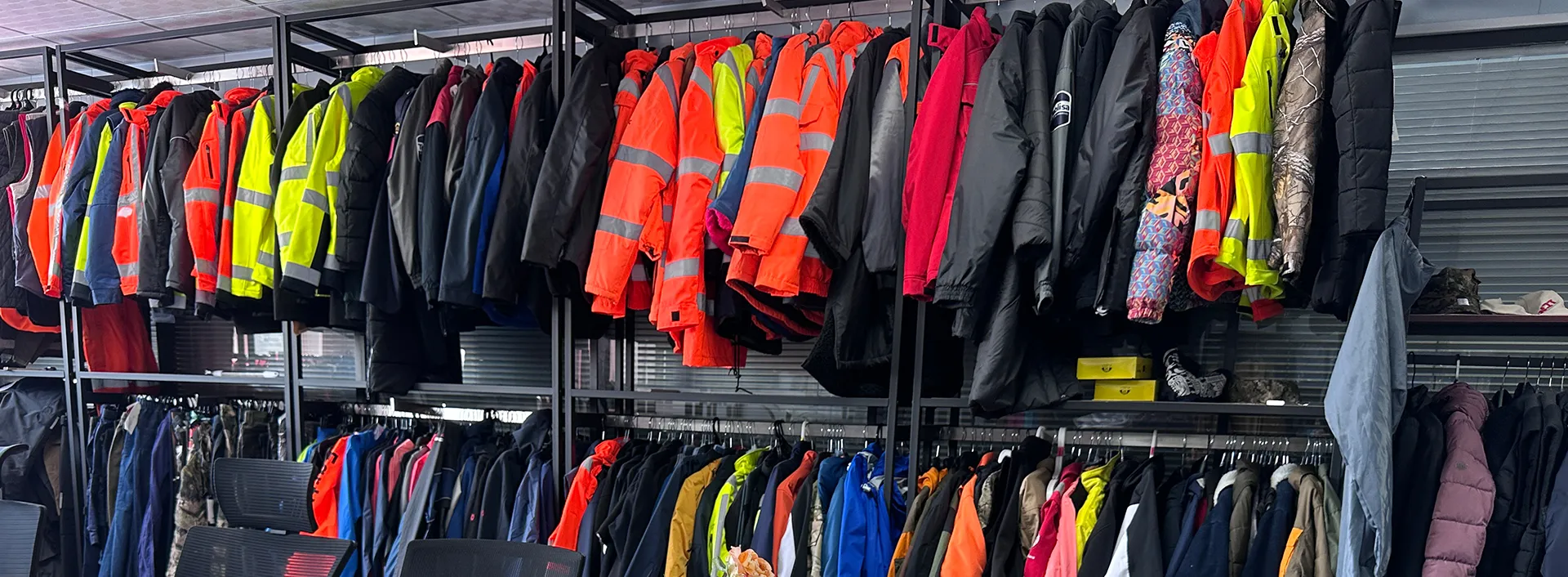
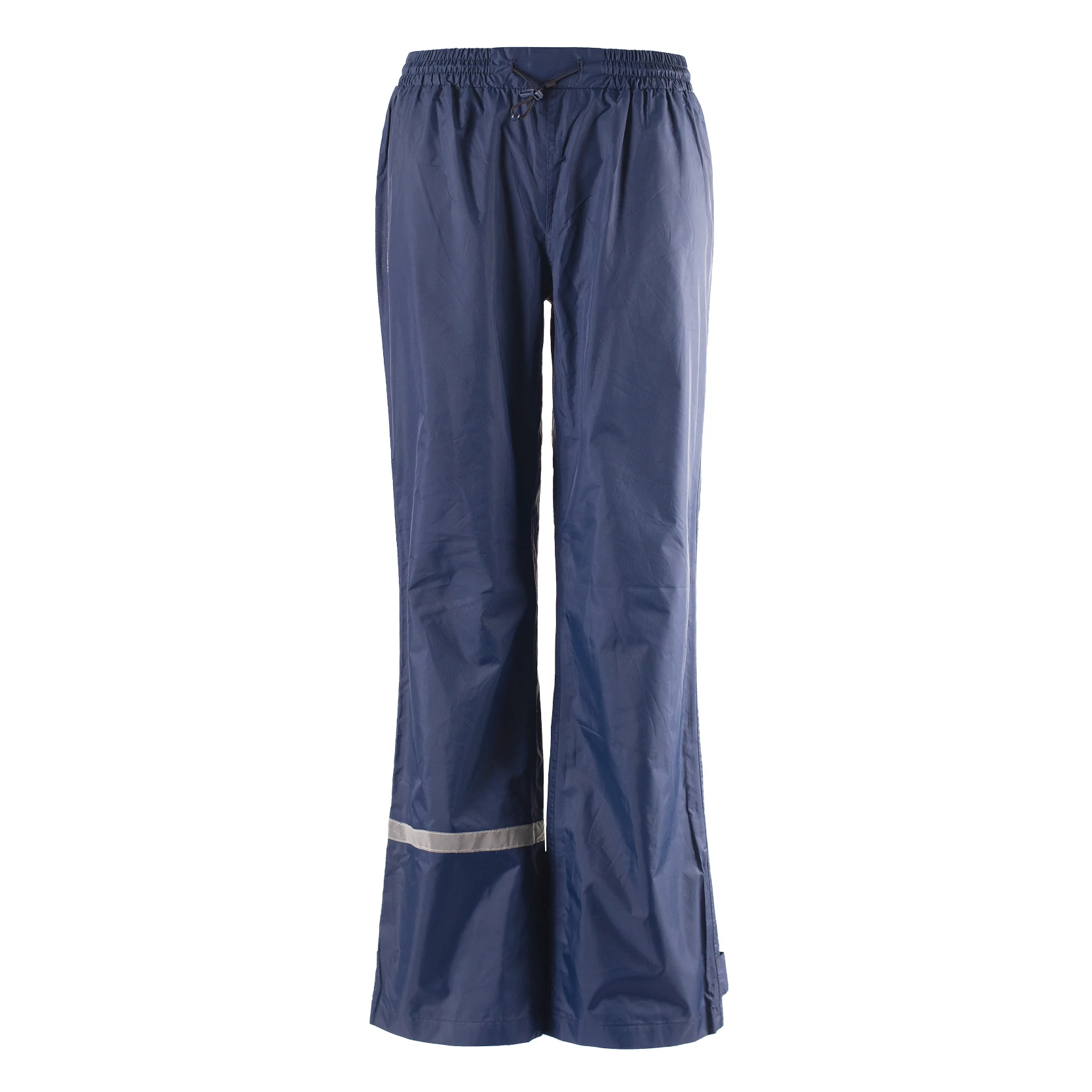
Simply put, raincoats for construction workers are specially engineered waterproof garments designed to withstand harsh weather conditions while meeting the safety demands of construction environments. Unlike standard rain jackets, these are usually made with reflective strips, abrasion-resistant materials, and possess enough durability to function in tough physical work.
They bridge the gap between industrial safety standards and practical weather protection—sometimes literally the last barrier between a worker and a cold, wet hazard.
Core Components That Make These Raincoats Work
Durability
Construction sites are rough terrain. These raincoats typically utilize ripstop nylon or PVC-coated polyester fabrics, which resist tears, punctures, and abrasions throughout the workday.
Waterproof & Breathability Balance
A waterproof layer is obvious, but with physical exertion comes sweat. The best designs use breathable membranes (like microporous films or TPU laminates) to prevent overheating while keeping out rain.
High Visibility Elements
Safety is king on construction grounds. Most raincoats feature reflective strips positioned on sleeves, back, and chest areas to ensure visibility in low-light or foggy conditions.
Ergonomic Fit & Mobility
Heavy rains shouldn’t limit movement. Articulated sleeves, adjustable cuffs, and ventilation flaps are key to offering flexibility without compromising dryness.
Cost Efficiency
While high-quality raincoats might cost more upfront, they tend to reduce downtime and replacement frequency—saving money long-term.
Mini Takeaway: Look for a raincoat that balances rugged durability, weather protection, safety, and comfort. It’s not just fabric; it’s a small but critical investment in workforce wellbeing.
Global Applications & Practical Use Cases
Across continents, raincoats for construction workers find their places in various industries, climates, and situations:
- Urban construction in rainy cities like Mumbai or Seattle: Workers face intense storms and need gear that performs day after day.
- Infrastructure projects in Africa’s rainy seasons: Durable, scalable rainwear supports long-term initiatives in remote zones.
- Post-disaster relief construction: After floods or hurricanes, quick supply of proper raincoats ensures builders remain safe and effective.
- Industrial zones in cold, wet climates: Multipurpose rainwear with thermal layers become vital in places like Northern Europe.
For those curious, you might want to explore quality raincoats for construction workers designed specifically with tough global conditions in mind.
Advantages & Long-Term Value of Quality Raincoats
What’s the payoff in investing in specialized rainwear? Quite a bit, honestly:
- Enhanced Safety: Reflective features and weather protection prevent accidents and hypothermia.
- Improved Productivity: Fewer weather-related stoppages lead to more efficient project timelines.
- Worker Comfort & Morale: Feeling protected encourages focus and trust in employer care.
- Sustainability: Durable gear reduces waste compared to disposable plastic ponchos cluttering sites.
Some might think a raincoat is just a simple jacket, but in real terms, it’s a frontline defense and symbol of respect towards laborers.
Product Specifications at a Glance
| Feature | Typical Specification |
|---|---|
| Material | PVC-coated polyester or ripstop nylon |
| Waterproof Rating | ≥ 5,000 mm H2O |
| Breathability | 5000 g/m² per 24h (MVTR approx.) |
| Visibility Features | Class 2/3 reflective tape per ANSI/ISEA 107 |
| Fastening | Waterproof zippers with storm flaps and adjustable cuffs |
| Weight | 400–600 grams (varies by size) |
How Do Different Vendors Stack Up?
| Vendor | Price Range (USD) | Key Features | Lead Time |
|---|---|---|---|
| SafeGear Inc. | $40–$55 | ANSI certified, heavy-duty PVC, thermal lining optional | |
| ShieldWear | $35–$50 | Breathable membrane, high-visibility tape, ergonomic fit | |
| ConstructPro | $30–$45 | Lightweight, quick-dry fabric, basic reflective elements |
Emerging Trends and Innovations
Innovation in construction raincoats hasn’t stalled. Oddly enough, what started as simple waterproof fabrics has evolved to include:
- Eco-Friendly Materials: Manufacturers are increasingly using recyclable or biodegradable coatings to reduce landfill waste.
- Smart Textiles: Some experimental raincoats integrate sensors to monitor worker temperature or detect moisture ingress.
- Enhanced Reflectivity: New phosphorescent materials glow even without light, adding safety for night shifts.
- Modular Designs: Interchangeable linings allow use across multiple seasons, increasing versatility and lifespan.
Frankly, the future looks bright (and dry) for construction workers globally. Innovations align with digital transformations shaping smart construction sites.
Challenges & Practical Solutions
One recurring issue is balancing true waterproofing with breathability—too sealed, and workers sweat too much; too open, and rain creeps in. Some companies now test prototypes in simulated rain chambers and use microperforated membranes to sort this out.
Another challenge lies in cost. High-end fabrics drive up prices, making adoption difficult in lower-income regions. Bulk procurement programs combined with robust gear-sharing policies have helped address this.
Finally, sizing and fit diversity remain tricky—overly bulky coats can hamper safety. Customizable fits via adjustable straps and zones are increasingly popular.
FAQ: Common Questions About Raincoats for Construction Workers
1. How do I choose the right raincoat for construction work?
Look for durability, waterproof rating above 5,000 mm, breathability, and compliance with safety standards like ANSI/ISEA 107. Reflective strips and ergonomic design make a big difference on-site.
2. Can these raincoats be used year-round?
Many raincoats designed for construction workers come with modular linings or breathable membranes, allowing use in various climates, from monsoons to chilly winters.
3. Are high-visibility raincoats mandatory on all construction sites?
While regulations vary by country, many international safety standards recommend or require high-visibility garments for workers exposed to vehicle traffic or low-light conditions.
4. How long does a quality raincoat last under heavy use?
With proper care, a professional-grade raincoat can last 2–3 years or more even in harsh environments, significantly outperforming disposable or low-end alternatives.
5. Where can I find reliable suppliers?
A few recognized vendors include SafeGear Inc., ShieldWear, and ConstructPro. Bulk buyers should look for certifications and customer reviews to ensure reliability.
Wrapping Up: Protecting Those Who Build Our Future
Raincoats for construction workers represent a small yet crucial piece of the larger puzzle in occupational safety and efficient project execution worldwide. Investing in quality rainwear means fewer accidents, better morale, and ultimately, stronger infrastructure development from city streets to remote communities.
If you want to explore top-grade options that stand up to real-world challenges, feel free to browse our selection and see what's available for your team. After all, if you’re building tomorrow’s world, you deserve to stay dry today.
Mini Reflection: It’s funny how something as simple as a raincoat can embody so much — safety, care, innovation, and respect – all woven tightly together for folks who build from scratch.