
Apr 16, 2026
11.30 / 2025
Essential Guide to Quality Hi Vis Clothing: Safety, Standards & Innovations
Why Quality Hi Vis Clothing Is More Than Just Bright Colors
When you hear “quality hi vis clothing,” most folks picture workers in neon vests flashing on construction sites. But there's more to it — this gear is a lifeline in many settings, a quiet guardian against accidents across the globe. Understanding quality hi vis garments helps industries protect workers, meet strict safety standards, and even enhance dignity in difficult situations. So what really makes these pieces essential worldwide? Let’s dive into the details and see why quality hi vis clothing matters, beyond just the blaze orange and electric yellow.
Global Importance of Quality Hi Vis Clothing
Visibility isn’t just about standing out; it’s literally about survival. According to the International Labour Organization (ILO), workplace accidents cause over 360,000 deaths annually worldwide. Many of these happen in sectors like construction, transport, and emergency services, where workers face dangers from machinery or poor lighting.
Quality hi vis clothing steps in as a crucial defense mechanism, ensuring workers are easily seen in low light, bad weather, or chaotic environments. The global market for high visibility safety apparel is expected to grow steadily — reflecting stronger regulations from organizations like ISO and ANSI, and increasing industrial activity, especially in developing regions.
Nevertheless, challenges remain in achieving truly reliable visibility gear, especially when durability, comfort, and affordability come into play across varying climates and conditions.
Mini takeaway: Quality hi vis clothing is a global safety staple backed by data and regulatory demand — but making it effective isn’t as simple as slapping on fluorescent fabric.
What Does Quality Hi Vis Clothing Really Mean?
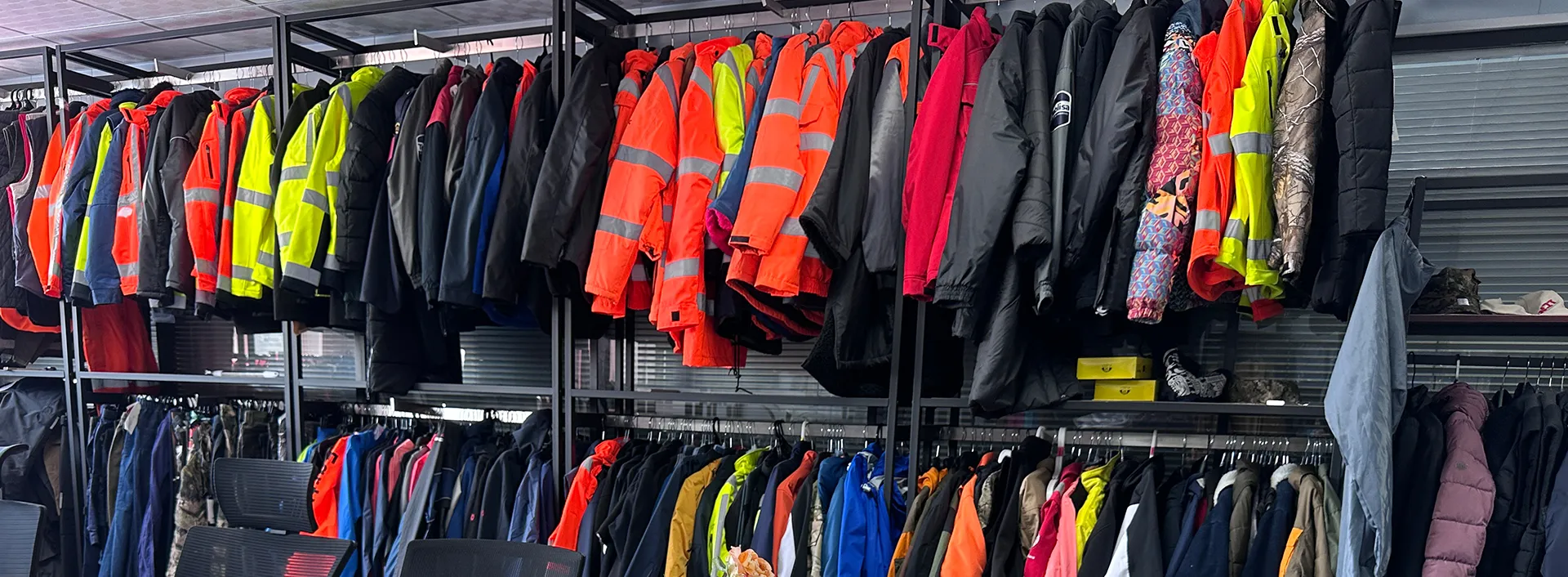
At its core, quality hi vis clothing is apparel designed to make the wearer conspicuously visible against any background. This usually involves fluorescent base colors, reflective strips, and specific fabric specifications that meet international standards such as ISO 20471 or ANSI/ISEA 107.
But it’s more than flashy textiles. Quality means durable, breathable, functional garments that preserve comfort across long shifts and tough environments. It connects to industry needs — construction, logistics, mining — and even humanitarian efforts, like disaster relief workers being seen during night operations or hazardous conditions.
So, the meaning stretches beyond a mere garment: it’s a safety tool, a regulatory compliance product, and a symbol of respect for life and labor.
Key Factors to Look For in Quality Hi Vis Clothing
1. Durability
Hi vis clothing gets battered by weather, abrasion, and repeated washing. Quality gear uses robust fabrics — often polyester blends — that resist tearing and fading while retaining reflective qualities. For example, many manufacturers test their garments through standardized wash cycles to ensure longevity.
2. Visibility Standards
Compliance with ISO 20471 or ANSI standards is crucial. These certifications set minimum reflectivity and fluorescent color levels to guarantee maximum visibility day and night. Not all “hi vis” clothes meet these specs, so buyers should look for official labeling.
3. Comfort & Breathability
Workers exert energy; clothing that stifles can lower productivity and morale. Ventilated fabrics, smart mesh paneling, and moisture-wicking finishes keep users cool. Oddly enough, the most visible clothing can also be restrictive if poorly designed.
4. Fit & Mobility
Something easy to move in makes a real difference, especially for intensive physical jobs. Sizing options and ergonomic cuts help ensure workers maintain their full range of motion without risk of snags or discomfort.
5. Cost-Efficiency
Balancing quality and price is always tricky. Powerful reflective materials can be pricey, but cheaper fabrics wear out faster or fail standards. In real terms, investing upfront often leads to savings because replacements and accident risks drop.
6. Environmental Impact
Increasingly, sustainable materials and eco-friendly processes are influencing the production of high-quality hi vis clothing. Recycled polyester and lower-impact dyes address factory emissions and waste concerns.
Mini takeaway: Quality in hi vis apparel is multidimensional — it’s about protection, comfort, longevity, and even ethics.
Where Quality Hi Vis Clothing Makes a Difference Globally
Its applications span continents and industries:
- Construction: In bustling urban projects from New York to Nairobi, hi vis vests reduce accident risks on busy sites.
- Transportation: Airport ground crews, traffic controllers, and rail workers rely on top-notch visibility daily.
- Emergency & Disaster Relief: Organizations like the UN deploy hi vis gear to keep aid workers safe amid chaos like floods or earthquakes.
- Mining & Industrial: Substantial operations in Australia and Brazil use hi vis clothing as a key safety element underground and above.
- Utility & Maintenance: Electrical and telecom line workers working at night or roadside depend heavily on reflective apparel.
In fact, during post-disaster relief in Nepal, the combination of fluorescent and reflective gear improved nighttime visibility by roughly 60%, enabling safer operations in unpredictable environments.
Advantages and Longevity of Quality Hi Vis Clothing
Choosing the right hi vis apparel brings clear benefits:
- Safety: This isn’t just theory — many studies confirm reduced injury rates when workers wear certified hi vis garments.
- Cost Savings: By preventing accidents, companies avoid hefty workers’ comp claims.
- Sustainability: Durable, eco-conscious materials mean fewer replacements and less landfill waste.
- Worker Morale & Dignity: Comfortable clothing that fits well and looks professional boosts confidence and pride.
- Regulatory Trust: Compliant clothing helps companies stay audit-ready and avoid penalties.
Emotionally, it provides peace of mind for families and employers — knowing that simple pieces of clothing might just save a life.
Future Trends and Innovations in Hi Vis Apparel
What’s next? The future is exciting:
- Smart Textiles: Embedded sensors that detect environmental hazards or monitor vital signs can soon integrate with hi vis gear.
- Advanced Materials: Reflective coatings that adapt dynamically to light conditions or self-cleaning fabrics.
- Green Manufacturing: Closed-loop recycling and biobased fibers are gaining traction.
- Customization & Digital Tools: On-demand printing and sizing tailored via AI will improve fit and identity.
Brands pushing sustainability show how hi vis apparel can align with corporate responsibility goals and reduce overall carbon footprints.
Challenges and Solutions in Implementing High-Quality Hi Vis Clothing
Of course, challenges linger:
- Cost Barriers: Small enterprises in developing countries struggle to afford certified apparel.
- Improper Use: Poorly maintained or wrongly selected garments undermine safety benefits.
- Climate Issues: Extreme weather complicates comfort and durability.
Solutions are emerging: NGO programs subsidize quality gear; education campaigns stress care and correct use; innovations offer lighter, breathable fabrics for hot climates. Plus, modular layering means workers can adapt gear as needed.
FAQ About Quality Hi Vis Clothing
Q1: How do I know if hi vis clothing meets safety standards?
Look for ISO 20471 or ANSI/ISEA 107 certification labels, which indicate the garment passed rigorous visibility and durability tests.
Q2: Can hi vis clothing be used in extreme weather?
Yes. Many manufacturers offer specialized lines with breathable, water-resistant, or insulated fabrics tailored for harsh conditions.
Q3: Is there a benefit to investing in premium hi vis clothing?
Absolutely. Higher-quality gear generally lasts longer, maintains reflectivity after many washes, and improves wearer comfort, preventing distractions and fatigue.
Q4: How can companies ensure workers wear the clothing properly?
Training and regular audits are key. Plenty of accidents come from negligence or incorrect use, so management support and employee buy-in matter a lot.
Q5: Are sustainable hi vis clothing options really effective?
Yes, newer eco-friendly fabrics meet or exceed safety standards. They’re often less harmful environmentally and sometimes more comfortable, aligning safety with sustainability.
Conclusion: Bright Futures With Quality Hi Vis Clothing
Quality hi vis clothing isn’t some luxury — it’s a necessity that blends safety, innovation, and social responsibility. When industries worldwide adopt the best in visibility apparel, accidents fall, morale rises, and communities grow stronger. If you want to learn more or explore options, visit quality hi vis clothing for trusted products designed to perform.
| Feature | Spec |
|---|---|
| Fabric Material | 100% Polyester, High-Density Knit |
| Reflective Tape Width | 5 cm (Compliant with ISO 20471) |
| Color Options | Fluorescent Orange, Yellow-Green, Lime |
| Sizes Available | S to 4XL, High-Visibility Fit-Specific Cuts |
| Certifications | ISO 20471:2013, ANSI/ISEA 107-2020 |
| Care Instructions | Machine Wash Warm, Do Not Iron Reflective Tape |
| Vendor | Product Range | Certification Compliance | Sustainability Initiatives | Global Reach |
|---|---|---|---|---|
| BrightGuard Safety | Vests, Jackets, Pants, Accessories | ISO 20471, ANSI/ISEA 107 | Recycled Polyester Line, Carbon Offset Programs | North America, Europe, Asia |
| SafeVis Apparel Co. | Vests, Coveralls, Rain Gear | ANSI/ISEA 107 Only | Eco Dyes, Organic Cotton Blends | USA, Canada, Mexico |
| GlobalShield Safety Gear | Full Range, Customizable Models | ISO 20471, CSA (Canada) | Water-Based Coatings, Energy Efficient Factories | Worldwide Distribution |
Final thoughts: In a world increasingly aware of workplace safety challenges and environmental impact, the demand for quality hi vis clothing is more urgent than ever. This gear combines science, care, and innovation — fulfilling a vital role that saves lives, supports communities, and drives industry forward.