
Apr 16, 2026
12.02 / 2025
Essential Guide to Carpentry Work Pants: Features, Benefits & Trends
Carpentry Work Pants: Essential Gear for Craftsmanship Across the Globe
Carpentry work pants might sound like a simple piece of clothing, but their importance cuts well beyond fabric and thread. For tradespeople worldwide, these pants are essential for safety, comfort, and efficiency on the job. Understanding what makes carpentry work pants stand out globally reveals insights into durability, ergonomics, and even sustainability — factors crucial in both developed and developing economies where construction and woodworking are heavy industries.
Introduction: The Global Context and Relevance of Carpentry Work Pants
Construction remains one of the largest employment sectors worldwide, engaging roughly 7% of the global workforce according to the International Labour Organization (ILO). This translates to millions of professionals who rely on robust workwear daily. Carpentry, a foundational craft within construction, demands pants that can withstand rugged environments and unpredictable hazards.
Oddly enough, while safety helmets and gloves get lots of attention, carpentry work pants — a key line of defense — are often underestimated. Yet, they address a crucial challenge: protecting against cuts, abrasions, and exposure to elements while maintaining mobility and comfort. Without reliable work pants, injury risk significantly rises, hampering not only individual well-being but also productivity.
What Are Carpentry Work Pants?
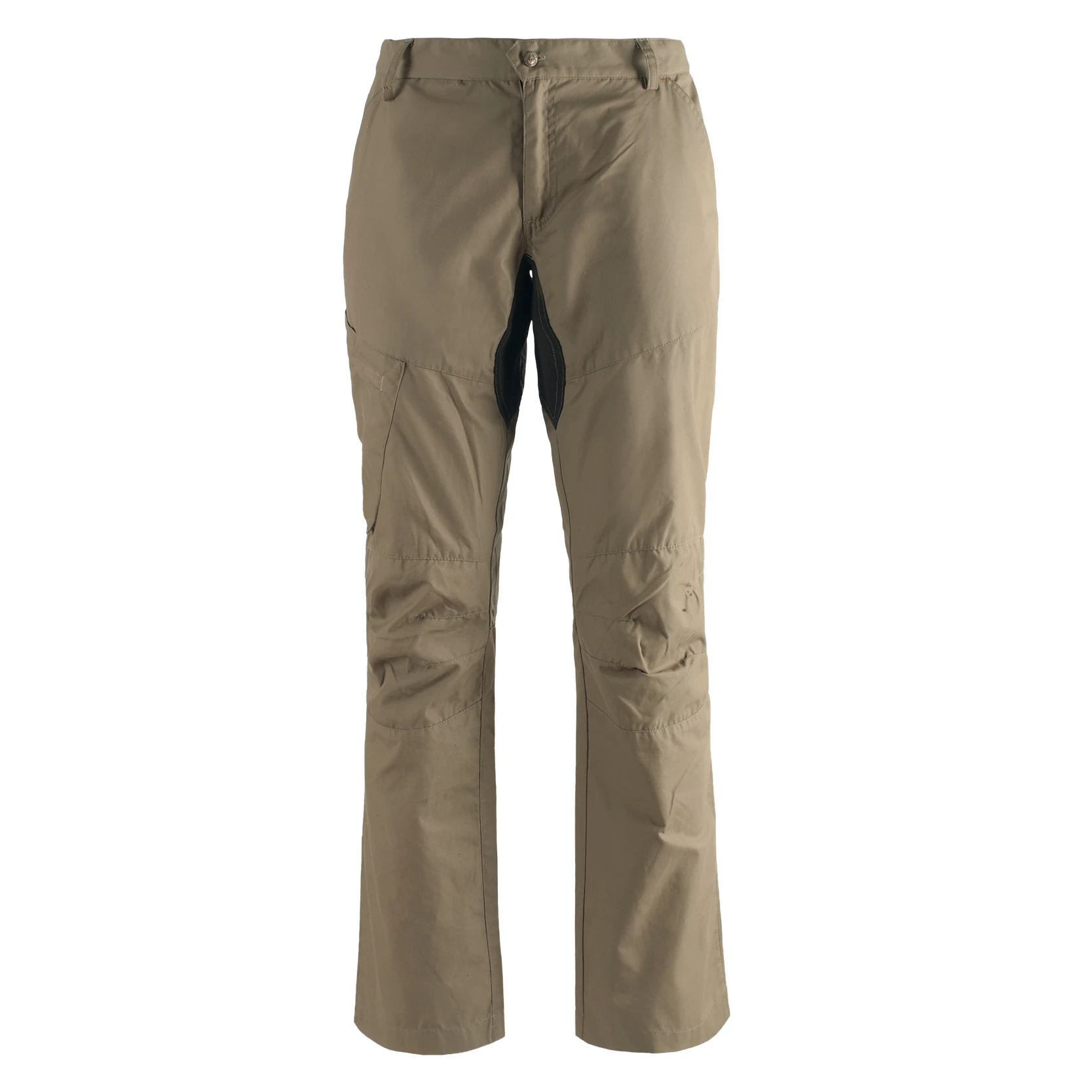
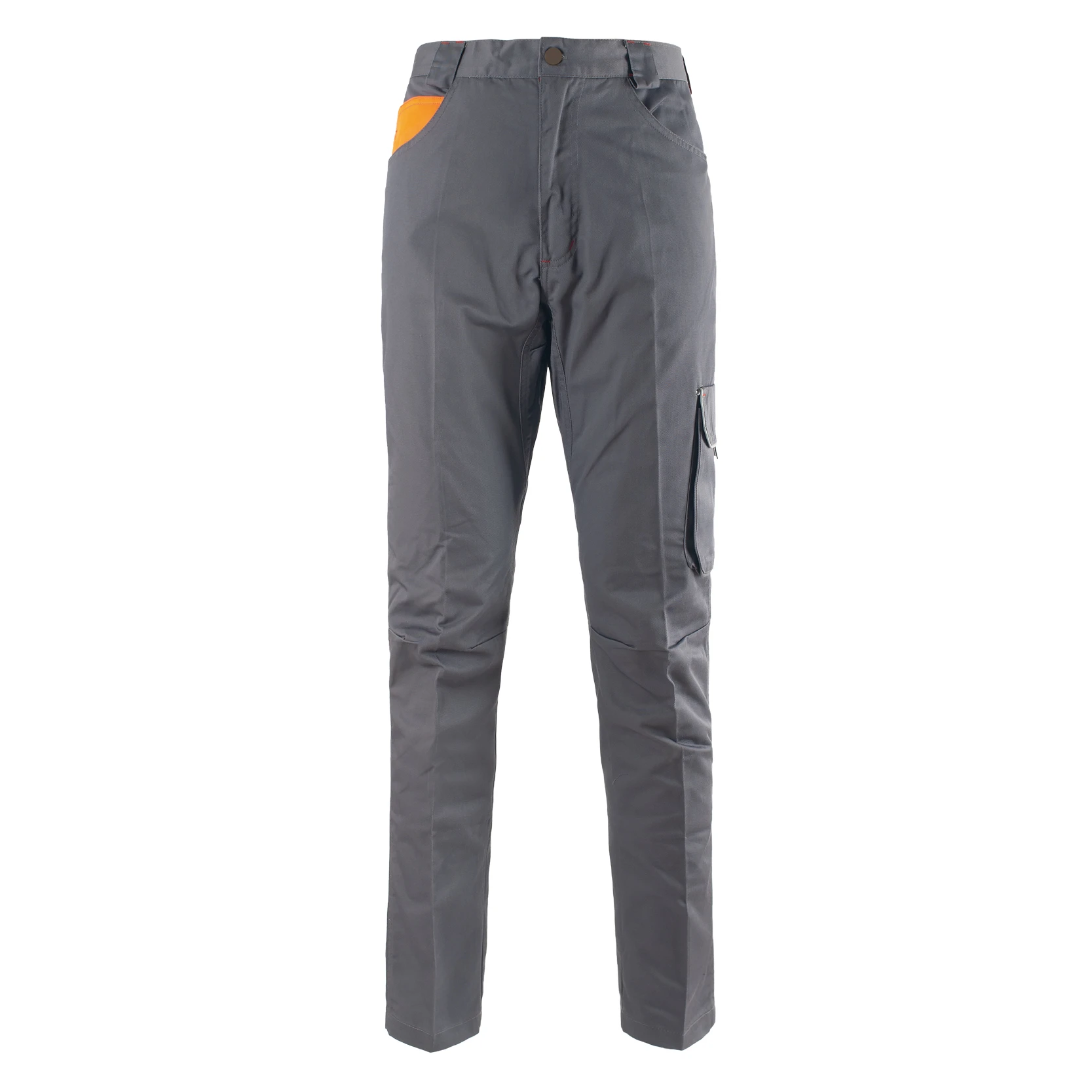
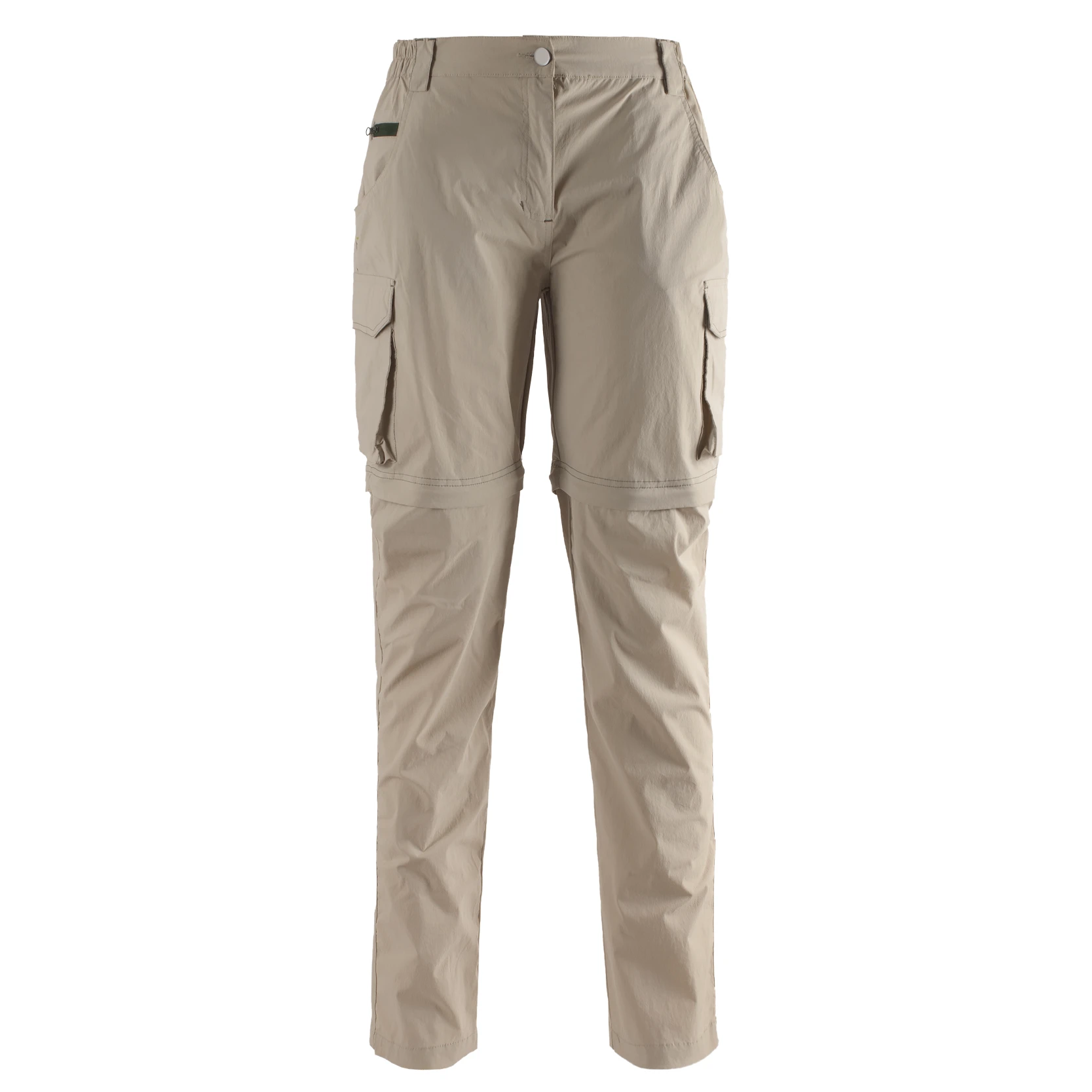
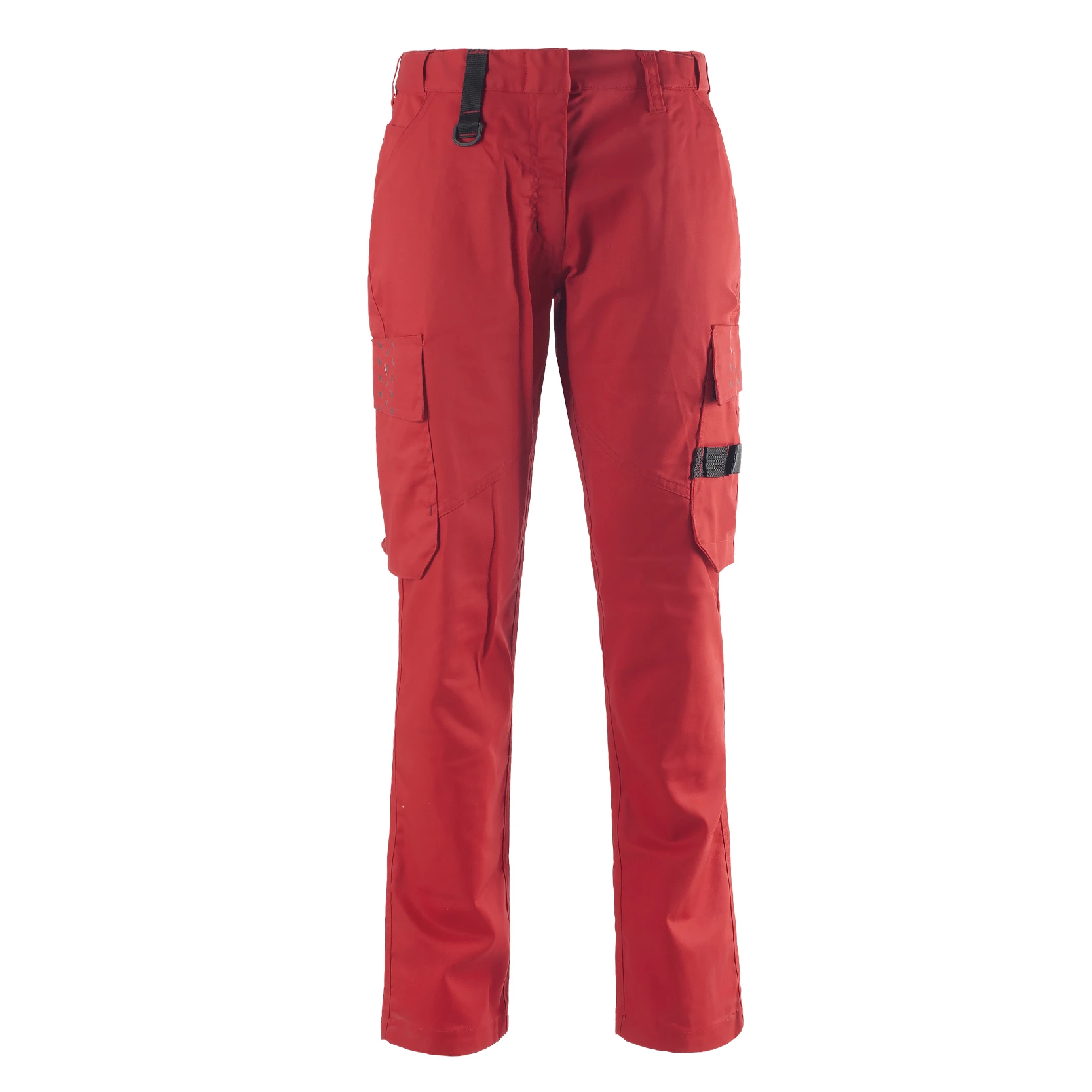
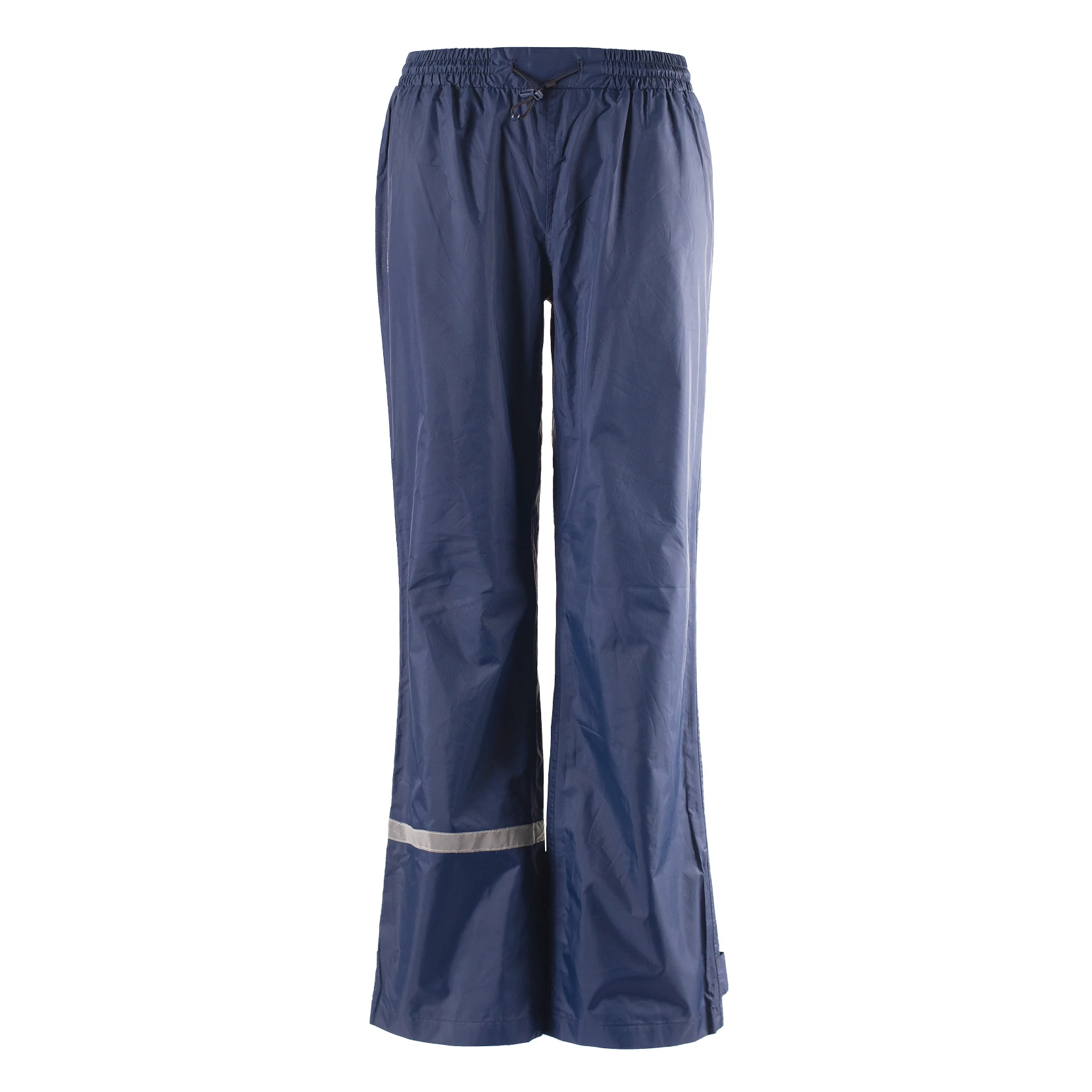
Simply put, carpentry work pants are specially designed trousers intended for craftsmen and tradespeople engaged in woodworking and related construction tasks. They differ from ordinary pants through reinforced stitching, durable fabrics, and features like tool pockets and knee pads. These pants reflect a long history of craftsmanship adapting to labor needs, evolving today with high-tech materials and ergonomic designs.
More than just apparel, they represent a commitment to worker safety and efficiency — a mindset echoed across humanitarian projects and industrial zones where durable clothing could literally mean the difference between safe work and costly injury.
Key Features that Make Carpentry Work Pants Stand Out
Durability
Durability is king here. Most quality carpentry pants use heavy-duty cotton blends, often paired with ripstop fabrics or Kevlar reinforcements at stress points. This ensures the pants weather nails, sawdust, sharp tools, and outdoor work conditions without tearing prematurely.
Ergonomics and Movement
Comfort and mobility matter just as much. The best pants incorporate stretch panels and articulated knees to allow bending, climbing ladders, and crouching with ease — which is no small feat considering some models weigh less than you’d expect.
Functional Storage
Carpentry pants usually feature multiple specialized pockets for nails, pencils, measuring tapes, and knives. Tool slots and hammer loops keep essentials within reach, streamlining workflow.
Protection Features
Many models include built-in knee pads or padding zones that safeguard against repetitive strain and hard surfaces. Some also use flame-resistant or water-repellent finishes, reflecting diverse workplace hazards.
Specifications of a Typical Carpentry Work Pant Model
| Feature | Details |
|---|---|
| Fabric | 65% Cotton, 35% Polyester Ripstop Blend |
| Reinforcements | Kevlar at knees & pockets |
| Knee Pads | Removable EVA foam pads |
| Pockets | 8 total, including hammer loop and utility slot |
| Water Resistance | Durable water repellent (DWR) coating |
| Sizes | S - 3XL |
Global Applications & Use Cases
Carpentry work pants aren’t just popular in North America and Europe. They’re essential in regions as diverse as Southeast Asia’s booming construction markets and African infrastructure projects. During post-disaster relief operations, they become crucial for field workers needing dependable gear when rebuilding damaged homes or community centers.
In remote industrial zones, such as mining sites in Australia or logging camps in Canada, rugged pants can often be the last line of defense against harsh environments. NGOs distributing dignified workwear also see these pants as tools of empowerment, supporting sustainable livelihoods.
Vendor Comparison: Popular Carpentry Work Pants Brands
| Brand | Durability | Price Range | Key Feature |
|---|---|---|---|
| Carhartt | High – reinforced stitching & heavyweight fabrics | $50–$100 | Double-front knees and rugged canvas |
| Dickies | Moderate – polyester-cotton blend | $30–$70 | Flexible fit with tool-specific pockets |
| Wrangler Riggs | Moderate-High – reinforced knees & triple-stitched seams | $40–$90 | Heavyweight denim with hammer loops |
Advantages and Long-Term Benefits
Beyond the obvious physical protection, well-made carpentry work pants foster confidence and professional pride. You feel safer, more capable, and frankly, more respected wearing gear built with your craft in mind. From a practical view, their cost efficiency shines; investing in durable pants means less frequent replacements and reduced injury-related downtime.
On a bigger scale, many manufacturers now emphasize sustainable sourcing and environmentally friendlier treatments, aligning with growing global sustainability standards like ISO 14001. This marries worker protection with planet protection — a big plus if you care about long-term impact.
Emerging Trends and Innovations
Carpentry work pants are evolving with the times. Expect more advanced materials like graphene-infused fibers for extreme durability without weight gain, or smart textiles that regulate temperature. The push for circular economy solutions sees brands experimenting with recyclable fabrics and modular designs for easier repair.
Additionally, some companies integrate digital tracking for inventory and usage stats — oddly enough, a tech touch in traditional clothing but one that’s growing fast as construction sites adopt automation and IoT tools.
Challenges and Industry Solutions
Challenges remain, of course. Finding pants that fit a wide range of body types comfortably while delivering all required safety features can be tricky. Moreover, balancing cost with quality often poses dilemmas for smaller businesses or nonprofit outfits.
Experts suggest collaborative design sessions with actual users to fine-tune fit and functionality, plus ongoing feedback loops post-launch. Material innovation labs also tackle problems like increasing durability while enhancing breathability — crucial in hot climates.
Frequently Asked Questions About Carpentry Work Pants
- What should I look for when buying carpentry work pants? Prioritize durability, fit, and functional pockets. Knee protection and fabric weight are also key depending on your work environment.
- Are carpenter pants suitable for other trades? Yes, their durability and features often suit electricians, mechanics, and landscapers as well, making them versatile workwear.
- How do I maintain my carpentry pants for longer life? Follow manufacturer washing instructions closely, avoid harsh chemicals, and store pants properly. Promptly repairing small tears extends lifespan.
- Can carpentry pants be eco-friendly? Absolutely. Many brands now use organic cotton, recycled materials, and water-saving finishing techniques to reduce environmental footprint.
Conclusion: Why Carpentry Work Pants Matter Long-Term
In real terms, these work pants do more than cover legs — they protect livelihoods, promote safety, and enable craft to flourish worldwide. Investing in quality, thoughtfully designed carpentry work pants is a simple yet impactful decision for any professional.
Ready to upgrade your workwear? Visit our website: carpentry work pants and explore a curated selection made for the serious craftsman.
Mini takeaway: Durable, ergonomic, and packed with features — the right pair of work pants is core gear for carpenters everywhere.
References:
1. International Labour Organization: Global Employment Trends
2. ISO 14001 Environmental Management: ISO.org
3. Wikipedia: Workwear Overview