
Apr 16, 2026
11.29 / 2025
Durable, Safe & Sustainable Pants for Construction Workers | Workwear Solutions
Pants for Construction Workers: Why It Matters More Than You Might Think
At first glance, pants for construction workers seem just like any other workwear item—a piece of fabric stitched to keep legs covered. But dig a little deeper, and it's clear these pants play a vital role in global labor safety, productivity, and even social dignity. Across continents, from booming urban skyscraper projects in Shanghai to remote infrastructure builds in Sub-Saharan Africa, the right pants not only protect but enable workforces to thrive.
Understanding what makes these work trousers tick—their durability, design, and purpose—is critical for industries aiming to promote safer, cost-effective, and sustainable construction practices worldwide.
Global Context: The Worldwide Importance of Quality Workwear
Construction is a colossal global industry, accounting for about 13% of the world’s GDP according to the World Bank. With millions employed, safety is paramount. Yet, did you know that workplace injuries in construction are among the highest globally, accounting for about 30% of fatal occupational incidents reported by the ILO? Pants for construction workers might not single-handedly fix this, but they are a frontline defense against cuts, abrasions, and chemical exposure.
In fact, ISO 45001 standards for occupational health emphasize the need for personal protective equipment (PPE) that meets durability and safety requirements. It’s a subtle reminder that investment in quality work pants isn’t just about comfort—it’s an industry-wide challenge and responsibility.
Mini Takeaway:
- Globally, construction employs millions, with safety risks high.
- Work pants designed to standards are essential PPE components.
What Are Pants for Construction Workers, Anyway?
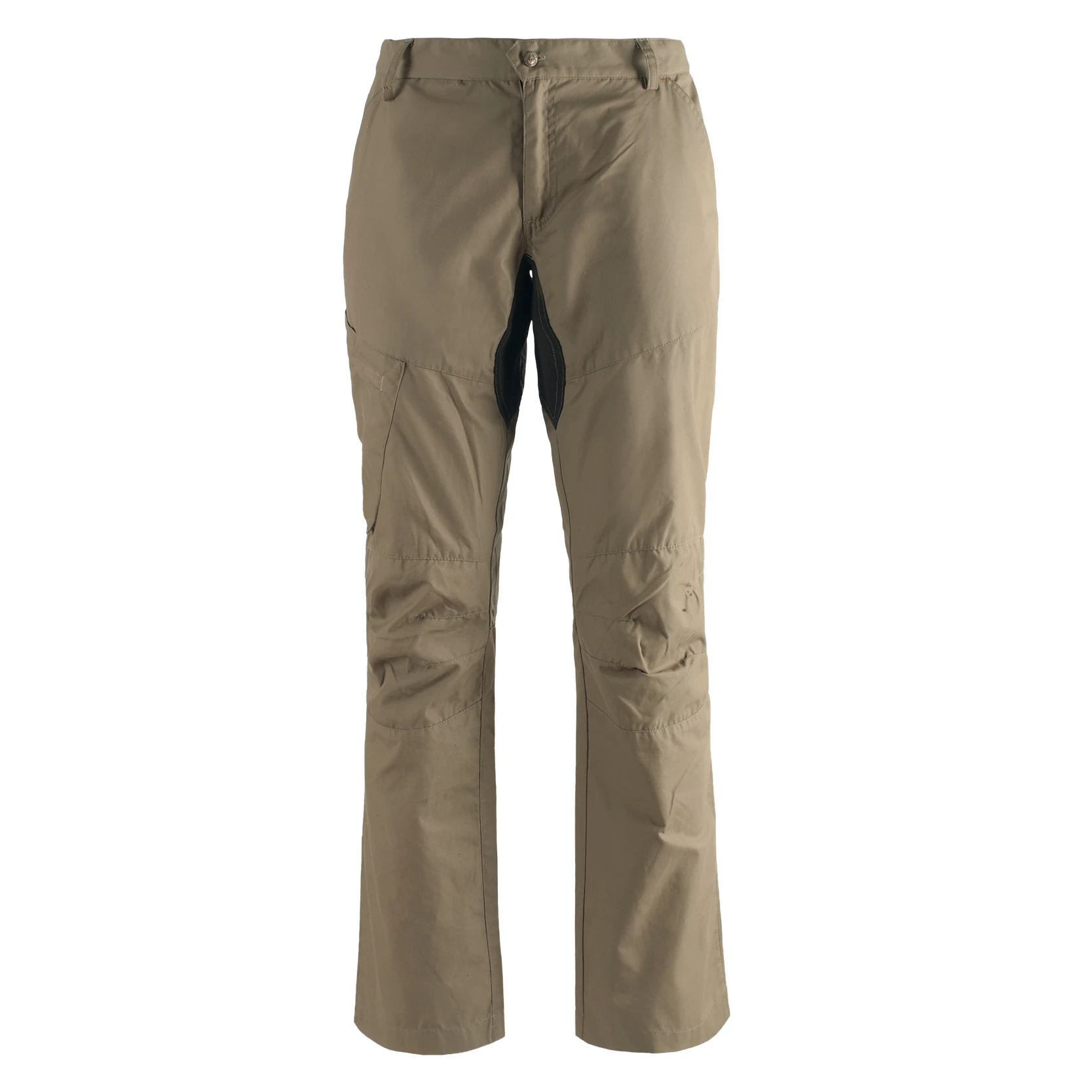
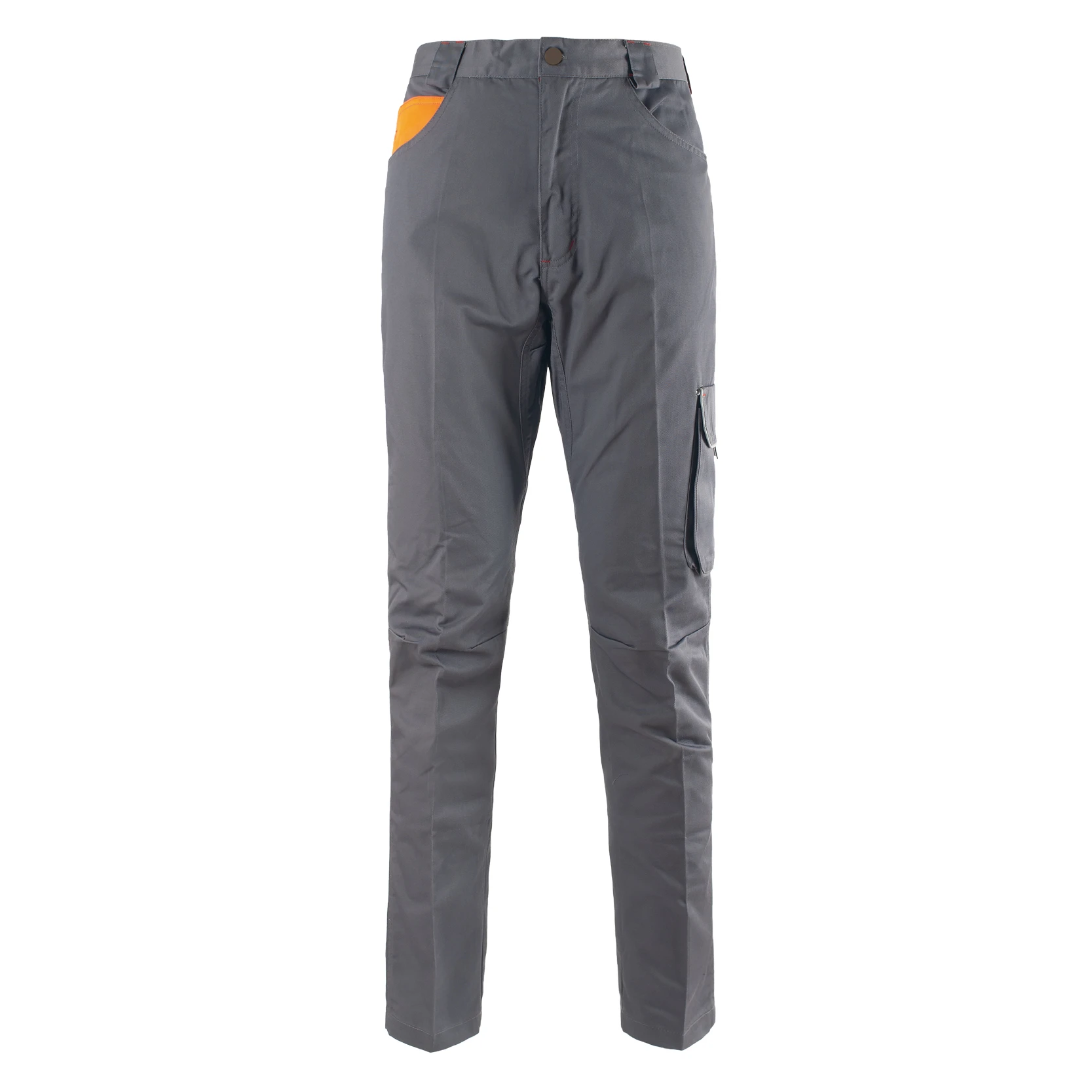
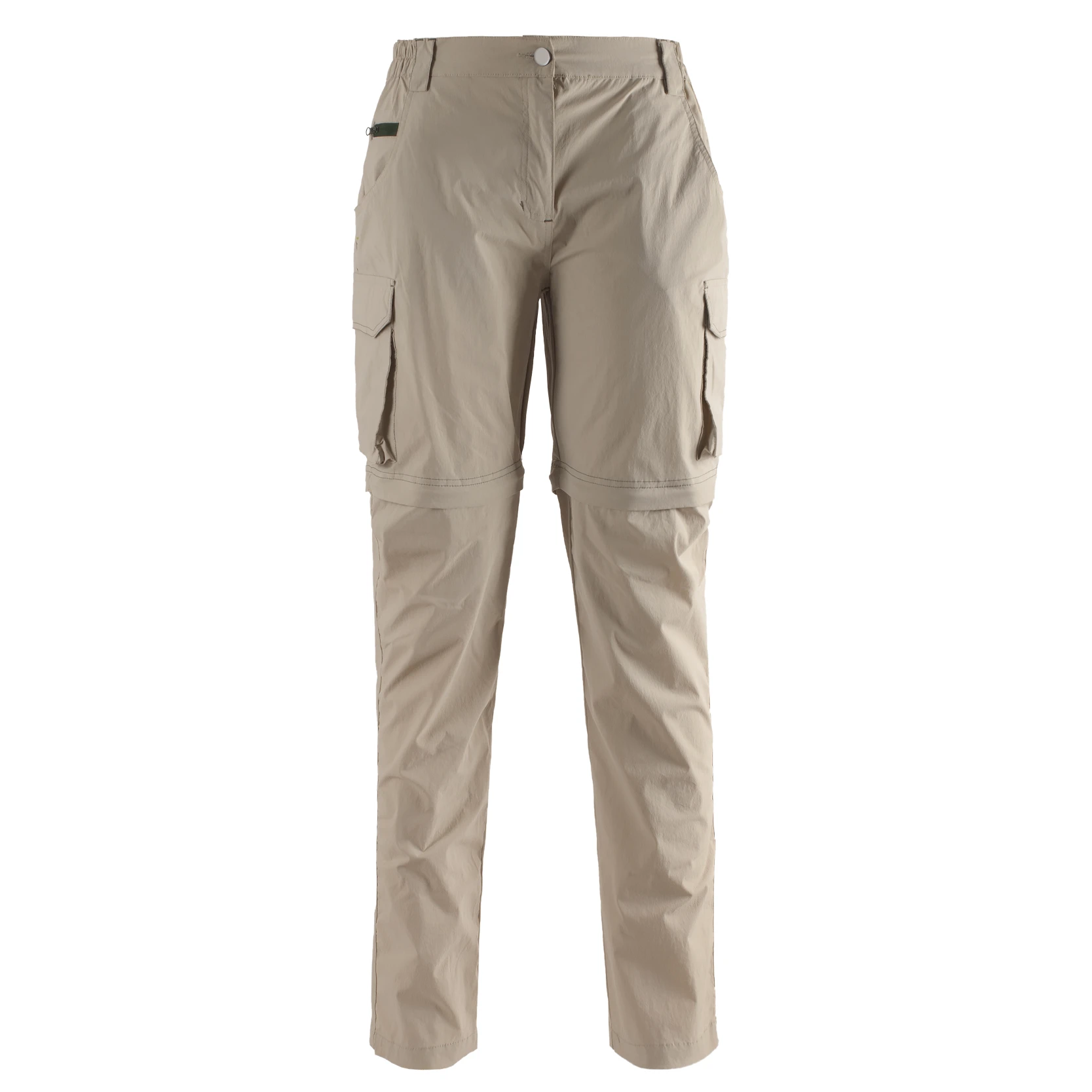
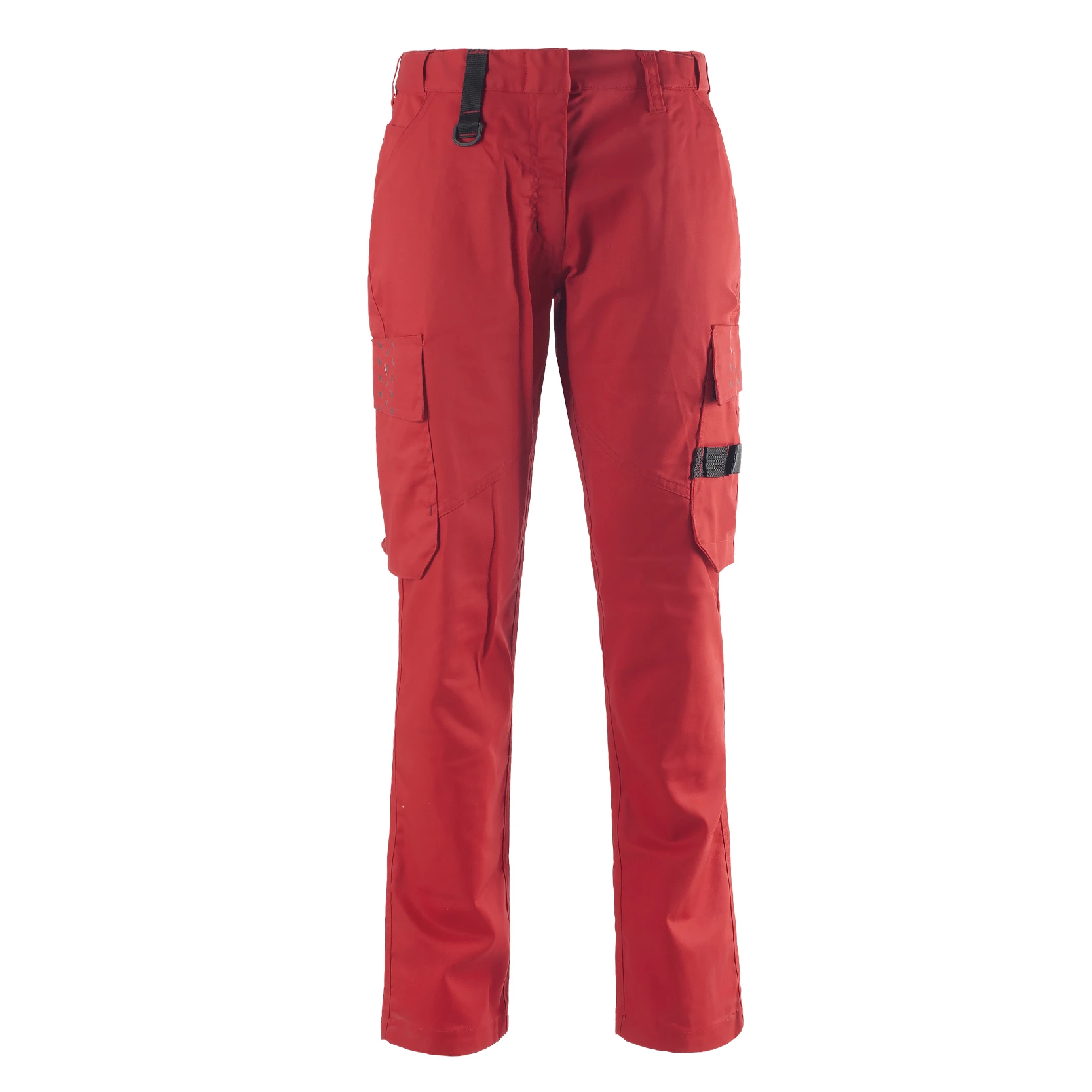
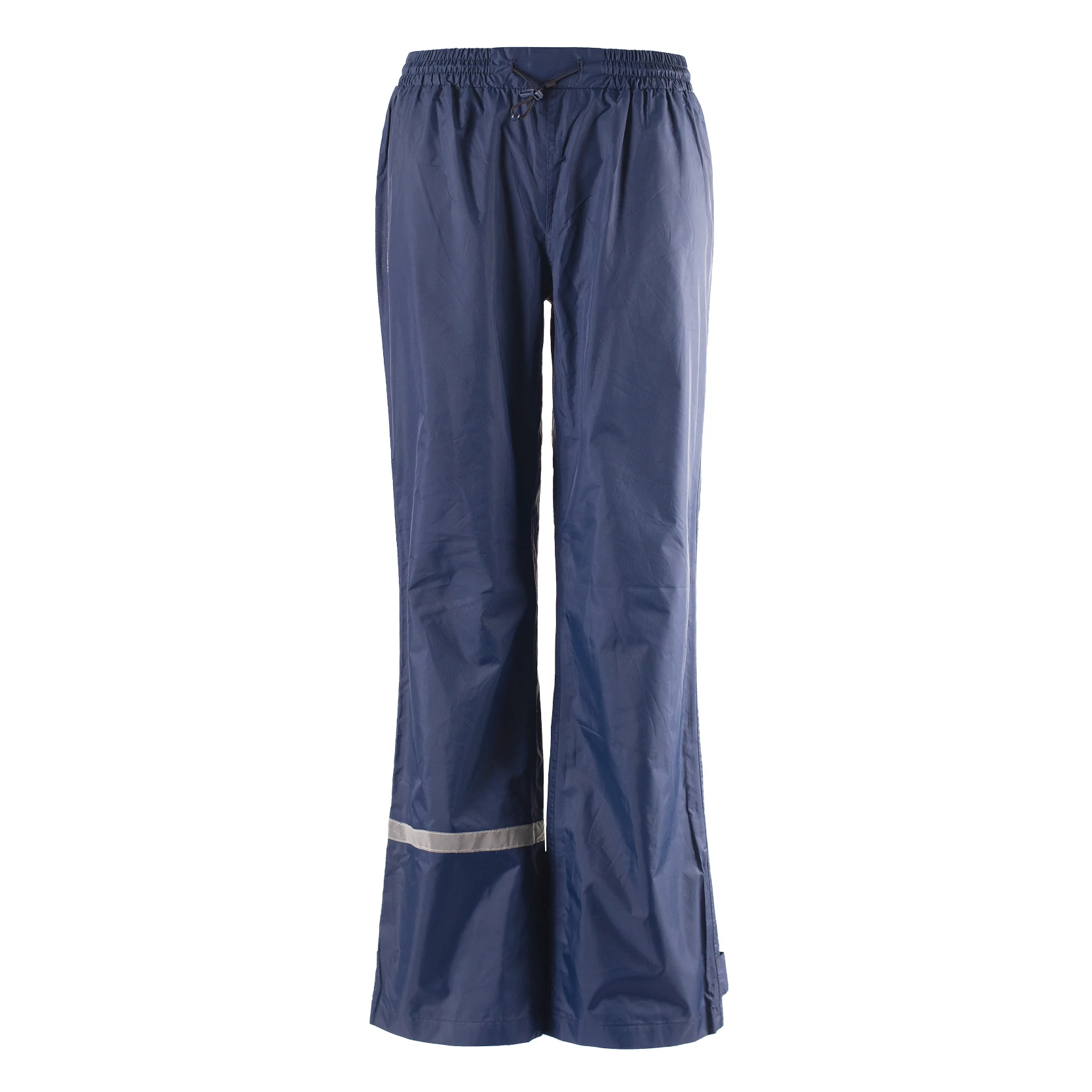
Simply put, these are specialized trousers designed explicitly for the needs of those working on construction sites. Unlike everyday pants, they have reinforced stitching, durable fabrics, and practical design features like multiple pockets for tools, knee pads for crawling, and reflective stripes for visibility in low-light areas.
Aside from the obvious safety aspect, they tie into broader humanitarian needs. Durable workwear supports dignity and health, allowing workers—whether in developed or developing regions—to perform demanding labor without risking injury or discomfort. It’s more than clothing; it’s a small but essential cog in sustainable labor ecosystems.
Core Components of Quality Construction Pants
1. Durability
Constructing a pair that endures rough terrain, sharp edges, and constant movement calls for high-denier fabrics such as heavy-duty cotton blends or ripstop nylon. Many pants also include triple-stitched seams and bar-tacks at stress points. Think of durability as the pants’ backbone: without it, there’s little point.
2. Comfort & Mobility
No one builds a bridge well if they’re distracted by stiff or restrictive clothing. From gusseted crotches to articulated knees, modern designs marry strength with flexibility. Breathable fabrics with moisture-wicking technology help keep workers cool under the sun or close to hot machinery.
3. Protective Features
Knee pads are a classic inclusion, made either removable or integrated. Some styles have flame-retardant materials or chemical-resistant coatings for specialized jobs. Then there’s the all-important high-visibility accents—that safety bonus that can quite literally save lives around vehicles and cranes.
4. Practical Storage
The construction worker’s utility belt might be iconic, but pants with smartly placed cargo pockets, secure closures, and tool loops keep essentials handy and hands-free. It’s a seemingly small thing, but the difference in efficiency can be marked.
5. Cost Efficiency
At scale, cost matters, especially for large contractors. Finding the balance between upfront price and lifespan requires some savvy. Oddly enough, cheap pants often cost more in the long run due to frequent replacement and downtime.
Mini Takeaway:
- Durability and comfort must go hand in hand for real-world utility.
- Protective and storage features add value beyond just a ‘pant’.
- Cost efficiency hinges on lifespan, not just purchase price.
Product Specification Snapshot
| Specification | Feature Details |
|---|---|
| Material | 65% polyester / 35% cotton canvas, ripstop weave |
| Reinforcements | Triple-stitched knees, bar-tacked seams, Cordura overlays |
| Safety Features | Removable knee pads, reflective strips, flame-resistant finish |
| Comfort | Adjustable waist tabs, articulated knees, moisture-wicking lining |
| Pockets | Multiple cargo, hammer loop, secure zip pockets |
The Global Reach — Who’s Wearing Them and Where?
From bustling metropolitan hubs in India where skyscrapers rise with relentless pace, to rebuilding efforts after natural disasters in the Caribbean, pants for construction workers are everywhere—in factories, at roadworks, on oil rigs.
Organizations like the International Labour Organization (ILO) collaborate with manufacturers to ensure standards are met globally. For instance, in post-Katrina New Orleans rebuilding, specialized work pants incorporated extra chemical resistance due to toxic site conditions.
In Australia’s mining sector, pants integrate dust-repellent coatings to increase lifespan amid extreme environments. Even NGOs operating in humanitarian construction projects have adapted designs focusing on comfort and dignity for workers in heat-stressed zones.
If you’re interested in logistics or outfitting, check out more specifics on pants for construction workers.
Mini Takeaway:
- Work trousers vary by region’s climate, hazards, and usage.
- Their adaptation reflects both high-tech sectors and humanitarian needs.
Why Invest in Quality Construction Pants? The Long-Term Benefits
Saving money on workwear rarely pays off long-term. Cheaper pants might tear easily, risking injury by exposing skin or snagging on rebar. Good pants can boost morale—there’s dignity in well-designed PPE—and reduce costly downtime from occupational hazards.
Not to mention sustainability: many suppliers now use organic cotton blends or recycled fibers to reduce environmental impact. When workers feel protected and comfortable, productivity tends to improve. It’s not just fluff—studies show a direct correlation between proper PPE and fewer accident-related absences (OSHA data proves it).
Future Trends: What’s Next for Construction Work Pants?
Innovation is creeping in quietly. Nano-coatings resistant to staining and liquids are no longer sci-fi. Smart textiles with embedded sensors to monitor fatigue or exposure levels are being trialed. Sustainability rules—biodegradable reinforcements and waterless dye technology reduce environmental footprints.
Motion-capture data is helping manufacturers tailor ergonomic designs based on how real workers move and bend through a workday. Add digital supply chain tracing (blockchain anyone?) for authenticity and safety compliance verification.
It’s a brave new world where pants could literally do more than cover.
Common Hurdles & How Experts Address Them
Obvious question: durability vs. cost. Finding that sweet spot means manufacturers are testing blended materials and advanced stitching techniques. Comfort conflicts with protection too—heavier fabrics are safer but hotter. The answer often lies in hybrid designs or layering practices.
Another challenge is adaptation—one size rarely fits all, especially for female and smaller-statured workers. Female-friendly designs with adjusted cutlines and flexible sizing remain underdeveloped but growing in focus. Trade groups are pushing technical standards toward inclusivity.
Product and Vendor Comparison
| Vendor | Key Features | Price Range | Custom Options |
|---|---|---|---|
| ProGear Workwear | Triple-stitched seams, flame resistance, hydration pockets | $65 - $90 | Yes - Patches, sizes, fabrics |
| SafeStep Apparel | Nano-coating stain resistance, reflective trim, eco-friendly | $75 - $105 | Limited - Colors & fit |
| BuildPro Uniforms | Moisture-wicking mesh, removable knee pads, multi-pocket | $55 - $85 | Yes - Tools loops, logos |
FAQ About Pants for Construction Workers
Q1: What should I look for in pants for construction workers to ensure safety?
A: Look for reinforced knees, flame-resistant materials if applicable, adequate visibility features like reflective trims, and durable fabrics such as ripstop or heavy-duty blends. Comfort and fit shouldn’t be overlooked, as restrictive pants can cause accidents.
Q2: How often should construction pants be replaced?
A: It depends on usage intensity. Heavy users in rough environments might need to replace pants every 6-12 months. Lighter use or higher quality materials can extend that to 18-24 months. Always inspect for wear, tears, or compromised protective features.
Q3: Are there eco-friendly options for construction work pants?
A: Yes, some manufacturers now use organic cotton, recycled fibers, or incorporate waterless dye technologies. Sustainable pants aim to maintain durability and safety while reducing environmental impact, which is becoming a priority for many companies.
Q4: Can pants for construction workers be customized for different climates?
A: Definitely. Lightweight, breathable fabrics are preferred in hot climates, while insulated or layered designs suit colder environments. Many vendors also offer options with UV protection or water-resistant coatings for specific use cases.
Wrapping Up: Why These Pants Matter for the Long Haul
Pants for construction workers might seem like a small detail in a sprawling global industry. But they combine safety, comfort, and functionality in ways that directly impact productivity and worker wellbeing. Investing in well-designed, durable work pants is more than just gear—it's an essential part of responsible construction management worldwide.
Curious to explore our full range and detailed specs? Visit our catalog of pants for construction workers and step into a better workday.