
Apr 16, 2026
11.29 / 2025
Durable & Safe Blue Workwear Trousers for Industry & Aid | PullyTrade
The Unsung Hero of Workwear: Why Blue Workwear Trousers Matter More Than You Think
When you imagine traditional workwear, odds are you picture those sturdy blue trousers worn by countless hands shaping industries worldwide. But blue workwear trousers aren't just a nod to an old uniform style — they represent a critical element in workforce safety, functional apparel innovation, and even dignity on the job. Globally, millions depend on these garments every day, from heavy industry workers in Europe to aid agencies in remote disaster zones. Understanding them means appreciating a blend of utility, culture, and modern textile technology that’s quietly driving productivity and comfort across sectors.
Global Context: Why Blue Workwear Trousers Are a Worldwide Staple
Workwear is a multi-billion-dollar segment in the global textile market, contributing significantly to occupational safety and brand identity. According to the International Labour Organization, workplace injuries have dropped in industries investing in proper gear, including reliable work trousers. Blue workwear trousers symbolize durability and visibility — a functional balance that's neither flashy nor plain.
Across continents, millions benefit from these garments— especially where manual labor intersects with safety concerns. Take developing countries, where blue workwear trousers often double as a uniform for organized labor, and in humanitarian aid, where they instantly identify NGO personnel. However, challenges around sizing, material sustainability, and supply chains remain.
Mini takeaway: Blue workwear trousers combine tradition with ongoing practical needs, making them more than just fabric—they’re a global linchpin in safety and workforce identity.
Defining Blue Workwear Trousers: More Than Just a Colour
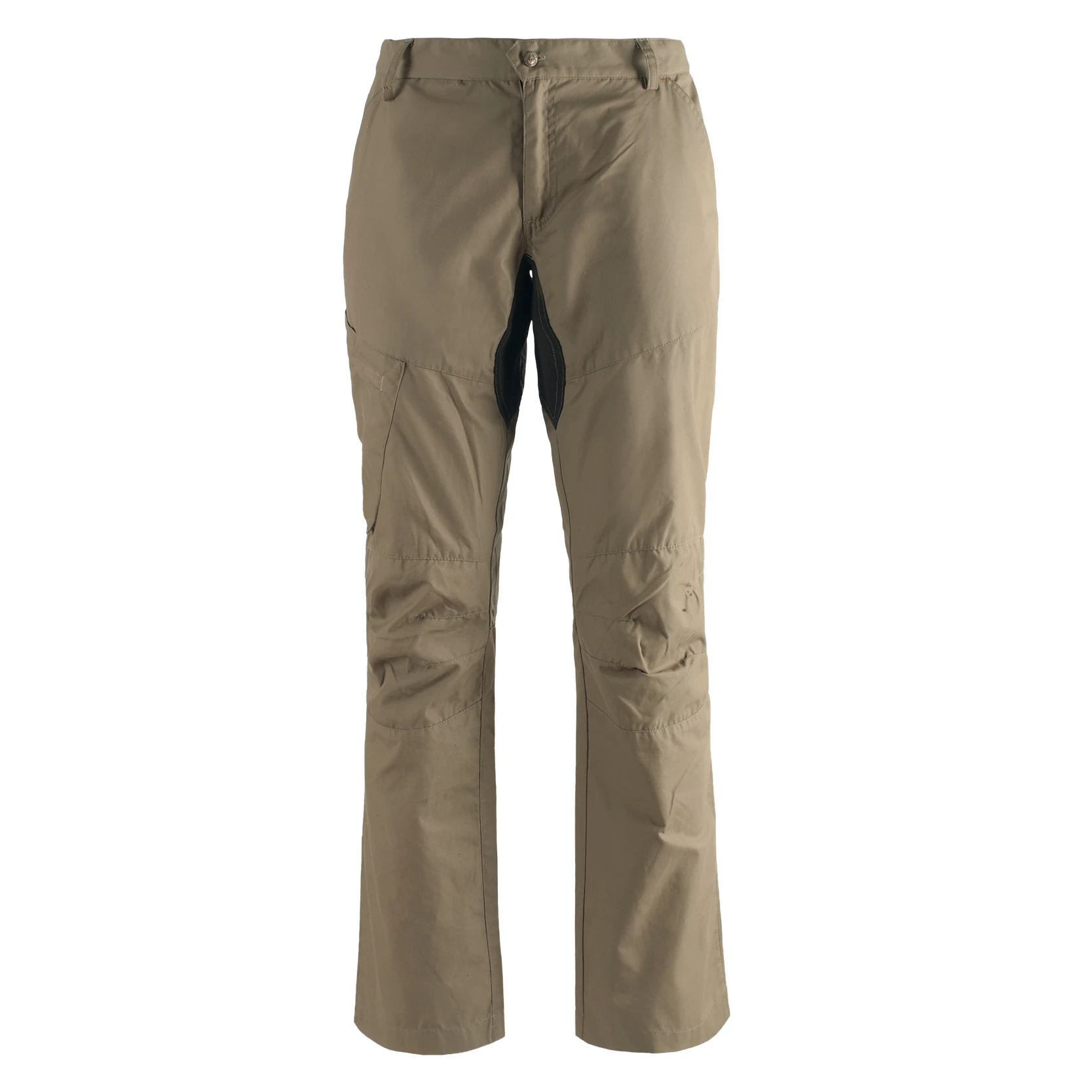
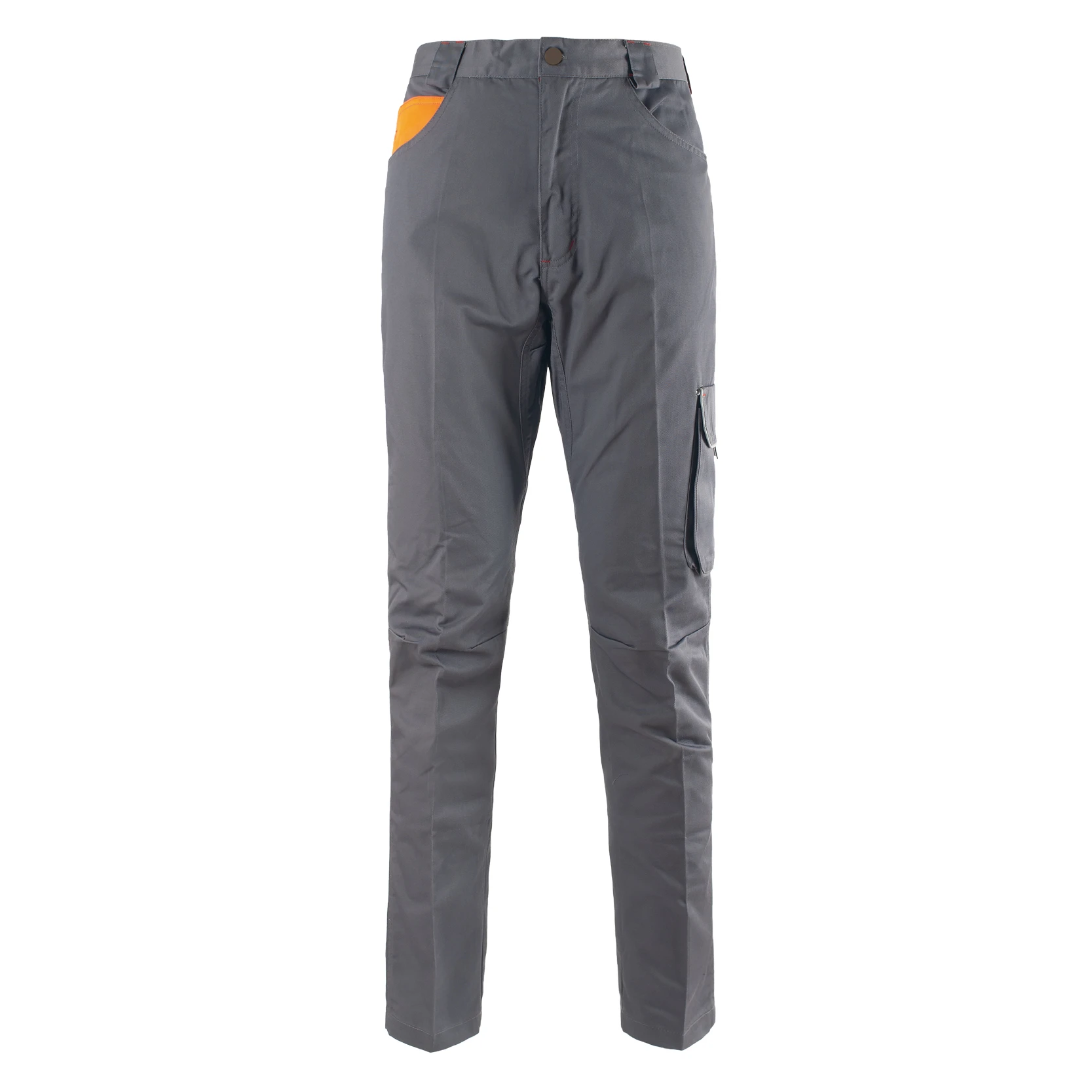
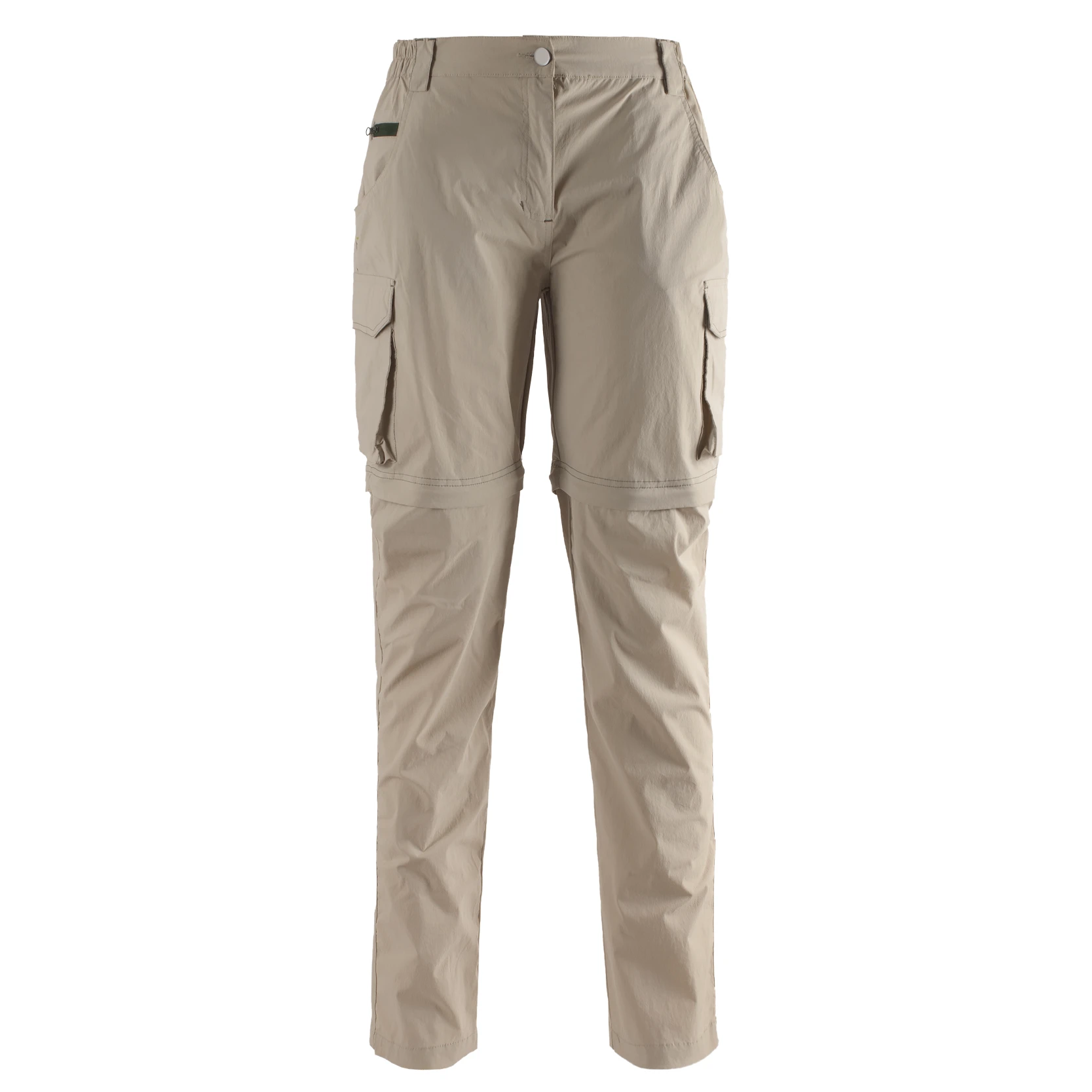
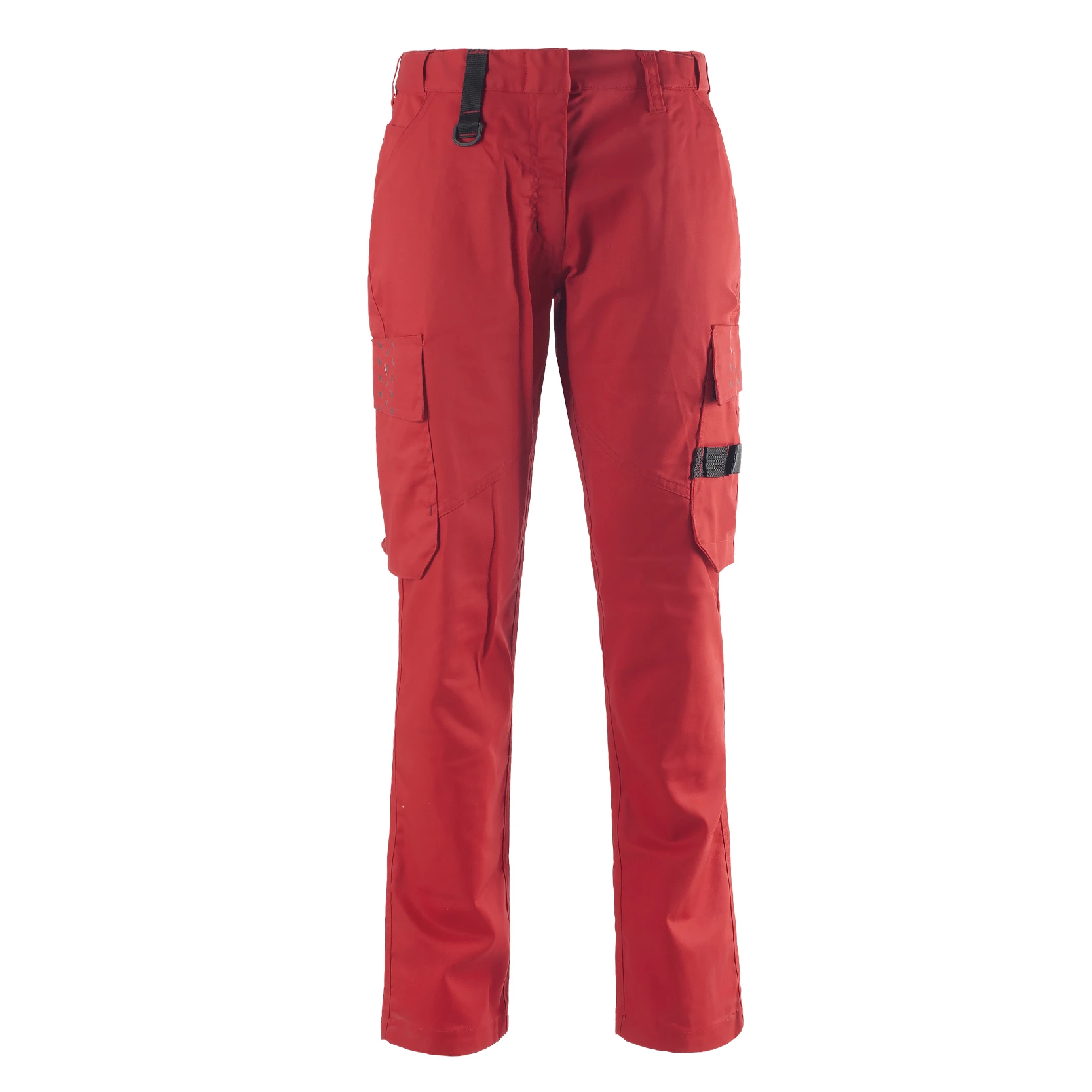
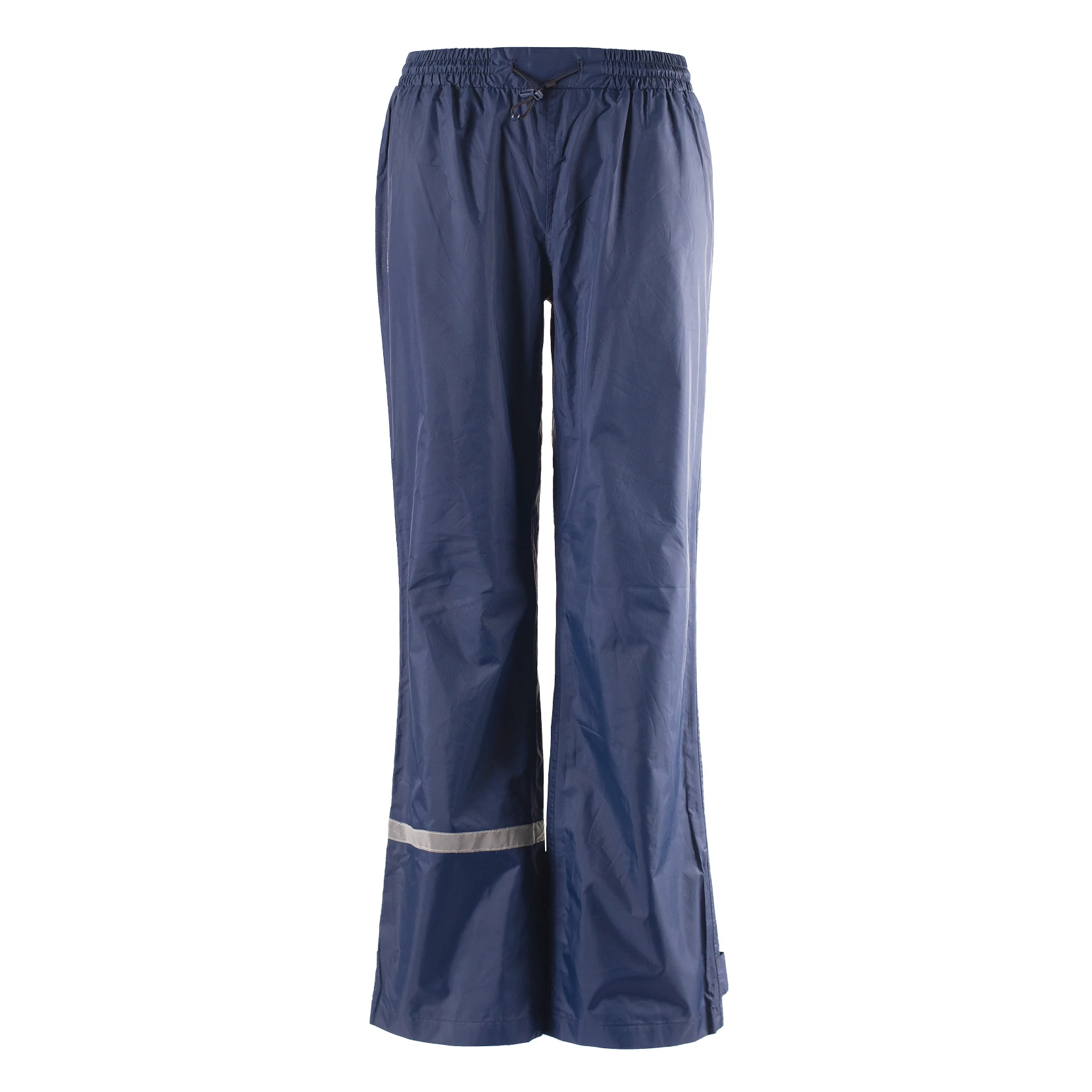
Simply put, blue workwear trousers are robust, purpose-built pants designed for labor environments, typically made with high-durability fabrics and featuring functional elements like reinforced knees, multiple pockets, and adjustable fits. Their blue shade is more than aesthetic—it’s historically associated with industries like railways and manufacturing, where a uniform practical color helps employees maintain a cohesive identity and stand out in busy or hazardous settings.
Today, these trousers address not only industrial needs but also humanitarian and service sectors, where protective, easily identifiable garments support safety, logistics, and team cohesion.
Core Components That Make Blue Workwear Trousers Essential
Durability
Durability is the prime factor — it means materials that resist tearing, abrasion, and wear from daily toil. Heavy cotton canvas and blends with polyester help maintain shape and strength.
Comfort & Fit
Modern designs incorporate ergonomics — stretch fabrics and articulated knees enhance mobility during long shifts, impacting worker productivity and reducing fatigue.
Safety Features
Reflective strips, flame-resistant options, and reinforced stitching in high-stress areas make trousers a small but vital part of personal protective equipment (PPE).
Cost Efficiency
Mass production and standardized sizing keep prices manageable for industries and NGOs, crucial for large-scale deployments.
Sustainability
Eco-friendly fabrics and responsible dyeing processes are becoming a priority to reduce environmental footprints, especially in industrialized markets pushing for greener workplaces.
Customization & Branding
Many suppliers offer options for logos and color tweaks, allowing companies to uphold corporate identities while benefiting from standard designs.
Mini takeaway: Whether it’s about durability or environmental concerns, each component plays a part in making blue workwear trousers reliable and adaptable to diverse demands.
Global Applications & Real-World Use Cases
- Industrial Zones: Factories in Germany and China equip workers with blue cotton-polyester trousers designed to withstand mechanical hazards.
- Field Aid Operations: NGOs rely on identifiable, durable trousers for staff in crisis zones — the plain but consistent blue helps coordinate efforts efficiently.
- Construction Sites: In the U.S., reflective stripes are added for visibility on roads and during night shifts.
- Remote Mining: South African mines deploy flame-retardant variants to protect against sparks and heat.
In all these areas, blue workwear trousers are more than gear — they’re uniforms of trust, reliability, and safety.
Advantages & Long-Term Value of Blue Workwear Trousers
On a practical level, their longevity means businesses won't need to replace employee trousers frequently, saving money. Socially, the uniformity fosters a sense of belonging and pride — odd as it sounds, it boosts morale when you know your company invests in your protection and comfort.
Emotionally, safety features transform anxiety into confidence, preventing injuries that carry human and financial costs. Plus, with sustainability creeping into mainstream business thinking, these trousers often reflect bigger corporate responsibility efforts.
Product Specifications: Typical Blue Workwear Trousers Model
| Specification | Details |
|---|---|
| Material | 65% Polyester / 35% Cotton Canvas |
| Weight | 310 g/m² (heavy-duty) |
| Features | Reinforced knees, multi-pocket design, adjustable waist |
| Safety | Reflective stripes (optional), flame-resistant variant available |
| Sizes | S to 5XL |
| Care | Machine washable, colorfast dyes |
Vendor Comparison Chart: Sourcing Blue Workwear Trousers
| Vendor | Material Quality | Pricing (per pair) | Customization | Lead Time |
|---|---|---|---|---|
| PullyTrade | High (300 gsm canvas blend) | $25 - $30 | Logo printing, reflective strips | 2-3 weeks |
| WorkPro Outfitters | Medium (poly-cotton 240 gsm) | $18 - $22 | Basic color options | 1-2 weeks |
| GlobalSafety Gear | Premium (fire-retardant 320 gsm) | $40 - $45 | Advanced PPE certification | 3-4 weeks |
Future Trends & Innovations in Blue Workwear Trousers
The future feels electric for blue workwear trousers. Smart textiles with embedded sensors for monitoring worker health and fatigue are becoming viable. Then there’s the slow-but-steady shift to recycled materials — brands experimenting with ocean plastic fibers and organic cotton blends. Digital customization through 3D fitting tech promises better sizing accuracy, meaning less waste and happier workers.
On the regulatory front, ISO standards related to workwear safety continue evolving, pushing manufacturers to innovate without compromising comfort. The pandemic also highlighted hygiene upgrades, leading to treatments that resist microbes on fabrics — a somewhat unexpected but crucial addition.
Common Challenges and Practical Solutions
One persistent issue is the "one-size-fits-many" approach falling short—poor fit leads to discomfort and injury risk. Enter modular sizing and stretch panels, but they come at increased production cost. Then, colorfastness can fade in cheaper materials, diminishing the uniform’s professional look. Trusted suppliers remedy this by testing fabric durability and vendor certifications.
Supply chain disruptions during crises make bulk orders tricky, but partnerships with local manufacturers and stockpiling essential sizes help smooth operations.
FAQ: Your Questions About Blue Workwear Trousers Answered
- Q: Are blue workwear trousers suitable for high-temperature industrial environments?
- A: Yes, flame-resistant variants are specifically designed for such settings, offering protection against sparks and heat without sacrificing comfort.
- Q: How often should blue workwear trousers be replaced in heavy labor contexts?
- A: Typically, replacement cycles range from 12 to 24 months depending on wear intensity and laundry practices. Regular inspection is recommended.
- Q: Can blue workwear trousers be customized with company logos or reflective stripes?
- A: Most reputable vendors, like PullyTrade, offer customization options including logos and safety features.
- Q: Are eco-friendly blue workwear trousers available?
- A: Increasingly so. Many manufacturers provide trousers using recycled polyester or organic cotton blends to reduce environmental impact.
- Q: How do NGOs source blue workwear trousers for international relief missions?
- A: NGOs often collaborate with specialized suppliers who understand rapid logistics and durable materials suitable for harsh conditions.
Wrapping Up: The Blue Workwear Trouser Legacy
Blue workwear trousers are not merely apparel, but stitched threads of workforce safety, comfort, and global identity. Their blend of tradition and innovation continues to drive industries forward. If your team needs practical, durable, and customizable workwear, exploring suppliers like blue workwear trousers specialists might be the next smart step.
Long-term, investing in quality workwear is an investment in your workforce’s safety, morale, and productivity — a small detail with outsized impact.
References: