
Apr 16, 2026
12.13 / 2025
Durable Reflective Winter Work Coats for Industrial Safety
Why Reflective Winter Work Coats Are Essential for Industrial Safety
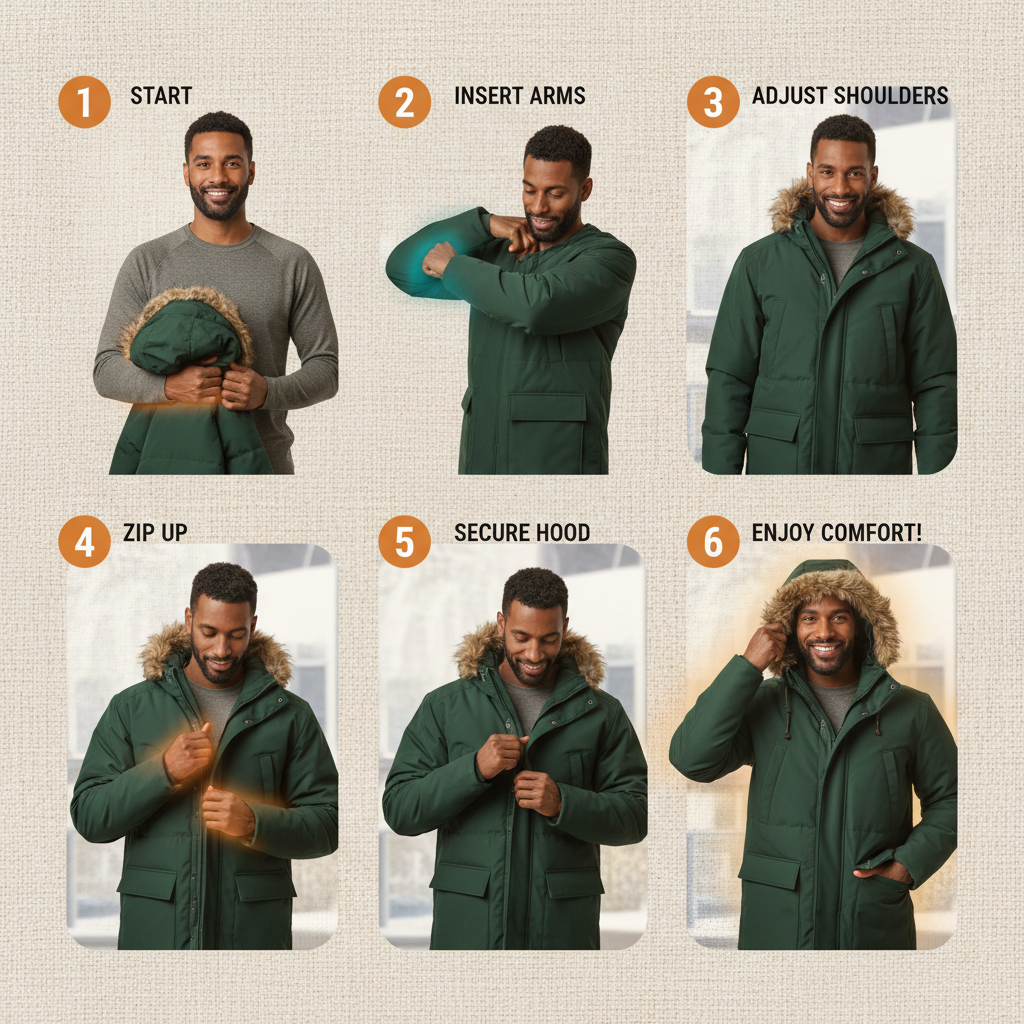
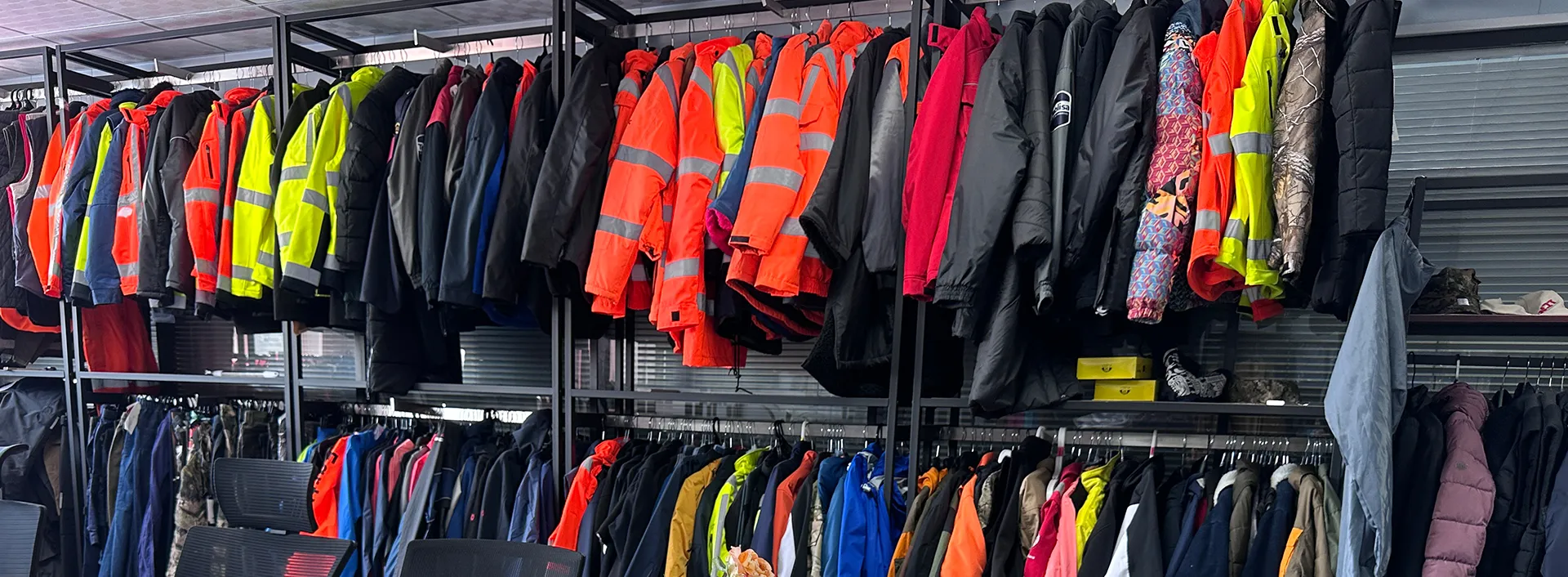
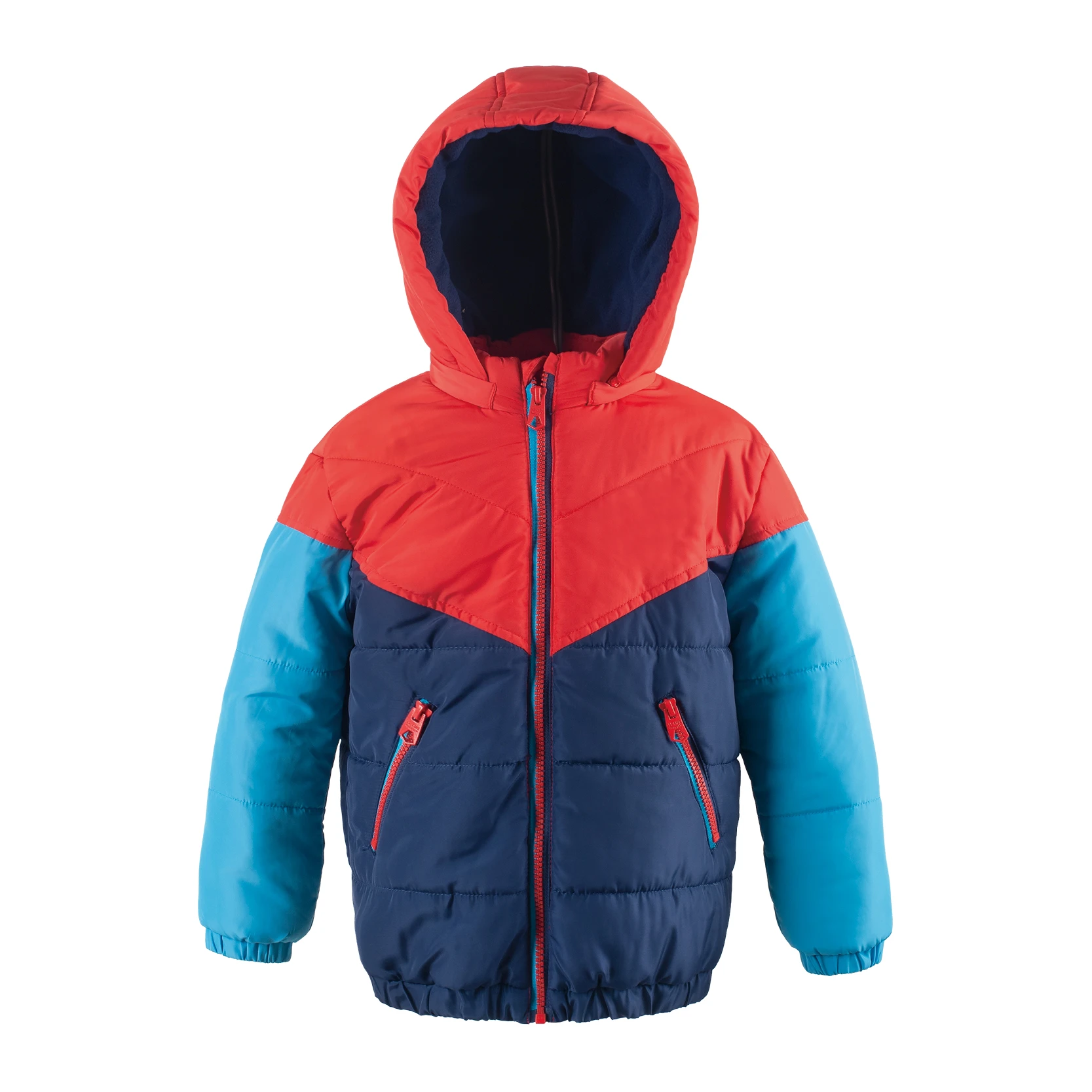
If you’ve ever worked outdoors through the harsh months, you know that a winter coat isn’t just a convenience — it’s a lifeline. Not just because of the cold, but because of visibility, durability, and practical design. Reflective winter work coats have evolved significantly in recent years, blending protection from freezing winds with high-visibility elements that can literally save lives on busy sites. I remember one cold foggy morning on a construction site where I first noticed how these coats make a real difference. It was barely dawn, visibility was next to zero, and the reflective stripes on my coat caught the flashing lights of a passing vehicle, drawing attention instantly. That moment stuck with me — safety gear should never be an afterthought, especially in winter. Nowadays, the best reflective coats come with breathable yet waterproof outer shells, and insulated linings that keep even the most stubborn chill out. Plus, the increasing use of fluorescent colors combined with reflective strips ensures you’re visible whether it’s snowing, raining, or just dark.Key Features and Material Insights for Durable Work Coats
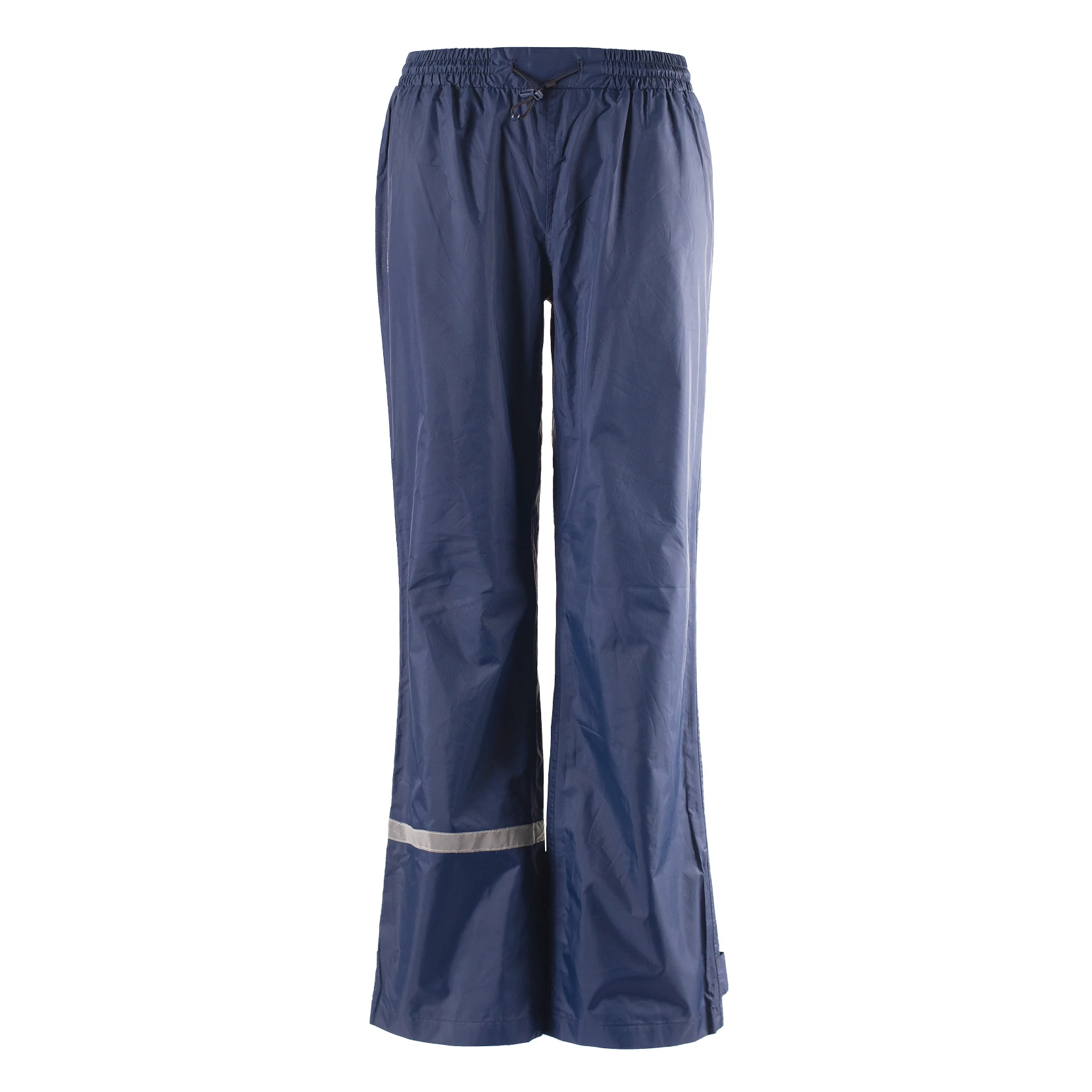
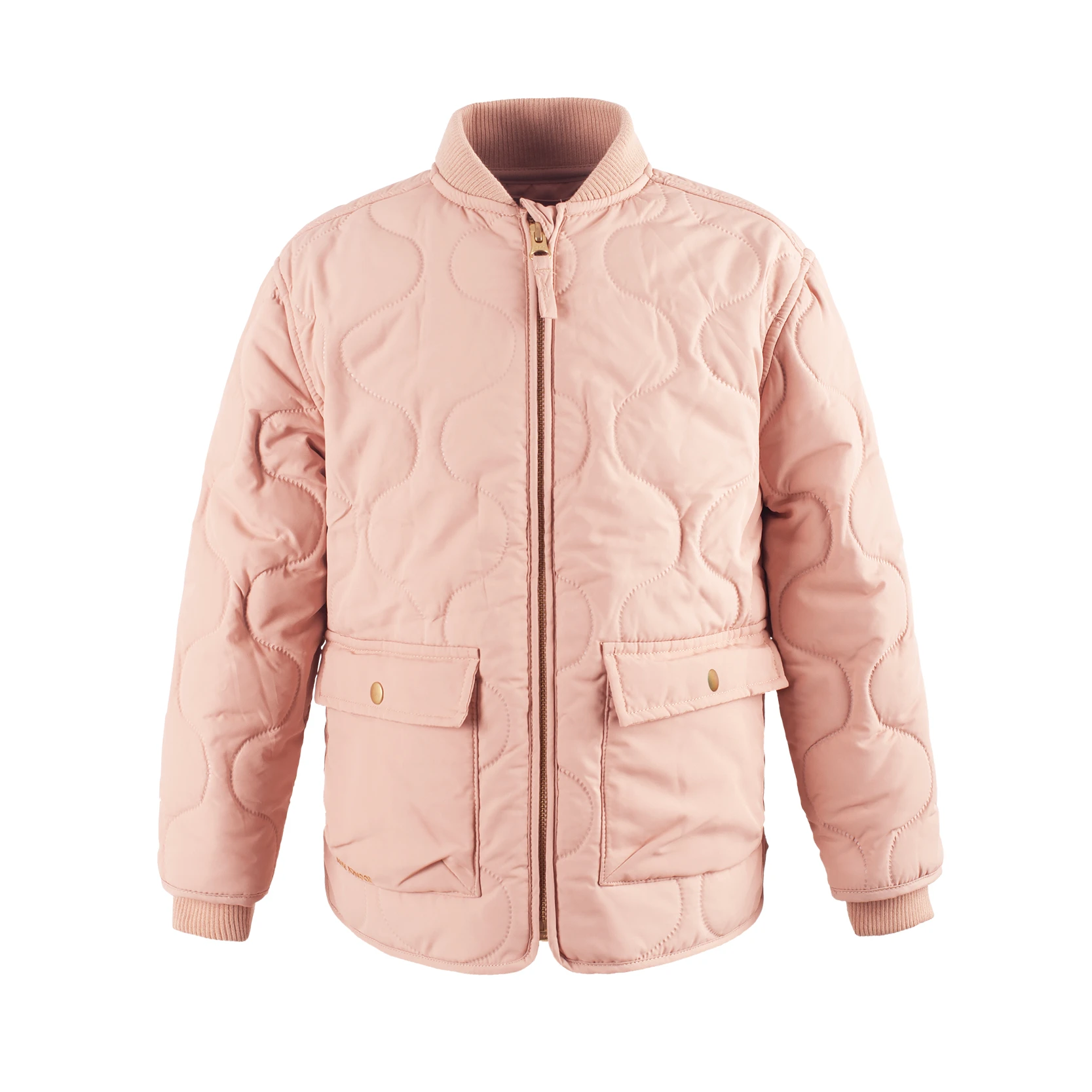
Let’s break down what makes a good reflective winter coat for someone who’s on site all day: - Material: Typically polyester or nylon with PU coating for water resistance. It’s tough stuff — designed to keep water and wind out while allowing sweat vapor to escape. I’ve seen some brands experiment with softer fabrics, but honestly, when you’re digging in the dirt or climbing scaffolding, abrasion resistance is king. - Insulation: Often quilted polyester or fleece lining. Some premium models use Thinsulate or thermal padding. That extra warmth means fewer breaks to warm up — and more productivity. - Reflective Elements: Usually 3M Scotchlite reflective tape, sewn strategically across the chest, back, sleeves, and sometimes even the hood. The key is balance — too much reflective stuff can be stiff or heavy. The best coats get this just right. - Customization: Many companies offer personalized embroidery or patches, which is great for teams looking to keep uniforms consistent or add branding that’s easy to spot from a distance. The specs below give you a rough idea of what to expect:| Feature | Typical Specification |
|---|---|
| Shell Material | Polyester 300D with PU Coating |
| Lining | Quilted Polyester with Fleece Collar |
| Insulation | Thinsulate 160g or Equivalent |
| Reflective Tape | 3M Scotchlite, 5cm wide |
| Water Resistance | >1000mm Hydrostatic Head |
| Available Sizes | S - 5XL |
Choosing the Right Vendor for Your Reflective Winter Work Coat
Getting reliable gear isn’t just about the specs — but the vendor behind the product. After years in the industrial equipment sector, I can say the choice rests on three key pillars: quality, service, and availability. Here’s a quick comparison of some top providers I keep an eye on:| Vendor | Quality | Customization | Lead Time | Price Range |
|---|---|---|---|---|
| AlphaWorkgear | High | Logo embroidery, patches | 2-3 weeks | $$$ |
| BrightGuard | Medium-High | Reflective tape placement options | 1-2 weeks | $$ |
| SafeWear Inc. | Medium | Limited | 2-4 weeks | $ |
Final Thoughts on Reflective Winter Coats for Work
So, when the temperature dips below freezing and the days grow shorter — the right reflective coat is your best ally. It’s about blending warmth with safety and durability without adding unnecessary bulk. And if you ask me, there’s a small pride in donning gear that’s thoughtfully designed for the rigors of the industrial world. If you’d like to see some reliable options and trusted suppliers, check out these recommended reflective winter work coats — they offer a solid balance of quality and practicality. Every winter I work outside, I’m reminded how much a good coat matters — not just for comfort, but to get the job done without worrying. That’s saying something.
References
1. Industrial Safety Apparel Standards, OSHA Guidebook 2023.
2. "Thermal Insulation in Workwear," Textile Tech Journal, 2022.
3. Personal field notes and vendor talks, 2018-2023.
1. Industrial Safety Apparel Standards, OSHA Guidebook 2023.
2. "Thermal Insulation in Workwear," Textile Tech Journal, 2022.
3. Personal field notes and vendor talks, 2018-2023.