
Apr 16, 2026
01.05 / 2026
Durable Camo Over Jacket for Industrial Work – Practical & Reliable
Why the camo over jacket Still Holds Its Ground in Industrial Workwear
Having clocked quite a few years in the industrial equipment sector, I’ve always found that what you wear on the job really counts — more than just image, it’s about safety, comfort, and durability. Among the gear that’s stood up impressively over time is the camo over jacket. Oddly enough, it combines that rugged utility you expect with an aesthetic that engineers and operators seem to appreciate in the field. Frankly, it feels like a subtle nod to tradition in an industry that’s buzzing with technology.
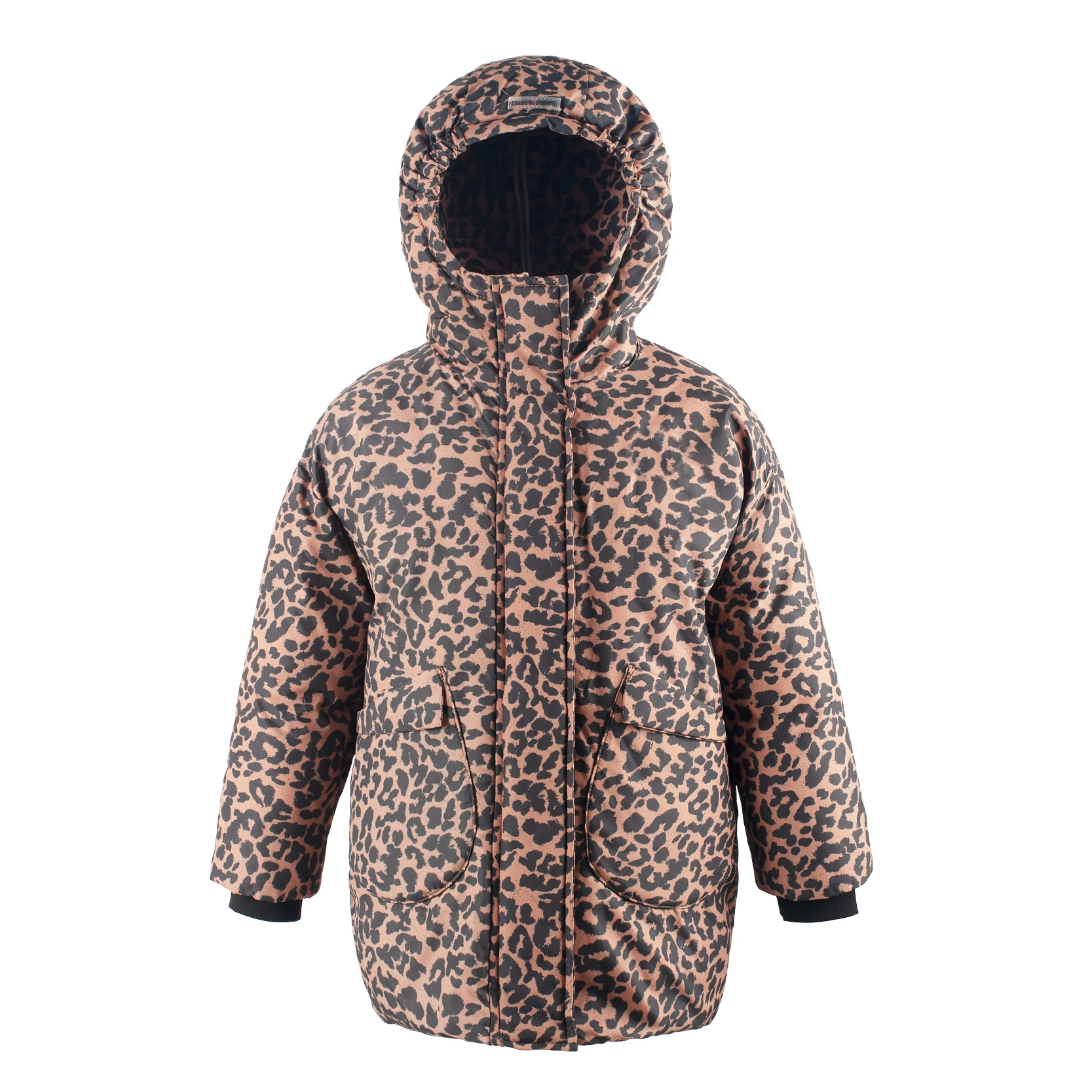
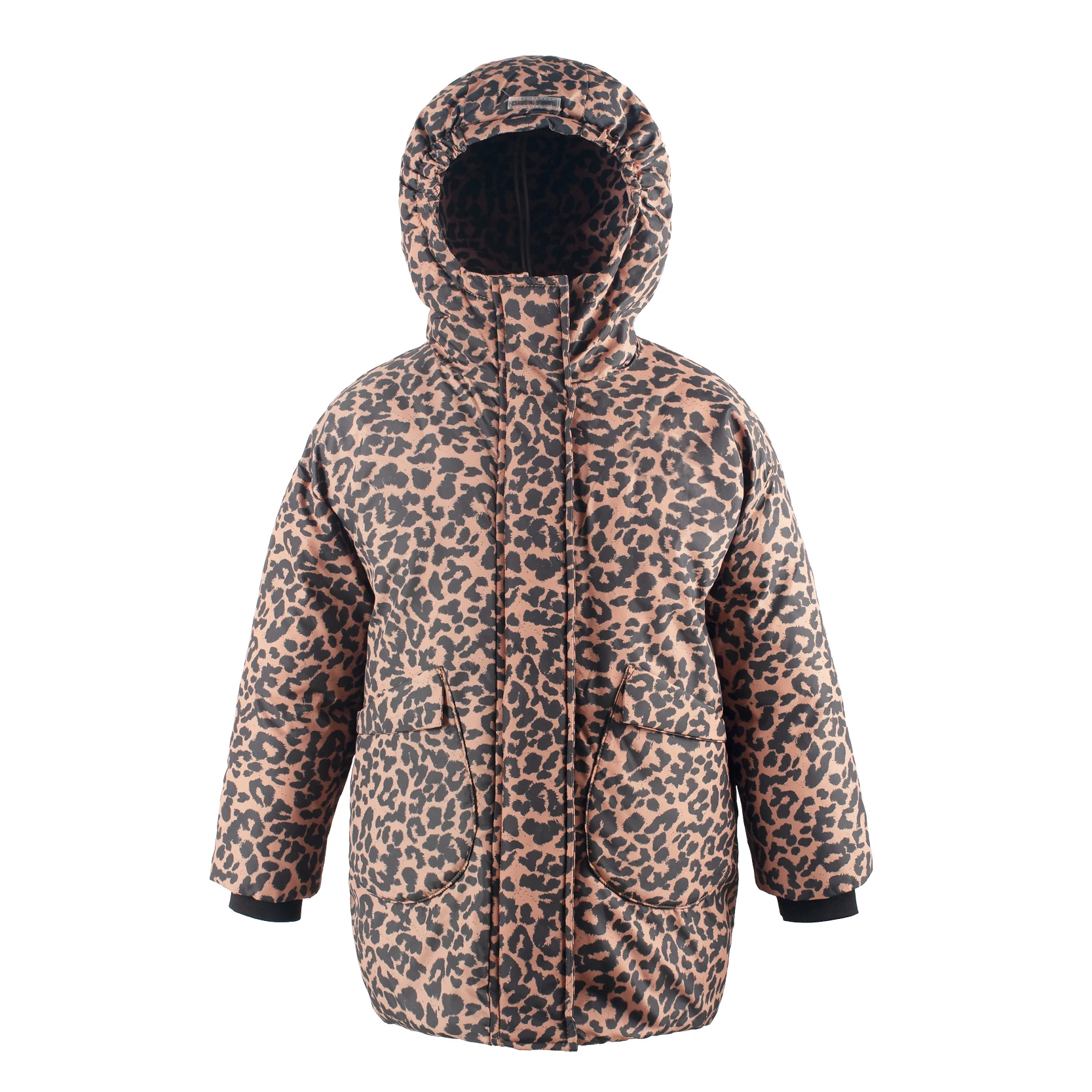
We often overlook the humble over jacket’s role — not just a piece of clothing but a practical shield against the elements and workplace hazards. The camo print? It’s not just style; it plays a part in blending with outdoor industrial environments, especially in sectors like forestry, construction, and certain utility works where blending with the surroundings is beneficial. That sort of low-profile visibility can make all the difference during inspections or when you’re scrambling over rough terrain.
Let me take a moment to talk materials and design because that’s where the magic lies. Most quality camo over jackets are made from a tough cotton-polyester blend, which balances breathability with resistance to wear and tear. Some jackets incorporate ripstop nylon panels or reinforced elbow patches — nifty additions that extend lifespan. Waterproofing is often a key factor, with treatments like Durable Water Repellent (DWR) finishing to keep you dry during drizzles or unexpected splashes on industrial sites.
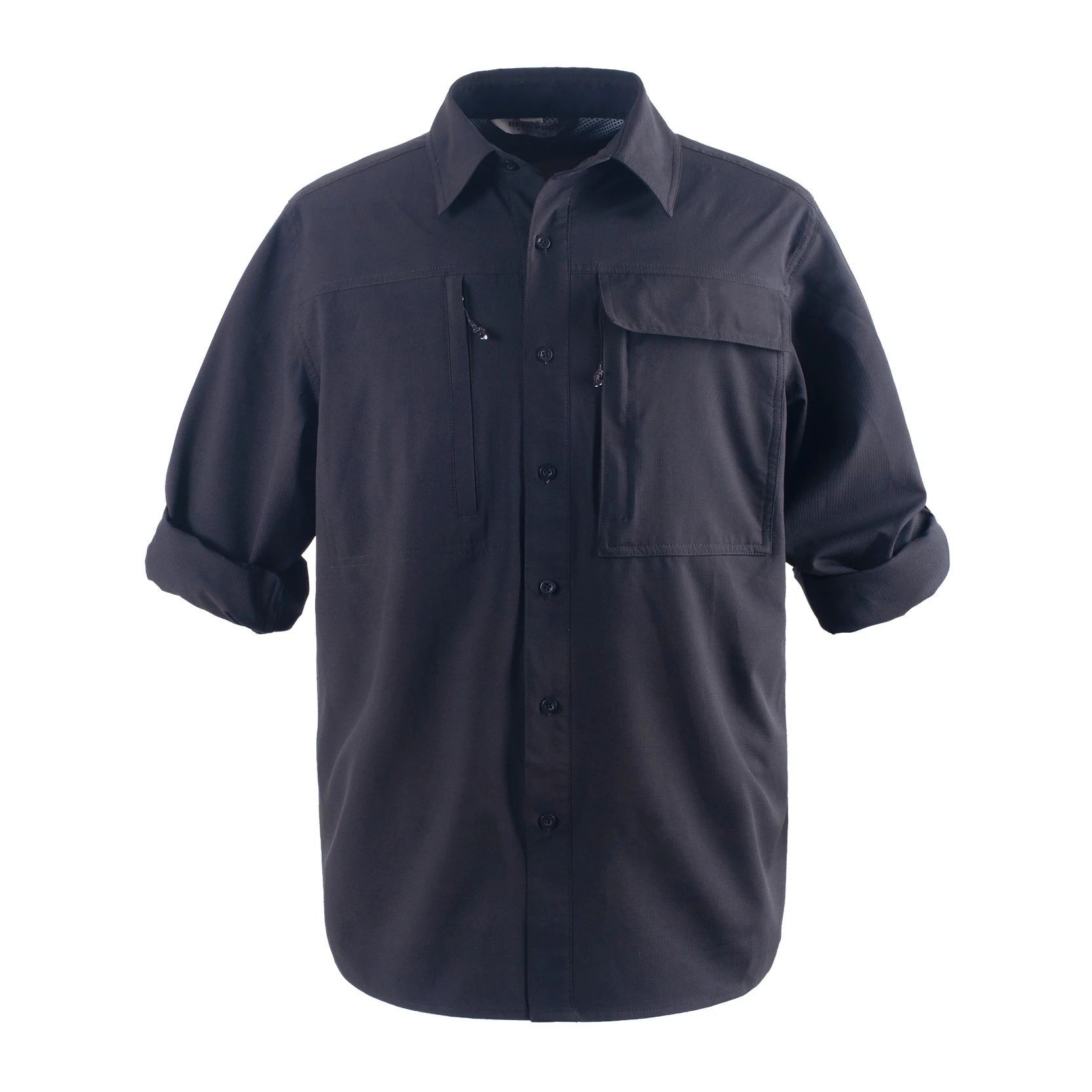
In real terms, this jacket isn’t just for show. Many engineers I’ve worked with highlight its multiple utility pockets — handy for carrying tools, pens, or even safety glasses. Comfortable too, thanks to adjustable cuffs and sometimes a mesh lining for added ventilation. It’s that blend of form and function I appreciate most.
Here's a quick rundown of a typical camo over jacket’s specifications, so you know what to eyeball when shopping:
| Specification | Details |
|---|---|
| Material | 65% polyester / 35% cotton blend with ripstop reinforcement |
| Water Resistance | DWR-coated outer shell |
| Weight | Approx. 600 grams (medium size) |
| Pockets | 4 external (2 chest, 2 lower), 2 internal |
| Closure | Heavy-duty YKK zipper with storm flap |
| Sizes | S to 3XL |
Of course, not all camo over jackets are created equal. Different vendors put a slightly different spin on the design or materials. Here’s how a few leading suppliers compare on the key points:
| Vendor | Material | Water Resistance | Price Range (USD) | Warranty |
|---|---|---|---|---|
| TradeWear Co. | 65% polyester/35% cotton, ripstop | DWR finish | $80 - $110 | 12 months |
| PullyTrade | Poly-cotton blend, enhanced ripstop | DWR + waterproof membrane | $95 - $130 | 18 months |
| FieldArmor | 70% poly/30% cotton, reinforced stitching | Water-resistant coating | $75 - $100 | 6 months |
Speaking from experience, I once came across a site where the crew switched to camo over jackets mid-project. Morale went up, and the jackets held out longer than their previous gear despite rough conditions in a coastal wind farm. They appreciated the pockets for quick-access tools and the jacket’s tough stitching. I suppose it’s those little details — the practical design choices — that make this item a trusty companion on the job.
To wrap it up, the camo over jacket remains a solid choice — whether you’re handling heavy machinery, performing inspections, or just need reliable outerwear for unpredictable weather. It’s kind of a timeless piece that bridges ruggedness, utility, and a subtle style all in one.
For those interested in checking out some well-regarded options, I recommend visiting PullyTrade — their offerings have impressed many in the industrial sector lately.
Remember, investing wisely in your workwear isn’t just about comfort. It’s about safety, efficiency, and getting the job done well.
References:
- Industry Workwear Trends Report 2023 — Industrial Safety Journal
- Material Durability Tests — Textile Research Lab, 2022
- Fieldwork interviews with site engineers, 2021-22