
Apr 16, 2026
01.12 / 2026
Durable Camo Jackets for Industrial Work – Practical & Rugged Design
Why the camo jacket Still Holds Its Ground in Industrial Workwear
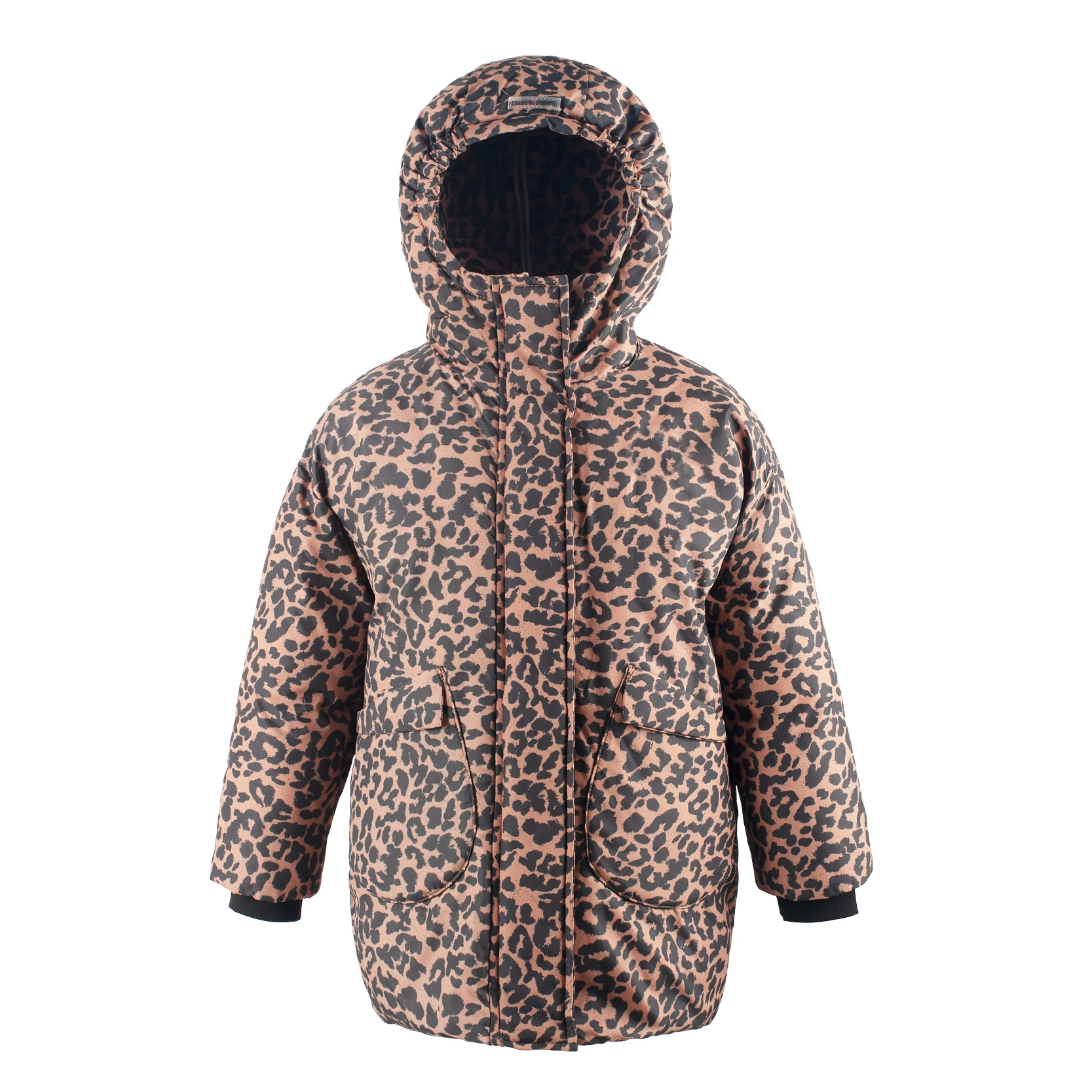
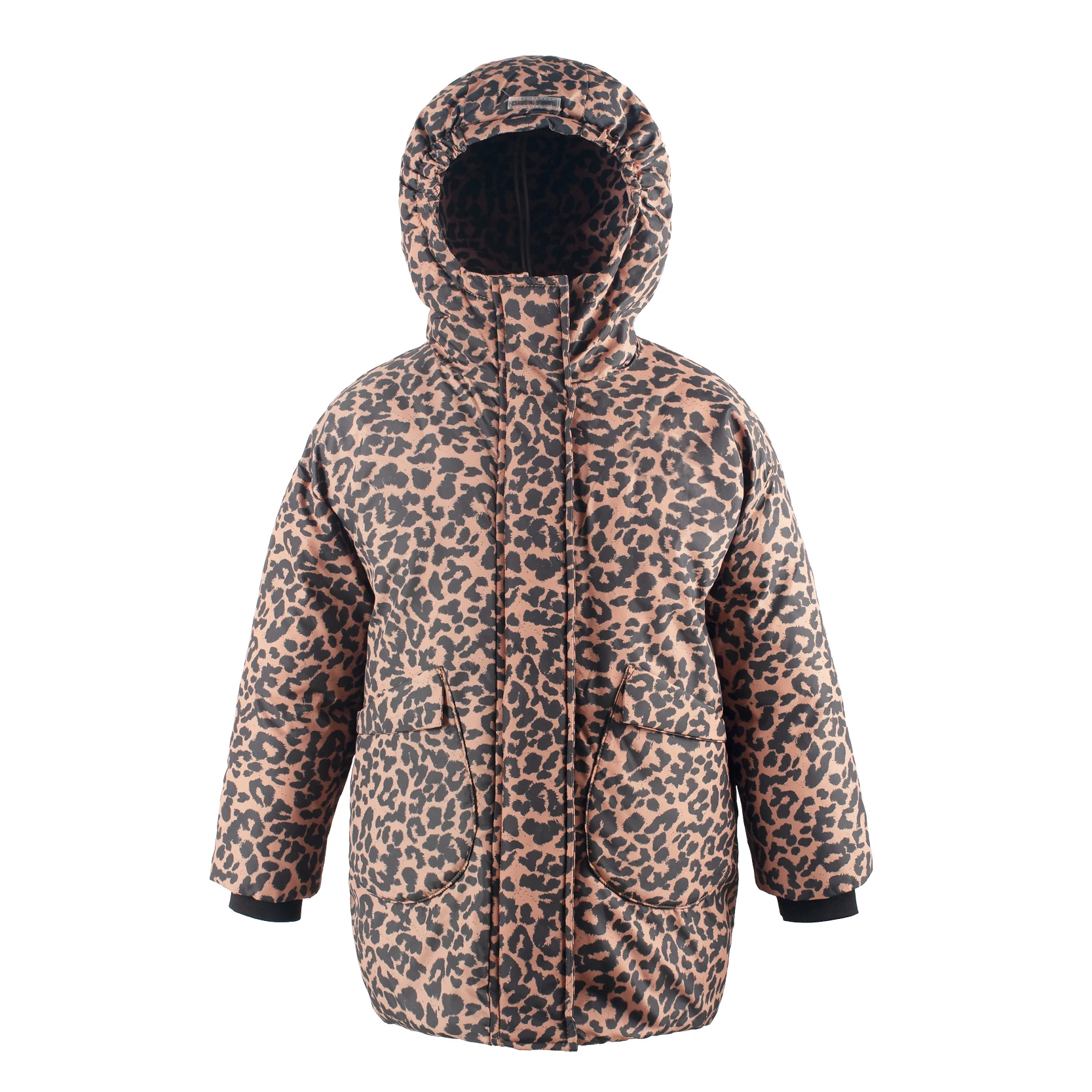
Having spent quite a few seasons around industrial sites—from warehouses to outdoor facilities—I've noticed how certain workwear pieces quietly become staples. The camo jacket is one of those oddly reliable items. You might think of it as just “military style,” but frankly, there’s a lot more to it in industrial contexts.
Years ago, when I first slipped into one on a chilly morning in the yard, I realized it wasn’t just about aesthetics. The camo jacket’s blend of rugged durability, practical design, and, you know, that slight bit of invisibility (oddly enough handy when you want to blend with surroundings) made it a smart choice for many field technicians and site managers. There’s also a story from a colleague who swore his camo jacket saved him from minor scratches and brush while doing some site inspections on old pipeline cuts.
Built for Function – Material and Design
Most industrial camo jackets you find today feature a tough polyester-cotton mix, sometimes reinforced with ripstop weaving. This means the jacket resists tears even when you’re crawling under machinery or navigating thorny patches on a site. Water resistance is usually a bonus, allowing work to continue even in damp conditions without that soaked-through chill that can really zap your focus.
The cut tends to be loose, giving you plenty of room to move—a must when you’re hauling tools, bending frequently, or climbing ladders. Of course, pockets are never an afterthought. Multiple chest and side pockets accommodate everything from notebooks to multitools, even smartphones. And the cuffs and collars are often adjustable, so you can seal out wind or loosen up during strenuous tasks. It might be simple design thinking, but it matters a lot in real terms.
Tested Under Pressure: Real-World Durability
I remember a winter shift where the temperatures dropped unexpectedly. The camo jacket I had was lined with a lightweight fleece – not a bulky thing, but just enough to keep the chill off during those long pause moments. It’s little details like thermal linings paired with breathable fabric that industrial usability depends on. Many in the sector say the jacket's ability to balance warmth and ventilation makes it a halfway perfect year-round option.
Specification Snapshot
| Feature | Details |
|---|---|
| Material | 65% Polyester / 35% Cotton Ripstop |
| Weight | 750 grams (Medium size) |
| Water Resistance | Durable Water Repellent (DWR) finish |
| Insulation | Light fleece lining (removable) |
| Pockets | 6 total; chest flap, side hand-warmer, internal |
| Closure | Heavy-duty YKK zipper with storm flap |
Comparing Leading Vendors in Industrial Camo Jackets
| Vendor | Material Quality | Design Features | Price Range |
|---|---|---|---|
| Vendor A | High-grade ripstop polyester-cotton | Multiple pockets, fleece lining, DWR finish | $90 - $120 |
| Vendor B | 100% cotton, lighter material | Basic pockets, unlined, no water resistance | $60 - $85 |
| Vendor C | Polyester blend with reinforced stitching | Insulated lining, zipper storm flap, adjustable cuffs | $100 - $130 |
Why I Recommend the Camo Jacket for Industrial Use
In all honesty, the camo jacket isn't just about looking tough—though that’s a bonus if you ask me. It merges practicality with durability, and that’s the cornerstone of good industrial wear. It’s adaptable for varying climates, robust enough for wear and tear, and keeps essential gear close at hand. Plus, the aesthetic has this unpretentious charm that’s rare in commercial gear.
One side note: some users customize theirs with patches or company logos, turning functional workwear into something a bit more personal and, frankly, a bit of team spirit at the site. It’s proof that even basic gear can evolve with your needs.
In the end, the camo jacket remains a quietly trusted partner for many industrial workers. It’s one of those simple solutions that, when you look back, you realize has saved both time and discomfort more times than you’d expect.
References:
- Industrial Textile Testing Institute. (2021). “Durability Standards for Workwear Fabrics.”
- Smith, J. (2022). “Practical Workwear: Insights from Field Engineers.” Journal of Industrial Safety.
- Patch, M. (2023). “Seasonal Gear for the Industrial Worker.” Equipment Monthly.