
Apr 16, 2026
11.30 / 2025
Durable and Sustainable Cotton Workwear Trousers for Global Industries
The Unseen Importance of Cotton Workwear Trousers in Global Industries
When you think of workwear, cotton trousers might sound plain at first — but their role is far more significant, especially across diverse industries worldwide. These garments serve as the frontline armor for millions of workers, whether on sprawling construction sites, in bustling factories, or intensive agricultural fields. Understanding cotton workwear trousers isn’t just about fabric or fashion; it’s about durability, comfort, and even sustainability at a global scale.
In a world focused increasingly on safety, environmental impact, and ethical labor practices, cotton workwear trousers stand as a surprisingly sustainable choice, blending natural fibres with practical design. This balance helps industries reduce their carbon footprint and also protect the people who truly keep the world running.
Global Significance and Context of Cotton Workwear Trousers
Here’s a somewhat surprising stat: the global workwear market was valued at approximately $13.6 billion in 2021, and cotton-based apparel represents a critical segment of this market. According to the International Organization for Standardization (ISO), sustainable natural fibers like cotton account for a growing share owing to worker preference and environmental regulations.
Yet, challenges persist. From the cotton fields to the end user, the supply chain struggles with issues such as inconsistent quality, price volatility, and sometimes questionable labor conditions. That’s where quality cotton workwear trousers step in — they address durability and comfort without excessively driving up costs, which is key for industries with tight margins.
Mini Takeaway:
- Cotton workwear trousers combine practicality with sustainability.
- Their global demand ties directly into workforce safety and eco-conscious trends.
- Manufacturers and end-users face ongoing market and ethical challenges.
What Exactly Are Cotton Workwear Trousers?
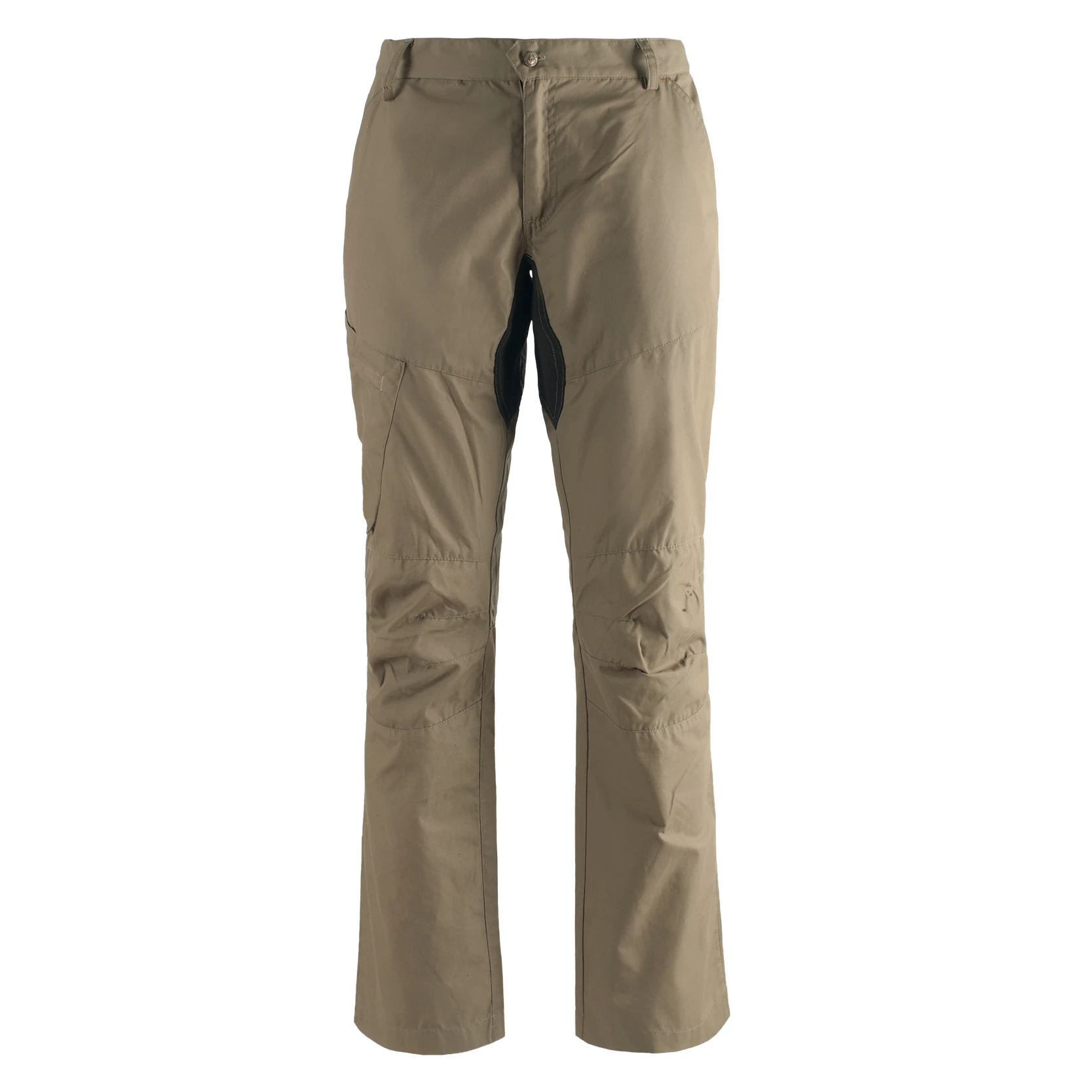
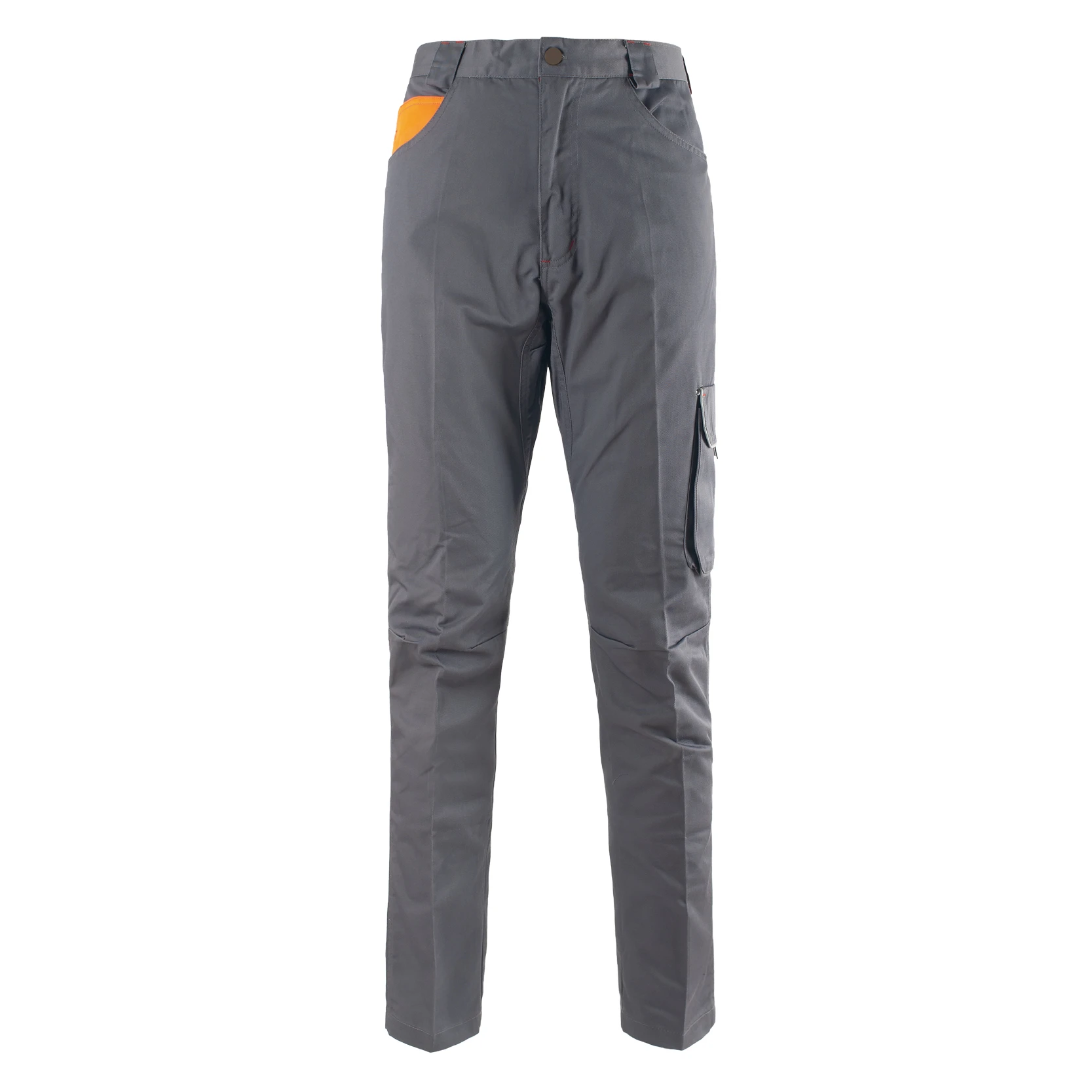
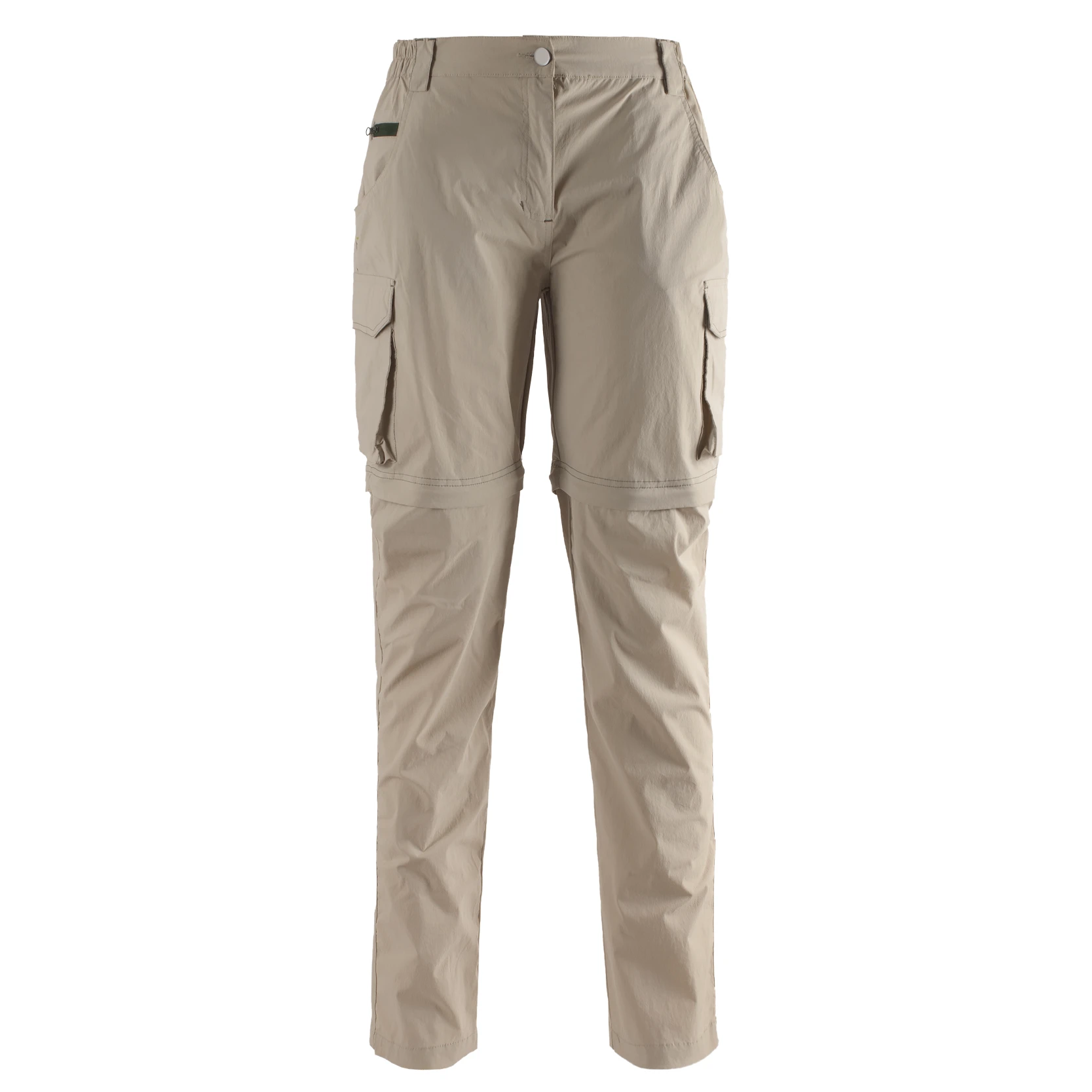
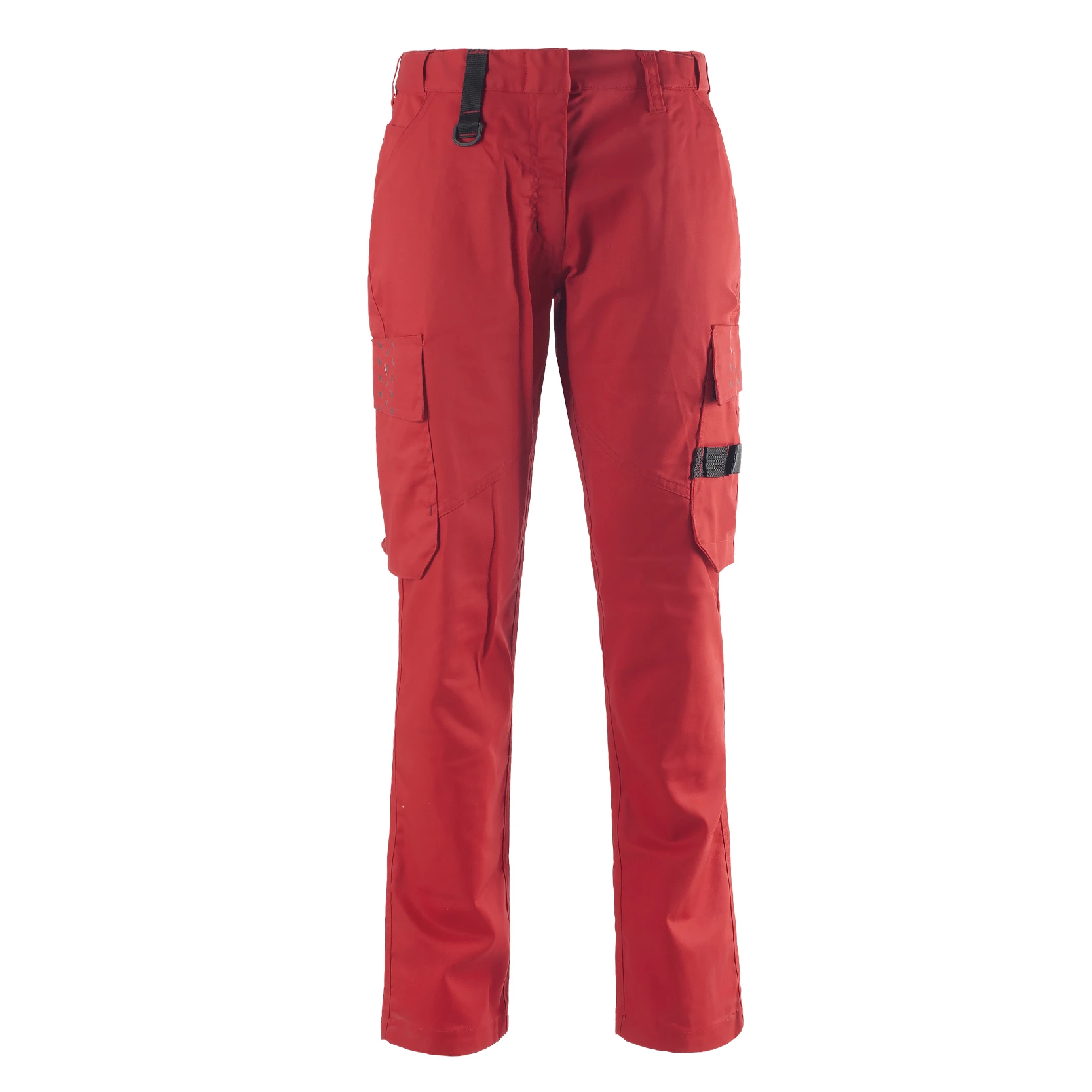
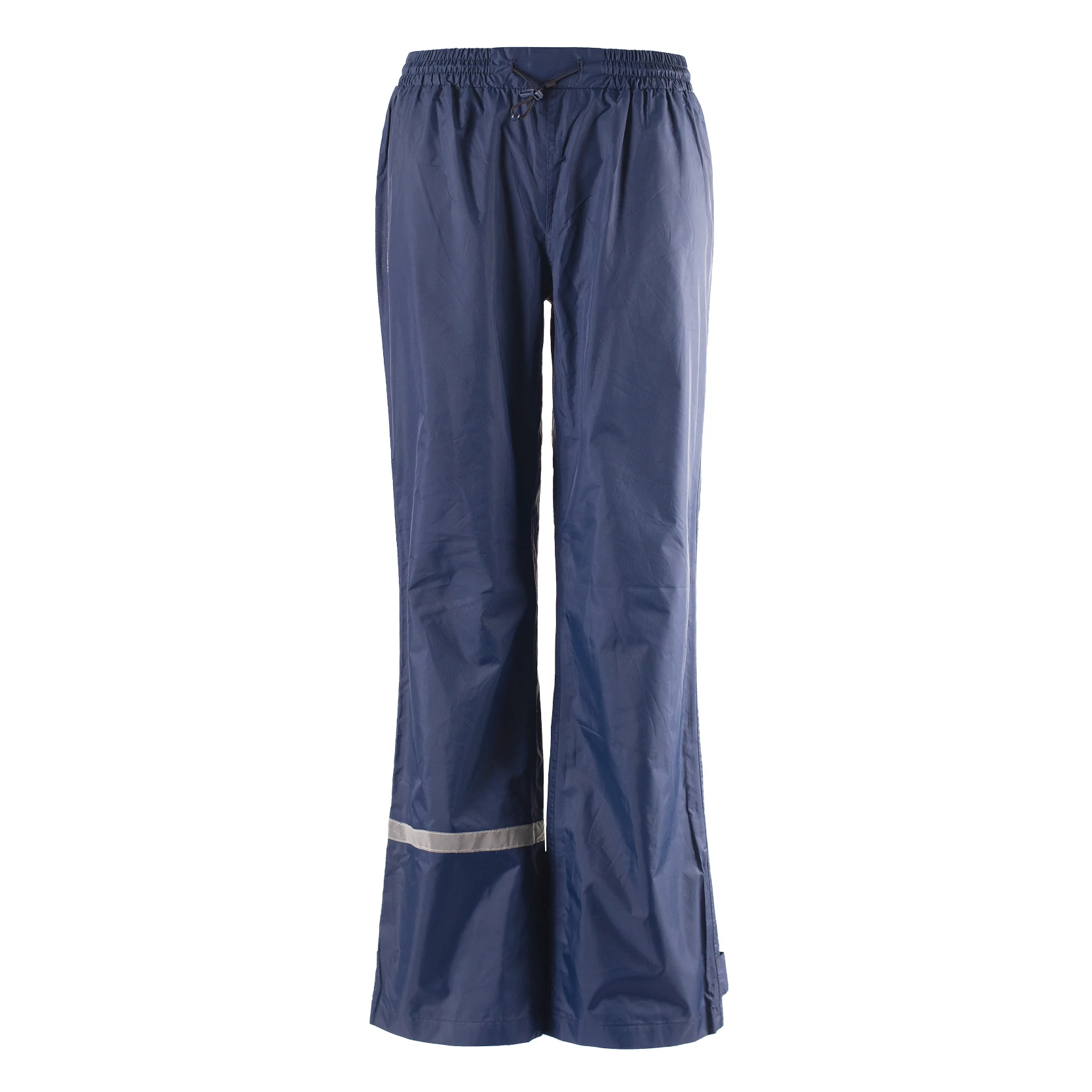
Simply put, cotton workwear trousers are heavy-duty pants made primarily from cotton fabric designed for labor-intensive environments. Unlike casual cotton pants, these trousers incorporate reinforced stitching, multiple pockets for utility, and sometimes blend cotton with synthetic fibers to improve strength or stain resistance.
The connection to modern industry is straightforward: these trousers offer protection, comfort, and versatility in sectors spanning construction, manufacturing, logistics, and even humanitarian relief. For workers, the right pair can mean fewer injuries, less fatigue, and enhanced productivity.
Key Features That Define Quality Cotton Workwear Trousers
1. Durability
Cotton’s natural strength is enhanced in workwear trousers through reinforced seams and heavy weaves like canvas or twill. This makes the garment resistant to tears and abrasion, essential for trade workers handling rugged tasks daily.
2. Breathability & Comfort
Unlike synthetic work fabrics that can trap heat, cotton breathes well, which reduces sweat and overheating — a crucial factor in warm climates or active environments.
3. Cost Efficiency
While high-tech materials exist, cotton remains affordable and accessible, striking a fine balance between price and performance — crucial for bulk purchases by companies and NGOs.
4. Maintenance and Longevity
Cotton trousers are easier to clean without special care and tend to soften with repeated washes, increasing user comfort over time.
5. Sustainability
Cotton is biodegradable and renewable, unlike fully synthetic alternatives that contribute more heavily to landfill overflow — an important consideration as industries shift toward greener practices.
Mini Takeaway:
- Durability and comfort are equally crucial.
- Cost and sustainability make cotton trousers a go-to for many organizations.
- The right fabric blend can enhance overall performance.
Where Are Cotton Workwear Trousers Used Globally?
Interestingly, the reliance on cotton workwear trousers crosses continents and economic sectors. For instance, in Southeast Asia’s manufacturing hubs, workers favor cotton blends for breathability during hot days. In Africa, NGOs procure durable cotton trousers for humanitarian workers operating in disaster zones. European construction firms often require compliance with specific ISO standards for safety, which cotton blends can help meet.
In post-disaster relief efforts—think after hurricanes or earthquakes—cotton workwear trousers provide much-needed comfort and durability for relief workers spending long hours in difficult terrain. Meanwhile, remote industrial zones in Russia or Canada depend on cotton blends for insulation and breathability amid extreme weather.
Mini Takeaway:
- Widely adopted across manufacturing, agriculture, relief, and construction sectors.
- Regional conditions influence fabric preferences and necessary features.
- Organizational needs often dictate specific cotton blends or reinforcements.
Advantages and Long-Term Value
The tangible benefits of cotton workwear trousers go beyond the obvious. From an economic perspective, these garments reduce replacement costs due to their sturdy build. From the worker’s perspective, comfort and safety boost morale and reduce injury downtime. Additionally, their biodegradability supports corporate social responsibility goals, often required by modern procurement policies.
There is an emotional side too: providing workers with quality, well-made clothing conveys respect and dignity, fostering trust between employers and employees. It’s a subtle but vital element in workplace culture.
Future Innovations and Trends
Thanks to advances in textile technology, we’re seeing innovative cotton blends with embedded antimicrobial properties, water resistance, and even high-visibility safety features. The rise of organic cotton and Fair Trade certification also promises a more ethical supply chain.
Digital transformation is impacting production now: automated cutting and sewing, along with supply chain traceability via RFID tags, help manufacturers improve consistency and reduce waste. Sustainability-focused policies push companies to choose cotton trousers that meet strict environmental standards, a trend unlikely to fade anytime soon.
Challenges and How the Industry Is Addressing Them
Of course, cotton workwear trousers aren’t perfect. They can shrink or wear out faster than some synthetic options if improperly cared for. Supply chain issues, such as cotton price swings or labor concerns, also affect availability and cost.
Companies tackle these problems through innovative fabric blends, better garment testing protocols, and stronger supplier partnerships that emphasize ethical sourcing. Meanwhile, education on proper garment care helps maximize lifespan at the user end.
Product Specifications of a Typical Cotton Workwear Trouser
| Specification | Details |
|---|---|
| Material | 100% Cotton Canvas or Twill |
| Weight | 280-320 g/m² |
| Reinforcements | Triple-stitched knees, crotch, and pockets |
| Features | Multiple utility pockets, hammer loops |
| Care | Machine washable at 40°C, tumble dry low |
Vendor Comparison: Which Supplier Delivers the Best Cotton Workwear Trousers?
| Vendor | Price per unit | Sustainability Certifications | Customization Options | Lead Time |
|---|---|---|---|---|
| Alpha Workwear Co. | $18.50 | GOTS, Fair Trade | Color & logo embroidery | 3-4 weeks |
| Beta Industrial Gear | $16.00 | None | Limited - sizes only | 2 weeks |
| Gamma Textiles Ltd. | $21.00 | OEKO-TEX, GOTS | Full customization + reflective strips | 4-5 weeks |
Frequently Asked Questions About Cotton Workwear Trousers
Q1: Are cotton workwear trousers suitable for hot climates?
A: Absolutely. Cotton breathes much better than synthetic materials, helping reduce overheating and sweat, which improves comfort for workers in warmer climates.
Q2: How long do cotton workwear trousers typically last under heavy use?
A: With proper care, quality cotton workwear trousers can last 12-18 months or longer, depending on the intensity of wear and industry conditions.
Q3: Can cotton trousers be flame-resistant?
A: Standard cotton is not naturally flame-resistant, but manufacturers often treat cotton blends with flame-retardant finishes to enhance safety.
Q4: How do I maintain cotton workwear trousers to maximize lifespan?
A: Machine wash at 40°C with mild detergent, avoid bleach, and tumble dry on low or hang dry. Following these steps helps maintain fabric integrity and fit.
In Conclusion: Why Cotton Workwear Trousers Matter
Cotton workwear trousers weave together threads of comfort, sustainability, and cost-effectiveness in a way few other work garments can. For industries and workers around the globe, they offer reliable protection and dignity that’s hard to put a price on. Whether you run a factory, outfit a relief team, or manage a construction crew, investing in high-quality cotton trousers is really an investment in lasting value — one that keeps giving back.
Ready to upgrade your workwear? Check out cotton workwear trousers and find the perfect fit for your needs.