
Apr 16, 2026
11.22 / 2025
Durable and Breathable Waterproof Outdoor Work Jackets for All Weather
The growing importance of the waterproof outdoor work jacket
We often take for granted how a seemingly simple garment—a waterproof outdoor work jacket—can actually be a linchpin in ensuring safety and productivity across diverse fields worldwide. From construction sites battered by unpredictable weather to humanitarian relief operations in remote rain-soaked regions, the right jacket truly changes the game. It may sound basic, but when you understand the global stakes—think rising climate volatility and more workers in exposed environments—the benefits become undeniable. These jackets literally shield livelihoods, reduce downtime, and keep workers comfortable enough to focus on their craft.
Introduction: Why waterproof outdoor work jackets matter globally
Globally, industries like construction, agriculture, logistics, and disaster response employ millions of workers exposed daily to the elements. The International Labour Organization (ILO) estimates that outdoor workers represent roughly 20% of the global workforce—a staggering figure when you think about how many are outside regardless of weather. Harsh rainfall, snow, and wind are not just inconveniences; they cause injuries, slow project timelines, and escalate costs. Waterproof outdoor work jackets address a pivotal pain point: how to keep workers dry, protected, and productive no matter what the sky throws at them.
With the effects of climate change intensifying weather unpredictability, having durable and truly waterproof gear is more than just comfort—it's a critical health and safety issue. For industries that run 24/7 or must meet tight deadlines, every wet hour lost translates directly to revenue lost.
What exactly is a waterproof outdoor work jacket?
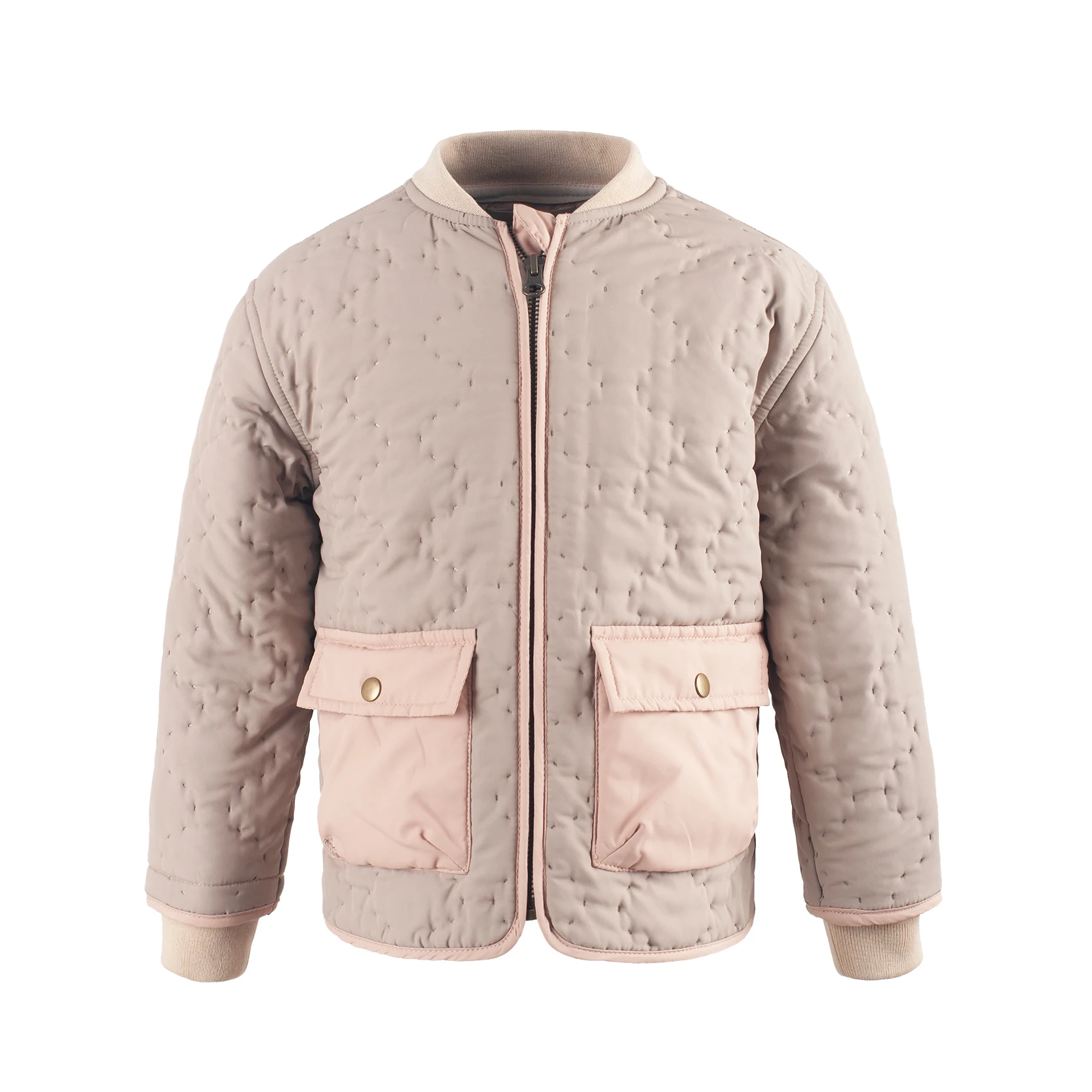
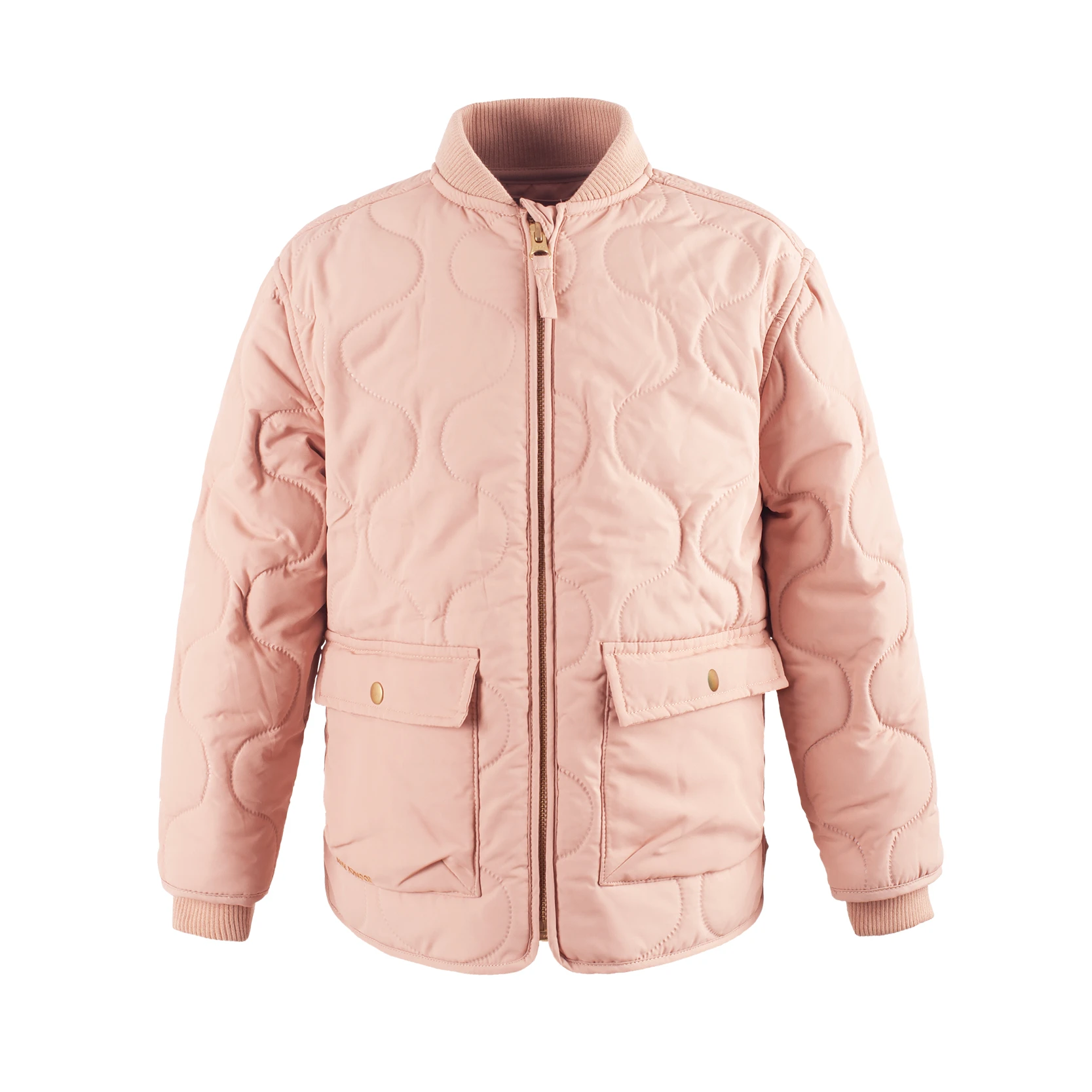
Put simply, it’s a specialized jacket designed for outdoor professionals that combines waterproof materials with durability, comfort, and often visibility enhancements. These aren’t your average raincoats. They’re engineered to resist heavy precipitation, withstand abrasions, and keep wearers dry without overheating. Manufacturers might incorporate breathable membranes like Gore-Tex, sealed seams, and reinforced patches where wear and tear hit hardest.
In a broader sense, these jackets marry modern textile innovation with the practical realities of outdoor work. Think of them as part of a wider ecosystem of personal protective equipment (PPE)—without which countless tasks would be unsafe or impossible in wet environments.
Core aspects of high-quality waterproof outdoor work jackets
Durability: built to last the harshest conditions
Whether you’re climbing scaffolds or hiking muddy terrain, these jackets endure tough abrasion and mechanical stresses. Ripstop fabrics, double-stitched seams, and high-denier materials are common features ensuring the jacket holds its shape and protection over time.
Waterproofing technology: what really keeps the rain out?
Waterproof coatings (like PU or DWR), laminated membranes, and taped seams are essential. But breathability matters too, preventing sweat buildup. It’s this delicate balance that separates a decent raincoat from a true waterproof work jacket.
Comfort & fit: moving beyond ‘just waterproof’
Outdoor workers move constantly and carry equipment, so jackets must fit ergonomically without restricting movement. Adjustable hoods, ventilation zippers, and flexible fabrics contribute to that all-day comfort.
Visibility & safety features
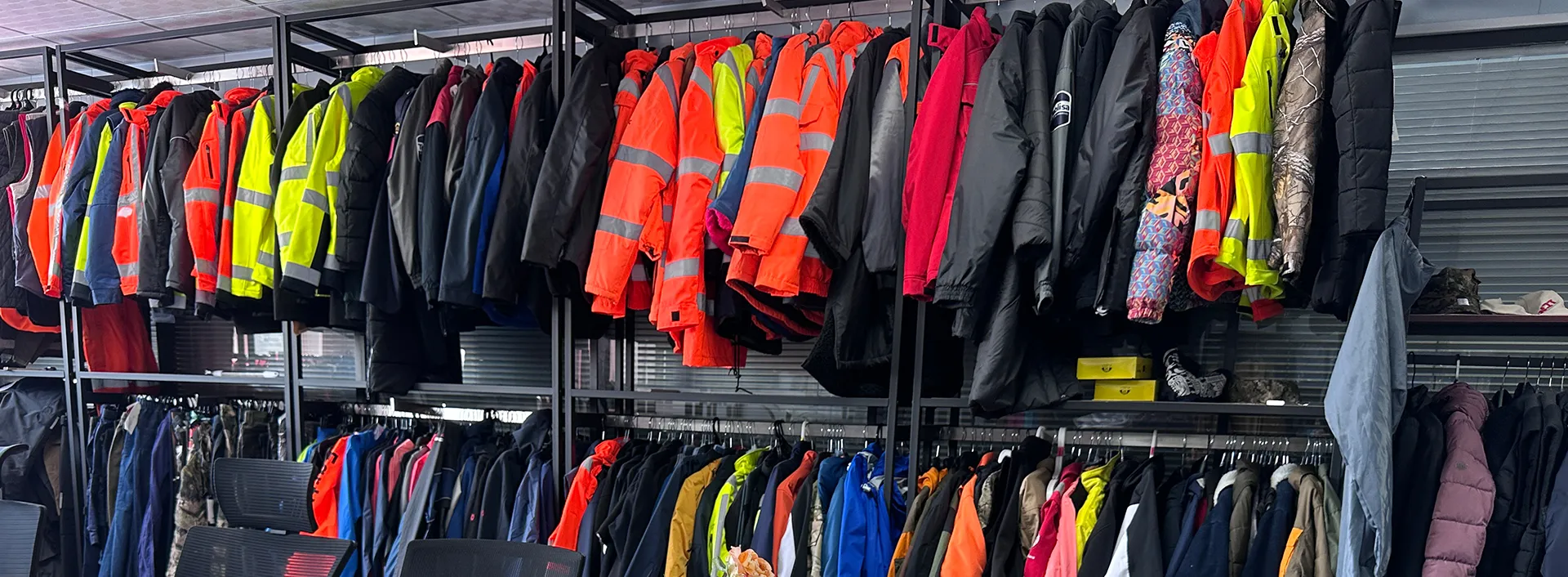
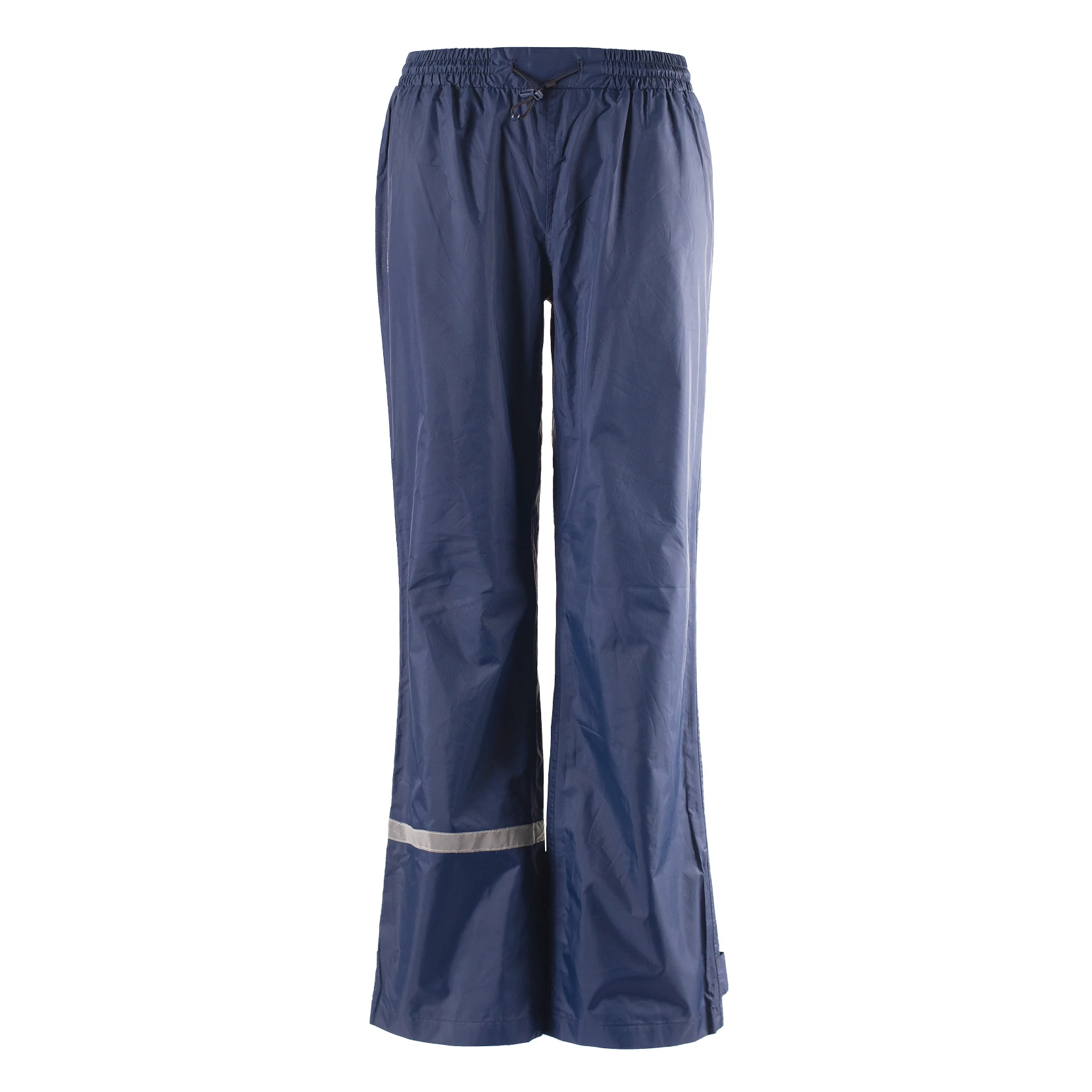
In low light or hazardous environments, high-visibility panels or reflective strips enhance worker safety. Many jackets integrate these without compromising aesthetics or mobility.
Cost efficiency: durability pays off
While pricier upfront, durable waterproof jackets reduce replacement frequency, downtime, and health risks—a classic case of spending a bit more today to save a lot tomorrow.
Mini takeaway:
The best waterproof outdoor work jackets expertly balance durability, waterproof protection, and wearer comfort, while delivering safety and long term value.
How waterproof outdoor work jackets are used worldwide
In Northern Europe, construction crews regularly face relentless rain and wind, making waterproof gear indispensable to keep projects running smoothly year-round. In tropical zones like Southeast Asia, the focus shifts to breathability while maintaining protection from monsoon downpours. Meanwhile, humanitarian organizations rely heavily on such jackets in post-disaster relief efforts—imagine aid workers building shelters amidst torrential rains in flood zones.
Mining operations in Australia’s rugged outback also demand robust waterproof jackets that can withstand not just water but dust and abrasions. Even the logistics sector, where delivery personnel brave cold drizzle, benefits greatly. If you want to see true versatility, just look at how these jackets adapt to each region’s distinct climate and work challenges.
Specifically, here’s a quick overview of typical product specs:
| Feature | Typical Specification |
|---|---|
| Waterproof rating | Minimum 10,000 mm hydrostatic head |
| Breathability | At least 5,000 g/m²/24h moisture vapor transfer |
| Material | Ripstop nylon or polyester with DWR coating |
| Seam sealing | 100% taped seams |
| Visibility | Reflective strips and/or Hi-Vis panels |
| Weight | Approx. 600-800 grams, varies with size/features |
Mini takeaway:
These jackets aren’t one-size-fits-all—regional and sector-specific needs influence exact specs and features, which explains their widespread adoption globally.
Comparing leading waterproof outdoor work jacket suppliers
| Vendor | Price Range | Key Features | Warranty |
|---|---|---|---|
| Pullytrade Co. | $120 - $180 | Breathable Gore-Tex membrane, taped seams, Hi-Vis options | 3 years |
| WeatherGuard Supplies | $100 - $150 | PU coating, adjustable hoods, reflective trim | 2 years |
| ProSafe Gear | $130 - $200 | Advanced DWR, sealed zippers, reinforced elbows | 5 years |
Why choosing a quality waterproof outdoor work jacket pays off
Beyond the obvious, the benefits of a good waterproof jacket ripple out in unexpected ways. Think about how it reduces health risks like hypothermia or colds—this isn’t just about productivity but about human dignity and comfort. Workers feel cared for, which boosts morale. Smart companies see it as a way to build trust and loyalty, an essential edge in competitive labor markets.
Economically, fewer sick days and less equipment downtime translate directly to savings. Plus, investing in durable gear aligns with sustainability goals since fewer jackets need replacement over time. Frankly, it’s a win-win that blends safety, economics, and green thinking in one neat package.
Looking ahead: innovations shaping waterproof outdoor work jackets
There’s fascinating R&D underway in textile science—graphene coatings to repel dirt and water simultaneously, smart fabrics that regulate temperature on the go, or even solar-charging patches sewn into jackets powering small devices. On the policy side, stricter workplace safety standards and sustainability certifications (think ISO 14001) are pushing manufacturers toward greener, more effective designs.
Digital transformation also makes a splash: RFID tags embedded into jackets for inventory tracking or wear-time monitoring, ensuring workers rotate gear before degradation impacts safety. One can almost imagine a near future where your jacket communicates with your helmet or boots—fully integrated PPE for safer, smarter work outdoors.
Challenges and how they're being solved
Waterproof jackets aren’t magic. One common complaint: many so-called “waterproof” jackets lose breathability over time, trapping sweat and discomfort. Brands tackle this with better membranes and layered fabric engineering. Another challenge involves balancing cost—ultra-high-tech materials mean higher prices, so manufacturers craft modular designs where customers can upgrade components instead of buying from scratch.
Longevity can also suffer if maintenance is overlooked. Easy-to-follow care instructions and durable finishes help. Some vendors offer refurbishment programs to extend jackets’ life—oddly satisfying for users who form an attachment to their personal kit.
FAQ: Your waterproof outdoor work jacket questions answered
- Q: What should I look for to ensure a jacket is truly waterproof?
A: Check for waterproof ratings (10,000 mm or higher), fully taped seams, and reputable membrane technology like Gore-Tex or similar. Also, reviews and certifications help confirm real-world performance. - Q: Can waterproof jackets be breathable without leaking water?
A: Yes! The best jackets use membranes that block water droplets but allow vapor (sweat) to escape—keeping you dry inside and out. - Q: How often should I replace my waterproof jacket?
A: Typically every 3-5 years depending on usage and care, but if waterproofing fades or fabric damages appear, it’s time. - Q: Are there sustainable options for waterproof outdoor work jackets?
A: Absolutely. Look for brands using recycled materials, PFC-free water repellents, and fair labor certifications.
Final thoughts and next steps
Choosing the right waterproof outdoor work jacket isn’t just shop talk—it’s a strategic, safety-driven decision that pays dividends over time. With the increasing global push for better worker protection and the challenges of climate variability, these jackets are set to become standard gear for anyone working outdoors. If you’re curious to see what’s currently on offer or need a durable solution tailored to your industry’s demands, visit https://www.pullytrade.com for trusted options and expert advice. Staying dry, safe, and ready for whatever’s next—that’s what it’s all about.