
Apr 16, 2026
11.27 / 2025
Construction Worker Winter Coat - Durable, Safe & Thermal Workwear for Cold Sites
The Essential Guide to Construction Worker Winter Coats
If you’ve ever braved a cold site in winter, you’ll know well enough that a construction worker winter coat isn’t just a layer, but nearly a lifeline. Globally, ensuring safety and comfort for outdoor workers during harsh weather is a vital challenge, and understanding the innovation behind these coats can truly change how we think about worker wellbeing, productivity, and protection.
In this guide, we’ll dig into why these coats matter so much, what features set them apart, and how their design plays a critical role in the broader construction and industrial sectors — especially as the temperatures plunge.
Why Construction Worker Winter Coats Matter Worldwide
The International Labour Organization (ILO) estimates that over 160 million people worldwide are engaged in construction activities, many exposed to extreme weather. According to the World Meteorological Organization, winter temperatures below freezing remain a significant hazard in Europe, North America, and vast swathes of Asia.
Workers without adequate protection risk frostbite, hypothermia, and reduced productivity — not to mention costly delays due to enforced stoppages. So, the construction worker winter coat is far more than just apparel; it’s a critical safety measure endorsed by ISO standards for personal protective equipment (PPE). But it’s also about dignity and comfort on the job.
While industrial growth surges in colder regions like Siberia, Scandinavia, and parts of Canada, the demand for durable, warm coats designed specifically for construction environments has risen sharply. Think of it as the frontline gear against the cold, ensuring projects don’t get derailed by the weather — and workers stay both safe and satisfied.
Mini Takeaway:
- Construction worker winter coats play a vital role in global occupational safety.
- Exposure to cold threatens health and productivity on construction sites worldwide.
- Meeting international PPE standards improves worker outcomes significantly.
What Exactly Is a Construction Worker Winter Coat?
Simply put, a construction worker winter coat is a heavy-duty, insulated garment engineered to protect laborers from harsh cold, wind, and moisture during outdoor work. Unlike casual winter jackets, these aren’t made for city strolls or ski slopes — they’re built to withstand wear, tear, and grime in rugged environments.
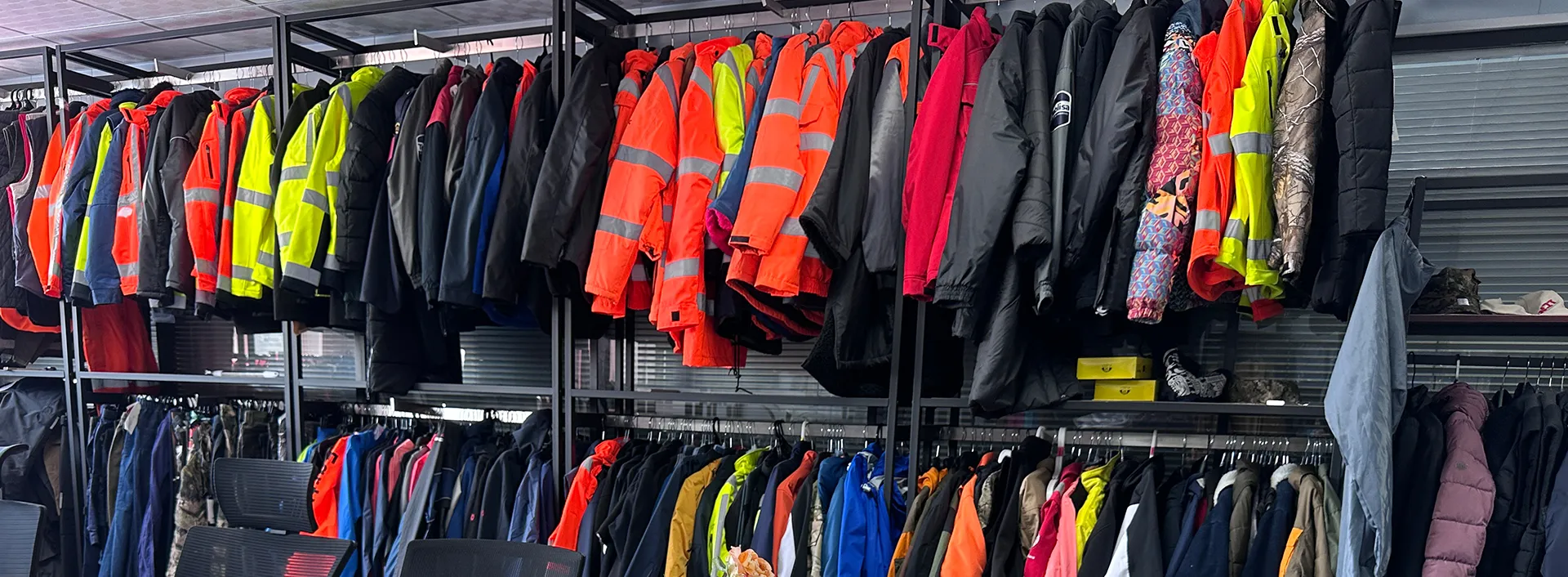
Modern versions fuse technical fabrics, thermal linings, and high-visibility safety elements — think reflective strips and neon panels. Their design complies with safety regulations, supporting worker mobility while being resilient to abrasions or accidental impacts that are common on site.
There’s also a humanitarian angle: organizations supplying winter construction gear during disaster relief, for example, underscore how these coats aren’t just commodities but tools for survival and recovery.
Mini Takeaway:
- These coats combine insulation with high-visibility and durability.
- They are specialized PPE garments designed for construction demands.
- They can be lifesaving gear in humanitarian and emergency work.
Key Features of a Top-Performing Construction Worker Winter Coat
1. Durability
These coats face rough terrain, wrench drops, concrete dust, and sometimes chemical exposure. Hence, manufacturers focus on tough outer shells often made of heavy-duty nylon or polyester blends, reinforced stitching, and water-repellent coatings. The aim? A garment that won’t fail mid-shift.
2. Thermal Insulation
Good cold-weather gear avoids bulkiness while maximizing heat retention. Common materials include synthetic fibers like Thinsulate™ or down alternatives, ensuring warmth without limiting agility.
3. Weather Resistance
Windproof and waterproof fabrics shield workers from the elements—rain, sleet, and biting winds—while breathable membranes help sweat escape, preventing clamminess.
4. Visibility & Safety
High-vis colors combined with reflective tape keep workers visible during short winter days or foggy conditions. This feature alone can reduce accidents significantly on site.
5. Practical Design
Adjustable hoods, pockets for tools or gloves, zippered vents for temperature control, and reinforced elbows all speak to a thoughtful ergonomic approach tailored for construction demands.
6. Cost Efficiency & Replacement Cycles
While upfront cost matters, durability means fewer replacements over time — a big win for business budgets and sustainability.
Mini Takeaway:
- Durability and insulation make the jacket functionally indispensable.
- Weather resistance and high-visibility features ensure safety on site.
- Smart design features increase usability and worker comfort.
Construction Worker Winter Coat Applications Across the Globe
From frozen construction sites in Alaska to newly developing infrastructure in Eastern Europe, these coats find a home everywhere cold meets construction. Mining operations in Canada rely on insulated coats that function well down to -40°C, while Scandinavian building firms demand garments meeting rigorous EU PPE guidelines and environmental standards.
In post-disaster zones, aid agencies equip volunteers with these coats to sustain long hours rebuilding infrastructure in mountainous, snowy regions. Even in urban settings like New York or Moscow, winter coats tailored for workers keep bridge crews and highway maintainers safe through the chilliest conditions.
Mini Takeaway:
- These coats serve diverse climates and environments.
- They support critical sectors beyond construction — mining, relief, maintenance.
- Compliance with local standards shapes global designs.
Product Specifications at a Glance
| Feature | Typical Specification | Benefit |
|---|---|---|
| Outer Shell | 600D Polyester with PU Coating | Abrasion & water resistance |
| Insulation | 100g/m² Thinsulate™ or equivalent | Thermal comfort in -20 to -30°C |
| Visibility | Reflective tape + Hi-vis panels | Enhanced safety in low light |
| Waterproof Rating | 3000mm H2O minimum | Keeps wearer dry in rain/snow |
| Weight | ~1.2–1.5 kg | Balanced warmth & mobility |
Vendor Comparison: Market Leaders for Construction Worker Winter Coats
| Brand | Price Range (USD) | Durability Rating | Waterproof Level | Unique Feature |
|---|---|---|---|---|
| ArmorBuilt | $150 - $220 | 9/10 | 3500 mm H2O | Integrated tool pockets |
| ColdGuard Pro | $130 - $210 | 8/10 | 3200 mm H2O | Reinforced elbows and shoulders |
| SafeWear Industries | $160 - $230 | 9/10 | 4000 mm H2O | Battery heated liners option |
The Advantages and Long-Term Value of Quality Workwear
Choosing the right construction worker winter coat means more than just an upfront cost. Employers and workers alike enjoy gains in safety, job satisfaction, and reduced downtime due to cold-related illnesses or injuries. It’s a bit like investing not just in a garment, but in trust — workers feeling cared for, motivated to stay productive under harsh conditions.
On an environmental note, durable, reusable coats reduce waste and cut the frequency of replacing worn-out gear. Many brands now use recycled fabrics, contributing to circular economy goals aligned with UN sustainability targets.
Then there’s peace of mind during emergency work or unplanned cold snaps. A solid coat is like a small insurance policy that keeps life and work steady.
Mini Takeaway:
- Improves safety and productivity on-site.
- Supports sustainability with durable, eco-conscious materials.
- Provides emotional reassurance and dignified work conditions.
What’s Next? Emerging Trends in Construction Worker Winter Coats
Innovations are rolling in fast: electrically heated coats powered by lightweight battery packs are gaining ground, especially in northern climates where brutal cold lingers months on end. Some manufacturers are experimenting with phase-change materials that adapt insulation level based on temperature fluctuations, sort of like your body’s natural thermostat.
Green fabrics made from recycled ocean plastics or bio-sourced fibers are also trending in response to sustainability pressures. And because construction safety standardization is evolving, we’ll likely see even smarter integration of visibility and sensor technology that monitor environmental conditions.
In real terms, these trends mean coats not only protect but become part of a digital ecosystem enhancing worker safety and efficiency.
Common Challenges and Smart Solutions
One of the biggest headaches is balancing warmth without bulkiness. Too heavy or stiff, and movement suffers — productivity drops. Manufacturers tackle this with layered designs and advanced insulating tech.
Another challenge? Waterproofing while maintaining breathability. No one likes a sweaty, clammy interior. The solution lies in membrane tech like Gore-Tex that selectively lets moisture out without letting water in.
Cost can also be a barrier for some employers, especially small contractors. Leasing programs or bulk purchasing via platforms like construction worker winter coat suppliers can alleviate price pressure while ensuring quality.
Frequently Asked Questions About Construction Worker Winter Coats
- Q: How do I choose the right insulation for my winter coat?
- A: Look for synthetic insulation like Thinsulate™ for durable warmth, especially if your job involves moisture exposure. Down fills offer excellent warmth-to-weight ratios but may struggle when wet. Consider coat layering and job conditions to pick the best option.
- Q: Can these coats handle wet snow and rain?
- A: Yes, top coats feature water-resistant or waterproof shells (typically min 3000 mm rating). Look for sealed seams and breathable membranes that keep moisture out but allow sweat to evaporate.
- Q: How often should winter coats be replaced?
- A: With daily construction use, a quality winter coat typically lasts 3 to 5 years, depending on abuse levels. Regular inspection for damage and maintaining washing instructions prolong life.
- Q: Are hi-vis winter coats required by law?
- A: In many jurisdictions, especially under OSHA or EU PPE rules, reflective and high-visibility elements are mandatory on construction sites, especially in low light or poor visibility conditions.
Bringing It All Together
Ultimately, investing in a solid construction worker winter coat means a smarter, safer jobsite and healthier workers who get the respect their hard work deserves. As climates grow unpredictable and construction pushes deeper into harsh territories, these coats adapt and innovate to meet the call.
If you’re on the lookout for reliable suppliers or seeking more details on cutting-edge products, feel free to explore options at pullytrade.com. Because when it comes to working in the cold, the right coat can really make all the difference.