
Apr 16, 2026
12.14 / 2025
Comprehensive Guide to Workwear Coats: Safety, Comfort & Sustainability
Workwear Coats: Why They Matter More Than You Think
Whether you’re trudging through a chilly construction site or managing machinery in a factory, workwear coats are often the unsung heroes of the PPE world. They don’t just keep workers warm — their design, durability, and overall functionality impact safety, productivity, and even morale globally. Oddly enough, it's one of those things you don’t think about — until it suddenly matters, like in harsh weather or hazardous environments. In this article, we’ll unwrap what workwear coats really are, why they’re crucial across industries worldwide, and the key benefits that come with having the right outerwear for the job.
The Global Importance of Workwear Coats: More Than Just Warmth
According to the International Labour Organization (ILO), workplace accidents and hazardous exposures remain a top concern across all industrial sectors worldwide. Roughly 2.3 million people die annually from occupational accidents or diseases—a staggering figure that shows how crucial protective gear like workwear coats can be. Beyond just personal safety, appropriate workwear coats contribute to worker comfort, which has a direct correlation to productivity and job satisfaction.
Most regions with cold climates, like Northern Europe, Canada, and parts of Asia, see greater emphasis on insulated and weatherproof coats designed to handle extreme temperatures. Meanwhile, in developing industrial zones, basic workwear coats provide vital protection against chemical spills, dirt, and abrasion.
Here's a real challenge many managers face: choosing gear that balances protection, comfort, and cost-effectiveness across different conditions—a conundrum that workwear coats address perfectly when selected right.
What Are Workwear Coats? Breaking Down the Basics
At their core, workwear coats are outerwear garments engineered specifically for industrial, warehouse, and field workers to provide protection from environmental elements and workplace hazards. They are typically built tougher than regular coats, incorporating materials like heavyweight cotton, polyester blends, or high-tech synthetics designed for resistance against water, wind, chemicals, or flame.
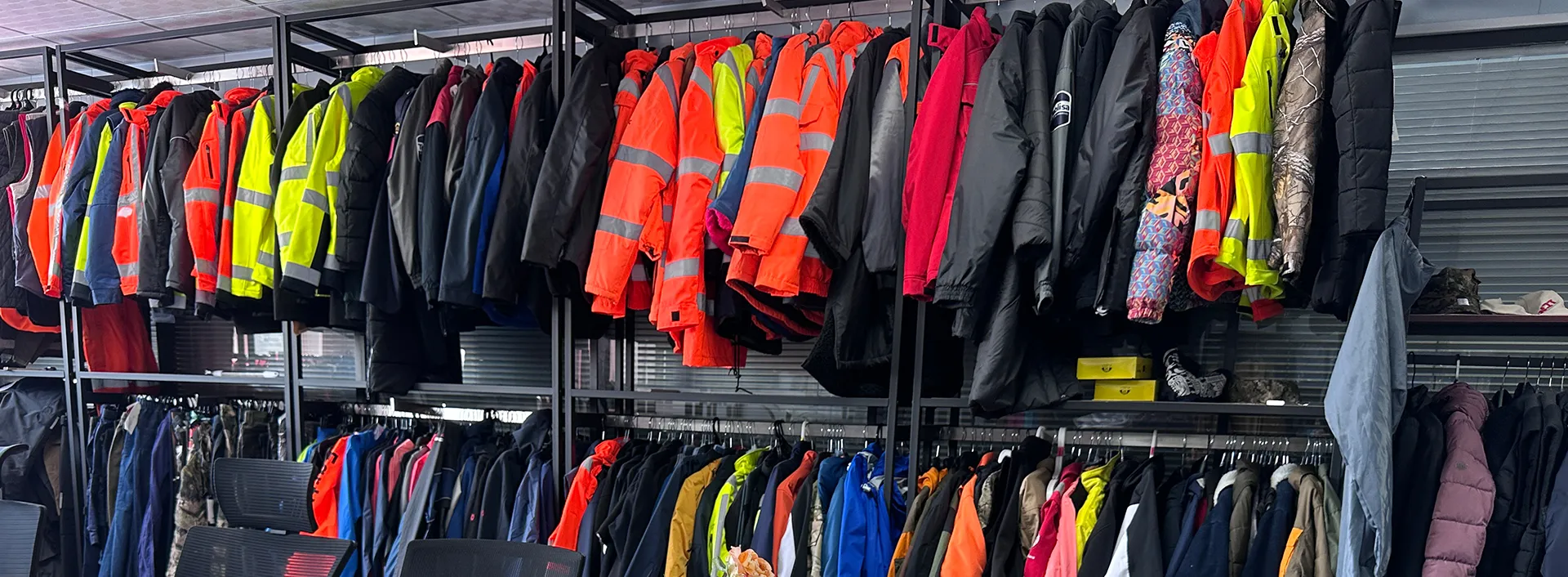
These coats connect directly to modern industry needs—consider oil rig workers enduring harsh offshore winds, or emergency responders requiring quick-drying, abrasion-resistant fabrics. Beyond durability, elements like visibility stripes, multi-pocket designs, and adjustable cuffs make them highly practical for daily labor.
Core Components That Make Workwear Coats Effective
Durability That Stands the Test of Time
One of the first things designers prioritize is longevity. High-performance fabrics like ripstop nylon or reinforced cotton blends resist tears and abrasions incredibly well. Many engineers I've met are especially keen on double-stitched seams and heavy-duty zippers—small details that prevent costly failures in the field.
Weather Resistance and Insulation
Depending on the climate, workwear coats range from breathable shell jackets to insulated, waterproof parkas. Materials with Gore-Tex membranes or PU coatings repel water but still allow perspiration to escape, which is huge because nothing kills morale faster than a clammy, overheated worker.
Safety Features: Visibility and Compliance
For many industries, reflective stripes complying with ISO 20471 standards are mandatory. It’s not just regulation stuff; you want folks seen easily in low-light or fog. Some coats even have integrated flame-resistant (FR) fabrics to protect from sparks and flash fires—critical in sectors like welding or petrochemicals.
Comfort & Ergonomics
We've long moved beyond the stiff, bulky coats of old. Modern workwear emphasizes freedom of movement — articulated elbows, stretch panels, and thoughtful ventilation zones. Honestly, a comfortable worker is a safe worker. Comfort also promotes longer wear—meaning better ROI overall.
Cost Efficiency and Maintenance
Quality doesn’t always mean expensive. Many manufacturers offer lines of workwear coats that balance performance and affordability. Plus, coats designed for easy laundering and quick drying help companies save on upkeep costs. High turnover jobs especially benefit from durable, easy-care outerwear.
How Workwear Coats Serve the World: Real-Life Applications
Industries ranging from construction and manufacturing to humanitarian aid rely heavily on these garments. For example, in harsh cold climates like Scandinavia and Canada’s mining regions, insulated and waterproof coats enable workers to sustain productivity despite subzero temperatures. On the flip side, relief organizations operating in disaster zones often deploy lightweight, chemical-resistant coats to safeguard volunteers exposed to unknown hazards.
- Post-disaster relief: Durable, weatherproof coats support rescue workers through muddy fields and cold nights.
- Remote industrial operations: Workers in oil, gas, or logging industries require multi-functional coats combining safety with comfort.
- Urban construction: Visibility-enhanced coats reduce accidents in busy, low-light job sites.
Industries in Asia and Africa are increasingly adopting specialized workwear coats as part of globalization pushes for better standards and safer working conditions.
Mini takeaway: No matter the environment, right-fit workwear coats are a foundational piece in protecting life and boosting efficiency.
The Tangible Advantages and Lasting Impact of Quality Workwear Coats
There’s cost to consider, sure, but when you look at longevity and lowered injury rates, the math favors smart investments. A dependable coat reduces downtime caused by illness or accidents, minimizing lost wages and production delays. Many companies also see the social ripple effect — providing dignified, reliable gear that enhances morale and signals respect for workers.
From an environmental angle, advances in recycled fibers and sustainable manufacturing processes are transforming workwear coats into greener options, reinforcing corporate social responsibility principles.
Emotionally? Giving workers protection feels like giving them trust, which can mean the difference between a clocked-in presence and someone dialing in from the sidelines.
What’s Next? Future Trends and Innovations in Workwear Coats
Technology is really shaking things up. Smart textiles incorporating sensors to monitor body temperature or exposure to toxic gases are no longer sci-fi. Imagine a coat that alerts supervisors when a worker’s core temperature rises dangerously or if they’ve been exposed to hazardous materials for too long.
Sustainability is front and center too. Brands are weaving recycled plastics and organic cotton into durable, performance-driven coats. The goal? Reduce landfill waste without sacrificing protection.
Finally, customization via 3D knitting and modular garment components mean coats could soon adapt on the fly — adding layers or ventilation based on weather and task needs.
Challenges and How the Industry Is Overcoming Them
Not everything's perfect yet. Cost barriers remain for smaller companies and NGOs aiming to equip teams properly. Plus, differing global standards can complicate certification and procurement.
That said, partnerships between manufacturers and humanitarian organizations are streamlining sourcing of compliant, affordable coats. Open-source designs and bulk production orders help bring prices down.
Many suppliers now offer rental or leasing programs too, allowing access without huge upfront investments.
Frequently Asked Questions About Workwear Coats
- What materials are best for all-weather workwear coats?
- Waterproof membranes like Gore-Tex combined with breathable polyester blends often offer a great balance of protection and comfort. Insulation layers like Thinsulate add warmth without bulk, making for versatile coats.
- How do I choose a workwear coat that complies with safety regulations?
- Look for coats certified under relevant ISO or EN standards, especially those with reflective elements if working near traffic or low-light areas. Flame resistant fabrics are necessary for electrical or welding environments.
- Can workwear coats be customized for company branding?
- Absolutely. Many manufacturers offer embroidery or patch options, and some even produce coats in corporate colors or with logos for easy team identification.
- Are sustainable workwear coats as durable as traditional models?
- Thanks to advances in recycled materials and eco-friendly manufacturing, sustainable coats now perform comparably to conventional ones, often exceeding durability when using innovative blends.
Comparative Tables for Quick Reference
| Feature | Details |
|---|---|
| Material | Ripstop nylon with PU waterproof coating |
| Insulation | Thinsulate, 120 g/m² for cold protection |
| Safety Features | Reflective stripes (ISO 20471 certified), flame-resistant fabric option |
| Closure | Heavy-duty YKK zippers with wind flap |
| Weight | 900 g (size L) |
| Care | Machine washable; quick drying |
| Brand | Price Range | Primary Strength | Sustainability |
|---|---|---|---|
| AlphaGear | $120-$180 | Highly durable, classic cut | Partial recycled fabrics |
| EcoWear Pro | $150-$210 | Top sustainability credentials | 100% recycled materials |
| SafeGuard Co. | $100-$160 | Broadest compliance certifications | Standard eco-friendly efforts |
Wrapping Up: Why the Right Workwear Coats Matter
In the end, workwear coats aren’t just about battling the cold or grime. They represent an essential element of workplace safety, efficiency, and respect for those who keep our industries moving. Investing thoughtfully in these garments translates into real benefits — fewer injuries, better morale, and a positive societal impact.
If you want to explore a wide selection of reliable and innovative workwear coats, visit our website. The choices you make in gear say a lot about your priorities — and frankly, it feels good to know your team is well-equipped for whatever the day throws at them.