Safety work pants are a critical component of personal protective equipment (PPE) across a vast range of industries, safeguarding workers from hazards and contributing significantly to workplace safety. From construction and manufacturing to healthcare and emergency services, these specialized garments are designed to withstand rigorous conditions and protect against injuries. Understanding the nuances of safety work pants, their features, and appropriate applications is paramount for employers and employees alike, driving down accident rates and fostering a culture of safety.
Globally, the demand for reliable safety work pants is rising alongside increasing industrial activity and a heightened awareness of occupational health and safety standards. The UN Sustainable Development Goals, particularly those focusing on decent work and economic growth, indirectly emphasize the importance of safe working conditions, bolstering the need for effective PPE. Furthermore, organizations like the ISO (International Organization for Standardization) provide frameworks for quality and performance, driving advancements in material science and design for these essential garments.
Ultimately, investing in quality safety work pants isn't merely about compliance; it's about valuing human life and promoting a sustainable, productive workforce. Properly fitted and maintained safety work pants empower individuals to perform their duties with confidence and minimize the risk of preventable injuries.
Introduction to Safety Work Pants
Safety work pants are more than just clothing; they are a fundamental line of defense against workplace hazards. The evolution of these garments has been driven by a need to protect workers from a diverse range of threats, including abrasion, punctures, chemical exposure, and even extreme temperatures. Choosing the right safety work pants involves considering the specific risks present in a given work environment and selecting materials and designs that offer targeted protection.
The selection process requires a comprehensive understanding of safety standards and regulations, which vary considerably by industry and location. From the rugged demands of construction sites to the sterile environments of healthcare facilities, safety work pants are tailored to meet the unique challenges of each profession, demonstrating their adaptability and essential role in modern work practices.
Defining Safety Work Pants
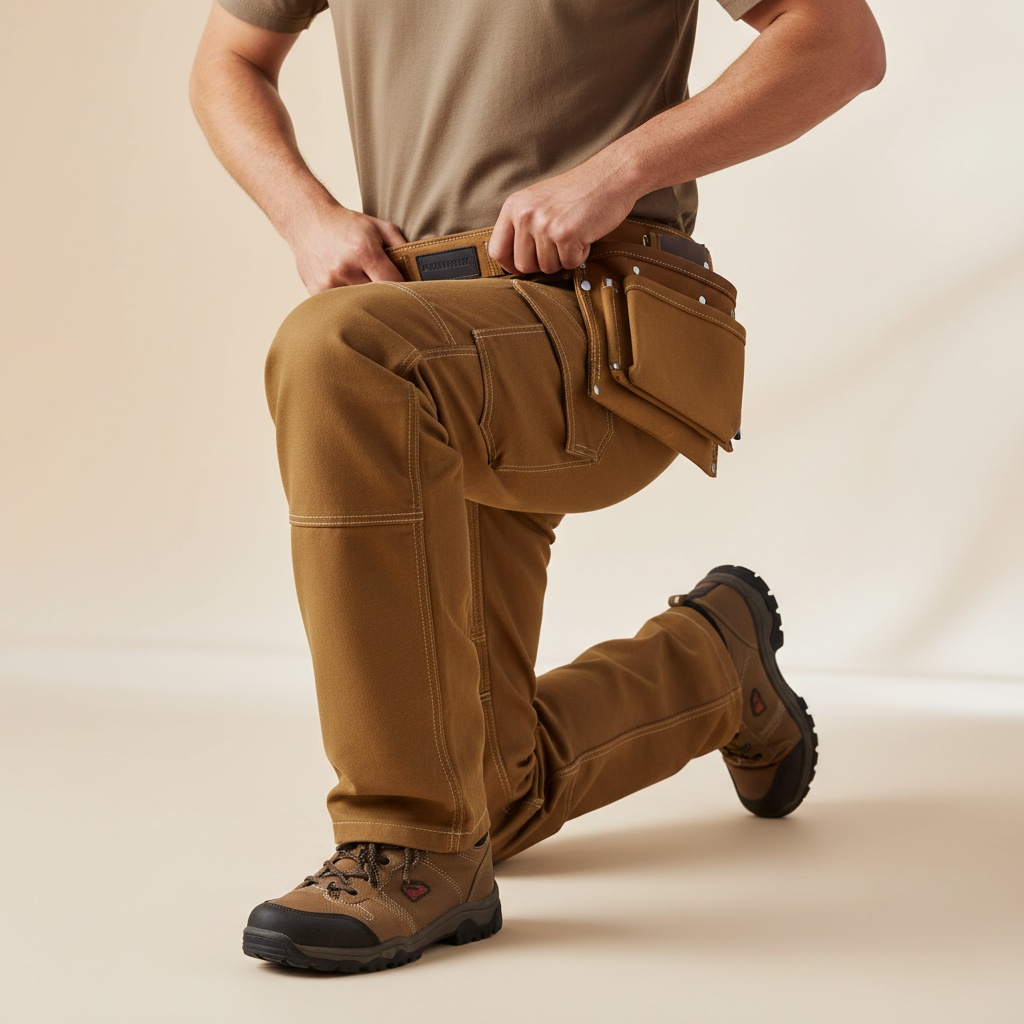
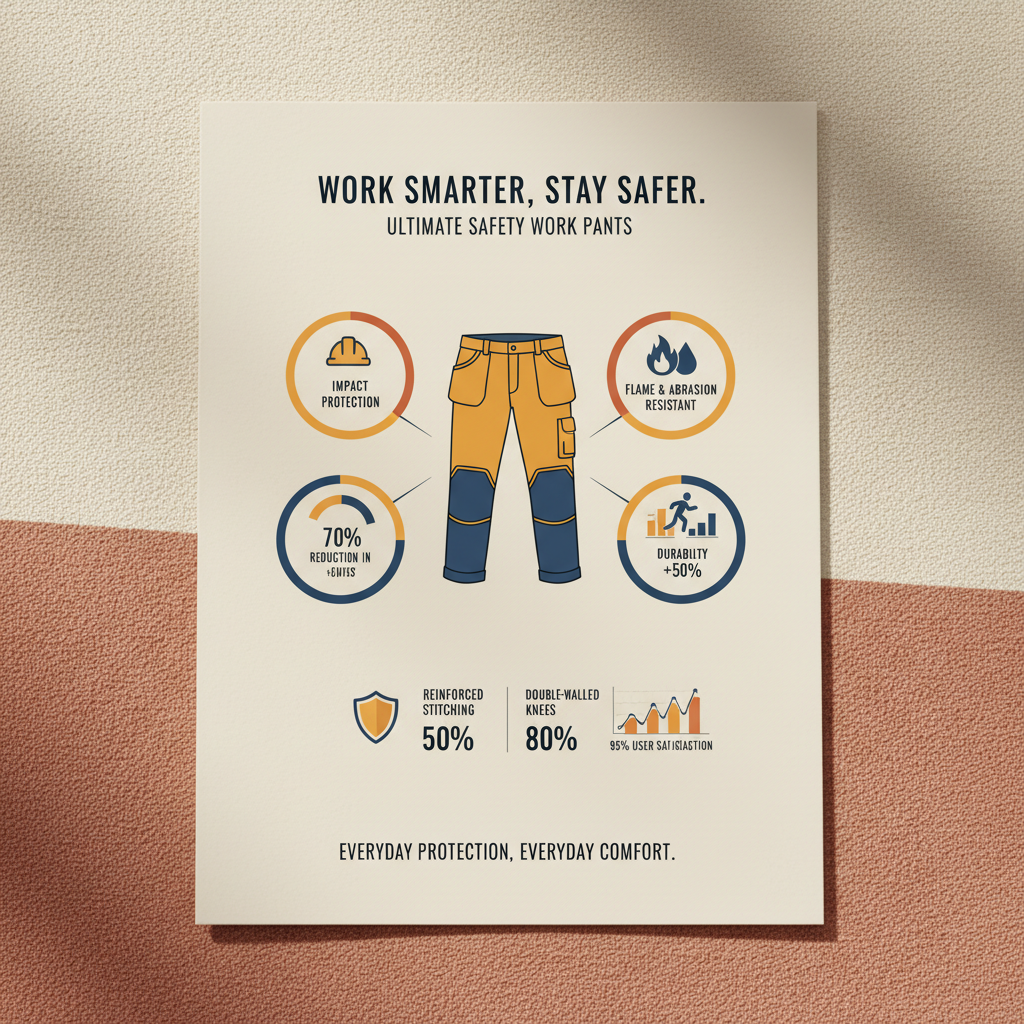
Safety work pants are specifically designed garments constructed from durable materials and incorporating features intended to protect the wearer from workplace hazards. They differentiate themselves from standard work pants through the inclusion of reinforced stitching, abrasion-resistant fabrics, and often, specialized features like reflective strips, padding, or chemical-resistant coatings. The core purpose is to minimize the risk of injury and contribute to a safer working environment.
The definition encompasses a broad spectrum of designs, ranging from basic reinforced trousers to highly specialized garments engineered for specific tasks. For instance, flame-resistant safety work pants are crucial in welding or oil and gas industries, while high-visibility safety work pants are essential for traffic control and road construction. The material composition plays a vital role, with common choices including cotton blends, polyester, and more advanced synthetic fabrics.
In essence, safety work pants bridge the gap between everyday workwear and specialized protective equipment, offering a practical and effective solution for mitigating risks and ensuring worker well-being.
Core Components of Safety Work Pants
Several key features define the effectiveness of safety work pants. Durability is paramount, stemming from the use of robust fabrics like heavyweight cotton drill or reinforced polyester blends. These materials are chosen for their resistance to tearing, abrasion, and general wear and tear, ensuring a long service life even in demanding conditions.
Comfort is also crucial, and manufacturers are increasingly incorporating ergonomic designs and moisture-wicking materials to enhance worker comfort throughout long shifts. Features like articulated knees, adjustable waistbands, and strategically placed stretch panels contribute to improved mobility and reduced fatigue. This consideration is crucial for maintaining productivity and minimizing the risk of strain injuries.
Reinforcement in high-wear areas – such as knees, seat, and pockets – is another hallmark of quality safety work pants. This reinforcement often involves double stitching or the addition of abrasion-resistant patches, extending the garment's lifespan and providing targeted protection. Finally, specialized features like reflective strips, multiple pockets, and tool loops enhance visibility and functionality, catering to the specific needs of different trades.
Practical Applications of Safety Work Pants
The applications of safety work pants are incredibly diverse, spanning virtually every industry where physical labor is involved. In construction, they protect against abrasion, punctures from nails or debris, and impact from falling objects. Within the manufacturing sector, they safeguard against chemical splashes, hot materials, and machinery hazards.
Emergency services personnel, including firefighters and paramedics, rely on specialized safety work pants designed for extreme conditions. These garments often incorporate flame resistance, high visibility, and water repellency. Similarly, healthcare workers utilize safety work pants that offer fluid resistance and barrier protection against infectious materials. In remote industrial zones such as mining operations, durable safety work pants are essential for navigating challenging terrain and protecting against harsh environmental elements.
Even in seemingly less hazardous roles, like logistics and warehousing, safety work pants provide a valuable layer of protection against bumps, scrapes, and strains associated with heavy lifting and repetitive movements. The versatility of safety work pants ensures they are a critical component of PPE programs across countless work environments.
Safety Work Pants Performance Comparison
Advantages and Long-Term Value
Investing in high-quality safety work pants yields significant long-term benefits. Firstly, reduced injury rates translate directly into lower workers' compensation claims and healthcare costs. By providing a robust barrier against workplace hazards, these garments minimize the risk of accidents and promote a healthier, more productive workforce. Furthermore, enhanced worker morale and a strengthened safety culture contribute to improved efficiency and reduced turnover.
Beyond the economic advantages, safety work pants demonstrate a commitment to employee well-being, fostering trust and loyalty. The durability of well-made garments also translates into cost savings over time, as they require less frequent replacement compared to cheaper alternatives. The sustainable aspect of investing in quality also lowers waste and environmental impact.
Future Trends and Innovations
The future of safety work pants is poised for significant innovation. The integration of smart textiles, incorporating sensors and data-gathering capabilities, is a rapidly developing trend. These “smart pants” could monitor worker fatigue, detect hazardous conditions, and provide real-time feedback to improve safety protocols. Sustainability is another driving force, with manufacturers exploring eco-friendly materials and production processes.
Advancements in material science are leading to the development of lighter, more breathable, and more durable fabrics. Nanotechnology is also playing a role, enabling the creation of coatings that offer enhanced protection against chemicals, flames, and abrasion. The increasing adoption of automation and digital technologies in manufacturing and logistics will necessitate safety work pants designed for the demands of a more technologically advanced workplace.
Challenges and Solutions
Despite advancements, several challenges remain in optimizing the effectiveness of safety work pants. Ensuring proper fit is critical, as ill-fitting garments can compromise protection and hinder mobility. This requires offering a wide range of sizes and conducting thorough fit testing. Another challenge is balancing protection with comfort, particularly in hot or humid environments. Manufacturers are addressing this through the development of breathable fabrics and innovative ventilation systems.
Maintaining consistent quality control across different manufacturers and production batches is also essential. Independent certification and adherence to recognized safety standards play a vital role in ensuring that safety work pants meet established performance criteria. Finally, educating workers about the proper use, care, and limitations of their PPE is crucial for maximizing its effectiveness. This requires comprehensive training programs and clear communication of safety protocols.
Addressing these challenges requires a collaborative effort between manufacturers, employers, and workers to prioritize safety, innovation, and continuous improvement in the design and implementation of safety work pants programs.
Summary of Common Challenges and Potential Solutions for Safety Work Pants
| Challenge |
Impact on Safety |
Potential Solution |
Implementation Cost (1-10) |
| Poor Fit |
Compromised Protection, Reduced Mobility |
Offer Wide Size Range, Implement Fit Testing |
4 |
| Lack of Comfort |
Reduced Wear Time, Decreased Compliance |
Breathable Fabrics, Ventilation Systems |
6 |
| Inconsistent Quality |
Unreliable Protection, Premature Failure |
Independent Certification, Stringent QC |
7 |
| Limited Durability |
Frequent Replacement, Increased Costs |
Reinforced Materials, Robust Construction |
5 |
| Insufficient Training |
Improper Use, Reduced Effectiveness |
Comprehensive Training Programs, Clear Communication |
3 |
| Lack of Specialized Features |
Inadequate Protection for Specific Tasks |
Customizable Options, Task-Specific Designs |
8 |
FAQS
The most common materials include heavyweight cotton drill for durability, polyester blends for abrasion resistance and wrinkle-resistance, and more advanced synthetics like Cordura for reinforced areas. Increasingly, manufacturers are utilizing moisture-wicking materials to enhance comfort, and flame-resistant fabrics like Nomex or FR cotton for high-risk environments. The best material depends on the specific hazards of the workplace.
The replacement frequency depends on the wear and tear, the hazards encountered, and the manufacturer's recommendations. Inspect pants regularly for signs of damage like tears, holes, or worn-out reinforcement. If the protective qualities are compromised, even minor damage warrants replacement. Generally, replacing pants annually or whenever significant wear is detected is a prudent approach.
Flame-resistant (FR) fabrics are inherently non-flammable, meaning they won't ignite and continue to burn. Flame-retardant fabrics are treated with chemicals to slow down ignition and burning, but this treatment can wear off over time with washing. FR fabrics offer a more permanent and reliable level of protection in environments where exposure to flames or sparks is a risk.
Fit is critically important. Pants that are too loose can get caught in machinery or obstruct movement, increasing the risk of injury. Pants that are too tight can restrict movement and cause discomfort. Proper fit ensures that protective features, like knee pads or reinforcement, are positioned correctly and that the wearer has full range of motion without compromising safety. A properly fitted pant also maximizes the garment’s lifespan.
Yes, look for certifications like ANSI/ISEA 110 for high-visibility garments, NFPA 2112 for flame-resistant clothing, and ASTM standards for specific hazard protection (e.g., puncture resistance). These certifications demonstrate that the pants have been tested and meet established performance criteria. Always verify the certification is current and relevant to the intended application.
Follow the manufacturer's care instructions carefully. Typically, this involves machine washing in cold water with mild detergent and tumble drying on low heat. Avoid using bleach or harsh chemicals, as they can damage the protective fabrics. Regularly inspect pants for damage and repair minor tears or loose seams promptly. Proper storage in a clean, dry place will also help extend their lifespan.
Conclusion
Safety work pants are an indispensable component of workplace safety, evolving continuously to meet the challenges of modern industries. From their core function of protecting against physical hazards to the integration of advanced materials and technologies, these garments play a crucial role in minimizing risk, enhancing worker well-being, and promoting a culture of safety. Understanding their features, applications, and proper maintenance is paramount for both employers and employees.
Looking ahead, innovation will continue to drive improvements in safety work pants, with a focus on sustainability, comfort, and smart technologies. By embracing these advancements and prioritizing continuous improvement, we can ensure that safety work pants remain a vital line of defense against workplace hazards, contributing to a safer and more productive future for all. Visit our website at safety work pants to explore our range of high-quality options.